
Devallis Rutledge
DA Special Counsel


 MENU
MENU SEARCH
DA Special Counsel
If a suspect wants to assert either his right to counsel or his right to silence, it is up to him to do so, unequivocally and unambiguously.
Read More →
If you can identify two or more ways to justify a detention, arrest, search, or entry, you increase the odds that at least one of them will be upheld in court.
Read More →
This significant new decision firmly establishes that once a suspect has received the Miranda warnings and indicates that he understands his rights, officers are not required to ask whether he wishes to waive or invoke but may simply start asking questions about the case.
Read More →
A person can frame a federal lawsuit against an officer under either the "special relationship" doctrine or the "state-created danger" doctrine.
Read More →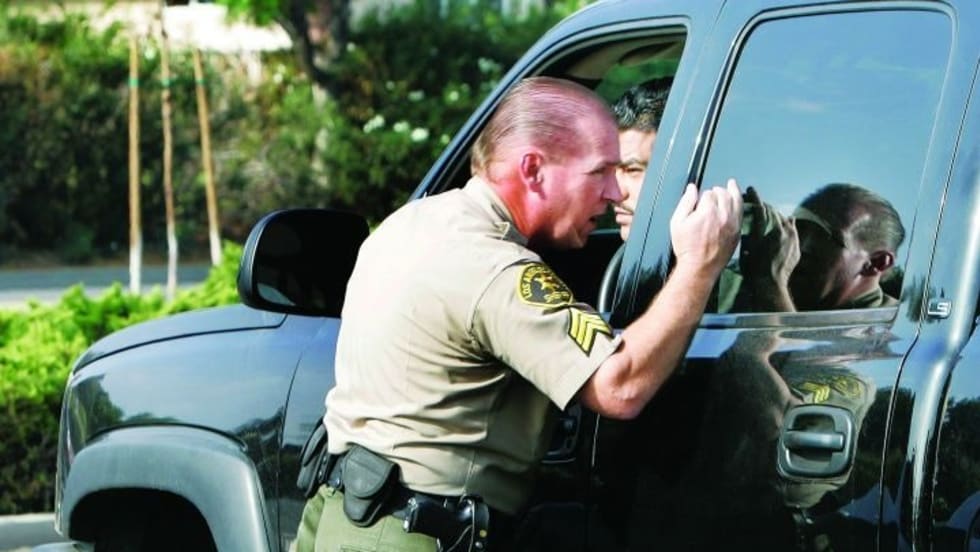
Probable cause is much less than proof "beyond a reasonable doubt," which the prosecutor must meet in order to convict a defendant. But PC is something more than the "reasonable suspicion" required to justify a temporary investigative detention.
Read More →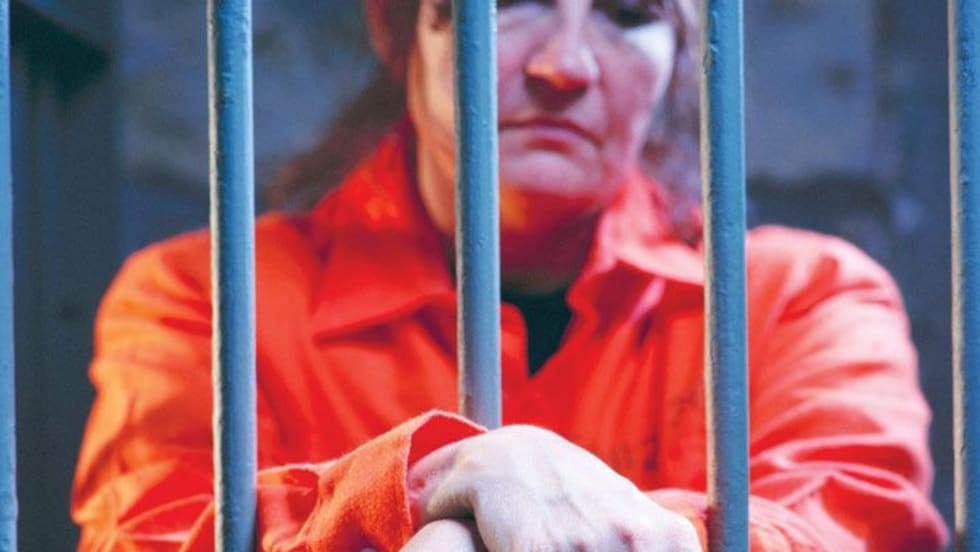
The Edwards rule applies to all officers and all cases - not just to the case on which the suspect invoked the right to counsel.
Read More →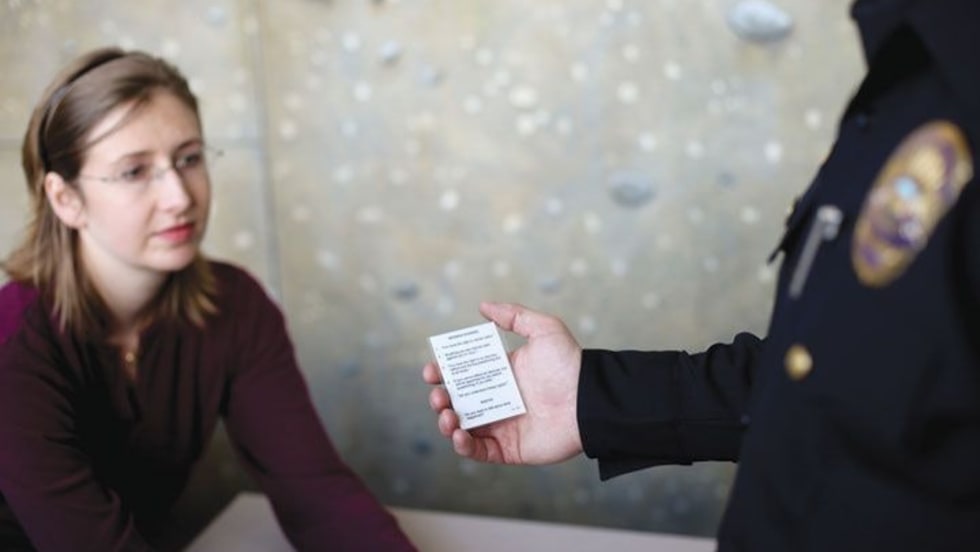
One indication of the enduring misunderstanding of the Miranda jurisprudence is the fact that after 44 years, state and federal courts continue to litigate the adequacy of dozens of variations of the particular wording used by officers - and continue to get reversed by the Supreme Court.
Read More →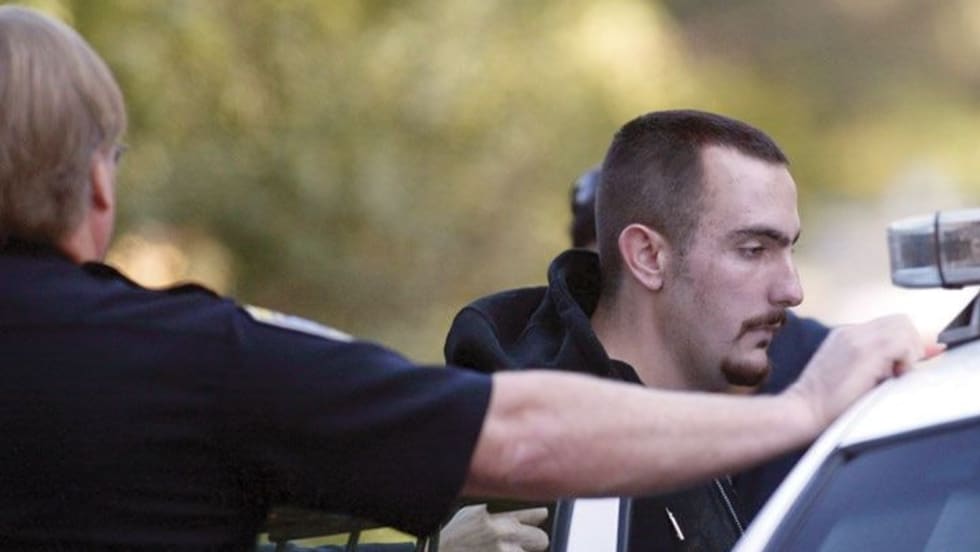
When a marked police car pulls into a high-crime area and people start running away for no apparent reason, this is reasonable suspicion to stop them.
Read More →
Officers can enter when it reasonably appears someone inside may need emergency aid, regardless of the officers' actual, subjective motivations for going inside.
Read More →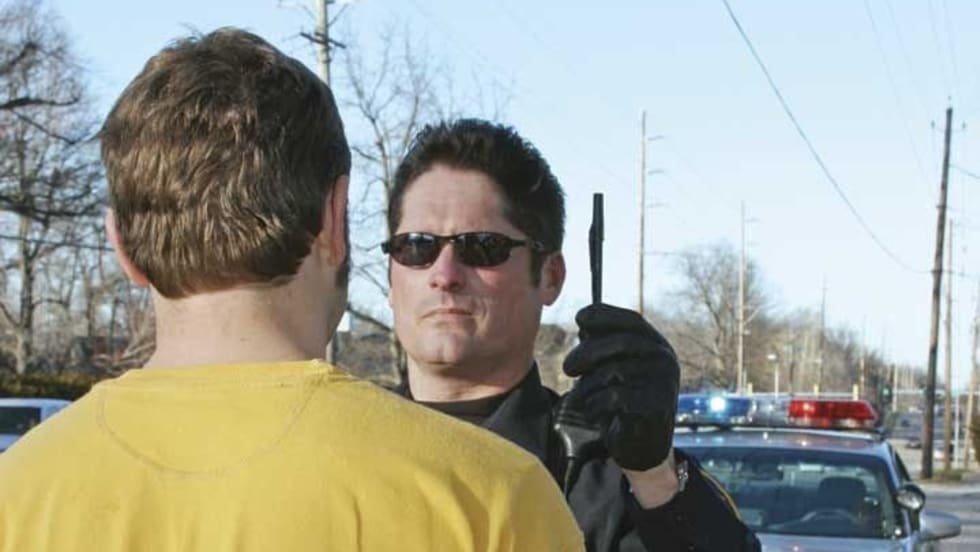
So far, the U.S. Supreme Court has left it to the states and the federal appellate circuits to make their own rulings on the issue of whether officers may make a stop to investigate a reported drunk driver, without having any independent observations to corroborate the anonymous tip. This has led to a split of authority on the issue.
Read More →