
Devallis Rutledge
DA Special Counsel


 MENU
MENU SEARCH
DA Special Counsel
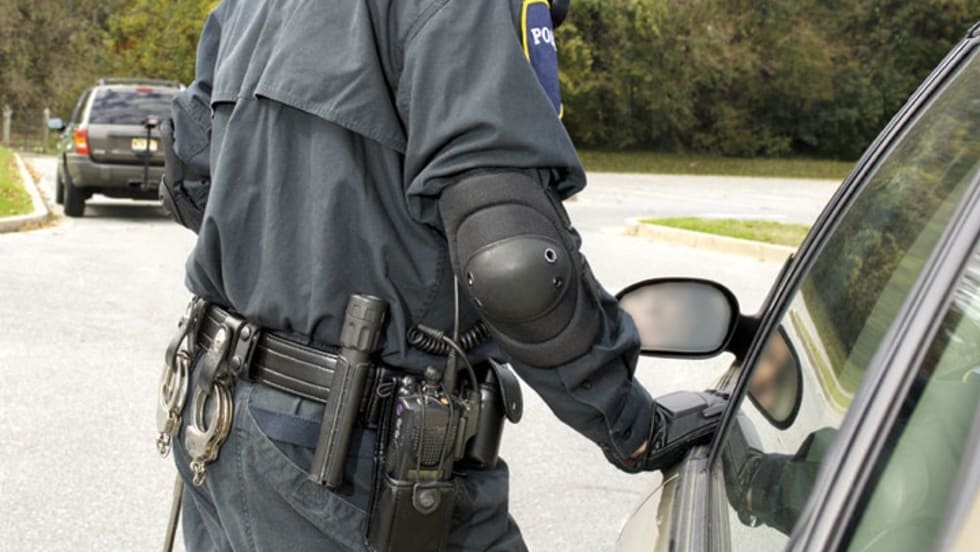
Some actions you take have been classified by Supreme Court decisions as requiring that you articulate a "reasonable suspicion" in order to make them constitutionally reasonable, while others can be undertaken only if there is "probable cause" ("PC"). But what do these terms mean? And how do you match the right level of justification with the kind of conduct you're seeking to justify?
Read More →
"Interrogation" has been defined by the Supreme Court to include both direct questioning and its "functional equivalent." What does this term mean? Three Supreme Court cases and numerous decisions from the federal appeals court have considered this question.
Read More →
When a suspect's vehicle is lawfully impounded (such as when the driver is arrested where the vehicle cannot be safely parked and locked, and there is no sober, licensed driver to take custody of it), it is usually permissible to conduct a standard inventory of the vehicle and its contents.
Read More →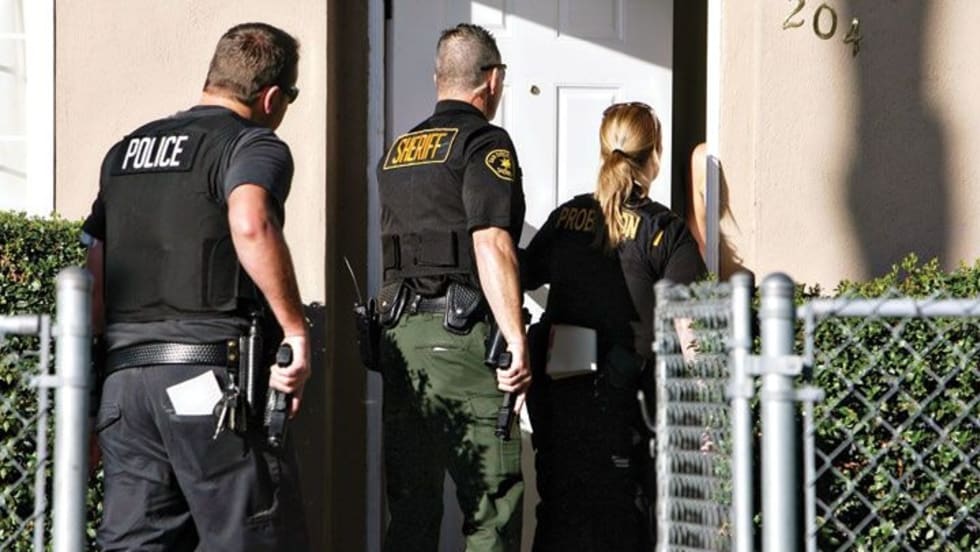
When you take down a drug house, or enter a home to investigate domestic violence, or serve a search warrant at a residence, which of the multiple people that you sometimes encounter would have the legal standing to challenge the lawfulness of your entry and search?
Read More →
The Constitution does not forbid you to talk to a person just because that person has an attorney, or just because the attorney tells you not to do it. Instead, the law focuses on whether the suspect is willing to talk without his or her attorney present.
Read More →
In the usual case, both the seizure and the search must be reasonable under the Fourth Amendment in order for the evidence to be admissible. The U.S. Supreme Court and federal appeals courts have considered both issues when officers have used K-9s to detect contraband.
Read More →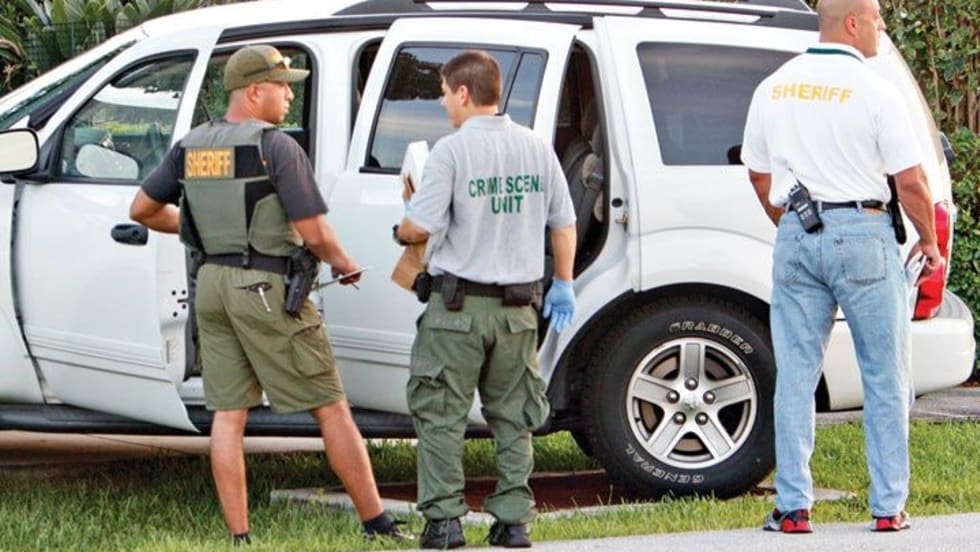
It would be great if there were a single, simple rule to tell you where and when you may lawfully search a vehicle for contraband or evidence. Unfortunately, there are multiple rules, and sometimes more than one of them may apply.
Read More →
Flaws in a warrant that are so obvious you should have recognized them can doom your search and seizure and eliminate the usual "good faith" protection.
Read More →
As a result of these back-to-back rulings from the Supreme Court, neither the federal government nor any city, county, or state may enforce any law that creates a blanket prohibition against the possession of firearms by an individual in the home.
Read More →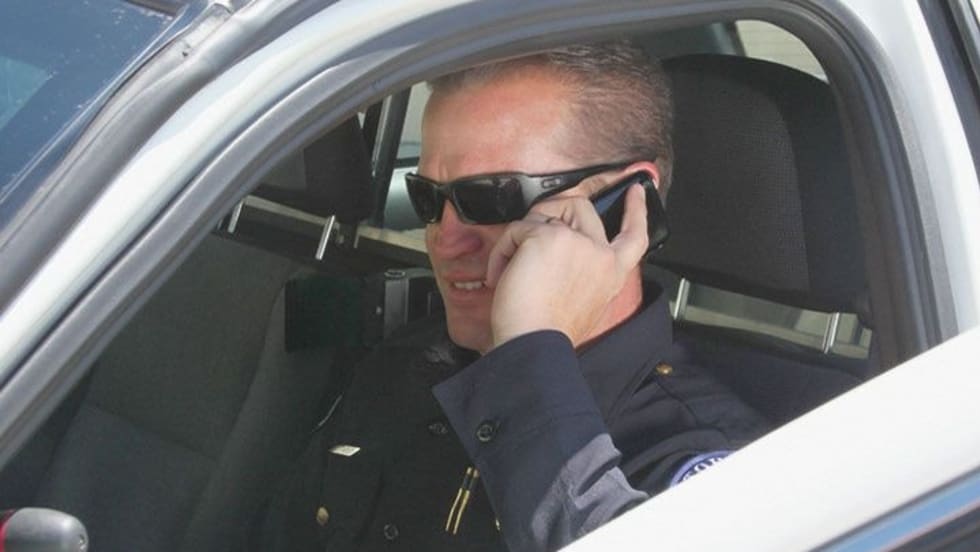
Increasingly, law enforcement agencies issue electronic communication and information equipment to employees for their use in performing official duties. Access to and use and monitoring of the information stored or transmitted by means of such devices may be subject to a variety of employer policies, state and federal statutes, constitutional provisions, and case law.
Read More →