



Avoid Defective Search Warrants
Flaws in a warrant that are so obvious you should have recognized them can doom your search and seizure and eliminate the usual "good faith" protection.

Did you know that even with a search warrant signed by a magistrate, your search and seizure could later be ruled unconstitutional, with a resulting loss of criminal evidence and risk of civil liability?
Search warrants certainly provide the greatest protection against these risks, but flaws in the warrant that are so obvious you should have recognized them can doom your search and seizure and eliminate the usual "good faith" protection.
Bad Warrants and Good Faith
Courts have a "strong preference" that officers conduct searches and seizures under authority of judicial warrants. (U.S. v. Ventresca) This being the case, courts will usually overlook minor errors in an affidavit or warrant and make allowance for insignificant mistakes made during the service of the warrant. The so-called "good-faith" doctrine permits the introduction of evidence and a defense to liability if the officer's conduct was "objectively reasonable" and undertaken in good-faith reliance on the magistrate's prior approval of the search. (U.S. v. Leon)
However, if the warrant application is so lacking in probable cause that a reasonable officer should have known a search warrant based on that affidavit would be invalid, searching officers are not entitled to a good-faith defense. Further, where the warrant fails to describe the premises to be searched or the items to be seized, or is so overbroad on its face that officers should have realized the problem, their good faith in relying on it will not be considered objectively reasonable, causing potential suppression and liability risks. (Malley v. Briggs)
The Problem of "Overbreadth"
The text of the Fourth Amendment imposes a requirement that search warrants "particularly describe" the places to be searched and the property to be seized. This means that a warrant must authorize officers to search only in the specific places described in detail, and to seize only the specific items of enumerated property for which probable cause is set forth in the supporting affidavit. The U.S. Supreme Court describes this rule:
"General warrants, of course, are prohibited by the Fourth Amendment. The problem posed by the general warrant is of a general, exploratory rummaging in a person's belongings. The Fourth Amendment addresses the problem by requiring a 'particular description' of the things to be seized...As to what is to be taken, nothing is left to the discretion of the officer executing the warrant." (Andresen v. Maryland)
"The uniformly applied rule is that a search conducted pursuant to a warrant that fails to conform to the particularity requirement of the Fourth Amendment is unconstitutional." (Massachusetts v. Sheppard)
Particularity Shortcuts
When writing affidavits and proposed search warrants, it's tempting to look for ways to reduce the time and effort necessary to get the warrant issued. Language from a previous warrant and affidavit may be cut and pasted into a new one. As long as the language fits, there's nothing wrong with this shortcut.
The problem is that cutting and pasting can lead to invalid warrants, either because the pasted information is put in the wrong place or because it produces an overbroad warrant not supported by probable cause as to each particular item sought to be seized. Two cases illustrate these dangers.
Groh v. Ramirez
A BATF agent had PC to believe that Jeff Groh had illegal weapons and explosives at his Montana ranch house. The agent prepared an affidavit and a search warrant. The magistrate signed the warrant, apparently not reading it any more carefully than the agent had.
The face of the warrant described the place to be searched with great particularity, but in the space where the property to be seized was supposed to have been listed, the agent had apparently pasted the description of the premises. As a result, the warrant did not authorize the seizure of any guns or explosives, but instead purported to authorize the seizure of "a single dwelling residence, two-story in height, blue in color, and has two additions attached to the east."
Relying on this warrant, BATF and local officers entered and searched the Groh home. They were later sued for violating Groh's Fourth Amendment right against unreasonable search. The Supreme Court upheld liability against the agent who obtained the warrant and led the search. The court said this:
"The warrant is plainly invalid. On the requirement of particularity, the warrant failed altogether. The Fourth Amendment requires particularity in the warrant. A warrant that fails to conform to the particularity requirement of the Fourth Amendment is unconstitutional. The warrant was deficient in particularity because it provided no description of the type of evidence sought." (Groh v. Ramirez)
Millender v. County of Los Angeles
Sheriff's deputies investigating a domestic violence assault were told by the victim that the suspect had shot at her with a black sawed-off shotgun with a pistol grip. After learning that the suspect was a known gang member, the deputies applied for and obtained a search warrant for his residence, authorizing them to search for and seize handguns, long guns, ammunition, firearms records, and evidence showing street gang membership. They completed the search, seizing a variety of firearms and other materials. Residents of the home sued for violation of their Fourth Amendment rights, and the federal appeals court upheld their right to sue. The court said that a warrant cannot authorize the seizure of items as to which there is no nexus to criminal activity, and that deputies should have known their warrant was unconstitutionally overbroad:
"There is no dispute that the deputies had probable cause to search for and seize the black sawed-off shotgun with a pistol grip. But the affidavit does not set forth any evidence indicating that the suspect owned or used other firearms, that such firearms were contraband or evidence of a crime, or that such firearms were likely to be present at the residence. Nothing in the warrant or affidavit provides any basis for concluding there was probable cause to search for or seize the generic class of firearms and related materials listed in the search warrant." (Millender v. County of Los Angeles)
It may be that the affiant deputy (author of the warrant) simply cut and pasted generic language from "standard" weapons-related and gang-related affidavits from prior investigations. The court's opinion does not make this clear. But the deputies and their employer are left to face potential civil liability because the warrant sought weapons and other materials for which there was no probable cause set forth in the affidavit.
Plain View?
If you apply for and obtain a properly limited search warrant that authorizes you to search for and seize only the particular items for which you have stated PC, you can still seize other recognizable contraband or evidence you see in plain view while conducting the search. (Horton v. California) The key is to confine your warrant to those specific items for which you demonstrate PC in your affidavit, and preserve the option to make plain-view seizures of other evidentiary items during your search.
Devallis Rutledge is a former police officer and veteran prosecutor who currently serves as Special Counsel to the Los Angeles County District Attorney.
More Patrol
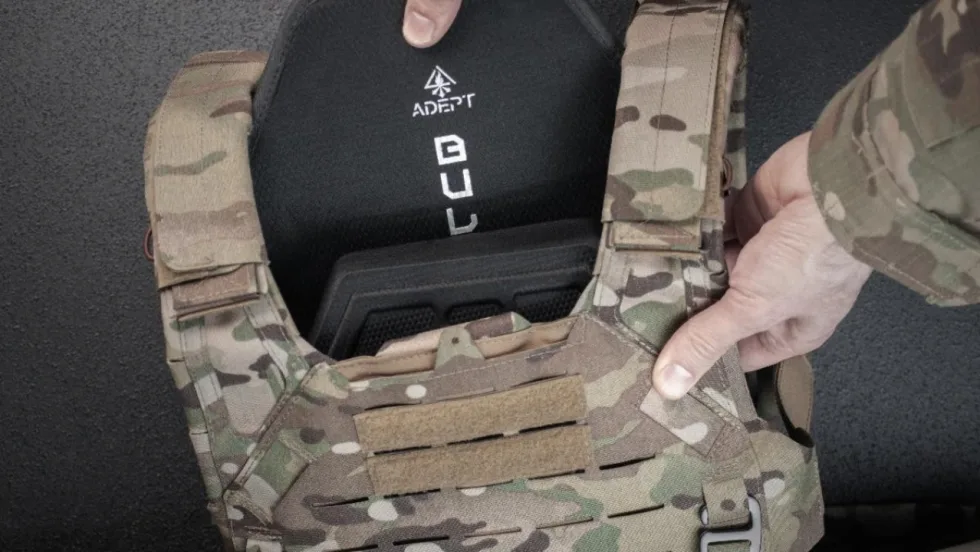
Adept Armor Introduces Two New Rifle Plates
Adept Armor has launched two new Level IV ballistic plates, the Emperor and the Archon Mark 2, which brings Adept Armor’s new Quatroid ceramic to the high-threat, performance-value center of the range at 5.2 pounds.
Read More →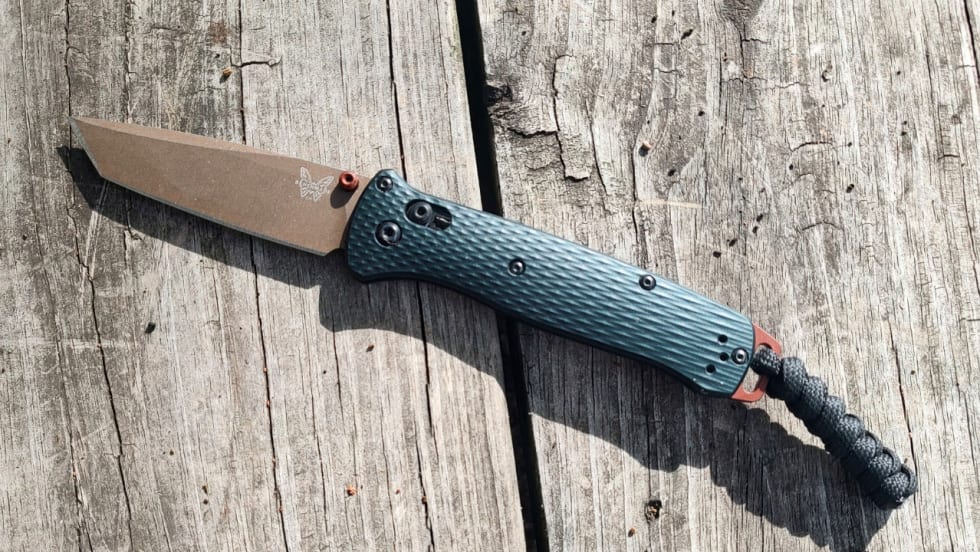
POLICE Product Test: Benchmade Bailout
The Benchmade Bailout is a slim, lightweight carry knife with a deep-ride pocket clip and comes in a variety of blade steels and scales. Here is a detailed review of the Taiga Green Bailout, released earlier this year.
Read More →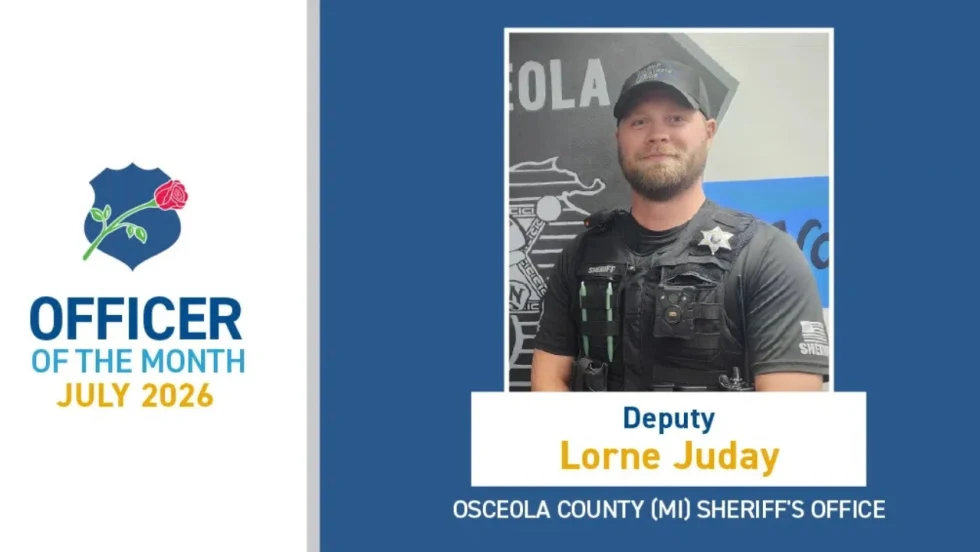
NLEOMF Announces July 2026 Officer of the Month
NLEOMF honored a Michigan deputy sheriff as the July 2026 Officer of the Month for rescuing a trapped driver from a burning vehicle following a Fourth of July crash.
Read More →
Streamlight to Showcase Newest Lighting Products at National Safety Council’s Safety Congress & Expo 2026
Streamlight will showcase its latest lights, including the Portable Scene Light III and the LiteBox 1Million, at the 2026 National Safety Council (NSC) Safety Congress & Expo.
Read More →
The 2027 World Police & Fire Games Set for Perth, Australia
The 2027 World Police & Fire Games (WPFG) will take place in Perth, Western Australia, from Friday, March 12 through Sunday, March 21, 2027.
Read More →
5.11 Partners with National Fallen Firefighters Foundation to Support #ForThe343
5.11 has joined the nationwide movement honoring the 343 New York City Fire Department firefighters lost on Sept. 11, 2001.
Read More →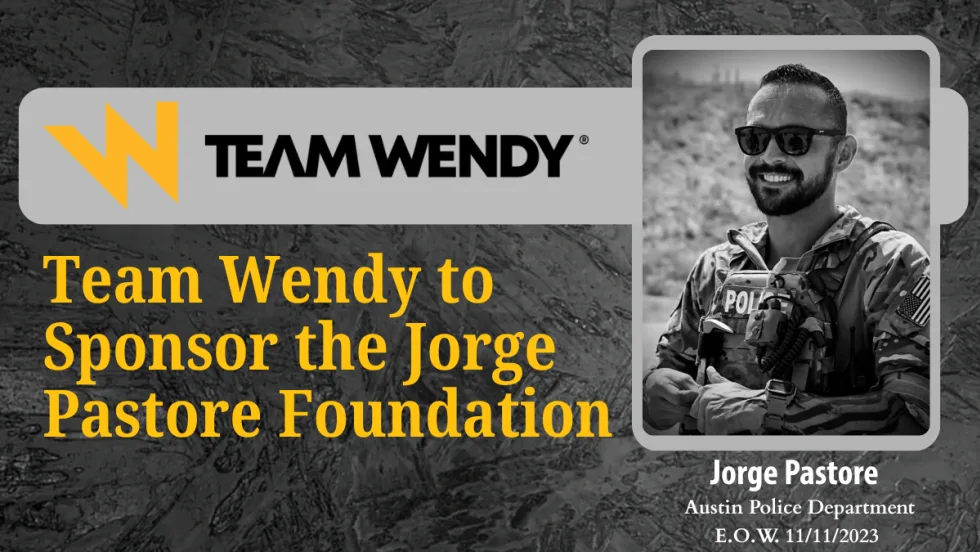
Team Wendy Announces Title Sponsorship of the Jorge Pastore Foundation
Team Wendy’s 3-year partnership with the Jorge Pastore Foundation expands access to programs that strengthen those who serve.
Read More →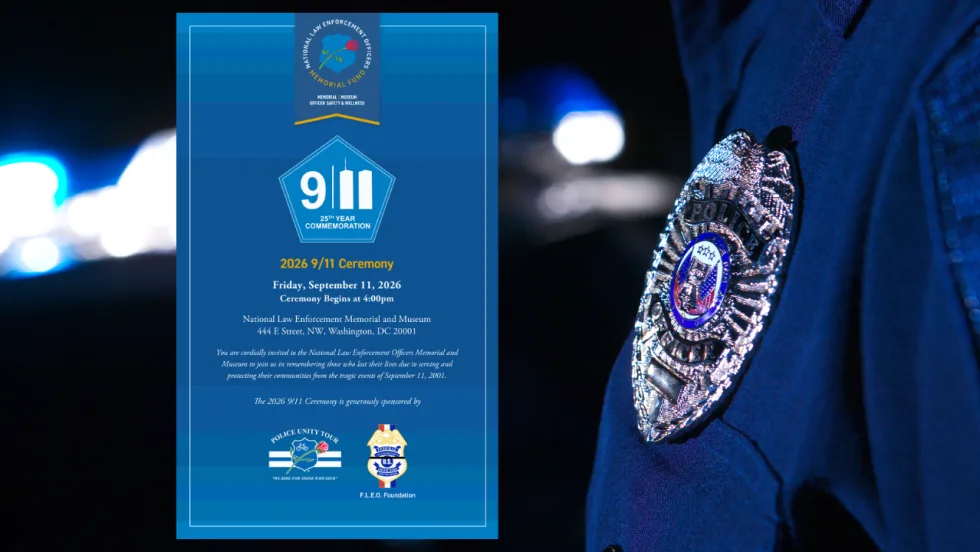
National Law Enforcement Memorial and Museum Hosting 9/11 25th-Year Commemoration Ceremony
The National Law Enforcement Memorial and Museum is hosting a 9/11 25th Year Commemoration Ceremony on Sept. 11 at 4 p.m.
Read More →
National Law Enforcement Officers Memorial Fund Announces June 2026 Officers of the Month
The National Law Enforcement Officers Memorial Fund (NLEOMF) named 15 officers of the Chico Police Department (California) as the Officers of the Month for June 2026 for their roles in responding to an active-shooter incident at a public library.
Read More →
Team Wendy App Creates New Digital Hub for Helmet Owners
The Team Wendy Community App provides one location for warranty registration, size-fit tools, product updates, and community connection. For helmet owners, the new app creates a simpler path to the information and tools that matter most.
Read More →