



Whitepapers

A police agency's guide to data-driven fleet management
Public trust is earned through transparency, and your fleet data can help demonstrate it. This ebook shows how police agencies can use fleet management solutions to strengthen accountability, improve officer safety and responsibly use public funds.
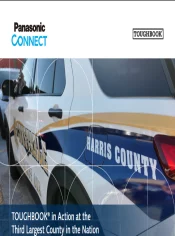
TOUGHBOOK in Action at the Third Largest County in the Nation – Harris County, TX
Learn how Harris County, one of the nation’s largest counties, modernized its law enforcement fleet with TOUGHBOOK® rugged laptops—strengthening security, productivity, and operational readiness across every unit.

AI and analytics for law enforcement: Turning data into insights
Law enforcement agencies are managing more video, sensor data and digital evidence than ever before. Discover how AI and analytics can help turn that data into actionable insights that strengthen situational awareness, accelerate investigations and support more informed decisions.

Special Report: Officer Health & Safety
In this POLICE Special Report: Officer Health & Safety, read more about new innovations in officer safety equipment and safety awareness when responding to electric and alternative-fuel vehicle crashes
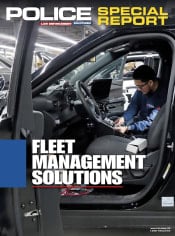
Special Report: Fleet Management Solutions
In this POLICE Special Report: “Fleet Management Solutions” read about some key issues in the maintenance and management of law enforcement vehicles. Learn 15 factors to consider when choosing an upfitter.
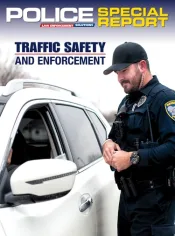
Special Report: Traffic Safety and Enforcement
In this POLICE Special Report: “Traffic Safety and Enforcement” read about how e-citation systems are making traffic stops safer for officers and motorists, how motorists can work with police to report non-injury traffic accidents, how automatic license plate recognition (ALPR) systems can help agencies monitor traffic patterns, and how crash mapping can predict when and where accidents are likely to occur.