
Devallis Rutledge
DA Special Counsel


 MENU
MENU SEARCH
DA Special Counsel

Of the 55 subsequent Supreme Court opinions on Miranda issues, 14 have involved attempts to clarify the meaning of "custody," and in 12 of those 14, the Supreme Court reversed the decisions of state and federal appellate courts, which got it wrong.
Read More →
Police use of technology to catch criminals makes the U.S. Supreme Court nervous, as was evident in the recent Jones decision. In the absence of a recognized basis for a warrantless search, Jones does mean that a warrant must be obtained for installation andmonitoring of a GPS tracker on a suspect's vehicle.
Read More →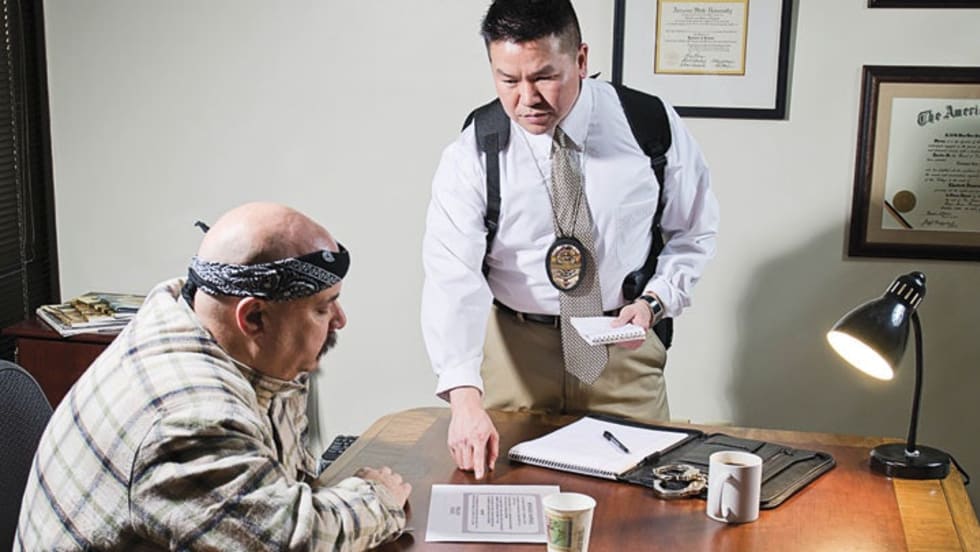
In November, the U.S. Supreme Court issued its 54th decision on a Miranda issue, in a case called Bobby v. Dixon. This is the third decision on the issue of the admissibility of a suspect's statements obtained after a belated warning and waiver.
Read More →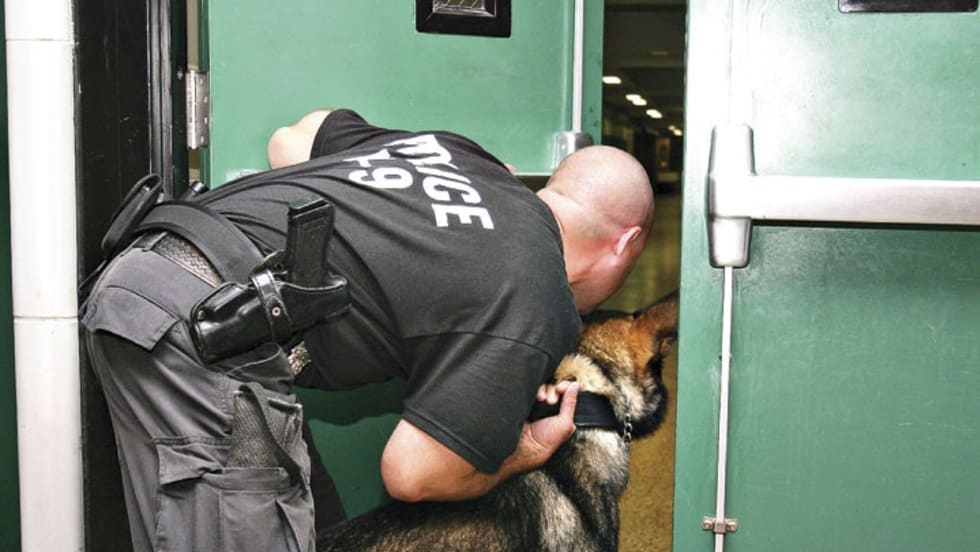
Although some searches and seizures may only be justifiable under a single approach, many can be justified several different ways. The U.S. Supreme Court has long held that when this is the case, any independent source of contested evidence will suffice, even when another does not.
Read More →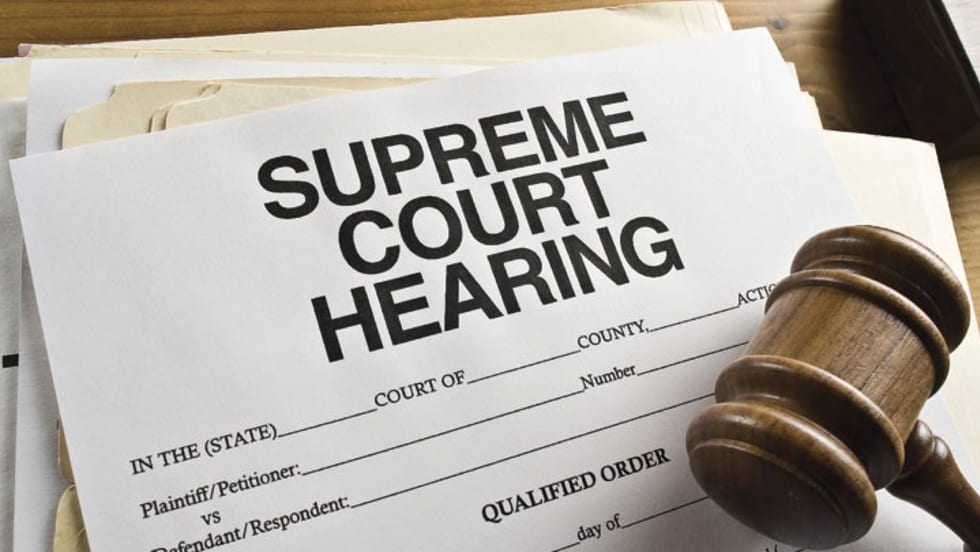
The decade of the 1960s gave us four of the most significant cases that apply to our daily work: Mapp, Brady, Miranda, and Terry. These four are among the most prominent criminal law cases you should know more about to understand how we got to where we are.
Read More →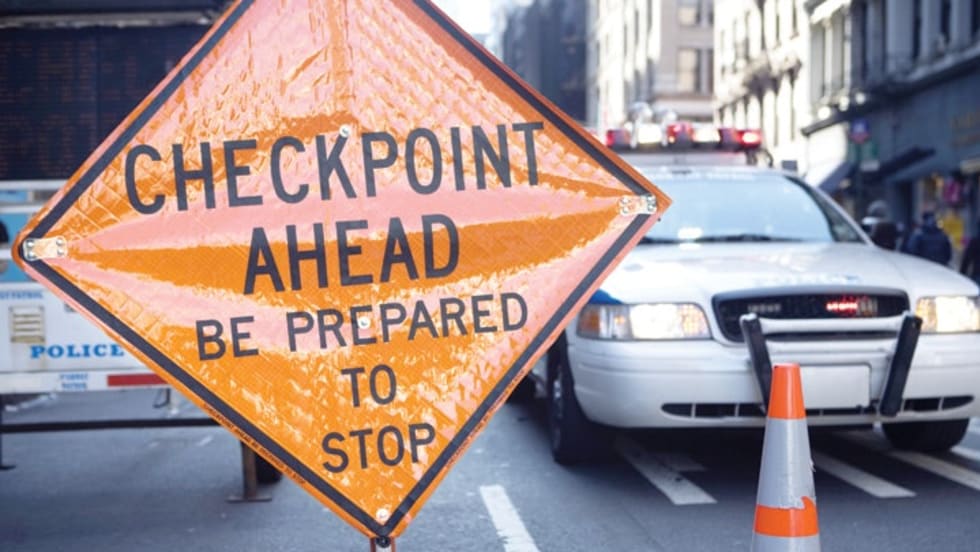
Checkpoint stops are different-multiple vehicles are stopped one after the other, at the same place, without any suspicion beforehand that anyone in particular may be engaged in unlawful activity.
Read More →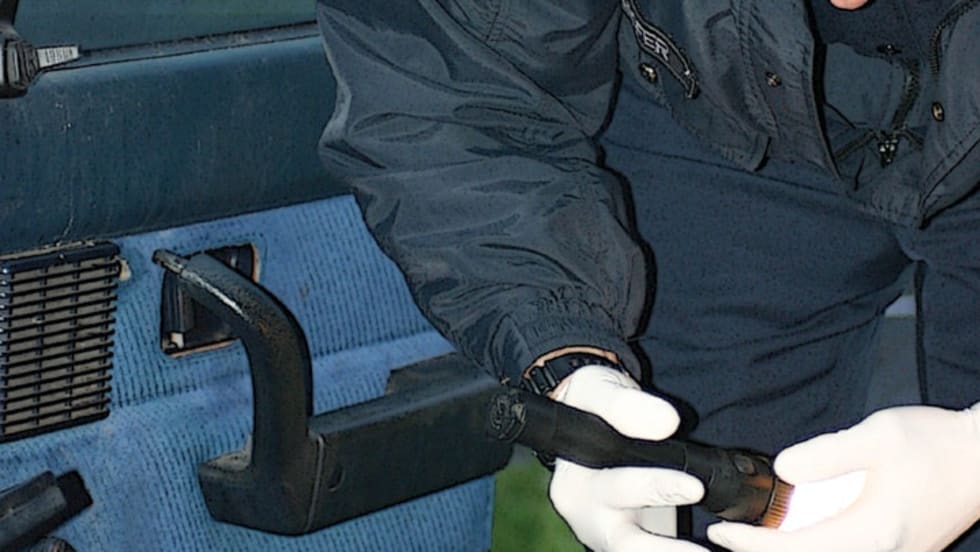
The Fourth Amendment exclusionary rule is not absolute. In a number of decisions, the U.S. Supreme Court has recognized that even where a police officer makes an unreasonable search or seizure, there may be compelling reasons not to exclude resulting evidence.
Read More →
Given the ever-present risks to your survival, it's important for you to know that in numerous decisions, the U.S. Supreme Court has created special rules to allow you to investigate crimes and apprehend suspects without undue restrictions that jeopardize your safety. Being aware of these cases can help you avoid taking chances you don't have to take.
Read More →
In J.D.B. v. North Carolina, the Supreme Court didn't really clarify the issue of Mirandizing juveniles. Until further issues are litigated, officers should consult policy advisers to obtain guidelines for Mirandizing and interrogating juvenile suspects.
Read More →
Warrantless entries are limited to those authorized by consent, probation or parole search conditions, or "exigent circumstances" involving some sort of emergency requiring immediate action. One category of exigency that may justify warrantless entry is the need to prevent the imminent destruction of evidence.
Read More →