



Drawing Lines Around Miranda
In November, the U.S. Supreme Court issued its 54th decision on a Miranda issue, in a case called Bobby v. Dixon. This is the third decision on the issue of the admissibility of a suspect's statements obtained after a belated warning and waiver.

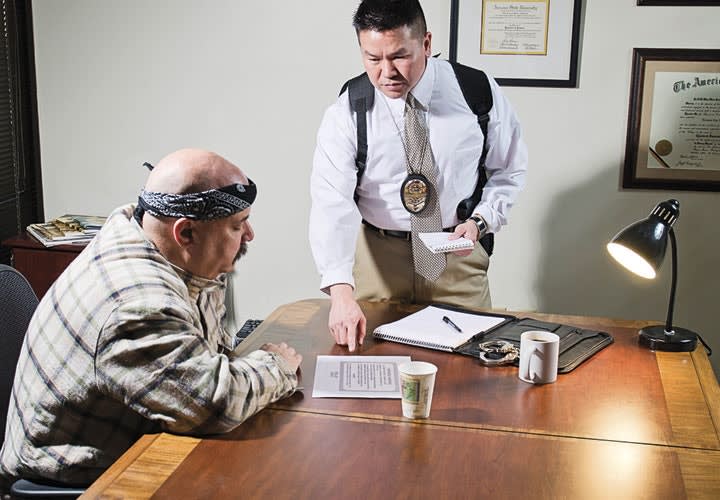
Photo: Mark W. Clark
In November, the U.S. Supreme Court issued its 54th decision on a Miranda issue, in a case called Bobby v. Dixon. This is the third decision on the issue of the admissibility of a suspect's statements obtained after a belated warning and waiver. All three decisions have to be understood to provide a complete picture of the issue and to see exactly where the court has drawn the line at your being able to follow initial unMirandized custodial interrogation with a warning and waiver and obtain an admissible statement.
Oregon v. Elstad (1985)
Sheriff's deputies in Polk County, Oregon, served an arrest warrant on Michael Elstad for residential burglary. When Elstad was arrested in his home, a deputy asked him if he knew why he was being arrested and whether he knew the victim. The deputy then asserted that he knew Elstad was involved in the crime. Elstad said, "Yes, I was there." This brief custodial interrogation occurred without Miranda warnings.
An hour later at the station, Elstad was Mirandized. He waived and made a written confession, which was admitted against him at trial. The state appellate court reversed Elstad's conviction, believing that the unwarned custodial interrogation invalidated the subsequent waiver.
On the state's appeal, the U.S. Supreme Court reversed. The court ruled that although the unwarned statements Elstad initially made had to be suppressed, his statements given after he received Miranda warnings were admissible against him. Said the court, "In these circumstances, a careful and thorough administration of Miranda warnings serves to cure the condition that rendered the unwarned statement inadmissible." (Oregon v. Elstad)
Missouri v. Seibert (2004)
Patrice Seibert was arrested for murder. At the police station, officers relied on their training to employ a "question-first" or "two-step" strategy. In the first step, they interrogated Seibert for 30 to 40 minutes without Miranda warnings. She made several incriminating statements. In the second step, police gave her a 20-minute break before resuming interrogation, this time beginning with a Miranda warning. The same officer repeated his earlier interrogation, sometimes reminding a balking Seibert about specific admissions she had already made during her earlier interrogation. She eventually reaffirmed her pre-warning admissions. The post-warning statements were used against Seibert at trial, and she was convicted of murder.
The Missouri Supreme Court reversed the conviction and ruled that Seibert's statements were not admissible under Elstad, because the pre-warning interrogation was too lengthy and detailed, and because the statements Seibert made before receiving warnings were exploited by officers during the post-warning interrogation in order to get Seibert to repeat them. The state appealed to the U.S. Supreme Court, which affirmed the reversal and suppression order.
In the controlling opinion of the fractured court (the vote was 4-1-4), Justice Kennedy agreed with four justices that Elstad did not apply to the facts in Seibert. His decision stressed that Elstad would continue to be the law as to situations where custodial interrogation preceded a warning and waiver, unless it appeared that officers had deliberately employed the "two-step" technique as a way to undermine the effectiveness of the "mid-stream" warning.
"Elstad was correct in its reasoning and its result," wrote Justice Kennedy. "It would be extravagant to treat the presence of one statement that cannot be admitted under Miranda as sufficient reason to prohibit subsequent statements preceded by a proper warning. The admissibility of post-warning statements should continue to be governed by the principles of Elstad unless the deliberate two-step strategy was employed." (Missouri v. Seibert)
If an officer deliberately omits a Miranda warning when first attempting custodial interrogation, will the Seibert rule preclude obtaining an admissible statement after warnings are later given? The Supreme Court considered this issue in a more recent opinion.
Bobby v. Dixon (2011)
In Toledo, Ohio, Archie Dixon and an accomplice wanted to steal Chris Hammer's car, so they tied him up and buried him alive. Dixon later forged Hammer's signature to sell the car and to cash the check he received from the sale. During the early stages of the police investigation, an officer sought to talk to Dixon (who had not yet been arrested) at a chance encounter at the police station, but Dixon said he had nothing to say without his lawyer, and he left the station.
Five days later, police arrested Dixon on a forgery charge. Knowing about his earlier reference to an attorney, officers decided not to Mirandize him before interrogating. During a 45-minute session, Dixon admitted forging Hammer's signature but denied knowing anything about Hammer's disappearance. Dixon was then booked into jail on the forgery charge.
About four hours later, police had Dixon brought back to the police station. Dixon said he had spoken to his lawyer and now wanted to talk. Officers gave a Miranda warning. Dixon waived and eventually gave a murder confession, which was used at trial to convict him. He appealed his conviction and death sentence to the Ohio Supreme Court, arguing that because the detective had deliberately withheld Miranda warnings at the first custodial interrogation session, the subsequent waiver was invalid under Seibert and his confession should not have been admitted at trial. The Ohio Supreme Court ruled that the case was governed by Elstad, rather than Seibert, since there was no evidence of a deliberate "two-step" strategy.
Dixon next filed a petition in federal court for release on a writ of habeas corpus. The district court denied the writ, but on Dixon's further appeal, the U.S. Court of Appeals for the Sixth Circuit reversed and granted the writ, ruling that the Miranda waiver was invalidated by the "intentional Miranda violation." The state then appealed to the U.S. Supreme Court.
The Supreme Court unanimously reversed the Sixth Circuit and held the confession admissible. The court pointed out that unlike Seibert, Dixon was not subjected to a continuous interrogation, had denied knowledge of the murder during the unMirandized questioning, had a four-hour break and a change in locations, and agreed to talk to detectives after speaking with his attorney.
The court said this: "Dixon received Miranda warnings before confessing; the effectiveness of those warnings was not undermined by the sort of 'two-step interrogation technique' condemned in Seibert; and there is no evidence that any of Dixon's statements was the product of actual coercion." The confession was therefore admissible under Elstad.
Where Are We Now?
This much seems safe to say: If initial custodial interrogation occurs without Miranda warnings-and even if that's intentional on the part of interrogating officers—a subsequent warning and waiver will allow an admissible statement to be taken, provided there's no evidence officers were using a "two-step" plan. To help ensure that statements fall within Elstad and Dixon, instead of Seibert, it would be best to try to follow these steps:
1. Keep unwarned interrogation, if any, brief.
2. If possible, change location and identity of interrogating officers.
3. Allow the suspect a break of an hour or more between sessions.
4. Give a warning before resuming interrogation.
5. Do not use the suspect's unwarned statements to get him to confess.
6. Avoid mistreatment, threats, and promises of leniency.
Devallis Rutledge is a former police officer and veteran prosecutor who currently serves as special counsel to the Los Angeles County district attorney. He is the author of numerous books, including his latest, "Criminal Evidence."
More Patrol
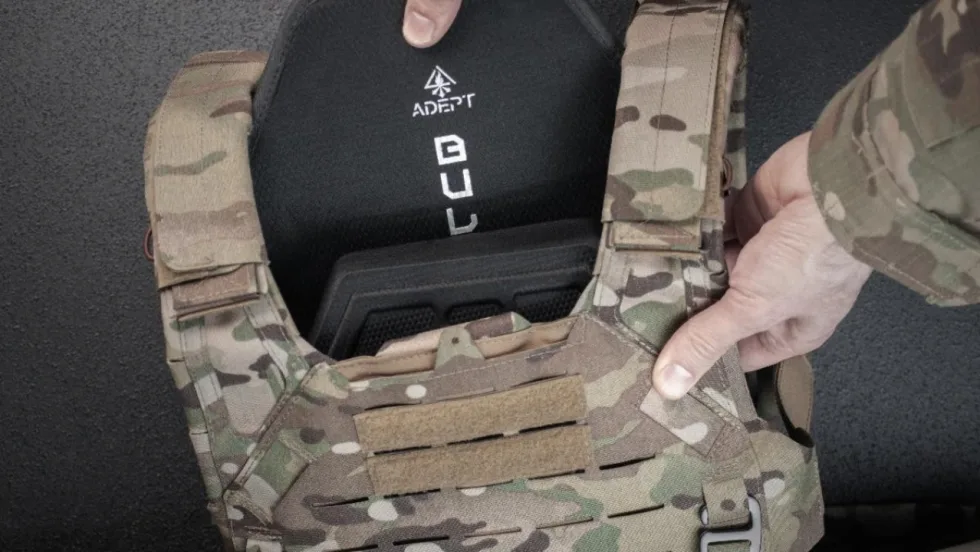
Adept Armor Introduces Two New Rifle Plates
Adept Armor has launched two new Level IV ballistic plates, the Emperor and the Archon Mark 2, which brings Adept Armor’s new Quatroid ceramic to the high-threat, performance-value center of the range at 5.2 pounds.
Read More →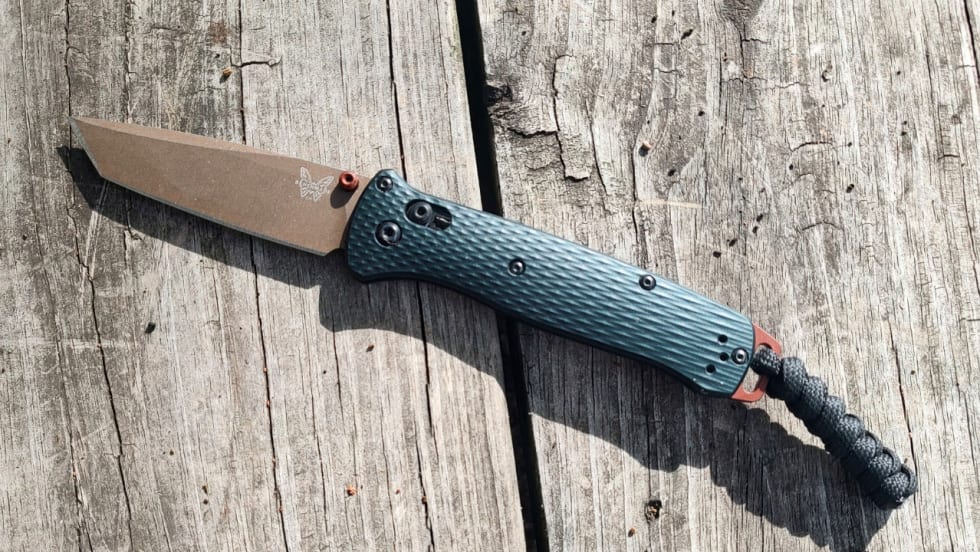
POLICE Product Test: Benchmade Bailout
The Benchmade Bailout is a slim, lightweight carry knife with a deep-ride pocket clip and comes in a variety of blade steels and scales. Here is a detailed review of the Taiga Green Bailout, released earlier this year.
Read More →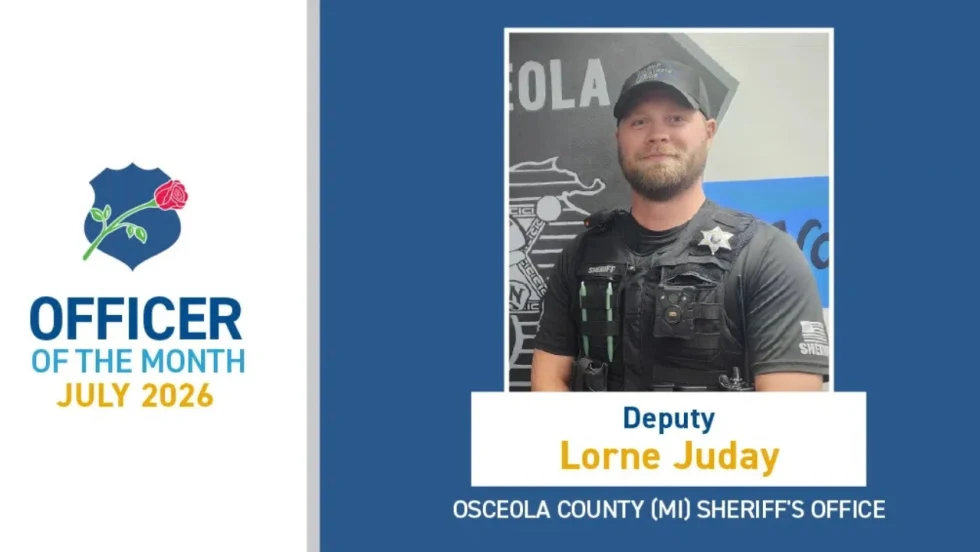
NLEOMF Announces July 2026 Officer of the Month
NLEOMF honored a Michigan deputy sheriff as the July 2026 Officer of the Month for rescuing a trapped driver from a burning vehicle following a Fourth of July crash.
Read More →
Streamlight to Showcase Newest Lighting Products at National Safety Council’s Safety Congress & Expo 2026
Streamlight will showcase its latest lights, including the Portable Scene Light III and the LiteBox 1Million, at the 2026 National Safety Council (NSC) Safety Congress & Expo.
Read More →
The 2027 World Police & Fire Games Set for Perth, Australia
The 2027 World Police & Fire Games (WPFG) will take place in Perth, Western Australia, from Friday, March 12 through Sunday, March 21, 2027.
Read More →
5.11 Partners with National Fallen Firefighters Foundation to Support #ForThe343
5.11 has joined the nationwide movement honoring the 343 New York City Fire Department firefighters lost on Sept. 11, 2001.
Read More →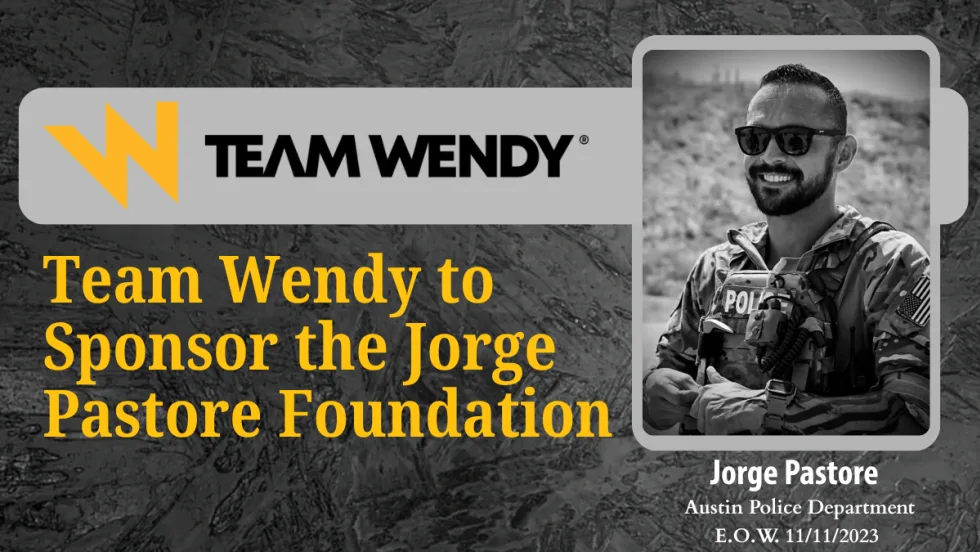
Team Wendy Announces Title Sponsorship of the Jorge Pastore Foundation
Team Wendy’s 3-year partnership with the Jorge Pastore Foundation expands access to programs that strengthen those who serve.
Read More →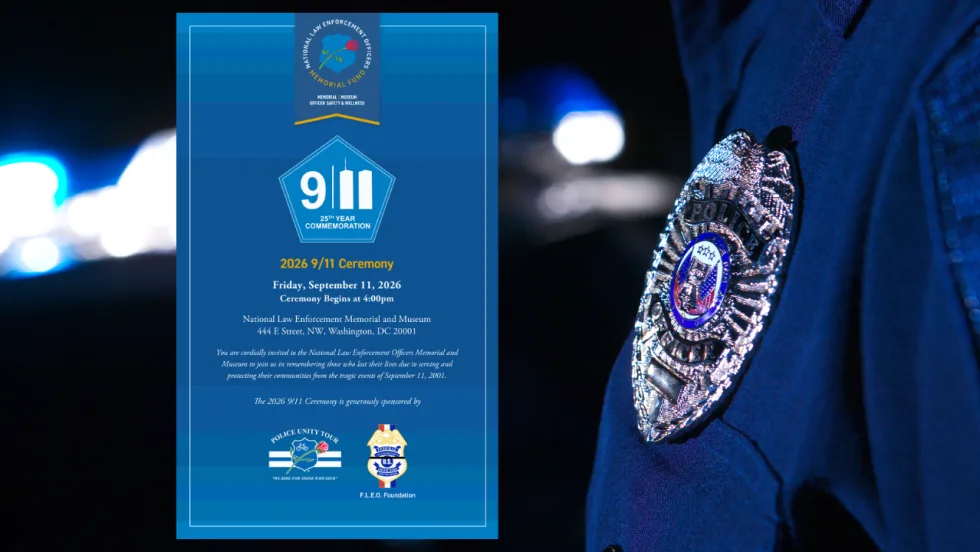
National Law Enforcement Memorial and Museum Hosting 9/11 25th-Year Commemoration Ceremony
The National Law Enforcement Memorial and Museum is hosting a 9/11 25th Year Commemoration Ceremony on Sept. 11 at 4 p.m.
Read More →
National Law Enforcement Officers Memorial Fund Announces June 2026 Officers of the Month
The National Law Enforcement Officers Memorial Fund (NLEOMF) named 15 officers of the Chico Police Department (California) as the Officers of the Month for June 2026 for their roles in responding to an active-shooter incident at a public library.
Read More →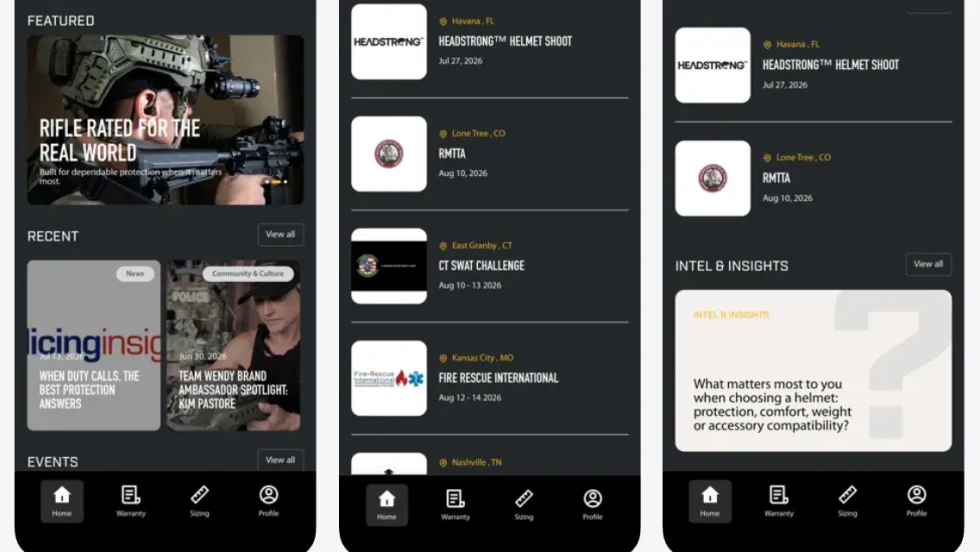
Team Wendy App Creates New Digital Hub for Helmet Owners
The Team Wendy Community App provides one location for warranty registration, size-fit tools, product updates, and community connection. For helmet owners, the new app creates a simpler path to the information and tools that matter most.
Read More →