



Learn More: 5 Things to Know When Buying Patrol Lights
5 Things to Know When Buying Backup Lights for Patrol Use
What is the value of a backup light, and what do you need to consider when selecting one? These smaller lights are invaluable as a secondary or special-purpose light and can be easily carried in a pocket or clipped to MOLLE gear, a key chain, shirt, or a vest.
by Streamlight
May 21, 2026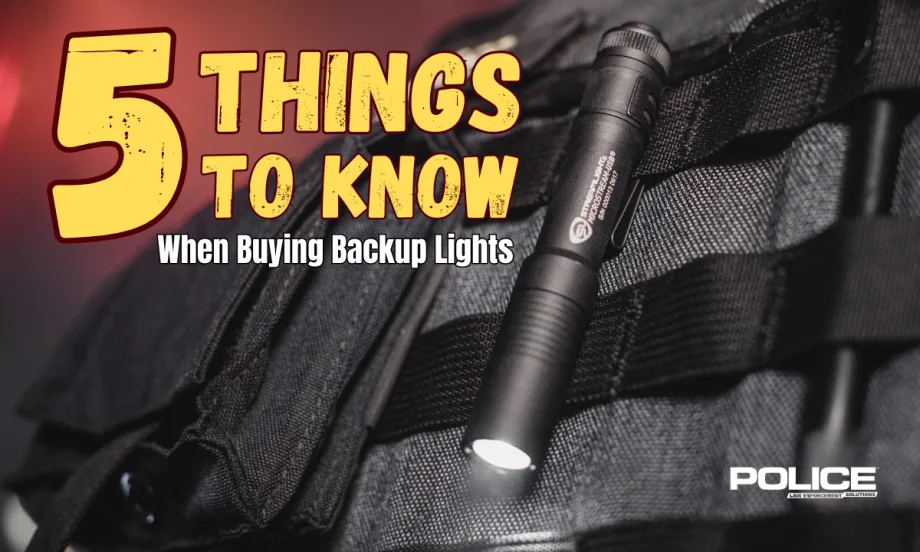
Smaller backup lights, like the Streamlight Microstream, are easy to carry on duty and provide extra illumination to supplement a duty light.
Credit:
Streamlight/POLICE
4 min to read
- Backup lights serve as crucial secondary or specialized illumination tools for patrol use.
- They offer versatility by being compact enough to fit in a pocket or attach to various gear.
- Selection considerations include portability options such as attachment to MOLLE gear, a key chain, shirt, or vest.
*Summarized by AI
Just as essential as a main duty flashlight is to policing, no officer should ever be without a secondary, backup or special application light while on patrol.
Smaller, lighter, and more compact than patrol lights, these backup or special application lights are designed to be carried in a pocket, or clipped to MOLLE gear, a key chain, shirt, or vest. But don’t be fooled by their size – many smaller lights offer amazing brightness, multiple lighting modes and powerful features, making them an ideal as a backup tool or for a special application, according to Brett Marquardt, a regional sales manager in Streamlight’s Law Enforcement division.
Key uses of backup or secondary lights by police officers include:
Close-up work such as reading a driver’s license or map (unlike larger tactical lights, smaller lights produce less glare and help you maintain night vision.)
- Keeping you safe by providing only enough light that is needed.
- Providing added visibility when used in tandem with a main duty light, leading to increased officer safety.
- Not leaving you in the dark should your main duty light fail.
“While selecting a backup or secondary light, the most critical questions are: what is the application going to be for this light? Is it to be a backup for a primary duty light, used to search vehicles and smaller spaces, increasing visibility, giving you hands-free lighting capability, or signaling to others your location,” Marquardt explained.
Other considerations include how the light is going to be carried and accessed. Will it always be in a pocket, holster, or carried on an external vest? Is it always to be attached to a collar or shoulder area, visible to others?
While your choice is first and foremost a matter of personal preference, here are five things to look for when considering the ideal backup light for your needs:
1. How to Carry
Are you looking for a pocket light, a holstered light, or one that can be hooked to a pack or gear strap? Whatever your choice, it’s important that it's easily accessible so you can use it quickly.
The light needs to be comfortable and secure, and you need to be able to easily reach its power switch to operate it quickly and flawlessly. Any light is worthless if it falls off your gear or if you are constantly fumbling with it.
2. How Bright
The lumen output of pocket carry lights can range from 250 to more than 1,500 lumens on high. But the highest lumen output may not always be the best choice.
You should choose a light that provides a good balance of output, run time, and size for the application you are trying to fill with the light. A higher output, more focused beam might be better for all-around use, while a wider flood beam pattern could be to your advantage for working up close.
3. What Power Source
Advancements in battery technology have resulted in smaller batteries that can run longer. Most higher output, high-quality lights are powered by a lithium battery (rechargeable or disposable), which offers exceptional performance, run times, and overall capacity, while slightly higher in cost than traditional alkaline-type batteries.
One of the biggest trends in flashlight technology is USB-rechargeable products, giving law enforcement professionals the ability to charge on-the-go from most any USB power source.
4. What Kind of Switch
Is it a rear tail cap button, side button, or side roller switch? All will work, but think about all the potential uses of the light and how quickly you may need to access the light’s features.
For example, if it is going to be used with a firearm, what grip are you most comfortable using, and does the light’s design fit that shooting style? You should practice the technique you are going to use until it is second nature.
If it is for hands-free use, make sure the mounting location is easily accessible so you don’t lose focus on what is at hand.
5. What Programs and Features
Secondary lights may have multiple brightness levels. Some models also enable you to change pre-set programs to suit your individual needs (for example, instead of the factory default of High/Strobe/Low, you can reprogram the light to High only or Low/High).
Color LEDs such as red or blue could give you more visibility in traffic and also help others to locate you quickly. A flashing feature or strobing could also be a big advantage for this application.
“Don’t let all the button taps and programs overwhelm you,” Marquardt added. “Practice with them, as you will need the light to be deployed quickly and function easily when under stress.”
Topics:Patrol
Subscribe to our newsletter
More Patrol
Adept Armor Introduces Two New Rifle Plates
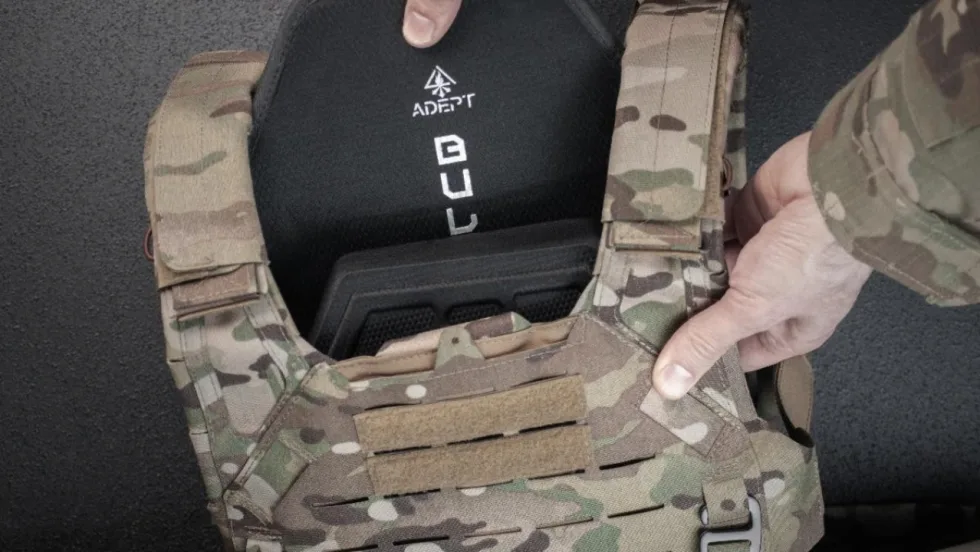
Adept Armor has launched two new Level IV ballistic plates, the Emperor and the Archon Mark 2, which brings Adept Armor’s new Quatroid ceramic to the high-threat, performance-value center of the range at 5.2 pounds.
Read More →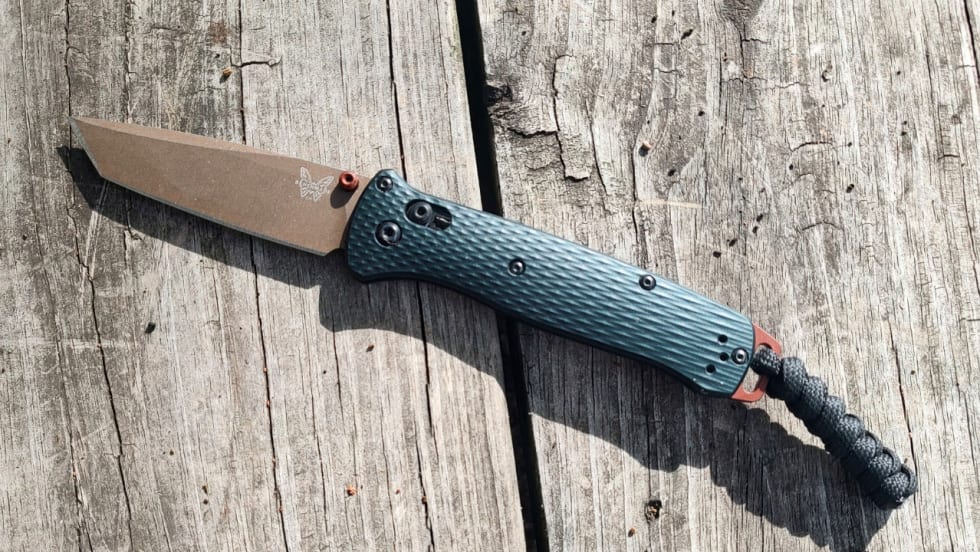
POLICE Product Test: Benchmade Bailout
The Benchmade Bailout is a slim, lightweight carry knife with a deep-ride pocket clip and comes in a variety of blade steels and scales. Here is a detailed review of the Taiga Green Bailout, released earlier this year.
Read More →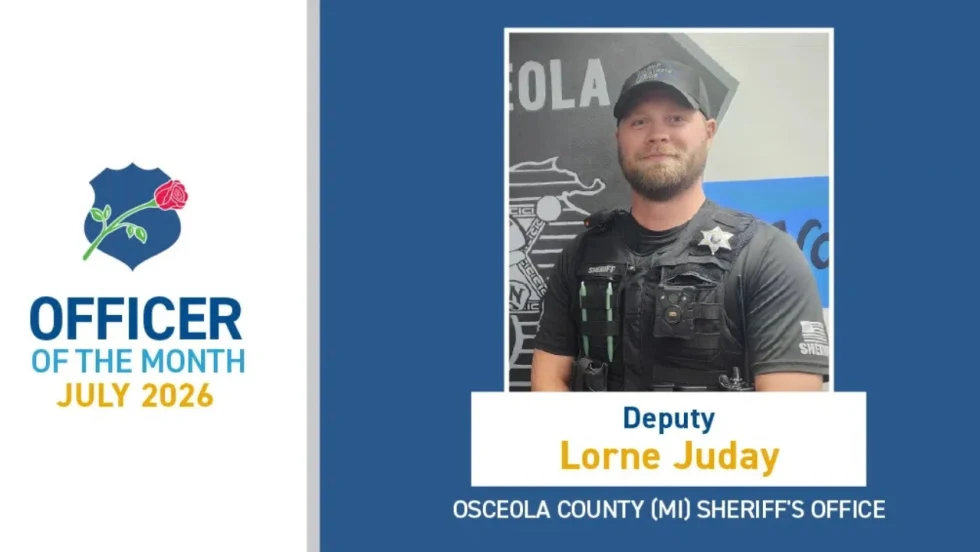
NLEOMF Announces July 2026 Officer of the Month
NLEOMF honored a Michigan deputy sheriff as the July 2026 Officer of the Month for rescuing a trapped driver from a burning vehicle following a Fourth of July crash.
Read More →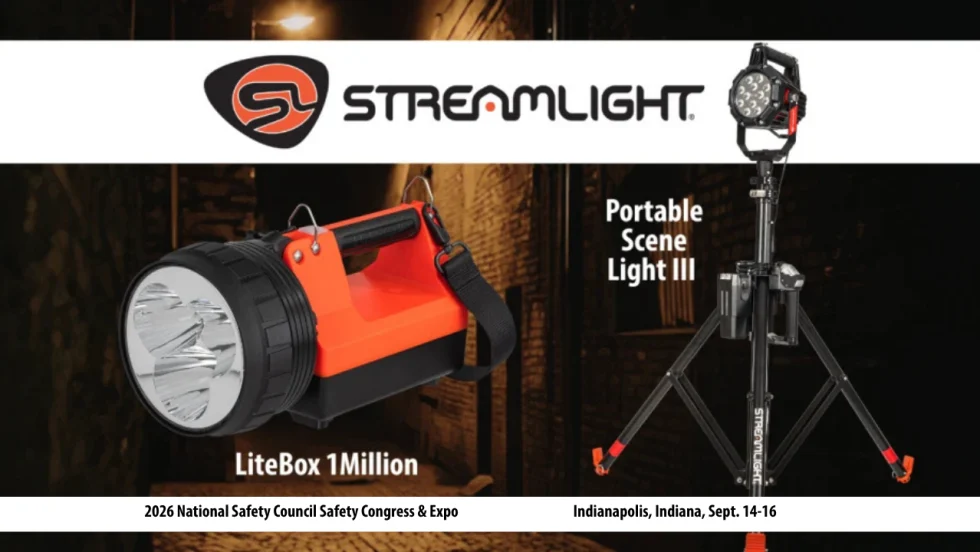
Streamlight to Showcase Newest Lighting Products at National Safety Council’s Safety Congress & Expo 2026
Streamlight will showcase its latest lights, including the Portable Scene Light III and the LiteBox 1Million, at the 2026 National Safety Council (NSC) Safety Congress & Expo.
Read More →
The 2027 World Police & Fire Games Set for Perth, Australia
The 2027 World Police & Fire Games (WPFG) will take place in Perth, Western Australia, from Friday, March 12 through Sunday, March 21, 2027.
Read More →
5.11 Partners with National Fallen Firefighters Foundation to Support #ForThe343
5.11 has joined the nationwide movement honoring the 343 New York City Fire Department firefighters lost on Sept. 11, 2001.
Read More →
Team Wendy Announces Title Sponsorship of the Jorge Pastore Foundation
Team Wendy’s 3-year partnership with the Jorge Pastore Foundation expands access to programs that strengthen those who serve.
Read More →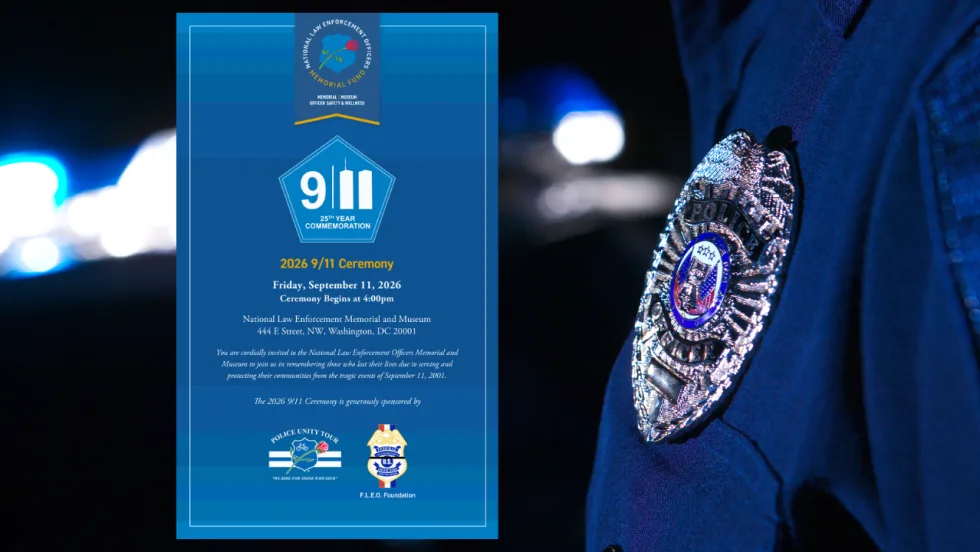
National Law Enforcement Memorial and Museum Hosting 9/11 25th-Year Commemoration Ceremony
The National Law Enforcement Memorial and Museum is hosting a 9/11 25th Year Commemoration Ceremony on Sept. 11 at 4 p.m.
Read More →
National Law Enforcement Officers Memorial Fund Announces June 2026 Officers of the Month
The National Law Enforcement Officers Memorial Fund (NLEOMF) named 15 officers of the Chico Police Department (California) as the Officers of the Month for June 2026 for their roles in responding to an active-shooter incident at a public library.
Read More →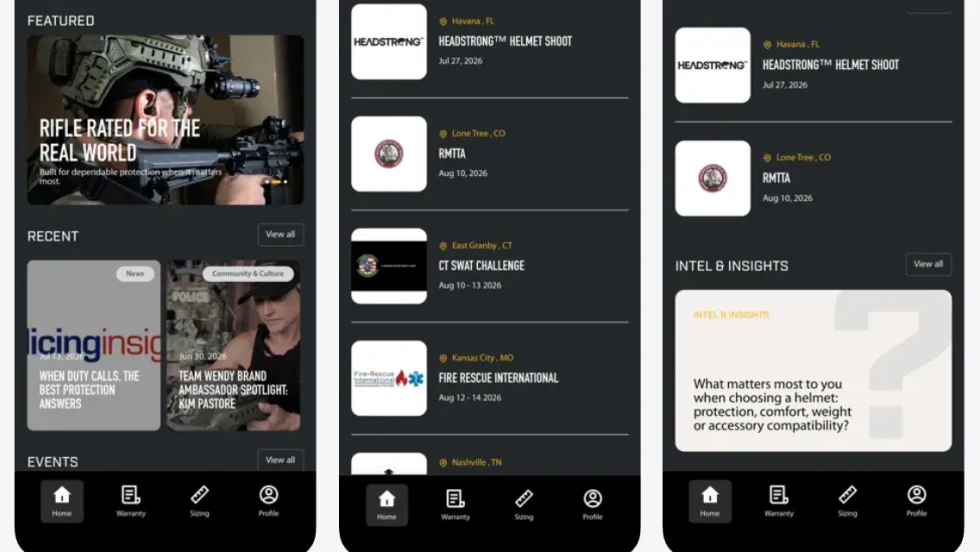
Team Wendy App Creates New Digital Hub for Helmet Owners
The Team Wendy Community App provides one location for warranty registration, size-fit tools, product updates, and community connection. For helmet owners, the new app creates a simpler path to the information and tools that matter most.
Read More →