
Devallis Rutledge
DA Special Counsel


 MENU
MENU SEARCH
DA Special Counsel

Once a custodial suspect has been given Miranda warnings and has acknowledged his understanding, he might waive his rights and submit to questioning, or he might invoke—either by indicating that he doesn't want to talk, or by requesting counsel.
Read More →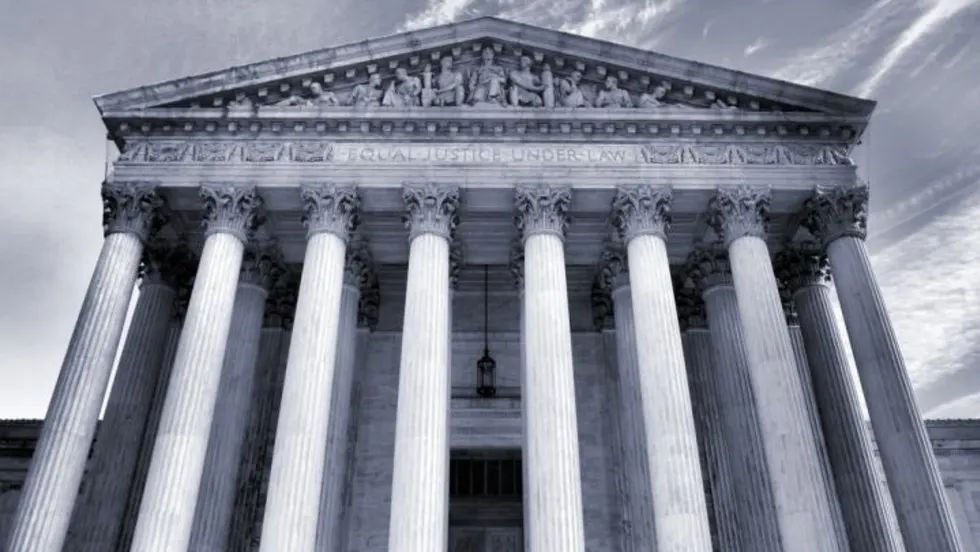
What is the likely consequence of the re-election of Barack Obama with respect to judicial appointments, as they bear on law enforcement and public safety issues? In our business, we're trained to look for the clues. There are plenty of those to examine.
Read More →
As previous "Point of Law" articles have discussed, there are four—and only four—legal justifications for entering private premises. For several reasons, the preferred authority for entry is a judicial warrant.
Read More →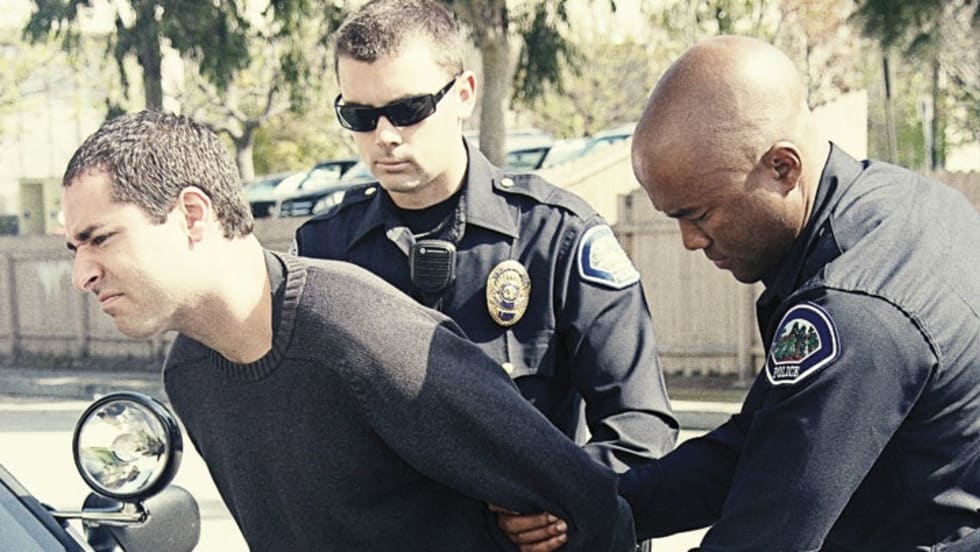
When the government, in an attempt to get information, "trespasses" on any of the items specifically listed in the Fourth Amendment ("persons, houses, papers and effects"), this constitutes a "search," whether or not there is any infringement of a suspect's legitimate expectation of privacy.
Read More →
As private citizens, reporters are not bound by the Fourth Amendment. You are. Private citizens generally can't be sued for violating someone's Fourth Amendment rights. You can. Read on.
Read More →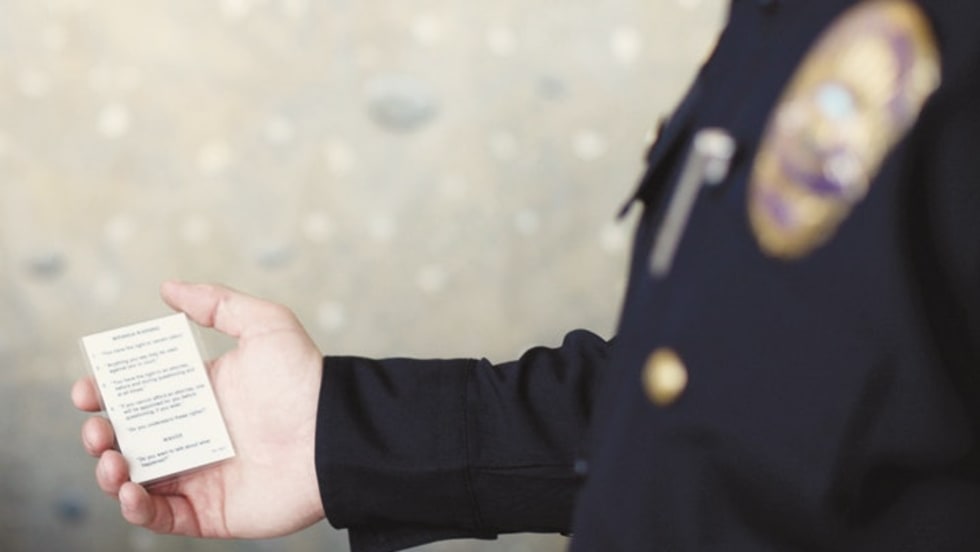
It sometimes happens that a suspect's lawyer offers to surrender him for arrest and agrees to let his or her client be questioned, provided the lawyer is present during the interrogation.
Read More →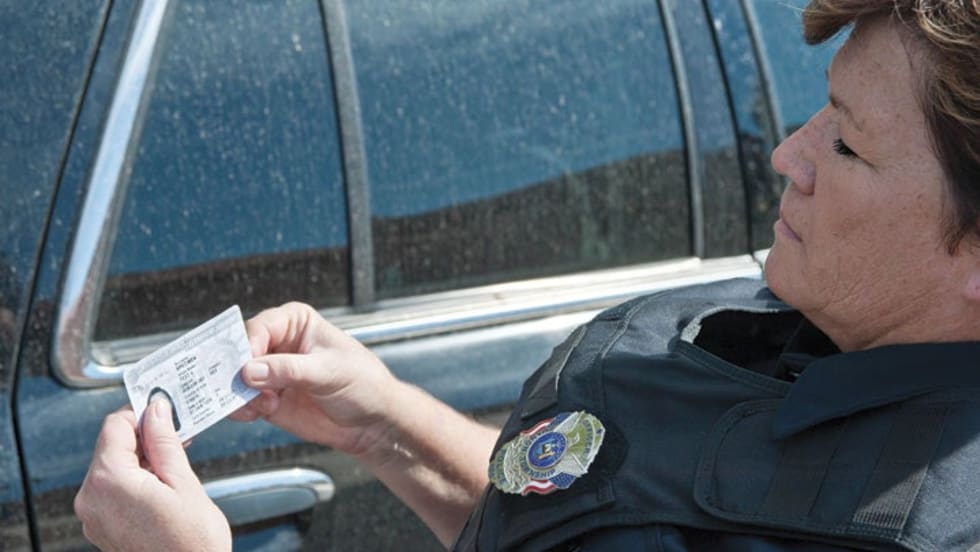
Under what circumstances is it permissible to inquire into a person's immigration status? The Supreme Court has addressed this question in several opinions, most recently in its 2012 decision reviewing Arizona's immigration statutes.
Read More →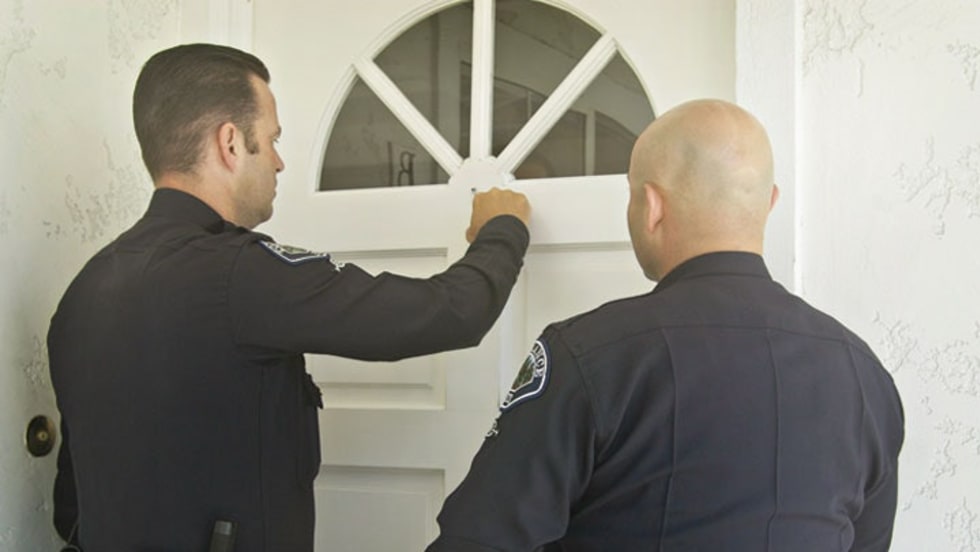
If you articulate circumstances that are suspicious, based on your training and experience, you should not be second-guessed by judges on the ground that the conduct you considered was just a combination of innocent acts.
Read More →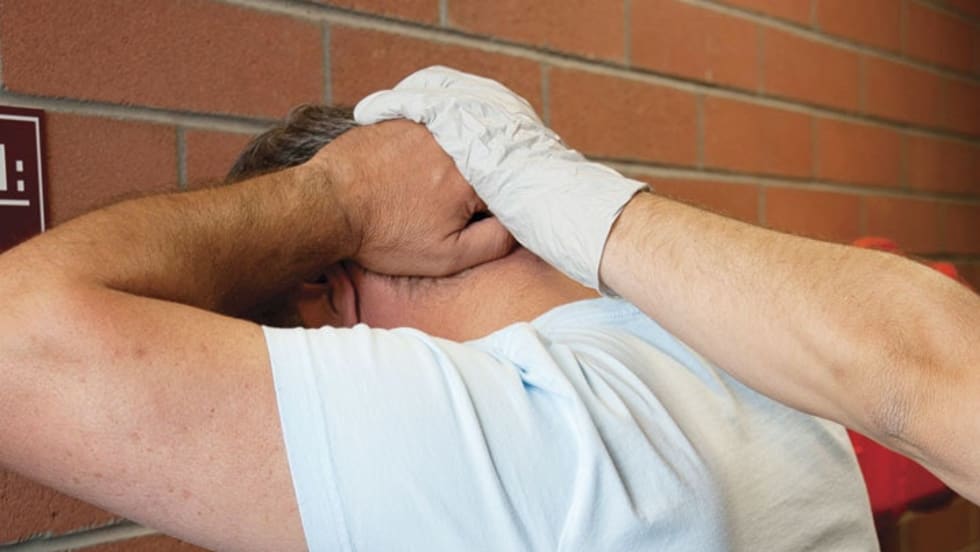
After issuing a series of decisions over the years that have been mostly deferential to custodial officials in managing their secure facilities, the U.S. Supreme Court has issued a new ruling on the constitutionality of visual strip searches of minor-offense arrestees.
Read More →
Identifying the perpetrator and clearing innocent suspects are crucial goals of every criminal investigation, and both depend on the use of reliable evidence. The Supreme Court has applied a constitutional due process test to the admissibility of testimony about an eyewitness's pretrial ID.
Read More →