



Second Amendment v. Gun Control
As a result of these back-to-back rulings from the Supreme Court, neither the federal government nor any city, county, or state may enforce any law that creates a blanket prohibition against the possession of firearms by an individual in the home.


The Second Amendment says this: "A well-regulated militia, being necessary to the security of a free state, the right of the people to keep and bear arms, shall not be infringed." Does this mean that only members of a militia have a right to keep and bear arms, or do individuals also have this right? Does the Second Amendment apply only to the federal government, or also to states, counties, and cities?
Twice in two years, the U.S. Supreme Court decided cases that presented issues of the power of governments to limit the individual possession of firearms. The first of these cases arose in a federal jurisdiction (the District of Columbia); the second concerned ordinances adopted by a city. In both cases, the court held that the Second Amendment does not allow the blanket prohibitions against individual possession of handguns contained in the local laws.
District of Colombia V. Heller
Dick Heller,a DC special police officer, carried a handgun while on duty at a federal facility, but he was not authorized to possess the gun at home. He challenged a local ordinance that prohibited the unauthorized private possession of handguns anywhere-even in the home. He argued that he had a right under the Second Amendment to keep a handgun at his residence for protection.
Opposing Heller's lawsuit, DC officials argued that the Second Amendment was not designed to protect an individual's right to have a firearm but only to guarantee the right of government entities to maintain armed militias, such as the National Guard and state troopers. If this was the correct interpretation of the Second Amendment, the DC ordinance would not be unconstitutional.
The Supreme Court examined the history of the debate and adoption of the Second Amendment and concluded that the primary reason for its inclusion in the Constitution was to foster personal protection in the home. This meant, said the court, that the Amendment protected an individual right of gun ownership and possession. Insofar as the DC ban conflicted with this conclusion, it was ruled unconstitutional.
The District of Columbia, however, is a federal enclave. The Heller case therefore did not decide whether a constitutional amendment that applies to the federal government would also apply to the states. That ruling awaited the next case.
Mcdonald V. Chicago
Otis McDonald, a resident of Chicago, wanted to keep handguns in his home for self-defense. A Chicago ordinance provided that "no person shall possess any firearm unless such person is the holder of a valid registration certificate for such firearm." The catch was that another provision of the city code prohibited the registration of most handguns, effectively making private possession illegal.
The city claimed that these gun-control statutes were necessary to protect residents from injury and death. However, police statistics indicated that after enactment of these ordinances, the murder rate actually increased in Chicago, eventually becoming one of the highest murder rates in the country.
McDonald sued the City of Chicago, asking the federal court to declare the ordinances unconstitutional. Both the federal district court and the Seventh Circuit Court of Appeals dismissed the suit, ruling that the Heller decision applied only to federal jurisdictions and not to the states, and that the Second Amendment did not protect an individual right to keep and bear arms within the states. McDonald appealed, and the Supreme Court reversed the lower courts.[PAGEBREAK]
After finding that the Second Amendment applies to the states as well as to the federal government, the court said, "Self-defense is a basic right, recognized by many legal systems from ancient times to the present day. Individual self-defense is the central component of the Second Amendment right. This right applies to handguns, because they are the most preferred firearm in the nation to keep and use for protection of one's home and family. Citizens must be permitted to use handguns for the core lawful purpose of self-defense." (McDonald v. Chicago)
With the Chicago statutory scheme declared unconstitutional under the Second Amendment, the case was returned to the lower courts to order the declaratory relief McDonald had sought.
Impact of Heller and Mcdonald
As a result of these back-to-back rulings from the Supreme Court, neither the federal government nor any city, county, or state may enforce any law that creates a blanket prohibition against the possession of firearms by an individual in the home. This is not to say, however, that all gun-control laws are unconstitutional. The Supreme Court reaffirmed in McDonald what it had said in Heller-that the Second Amendment does not permit all people to possess guns, of whatever kind, under all circumstances.
In the court's words, "Like most rights, the Second Amendment right is not unlimited. It is not a right to keep and carry any weapon whatsoever and for whatever purpose. For example, concealed weapons prohibitions have been upheld under the Amendment or state analogues.
"Nothing in our opinion should be taken to cast doubt on the longstanding prohibitions on the possession of firearms by felons and the mentally ill, or laws forbidding the carrying of firearms in sensitive places such as schools and government buildings, or laws imposing conditions on the commercial sale of firearms." (District of Columbia v. Heller)
Under these guidelines, federal courts have upheld against Second Amendment challenge a variety of gun-control laws. Cases include U.S. v. Williams (laws may constitutionally forbid felons from possessing firearms); U.S. v. Marzzarella (upholding a law that criminalized possession of a firearm with an obliterated serial number); U.S. v. Skoien (it is no violation of the Second Amendment to prohibit firearm possession by one convicted of misdemeanor domestic violence); U.S. v. Hart (police may detain a suspect on suspicion of carrying a concealed weapon, since that conduct is not protected by the Second Amendment); Virgin Islands v. Penn (a statute validly outlaws possession of machine guns); Warden v. Nichols (city may legitimately prohibit firearms in city parks); and U.S. v. Fincher (there is no Second Amendment right to possess a sawed-off shotgun).
Likewise, state court decisions have found no constitutional problem with gun-control laws that fit within the exceptions noted in Heller. Examples include People v. Villa (upholding a law against carrying a loaded firearm in a public place); People v. James (approving a ban on possession of assault weapons and .50 BMG rifles); People v. Joel O. (ruling that a person expressing homicidal and suicidal tendencies has no Second Amendment right to have a gun); Crespo v. Crespo (firearms may lawfully be seized in the home during a domestic violence investigation); and People v. Marsh (holding that possession of firearms can constitutionally be denied a person previously convicted of misdemeanor assault with a deadly weapon).
Local Enforcement
Because both Heller and McDonald considered the issue of possession of handguns in the home for protection, the decisions do not necessarily allow possession in any other place. Officers seeking to enforce state or local laws that prohibit firearms in public, possession of unusual firearms, or possession by classes of persons historically forbidden to have guns can, in most cases, continue to enforce such laws, subject to the advice of local prosecutors or legal advisers.
Devallis Rutledge is a former police officer and veteran prosecutor who currently serves as Special Counsel to the Los Angeles County District Attorney. He is the author of 12 books, including "Investigative Constitutional Law."
More Weapons
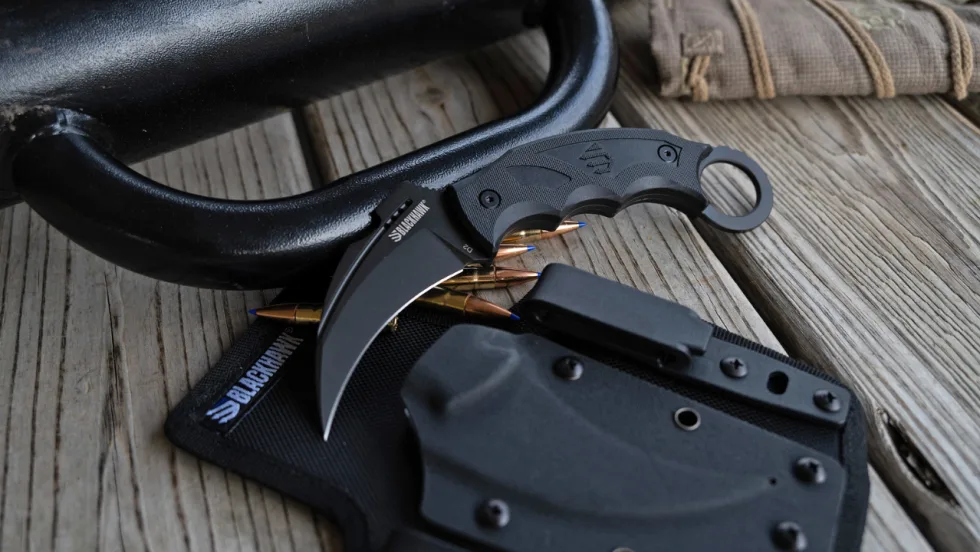
Blackhawk Introduces the Garra Fixed Karambit
The Blackhawk Garra Fixed Karambit is made from D2 steel and features a curved profile that enhances slicing efficiency, plus the full-tang construction ensures strength and durability from tip to handle.
Read More →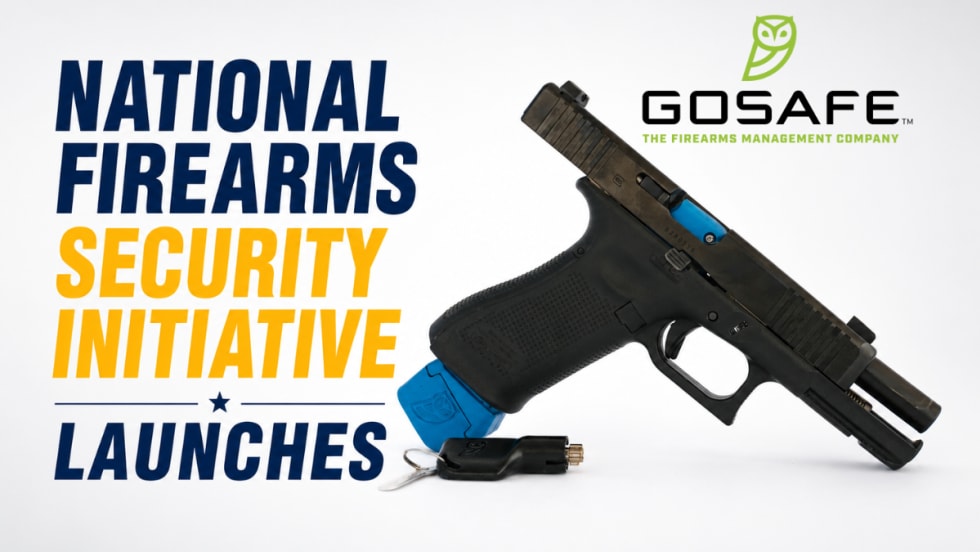
GOSAFE Technology Announces Public Safety Initiative Focused on Firearm Security and Risk Reduction
GOSAFE Technology’s new initiative provides support for agency-level solutions around secure firearm storage, vehicle-storage risks, off-duty firearm security, firearm accountability, and the public safety consequences that may result when firearms are stolen, lost, improperly secured, or diverted from lawful possession.
Read More →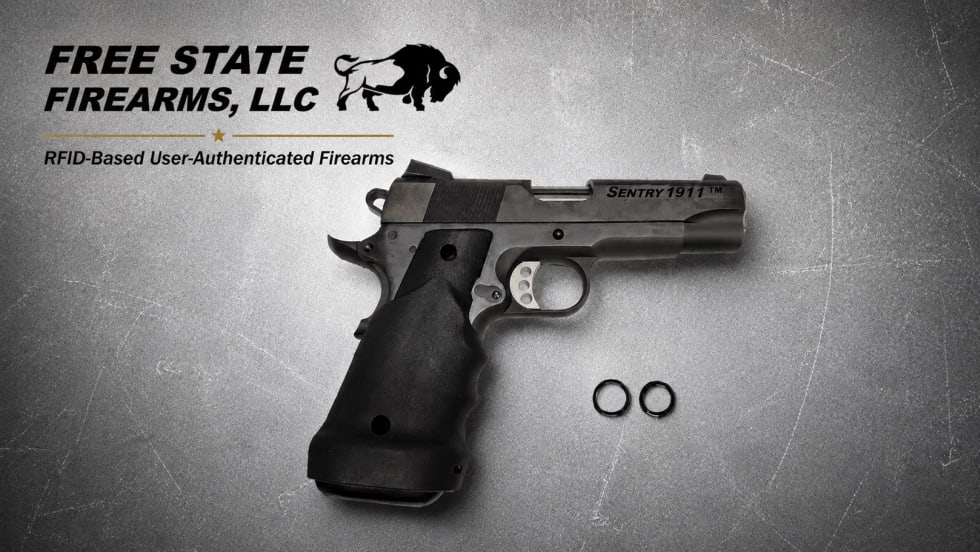
Texas Sheriff’s Office Deploys RFID-Based User-Authenticated Firearm for Prisoner Transport Operations
A sheriff’s office in Texas is now using RFID-based user-authenticated firearms, from Free State Firearms, for prisoner transfer and transport operations.
Read More →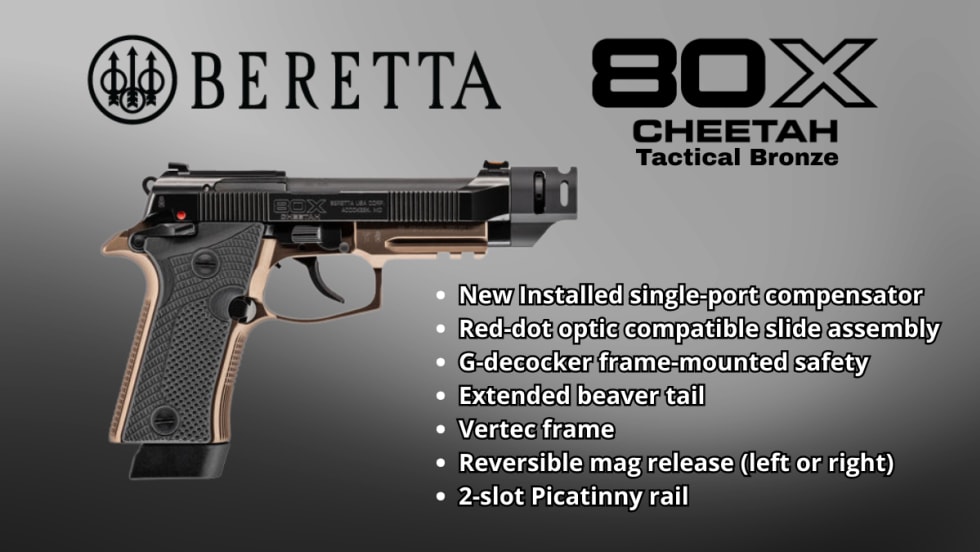
Beretta Introduces the 80X Cheetah Tactical Bronze
Beretta has launched the 80X Cheetah Tactical Bronze, which features a fiber-optic front sight, a serrated rear sight, and a Picatinny rail for accessory mounting, and ships with three 15-round extended magazines.
Read More →
Wrap Raises $5 Million to Restart Domestic Manufacturing & Advance R&D
With new funding, Wrap Technologies will restart domestic manufacturing, advance validated R&D programs into commercialization, and responsibly accelerate early growth initiatives aligned with rising demand for non-lethal response capabilities.
Read More →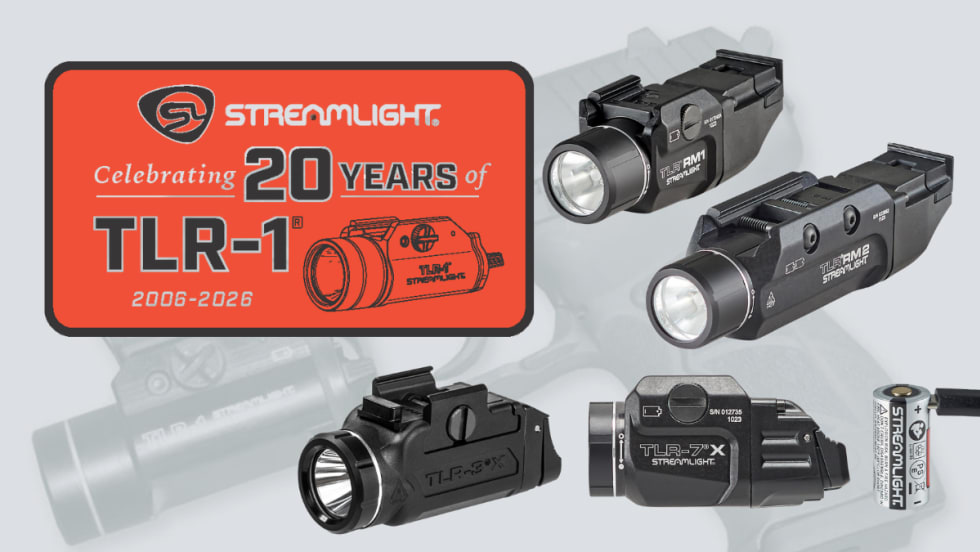
Streamlight Celebrates the 20-Year Anniversary of the TLR Series
This year, Streamlight marks two decades of weapon-mounted lighting innovation with the 20th anniversary of the TLR-1.
Read More →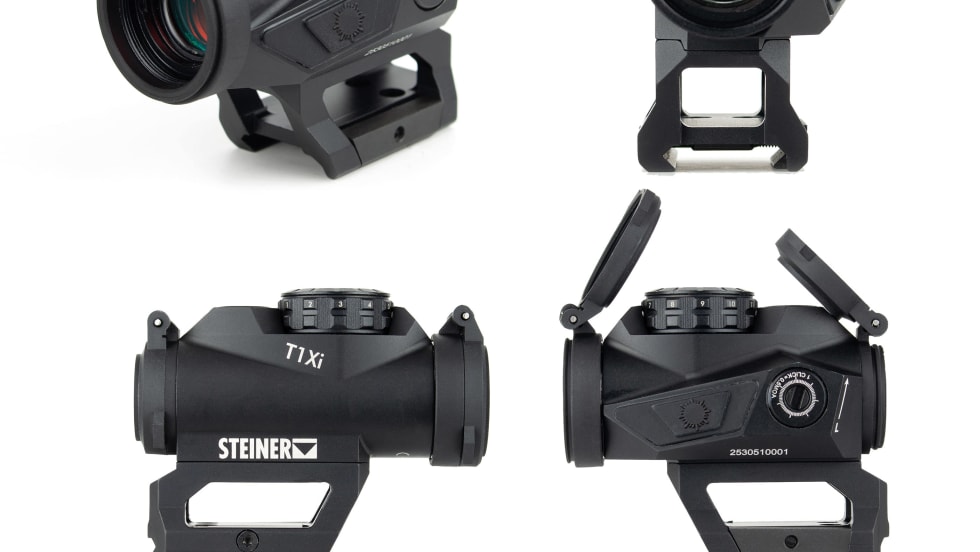
Steiner’s T1Xi Selected as Top Performer in Texas DPS Optic Evaluation
Steiner Optics’ T1Xi was selected as the top-performing red dot in the recent Texas Department of Public Safety optic evaluation.
Read More →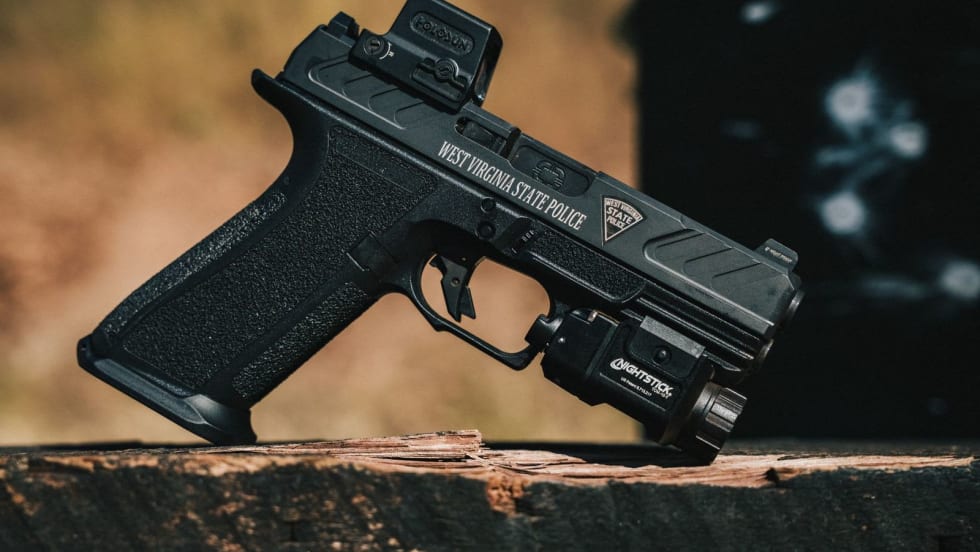
Shadow Systems Selected as Exclusive Pistol Provider for West Virginia State Police
Shadow Systems will provide 700 XR920 crossover pistols for West Virginia State Police troopers and 80 CR920X high-capacity subcompact pistols for the Bureau of Criminal Investigation.
Read More →
Aimpoint Celebrates 50 Years of Innovation and Excellence in Sighting Technology
Aimpoint is marking its 50th anniversary in 2025, celebrating five decades of red dot innovation trusted by military, law enforcement, and tactical professionals worldwide.
Read More →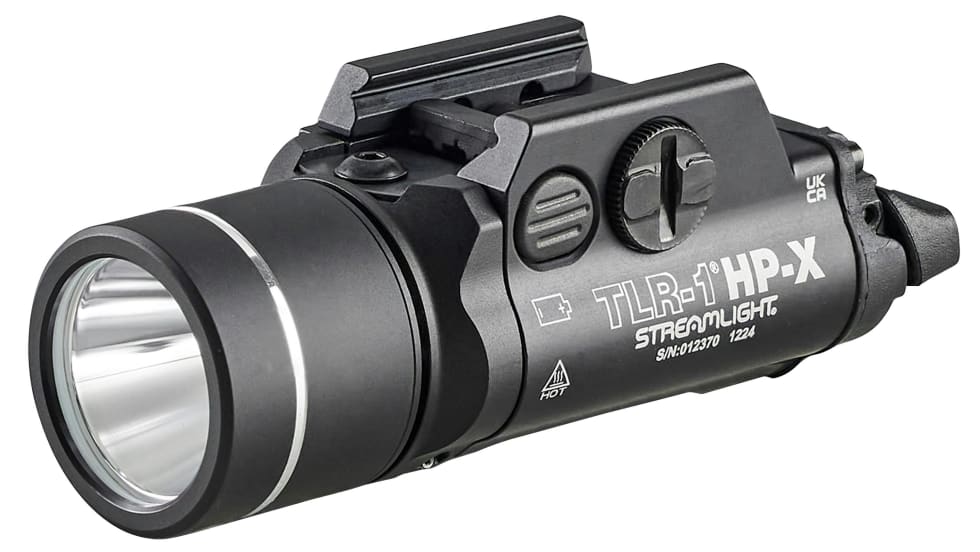
Streamlight Introduces Long-Range Handgun Light
“Our newest weapon light provides an industry-leading level of candela for handguns, giving users enhanced visibility under low light conditions, such as when searching a dark alley,” said Streamlight President Michael F. Dineen.
Read More →