



Miranda Wording
One indication of the enduring misunderstanding of the Miranda jurisprudence is the fact that after 44 years, state and federal courts continue to litigate the adequacy of dozens of variations of the particular wording used by officers - and continue to get reversed by the Supreme Court.

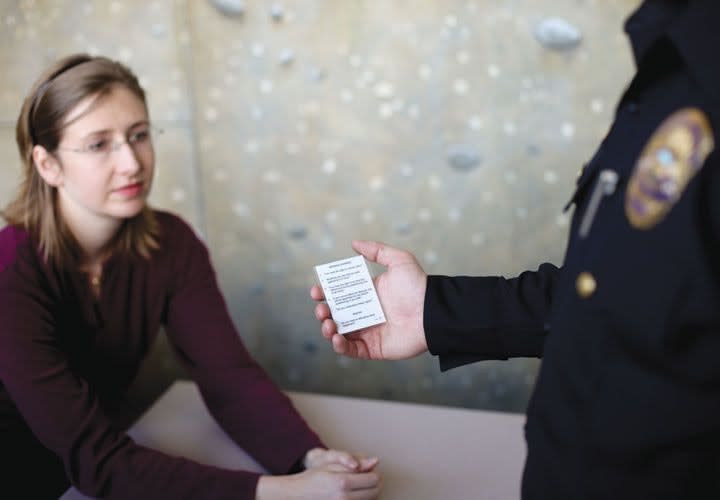
It has been more than four decades since the US Supreme Court held in Miranda v. Arizona that a warning of rights has to precede custodial police interrogation in order to make resulting statements fully admissible at trial. One indication of the enduring misunderstanding of the Miranda jurisprudence is the fact that after 44 years, state and federal courts continue to litigate the adequacy of dozens of variations of the particular wording used by officers - and continue to get reversed by the Supreme Court.
The latest reversal came in 2010 in a case from Tampa, Fla., and it follows similar rulings in 1981 and 1989 in cases coming from California and Indiana.
California v. Prysock
In Tulare County, Calif., Randall James Prysock robbed, tortured, and murdered a woman. He was arrested and given a warning of rights prior to interrogation. The advising officer told Prysock that he had "the right to talk to a lawyer before you are questioned, to have him with you while you are being questioned, and all during the questioning." Prysock waived his rights and confessed, and he was convicted.
The California Court of Appeal reversed Prysock's conviction, ruling that the Miranda warning was defective because the officer did not follow the "standard" order for covering the four components of a warning and varied from the usual language used to describe the right to counsel. That court said that "the rigidity of the Miranda rules is the decision's greatest strength."
On appeal, the US Supreme Court reversed the California ruling and held that the warning was not faulty. Said the court, "This Court has never indicated that the 'rigidity' of Miranda extends to the precise formulation of the warnings given a criminal defendant. Miranda itself indicated that no talismanic incantation was required to satisfy its strictures. It is clear that the police in this case fully conveyed to the defendant his rights as required by Miranda. The Court of Appeal erred in holding that the warnings were inadequate simply because of the order in which they were given." (California v. Prysock)
Duckworth v. Eagan
When a woman in Hammond, Ind., refused his sexual overtures, Gary James Eagan stabbed her nine times. He was later arrested by Chicago police and sent back to Hammond. Before interrogation, officers gave Eagan Miranda warnings, explaining that if he requested counsel they had no way to get counsel appointed for him until he went to court. Eagan confessed and was convicted of attempted murder. Although Indiana courts upheld his conviction, the US Court of Appeals for the Seventh Circuit granted Eagan's petition for habeas corpus relief based on defective Miranda advice and ordered a new trial.
On the state's appeal, the Supreme Court reversed. The court pointed out that it had already cautioned lower courts in the Prysock decision not to insist on precise wording if the warnings adequately conveyed a suspect's rights.
Said the Supreme Court, "We have never insisted that Miranda warnings be given in the exact form described in that decision. Reviewing courts therefore need not examine Miranda warnings as if construing a will or defining the terms of an easement. The inquiry is simply whether the warnings reasonably convey to a suspect his rights as required by Miranda." (Duckworth v. Eagan)
Florida v. Powell
Robbery suspect Kevin Dewayne Powell was arrested by Tampa (Fla.) PD officers in his girlfriend's apartment, where police found a handgun under the bed. At the station, Powell was given a Miranda warning that included advice of "the right to talk to a lawyer before answering any of our questions" and "the right to use any of these rights at any time you want during this interview." He waived and admitted possessing the handgun. Powell was convicted of possession of a firearm by a convicted felon.
The Florida Court of Appeal held that Powell's admissions should have been suppressed because the officer did not specifically tell him that he had the "right to have a lawyer present during questioning." The Florida Supreme Court upheld this ruling, and the state appealed to the US Supreme Court.
The Supreme Court reversed. The court quoted from both Prysock and Duckworth in saying for the third time that no exact wording is required to satisfy Miranda. According to the court, "The four warnings Miranda requires are invariable, but this Court has not dictated the words in which the essential information must be conveyed. Our decisions in Prysock and Duckworth inform our judgment here. We reach the same conclusion in this case. In combination, the two warnings reasonably conveyed Powell's right to have an attorney present, not only at the outset of interrogation, but at all times." (Florida v. Powell)
The court also compared the standard warning given by the FBI and commented that it was "admirably informative" in telling the suspect, "You have the right to talk to a lawyer for advice before we ask you any questions. You have the right to have a lawyer with you during questioning." However, to say that particular language is "informative" is not to say that it is necessary under the law. As the court said in Powell as to the FBI's version of the right-to-counsel admonition, "We decline to declare its precise formulation necessary to meet Miranda's requirements."
Enough is Enough
Over the years, some jurisdictions have grafted various kinds of gratuitous enlargements onto the Miranda warning. Some have added a statement that "You can decide at anytime to exercise these rights and make no further statements." (While this statement is true, Miranda does not require you to say it. Mock v. Rose) Others have added for juveniles, "You have a right to consult your parents before talking." (This is not true, as the Supreme Court held in Fare v. Michael C.) Although state courts could require additional admonitions as a matter of state law or constitutions, they may not do so under Miranda. (Oregon v. Hass)
Rather than having dozens of different versions of a Miranda warning floating around, just waiting to be challenged in court, it may be best for agencies to adopt a single warning that satisfies Miranda's requirements without going overboard. In California, for example, the state's Commission on Peace Officer Standards and Training distributes Miranda warning cards to all law enforcement agencies in the state, containing language that has been repeatedly upheld as being sufficient to cover the four required admonitions, as follows:
"You have the right to remain silent. Do you understand?"
"Anything you say may be used against you in court. Do you understand?"
"You have the right to the presence of an attorney before and during any questioning. Do you understand?"
"If you cannot afford an attorney, one will be appointed for you, free of charge, before any questioning, if you want. Do you understand?"
If an express waiver is to be sought, the card recommends asking simply, "Do you want to talk about what happened?"
Law enforcement agencies should always consult with local prosecutors when considering any changes to Miranda warnings that have been successfully used and have been upheld by local courts in the past. "If it ain't broke, don't fix it."
Devallis Rutledge is a former police officer and veteran prosecutor who currently serves as Special Counsel to the Los Angeles County District Attorney. He is the author of 12 books, including "Investigative Constitutional Law."
More Patrol
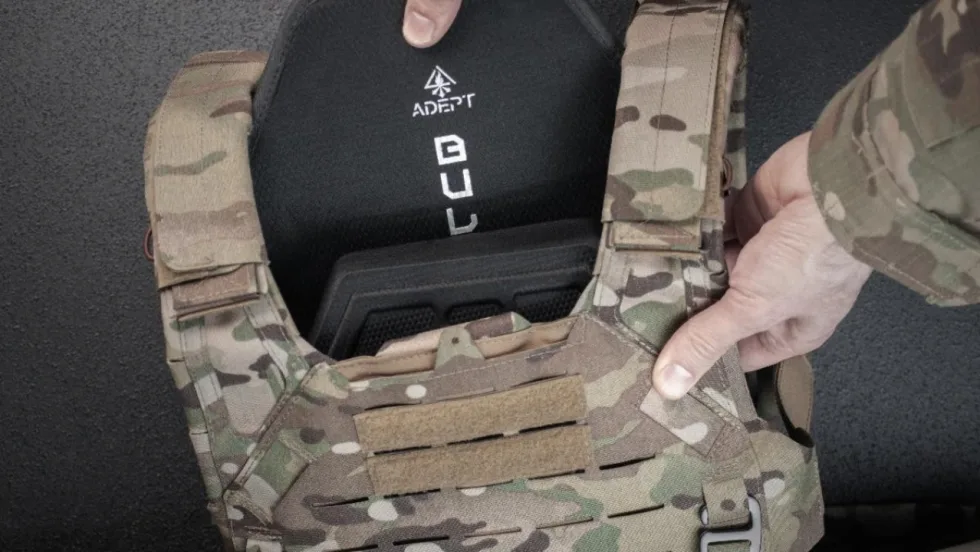
Adept Armor Introduces Two New Rifle Plates
Adept Armor has launched two new Level IV ballistic plates, the Emperor and the Archon Mark 2, which brings Adept Armor’s new Quatroid ceramic to the high-threat, performance-value center of the range at 5.2 pounds.
Read More →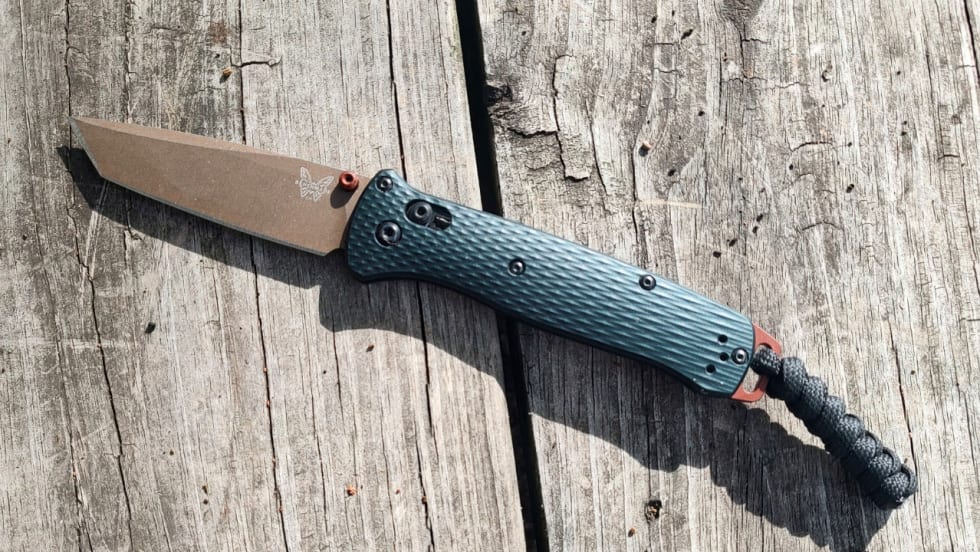
POLICE Product Test: Benchmade Bailout
The Benchmade Bailout is a slim, lightweight carry knife with a deep-ride pocket clip and comes in a variety of blade steels and scales. Here is a detailed review of the Taiga Green Bailout, released earlier this year.
Read More →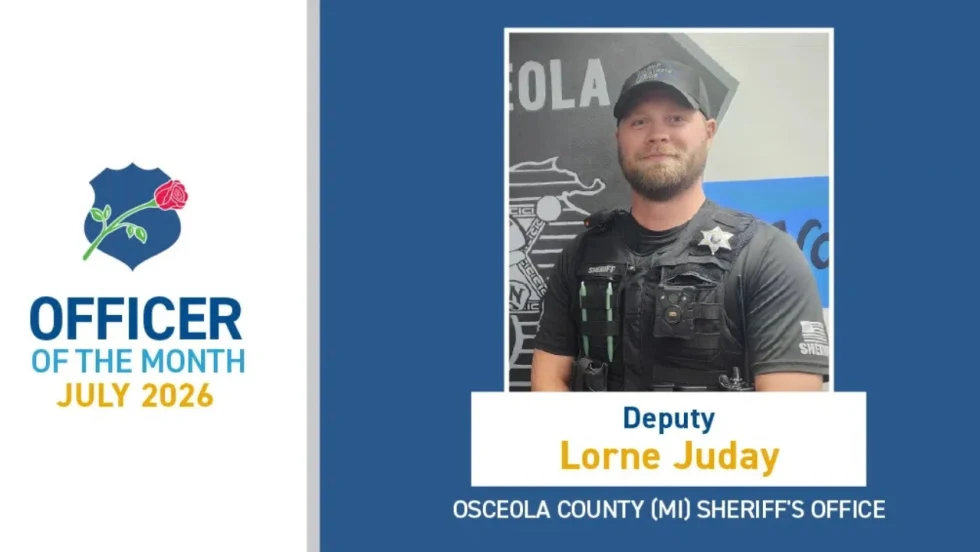
NLEOMF Announces July 2026 Officer of the Month
NLEOMF honored a Michigan deputy sheriff as the July 2026 Officer of the Month for rescuing a trapped driver from a burning vehicle following a Fourth of July crash.
Read More →
Streamlight to Showcase Newest Lighting Products at National Safety Council’s Safety Congress & Expo 2026
Streamlight will showcase its latest lights, including the Portable Scene Light III and the LiteBox 1Million, at the 2026 National Safety Council (NSC) Safety Congress & Expo.
Read More →
The 2027 World Police & Fire Games Set for Perth, Australia
The 2027 World Police & Fire Games (WPFG) will take place in Perth, Western Australia, from Friday, March 12 through Sunday, March 21, 2027.
Read More →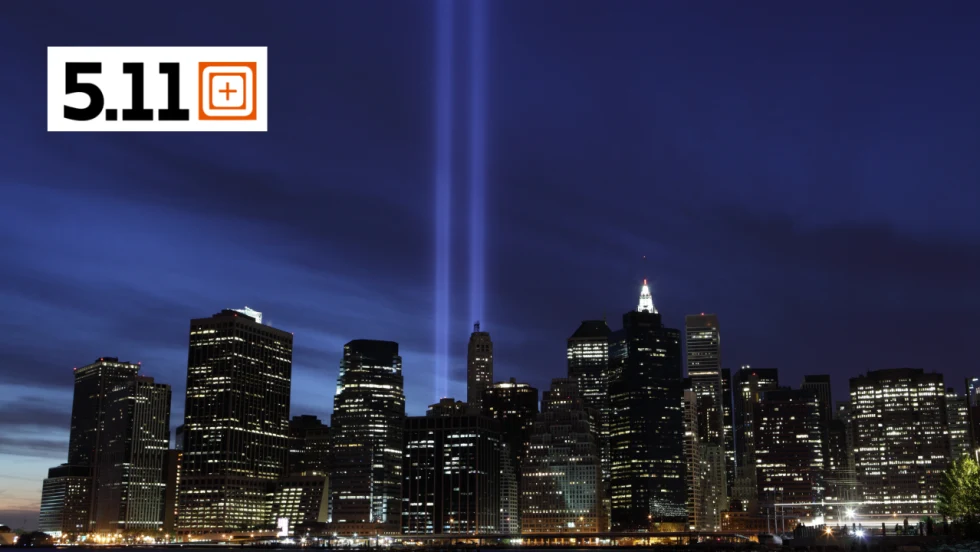
5.11 Partners with National Fallen Firefighters Foundation to Support #ForThe343
5.11 has joined the nationwide movement honoring the 343 New York City Fire Department firefighters lost on Sept. 11, 2001.
Read More →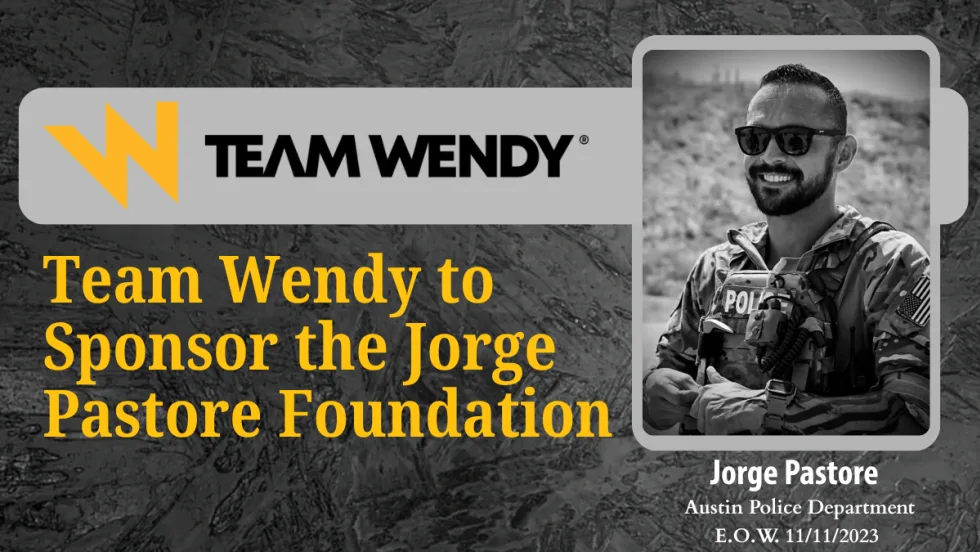
Team Wendy Announces Title Sponsorship of the Jorge Pastore Foundation
Team Wendy’s 3-year partnership with the Jorge Pastore Foundation expands access to programs that strengthen those who serve.
Read More →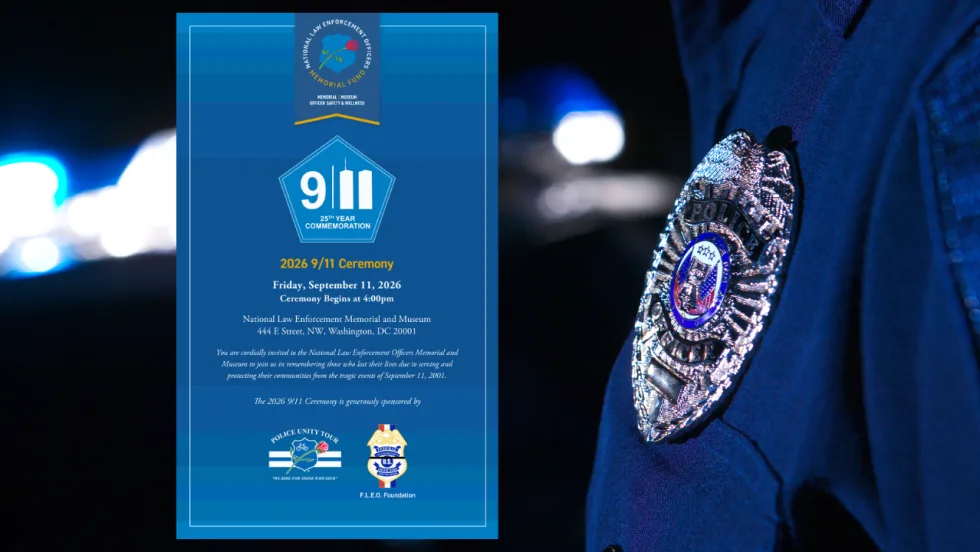
National Law Enforcement Memorial and Museum Hosting 9/11 25th-Year Commemoration Ceremony
The National Law Enforcement Memorial and Museum is hosting a 9/11 25th Year Commemoration Ceremony on Sept. 11 at 4 p.m.
Read More →
National Law Enforcement Officers Memorial Fund Announces June 2026 Officers of the Month
The National Law Enforcement Officers Memorial Fund (NLEOMF) named 15 officers of the Chico Police Department (California) as the Officers of the Month for June 2026 for their roles in responding to an active-shooter incident at a public library.
Read More →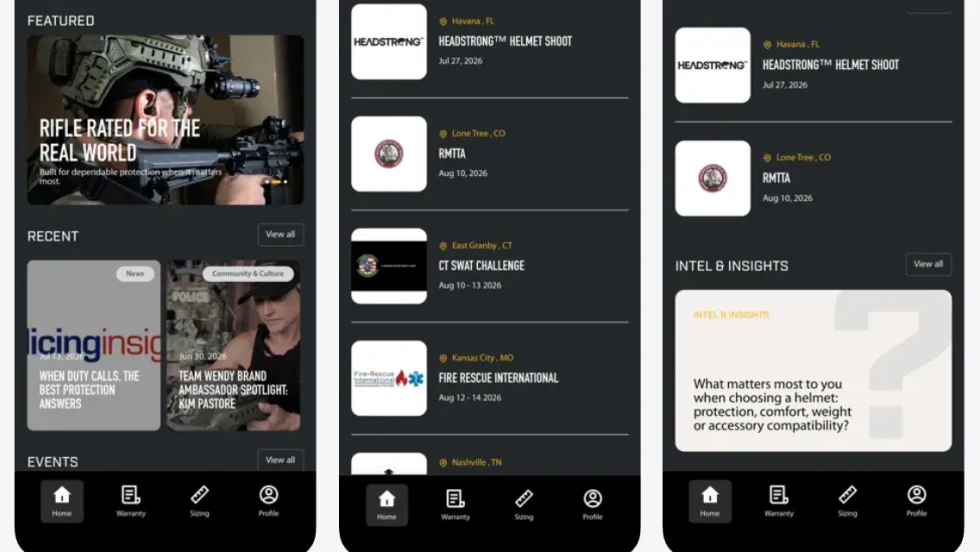
Team Wendy App Creates New Digital Hub for Helmet Owners
The Team Wendy Community App provides one location for warranty registration, size-fit tools, product updates, and community connection. For helmet owners, the new app creates a simpler path to the information and tools that matter most.
Read More →