

Police Magazine

 MENU
 SEARCHMENUSEARCH

When on scene, most tactical teams contain more testosterone than a crowd at a British soccer match. But there is one balancing element that keeps it all in perspective. The crisis negotiation team steps up to play a vital role in this very real life-or-death game of wits.
Around midnight. Aug. 13, 2003. Officer Kyle Olinger of the Montgomery County (Md.) Police Department patrolled the central business district of Silver Spring.
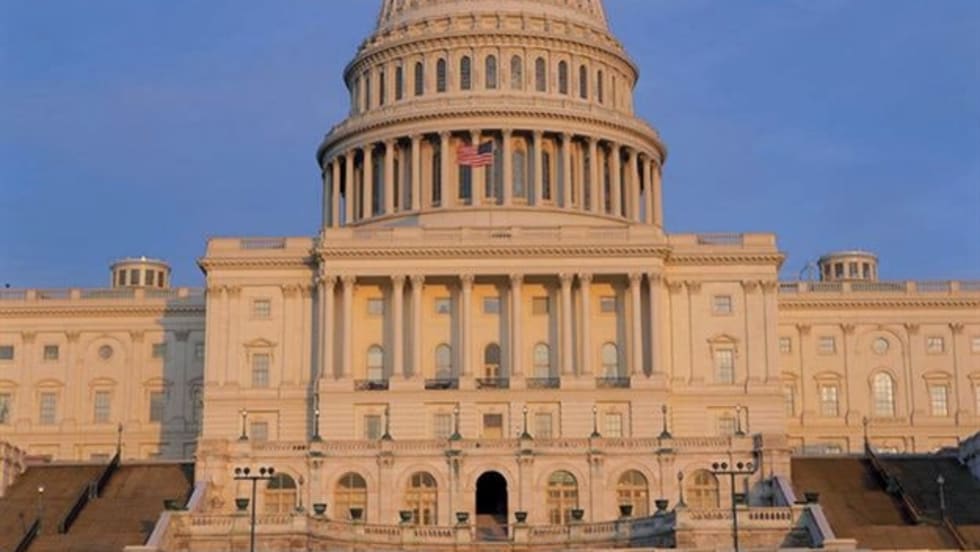
When former President Ronald Reagan died in his Bel Air home on June 6, a lot of work began for the numerous law enforcement agencies that protect the nation’s capital and its citizens. For the first time in three decades Washington, D.C., would play host to a major state funeral of an honored U.S. president.
Enhanced Worker Safety Through UV Lighting Technology
Sponsored by SoundOff Signal

It’s an Ambush: How Ballistic Glass Redefines Patrol Vehicle Safety
Sponsored by Dana Safety Supply

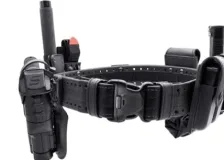
Safariland HOLLE Duty Belt System
Sponsored by Safariland
How Patrolfinder Uses Data to Make Streets Safer
Sponsored by Patrolfinder
Today's hostage negotiators are called "crisis negotiators." And with good reason. Today the responsibilities of these officers reach far beyond talking down hostage takers and now include suicide intervention, high-risk warrant service, and counter-terrorism operations.
According to media accounts, nearly 100 officers who joined the force during a 1989-90 recruitment drive-when background screening and standards were all but non-existent-were later charged with criminal wrongdoing.