
Police Magazine

 MENU
MENU SEARCHMENUSEARCH
Loading data...

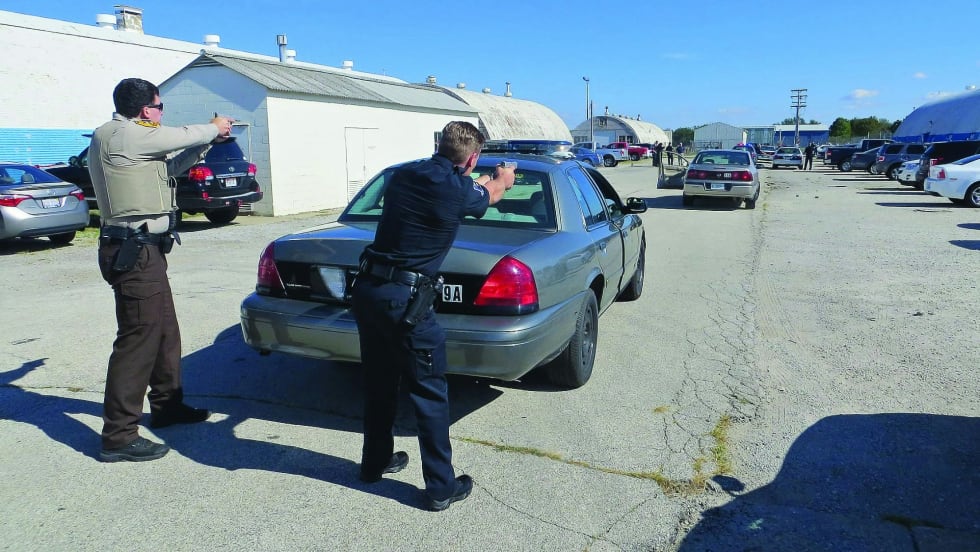
What steps can officers take to stay safer during felony or high-risk vehicle stops? Here are 10 tips from Mike Willis, Law Enforcement National Training and Program Director for the US Deputy Sheriff's Association.
Read More →


What were the top videos published by POLICE in 2025? Many covered tactics and officer safety, while others came from booth visits at IACP in Denver, Colorado. In case you missed these, here are the top 10 videos.
Read More →No vehicle stop should be considered low-risk, as it is never possible to gauge beforehand the level of danger involved.
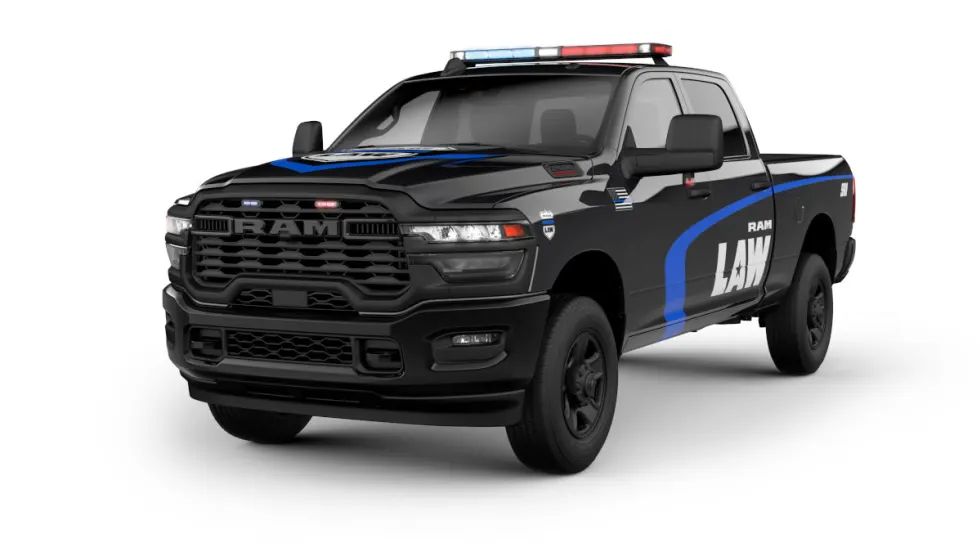
Read More →The 2027 Ram 2500 Emergency Response Vehicle is the first and only ¾-ton truck to complete the Michigan State Police vehicle trials, and Ram said it delivered outstanding performance in testing scenarios designed to replicate extreme real-world duty.
Read More →Some cops are in such a rush to get a car stopped that they'll let the driver they're attempting to detain dictate where the traffic stop will take place. Worse, they'll allow suspects to choreograph what happens once the cars have stopped.
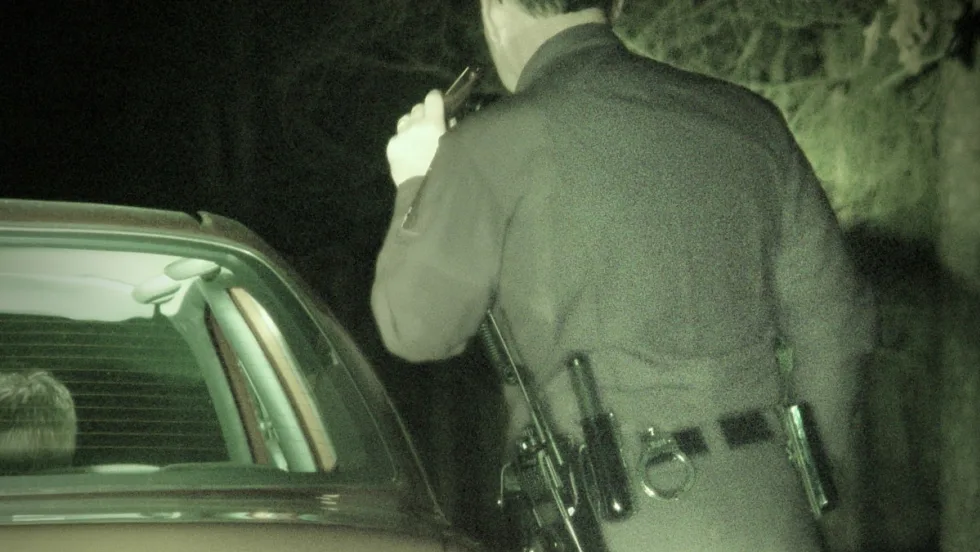
Read More →Pulling over a motorist can result in a simple citation or a raging gun battle. You have to be prepared for either one.
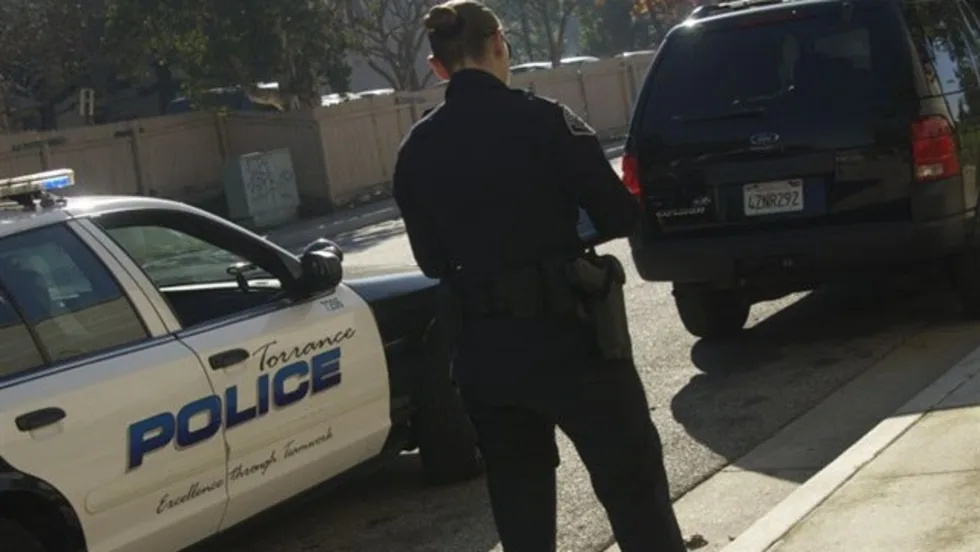
Read More →There is probably no more misunderstood law enforcement duty than traffic enforcement. Cops who perform this duty often think of it as tedious and futile. And the motorists who are pulled over for traffic violations feel like they are being picked on and tapped for fines that fill local government coffers.
Read More →The Force Science Institute has completed a new study on vehicle stop safety and will offer specific pointers on how officers can better protect themselves from sudden shooting attacks.
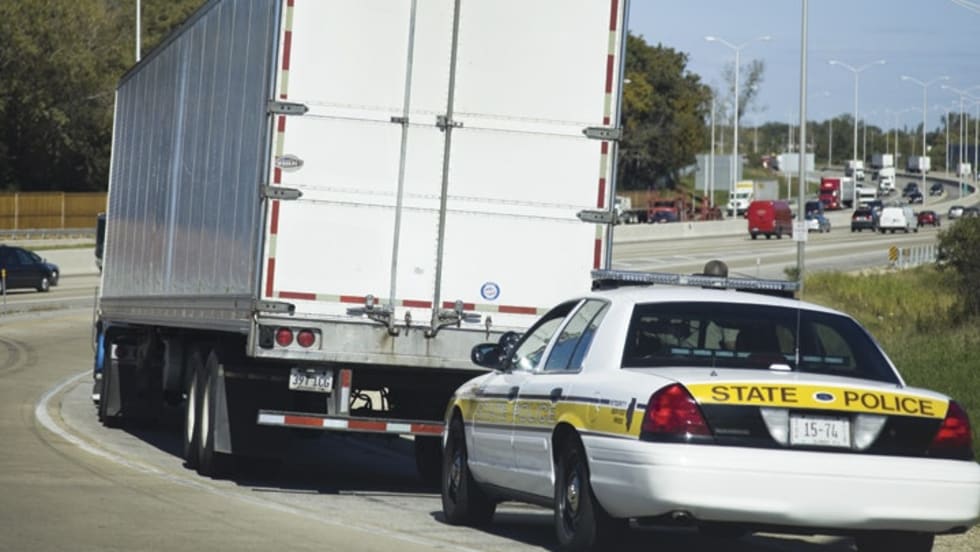
Read More →For whatever reason some officers are intimidated when it comes to stopping big rigs. But it's a part of an officer's job to enforce the rules and regulations of the road, and crimes are being committed by some operators of these big rigs.
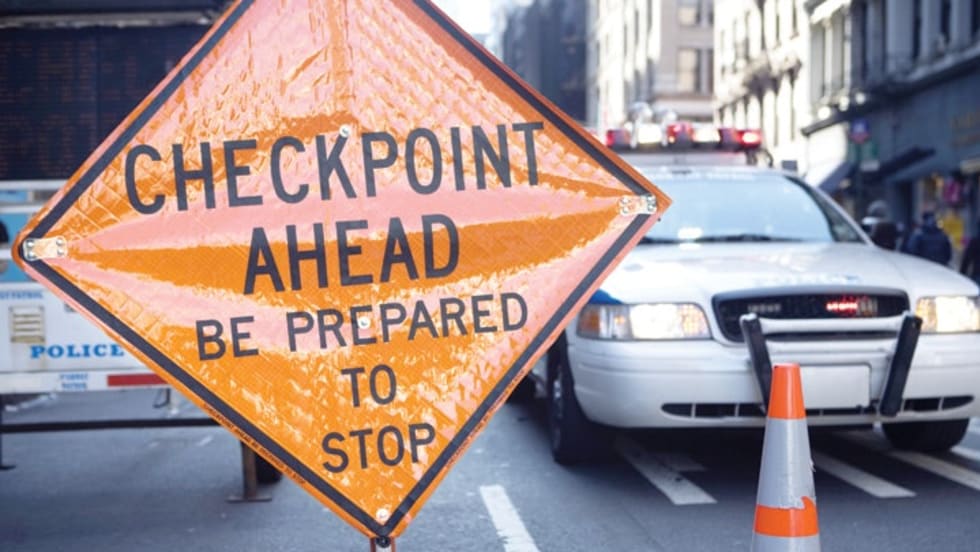
Read More →Checkpoint stops are different-multiple vehicles are stopped one after the other, at the same place, without any suspicion beforehand that anyone in particular may be engaged in unlawful activity.
Read More →