



More Vehicle Ops: Reaching the Call Safely
Rynse Awarded Cooperative Purchasing Contract, Expanding Nationwide Fleet Wash Access for Law Enforcement
Rynse has secured a 2026-2027 NCSA contract, giving law enforcement agencies nationwide fast-track access to its fleet wash network and management platform, which streamlines procurement, reduces administrative burdens, and helps fleets stay road-ready with greater oversight.
from News/Media Release
June 11, 2026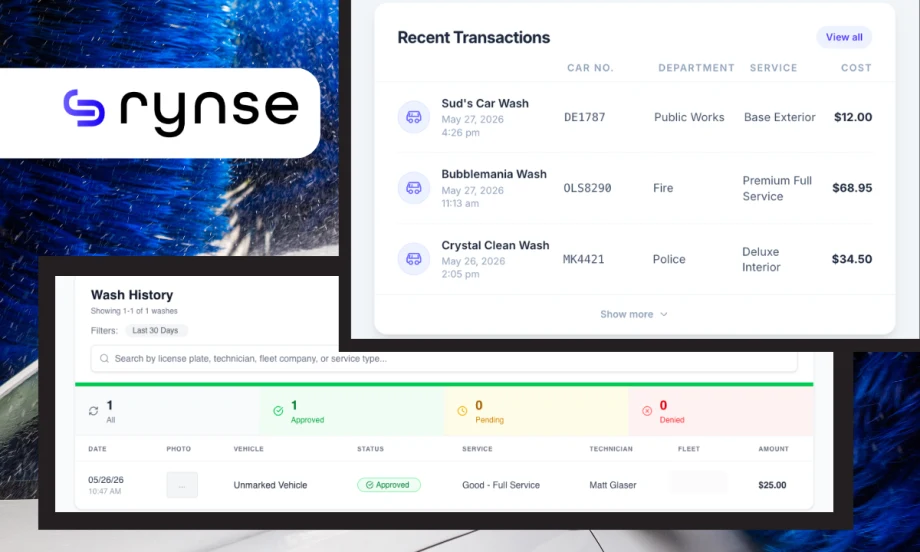
The North Carolina Sheriff’s Association Contract Cooperative purchasing contract with Rynse streamlines the procurement process for all U.S. law enforcement agencies.
Credit:
Rynse | POLICE
3 min to read
- Rynse has obtained a 2026-2027 NCSA contract, enhancing access to its fleet wash services for law enforcement agencies across the country.
- The contract allows for expedited procurement processes through Rynse’s fleet wash network and management platform.
- By using Rynse's services, agencies can reduce administrative tasks while maintaining their fleets' operational readiness.
*Summarized by AI
Rynse, a fleet management software for government and enterprise organizations, has been awarded a contract through the North Carolina Sheriffs' Association (NCSA) Technology Procurement Program for the 2026-2027 contract year. The contract gives law enforcement agencies at the city, county, and state level nationwide a fast track to Rynse's network of thousands of car washes, mobile wash services, and software platform, allowing them to avoid the long procurement cycle.
Cooperative purchasing programs like NCSA's streamline the procurement process upfront, allowing approved suppliers to serve any qualifying agency under pre-negotiated terms.
"Government fleets need to stay road-ready every shift, but bringing on a new wash vendor has historically taken months, sometimes as long as a year,” said Roland Lau, CEO and co-founder of Rynse. "This contract removes barriers that existed in the procurement process. Agencies can now plug into our network of thousands of wash locations and start saving time on day one."
Built for Law Enforcement Fleet Operations
Rynse connects fleets to a nationwide wash network through a single platform, leveraging license plate recognition (LPR), RFID, payment card, or a hybrid approach.
Officers at participating agencies can visit any in-network location, and transactions are automatically captured, digitized, and consolidated into one itemized invoice, filterable by department, vendor, and location, with data formatted for upload into existing fleet management systems.
For law enforcement, the platform includes Unmarked Vehicle Mode, a feature built for sensitive fleet assets. Investigative units and other agencies operating vehicles that must remain unidentifiable can hide those vehicles from technician-facing lists, and obscure wash history tied to sensitive fleet activity. Administrators retain full access to vehicle records inside the Rynse platform.
Agencies also can set customizable spending limits to flag potential fraud, monitor fleet activity in real time, and automatically track every wash, time, location, and service type.
Already Deployed: Anne Arundel County Sheriff's Office
Rynse already serves law enforcement agencies in multiple states, including the Anne Arundel County Sheriff's Office in Maryland.
The county previously relied on a single on-site car wash for its fleet of more than 30 departments. When that wash went out of service, deputies were left with limited options and long detours from their patrol areas. Rynse expanded the sheriff's office’s access from one vendor to 71 wash locations across the county.
"With Rynse, the best thing is there are so many car washes within the county that all the deputies can use, which makes it very convenient for them," said Capt. Robert Corcoran, commander of the Bureau of Administration for the Anne Arundel County Sheriff's Office. "It's definitely a more convenient way to keep up the cleanliness and professionalism of any car. The amount of car washes available just in our county alone is a valuable resource for officers."
Tools to Prevent Overspending & Save Admin Time
Beyond access, the platform addresses one of the most persistent challenges in fleet operations: overspending. Supervisors use Rynse's automatic invoicing and spending controls to manage budgets across departments and prevent overspending. On average, fleets using Rynse reduce administrative time by an average of 20 hours a month.
Expanding the Public Sector Footprint
The NCSA contract builds on Rynse's existing roster of more than 100 public sector customers, including the State of Utah, Anne Arundel County, Baltimore County, Broward County, City of Cincinnati, City of Pasadena, City of Philadelphia, City of Pittsburgh, the City of Sacramento and Miami-Dade County.
Rynse is also a Sourcewell awarded supplier, another cooperative purchasing program that simplifies procurement for state, local and educational agencies.
"Cooperative contracts like the NCSA's and Sourcewell are how modern agencies cut through procurement red tape," Lau said. "We're proud to have earned this award, and we expect it to play an increasingly important role in how government agencies access the fleet services they need."
More Vehicle Ops
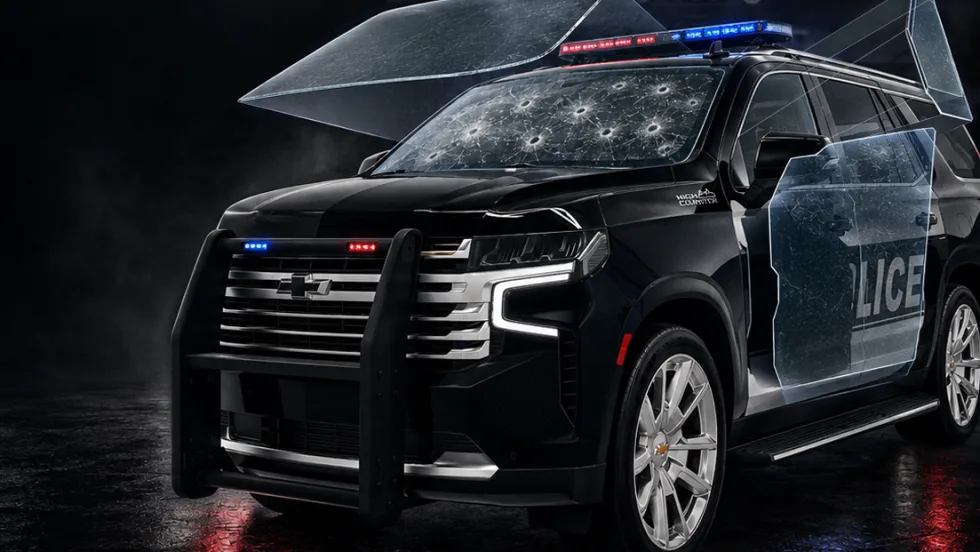
It’s an Ambush: How Ballistic Glass Redefines Patrol Vehicle Safety
Dana Safety Supply is setting a new standard for officer safety with windshields capable of withstanding multiple rounds and saving lives — and one Texas deputy is living proof.
Read More →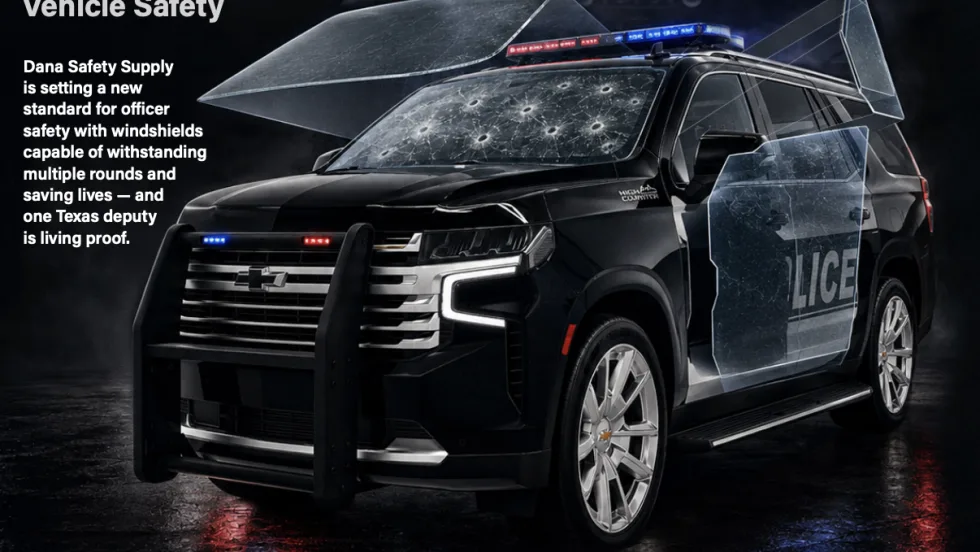
Dana Safety Supply’s BallisTech Vehicle Armoring Solutions
Dana Safety Supply is setting a new standard for officer safety with windshields capable of withstanding multiple rounds and saving lives.
Read More →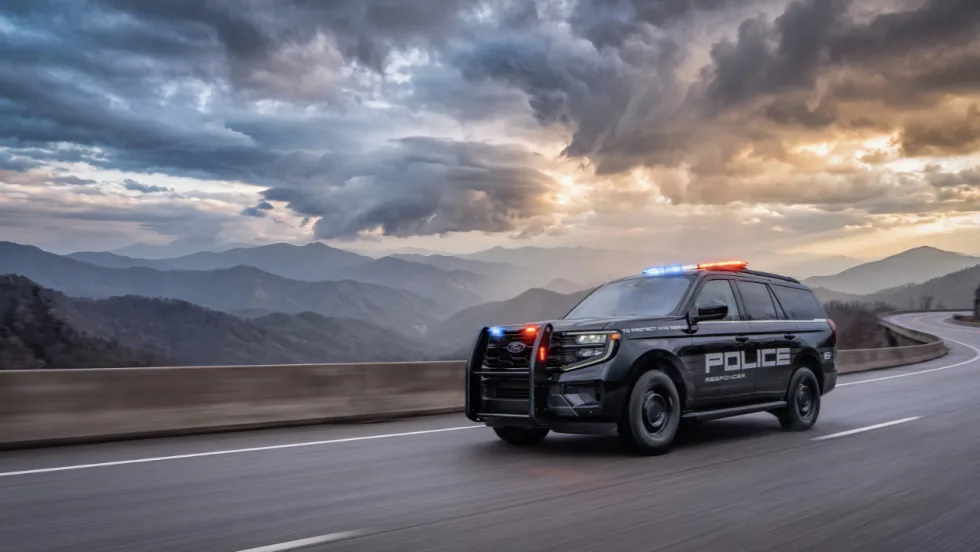
Ford Showcases 2028 Ford Expedition Police Responder
Ford showcased its 2028 Ford Expedition Police Responder, a full-size, pursuit-rated utility vehicle, at Police Fleet Expo this week. It comes standard with 4x4 and a 3.5-liter EcoBoost V6 producing 400 horsepower and 480 lb.-ft. of torque.
Read More →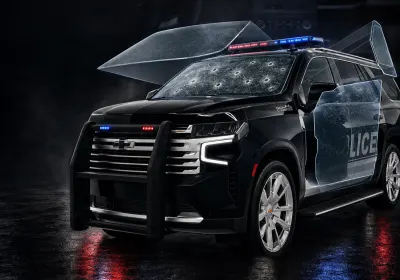
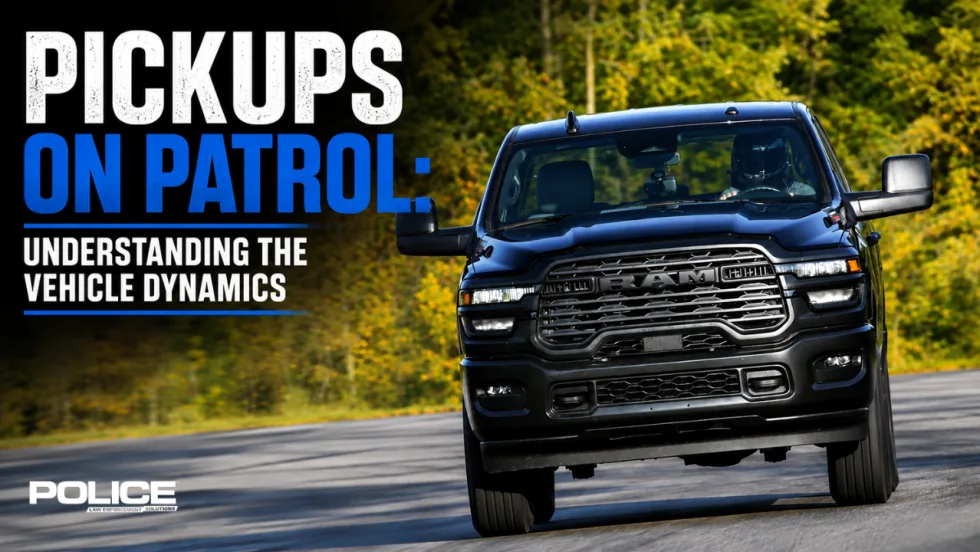
Pickups on Patrol: Understanding the Vehicle Dynamics
Pickup trucks are not new to patrol duties, but with the debut of the 2027 Ram 2500 Emergency Response Vehicle, they are getting larger and heavier. POLICE reached out to the Michigan State Police Precision Driving Unit to learn more about pickup truck handling, vehicle dynamics, and what officers need to know.
Read More →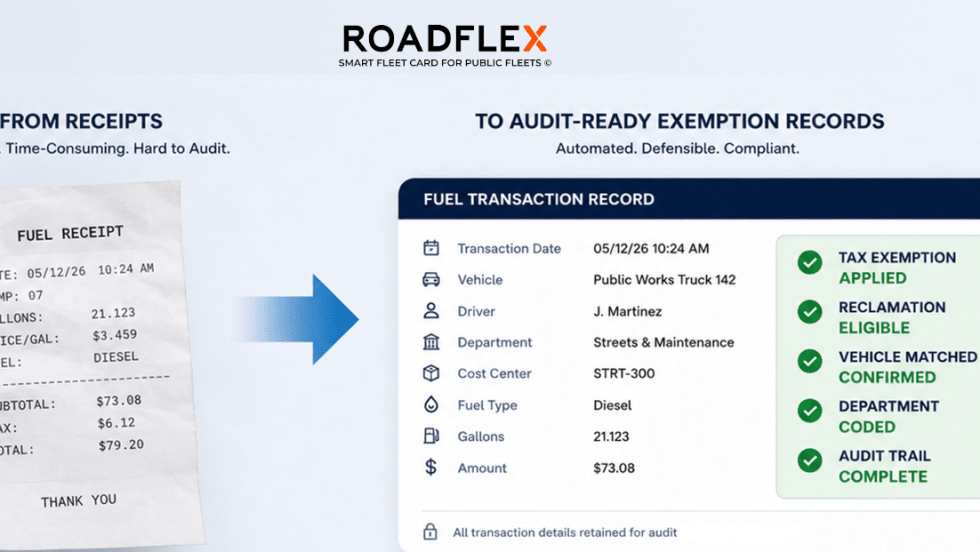
RoadFlex Brings Fuel Tax Compliance & Audit-Ready Reporting to Government Fleets
RoadFlex now offers its capabilities to help public-sector fleets streamline fuel tax exemptions, reclamation, reconciliation, and audit-ready reporting.
Read More →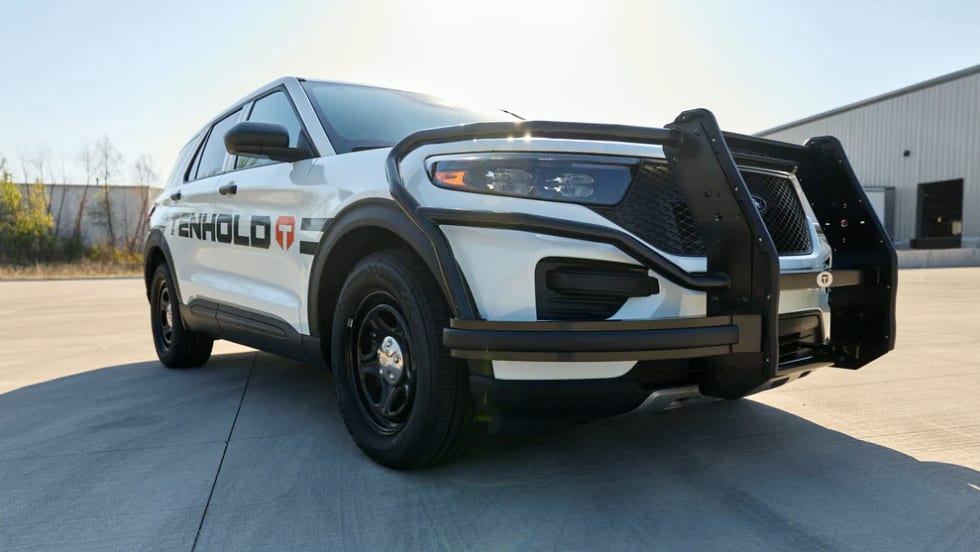
Tenhold Introduces Suppressor Gun Rack System
Tenhold, formerly Jotto Desk, provides next-generation vehicle systems for law enforcement and public safety and recently debuted its Suppressor Lock Head for its Weapon Mounting system.
Read More →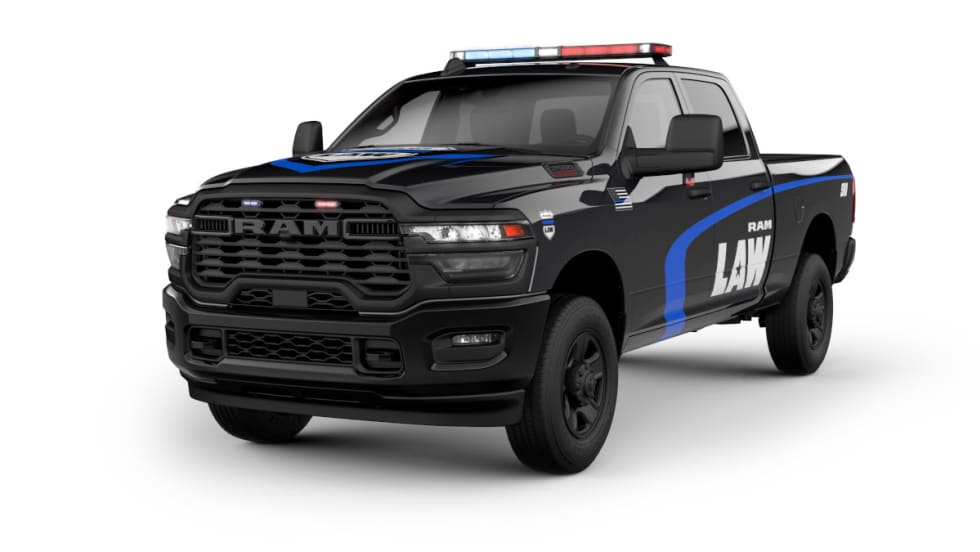
Ram Debuts Pursuit-Capable 2500 Emergency Response Vehicle
The 2027 Ram 2500 Emergency Response Vehicle is the first and only ¾-ton truck to complete the Michigan State Police vehicle trials, and Ram said it delivered outstanding performance in testing scenarios designed to replicate extreme real-world duty.
Read More →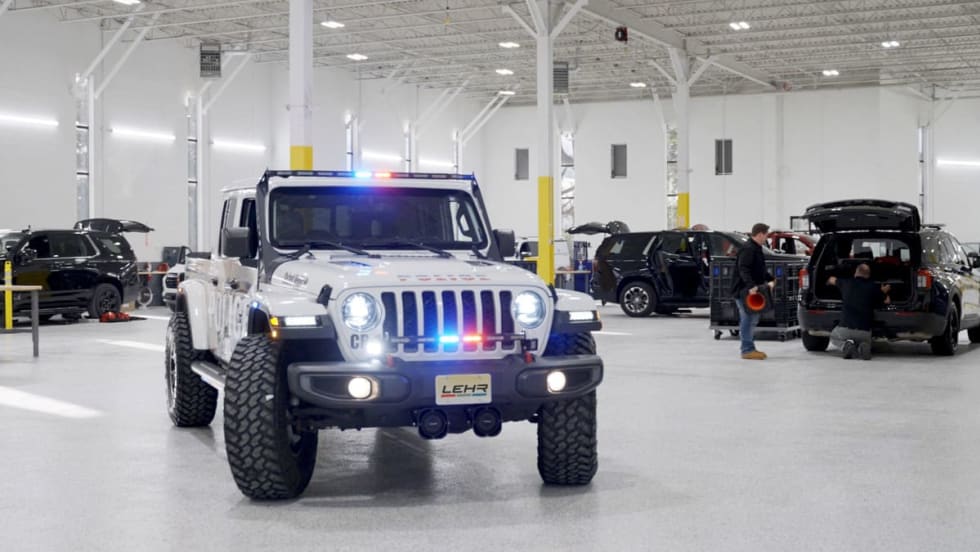
Emergency Vehicle Upfitter LEHR Opens New Facility in New Jersey
LEHR’s new centralized upfitting facility in New Jersey consolidates operations to deliver faster turnaround times and enhanced fleet capacity for law enforcement agencies across the Northeast.
Read More →
North Carolina Sheriff’s Office Improves Fueling Reliability & Operational Control
The Madison County Sheriff’s Office overcame fuel management and accounting challenges by turning to RoadFlex to improve fueling reliability, visibility, and administrative control.
Read More →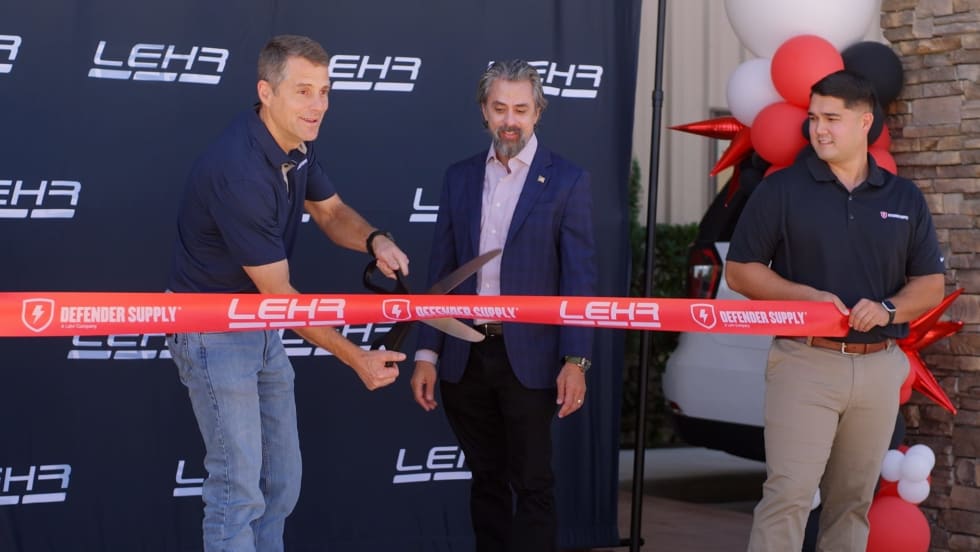
Emergency Vehicle Upfitter LEHR Expands National Footprint with New 40,000-Square-Foot Facility in Houston
LEHR has opened a 40,000-square-foot Defender Supply upfitting facility in Houston, Texas. It is expected to upfit thousands of public safety vehicles each year.
Read More →