



North Carolina Sheriff’s Office Improves Fueling Reliability & Operational Control
The Madison County Sheriff’s Office overcame fuel management and accounting challenges by turning to RoadFlex to improve fueling reliability, visibility, and administrative control.
RoadFlex helps the Madison County Sheriff’s Office better manage fuel purchasing.
RoadFlex/POLICE
The Madison County Sheriff’s Office (North Carolina) has implemented RoadFlex to improve fueling reliability, visibility, and administrative control across its 37-vehicle patrol fleet, eliminating recurring fuel card failures that previously disrupted operations and officer availability.
RoadFlex provides fuel and expense management solutions designed for public sector, commercial, and specialty fleets. The platform combines broad acceptance, real-time controls, and clear reporting to help organizations improve accountability while supporting frontline operations.
The sheriff’s office operates a fleet of Dodge Chargers, Dodge Rams, and Ford Explorers that rely exclusively on retail fueling throughout Madison County. Without onsite fueling, deputies must be able to fuel wherever duty takes them. Under the department’s previous fuel card program, that reliability was not consistent.
“RoadFlex has been smooth from day one,” said Darlyne Rhinehart, accounting specialist and fleet administrator for the Madison County Sheriff’s Office. “We are not getting the complaints, we are not getting the calls, and our deputies are finally able to fuel without issues.”
Addressing Fueling Failures in the Field
Before the transition, deputies frequently encountered authorization failures at the pump, including declined cards and non-functioning PINs. These issues often occurred during busy shifts or late at night, forcing deputies to call supervisors, borrow other officers’ cards, or in some cases pay for fuel personally and wait weeks for reimbursement.
Inside the department, the administrative burden was just as challenging, according to RoadFlex. The sheriff’s office did not have access to the legacy fuel card system, requiring all card requests, changes, and troubleshooting to go through the county finance office. RoadFlex said this lack of visibility slowed response times, complicated reporting, and made reconciliation difficult.
Small California Departments Deal with Increased Fuel Costs, Keep Patrols Rolling
“We were just having issues constantly,” said Cindy, a member of the administrative team. “It felt like one hurdle after another.”
The risks became more apparent during a recent hurricane, when power outages forced deputies to rely on limited fueling locations. Any card failure during that time created significant operational risk.
Implementing RoadFlex
After researching alternatives, Rhinehart selected RoadFlex for its Visa-based acceptance and administrative flexibility. The ability for deputies to fuel at any retail station without network limitations addressed one of the department’s most persistent challenges.
“The Visa option was the best part,” Rhinehart said. “It matched exactly what we needed.”
Equally important was the level of support during and after implementation. Rhinehart said that RoadFlex customer support responded quickly to questions, often within minutes, and worked closely with the department to ensure a smooth onboarding process.
Improved Visibility, Control, & Reporting
With RoadFlex, the sheriff’s office gained direct access to its fueling data for the first time. The team can now monitor usage by vehicle, review price-per-gallon trends, deactivate cards when needed, and complete month-end reconciliation efficiently.
“The sheriff is all about saving money,” Rhinehart said. “Now we can actually see what we’re spending, by vehicle, and reconcile everything accurately.”
The improved data visibility also simplified state road tax reporting and eliminated much of the manual work previously required.
Results for Deputies & Administration
Since deploying RoadFlex, fuel-related calls from deputies have effectively stopped. Administrative workflows are cleaner, reporting is faster, and the department no longer depends on external offices for day-to-day fuel management.
A chief deputy, who also serves as a county commissioner, told Rhinehart he was relieved the department made the switch, noting that fueling issues had been one of the most persistent operational pain points.
Most importantly, deputies can fuel reliably, stay focused on their duties, and avoid delays caused by payment issues at the pump.
More Vehicle Ops

It’s an Ambush: How Ballistic Glass Redefines Patrol Vehicle Safety
Dana Safety Supply is setting a new standard for officer safety with windshields capable of withstanding multiple rounds and saving lives — and one Texas deputy is living proof.
Read More →
Dana Safety Supply’s BallisTech Vehicle Armoring Solutions
Dana Safety Supply is setting a new standard for officer safety with windshields capable of withstanding multiple rounds and saving lives.
Read More →
Ford Showcases 2028 Ford Expedition Police Responder
Ford showcased its 2028 Ford Expedition Police Responder, a full-size, pursuit-rated utility vehicle, at Police Fleet Expo this week. It comes standard with 4x4 and a 3.5-liter EcoBoost V6 producing 400 horsepower and 480 lb.-ft. of torque.
Read More →

Pickups on Patrol: Understanding the Vehicle Dynamics
Pickup trucks are not new to patrol duties, but with the debut of the 2027 Ram 2500 Emergency Response Vehicle, they are getting larger and heavier. POLICE reached out to the Michigan State Police Precision Driving Unit to learn more about pickup truck handling, vehicle dynamics, and what officers need to know.
Read More →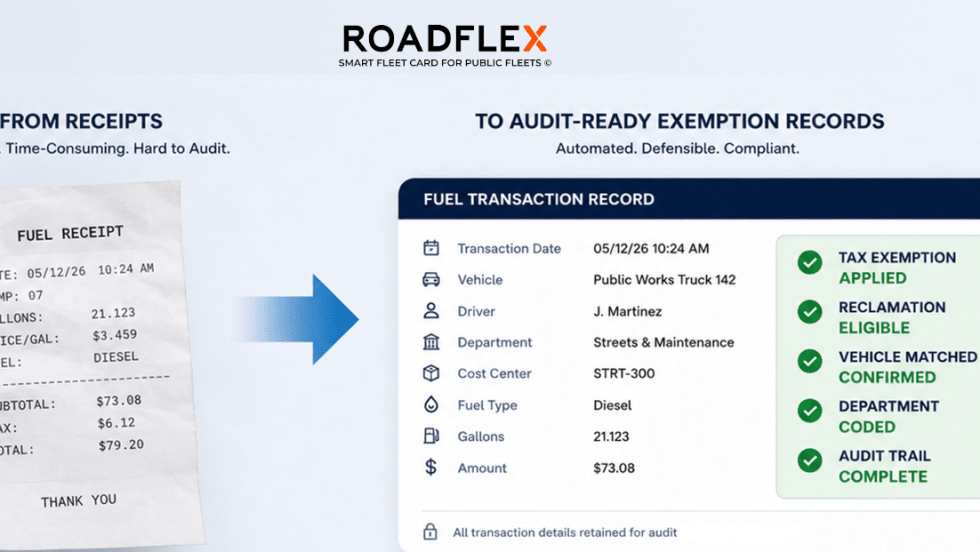
RoadFlex Brings Fuel Tax Compliance & Audit-Ready Reporting to Government Fleets
RoadFlex now offers its capabilities to help public-sector fleets streamline fuel tax exemptions, reclamation, reconciliation, and audit-ready reporting.
Read More →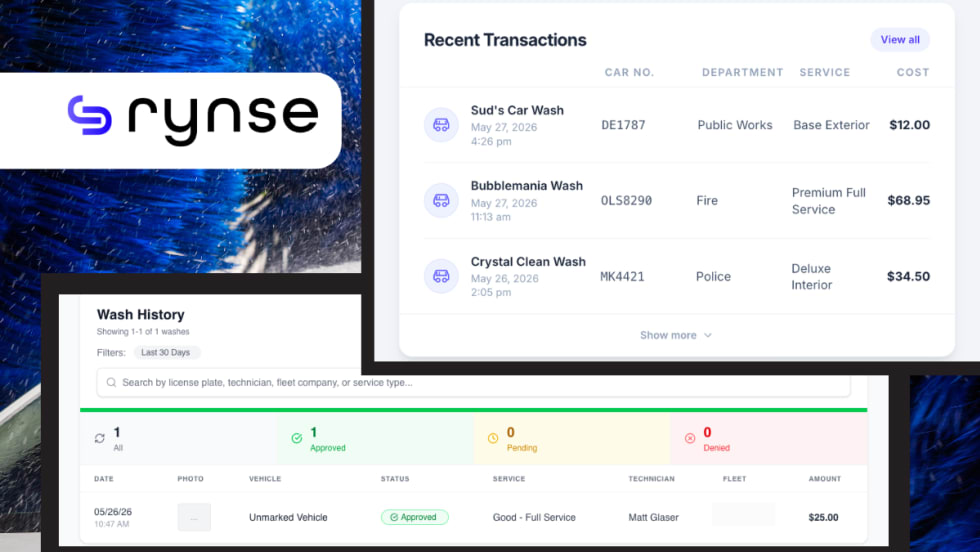
Rynse Awarded Cooperative Purchasing Contract, Expanding Nationwide Fleet Wash Access for Law Enforcement
Rynse has secured a 2026-2027 NCSA contract, giving law enforcement agencies nationwide fast-track access to its fleet wash network and management platform, which streamlines procurement, reduces administrative burdens, and helps fleets stay road-ready with greater oversight.
Read More →
Tenhold Introduces Suppressor Gun Rack System
Tenhold, formerly Jotto Desk, provides next-generation vehicle systems for law enforcement and public safety and recently debuted its Suppressor Lock Head for its Weapon Mounting system.
Read More →
Ram Debuts Pursuit-Capable 2500 Emergency Response Vehicle
The 2027 Ram 2500 Emergency Response Vehicle is the first and only ¾-ton truck to complete the Michigan State Police vehicle trials, and Ram said it delivered outstanding performance in testing scenarios designed to replicate extreme real-world duty.
Read More →
Emergency Vehicle Upfitter LEHR Opens New Facility in New Jersey
LEHR’s new centralized upfitting facility in New Jersey consolidates operations to deliver faster turnaround times and enhanced fleet capacity for law enforcement agencies across the Northeast.
Read More →
Emergency Vehicle Upfitter LEHR Expands National Footprint with New 40,000-Square-Foot Facility in Houston
LEHR has opened a 40,000-square-foot Defender Supply upfitting facility in Houston, Texas. It is expected to upfit thousands of public safety vehicles each year.
Read More →