
Police Magazine

 MENU
MENU SEARCHMENUSEARCH
Loading data...
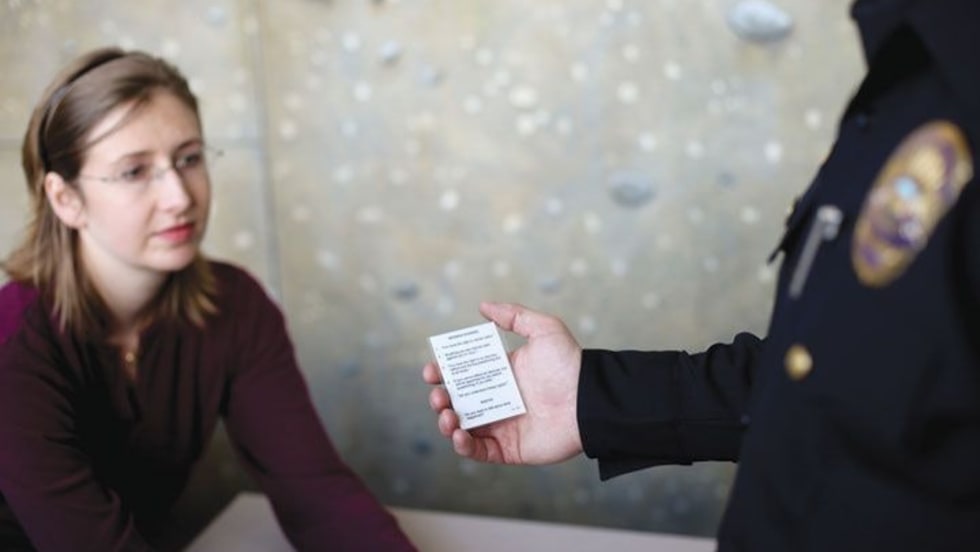
One indication of the enduring misunderstanding of the Miranda jurisprudence is the fact that after 44 years, state and federal courts continue to litigate the adequacy of dozens of variations of the particular wording used by officers - and continue to get reversed by the Supreme Court.
Read More →
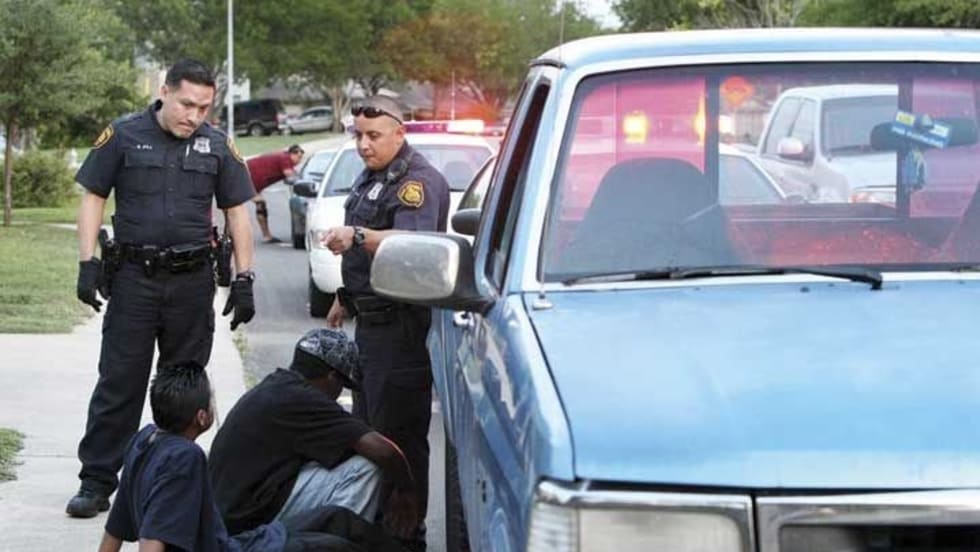


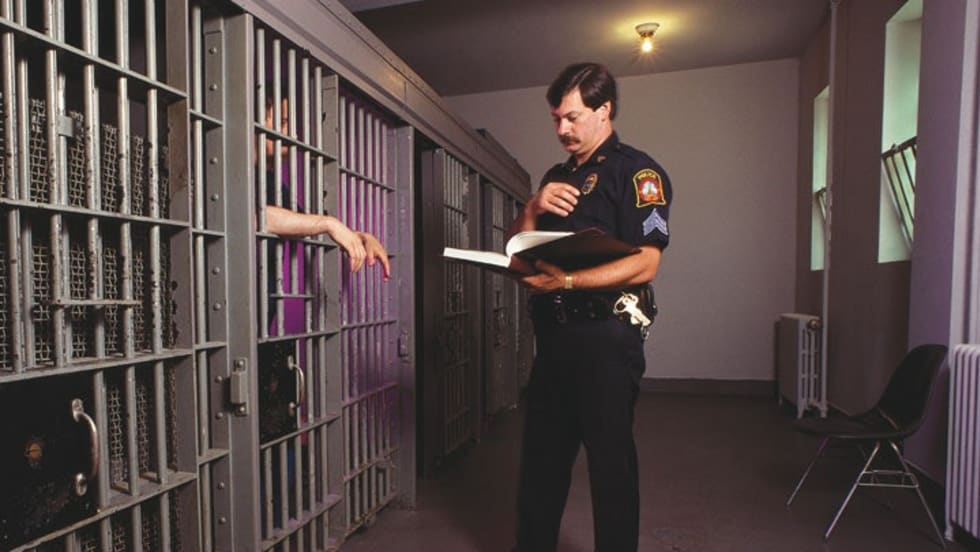
Kevin Dewayne Powell, who was arrested in August 2004 on a charge of being a felon in possession of a firearm, informed officers he possessed a handgun, after police recited their standard Miranda warning to him.
Read More →Give Miranda warnings just before commencement of apparent custodial police interrogation-not sooner. Leave Hollywood tactics to the actors.
Read More →It will now be possible for law enforcement officers to attempt to obtain a waiver and an admissible statement from a defendant without running afoul of the Sixth Amendment.
Read More →Because warnings are only required prior to custodial interrogation, one way to minimize the adverse impact of Miranda on investigations is to try to conduct interrogations whenever possible in non-custodial settings.
Read More →Notwithstanding the explosion of youth criminality, the court has largely continued to treat juvenile offenders in a more lenient and paternalistic fashion than adults.
Read More →Ever since the 1964 U.S. Supreme Court decision in Massiah v. U.S., it has been the rule that any statements about a crime that were deliberately elicited from the suspect by a government official or undercover agent, after the Sixth Amendment right to counsel had “attached” and been asserted, could not be used at trial to prove guilt.
Read More →How many times have you heard the expression "PC for the stop"? How about the application of Miranda once the suspect is "not free to leave?" These are common examples of improper mixing that can undercut the case against a guilty perpetrator.
Read More →One of the most troublesome legal issues in law enforcement is the question of when an officer may resume discussions with a suspect after some kind of Miranda "history" has occurred. The answer is, "It all depends."
Read More →In many instances, the suspect in a cold case turns out to be someone who is serving time for another crime. What are the considerations for conducting custodial interrogation of such a prisoner, insofar as Miranda and the Sixth Amendment right to counsel are concerned?
Read More →