



Premature Miranda Warnings
Give Miranda warnings just before commencement of apparent custodial police interrogation-not sooner. Leave Hollywood tactics to the actors.

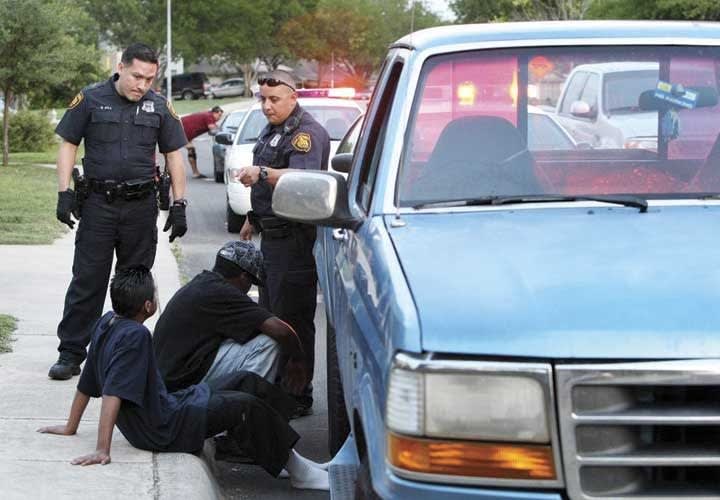
One reason I get annoyed trying to read a crime novel or watching a movie or TV show about police procedure is because so much of the fiction that purports to be "realistic" isn't. For example, only on TV or in the movies do police officers start reciting Miranda rights to the suspect while he's being hooked up out on the street. Well-informed officers wouldn't do this in real life, and for good reasons. When giving Miranda warnings, timing matters.
Miranda Rationale
When the U.S. Supreme Court imposed Miranda warnings and waivers as a condition of the courtroom admissibility of a suspect's statements resulting from custodial interrogation, the stated rationale went like this: the combination of custody and police interrogation is so inherently compelling that any suspect subjected to this process must be presumed to have been compelled to talk; the Fifth Amendment forbids compelling a person to testify against himself in a criminal case; therefore, unless something is done to neutralize this presumed compulsion, no statement taken by custodial police interrogation could be admitted against the person at his trial.
What would be sufficient to neutralize the presumptive compulsion? The court's suggestion was a pre-interrogation warning of the rights to silence and to retained or appointed counsel, and of the risk that whatever statements the person made could be used against him in court. (Miranda v. Arizona)
The court did not say-and has never held-that warnings were required simply because the person was taken into custody (Rhode Island v. Innis), nor merely because a person not in custody was subjected to interrogation. (Schneckloth v. Bustamonte) Rather, the need for warnings is triggered by "the interaction of custody and official interrogation." Illinois v. Perkins)
Obviously, when arresting officers do not intend to begin their interrogation of a suspect the moment he is taken into custody, there is no need to give the warnings until later, just before interrogation is attempted. Although some might think that it can never hurt to Mirandize a suspect and that giving warnings at the time of arrest helps ensure that warnings are not overlooked, prematurely Mirandizing has potential drawbacks.
Warnings Inhibit Volunteered Statements
In the Miranda decision, the court noted that "Volunteered statements of any kind are not affected by our holding today." The reason for this is because volunteered statements have not been elicited by police interrogation. Therefore, even though a person is in custody, his volunteered statements (sometimes also called "spontaneous statements") are not inadmissible under Miranda, even though warnings have not yet been given.
The Supreme Court itself has acknowledged that its "compulsion-neutralizer" is actually a "confession inhibitor." "Miranda warnings may inhibit persons from giving information." (Oregon v. Elstad) In many cases, "Miranda warnings deter a suspect from responding." (New York v. Quarles)
This being true, why would an officer want to reduce the chance of obtaining potential volunteered statements by giving a gratuitous warning in advance of planned interrogation? If a suspect arrested in the field will not be interrogated until he is transported to the station and placed in an interview room, why risk the loss of statements the suspect might have blurted out during the ride by needlessly giving a warning that shuts him up?
Statistics from the FBI's Uniform Crime Reports show that during the years before the Miranda decision was issued in 1966, law enforcement officers in the U.S. cleared an average of 63 percent of the Part 1 violent crimes (murder, rape, robbery and aggravated assault). Immediately after Miranda, the clearance rate fell sharply, averaging only 45 percent ever since. This 18-percentage-point drop represents a 28-percent reduction in our ability to clear violent crimes, attributable solely to the effect that hearing a Miranda warning has on the suspect's willingness to admit his crimes.
Some officers believe it can never hurt to Mirandize, even when unnecessary. Maybe people who hold this unexamined view should talk to the victims (or their survivors) of the quarter-million homicides, one million rapes, five million robberies, and nine million aggravated assaults that have gone unsolved since 1966, simply because of Miranda.[PAGEBREAK]
Miranda Warnings Preclude Impeachment with Silence
Officers with this belief should know people who have an innocent explanation for their actions are likely to give it immediately, rather than waiting several months or years to give it for the first time at their criminal trial. This reasoning explains the general rule that a defendant's story first told at trial can be impeached by pointing out that he never told the story to arresting officers, when an innocent person would logically have done so. However, whether the prosecutor will be permitted to use this impeachment technique will depend on whether arresting officers did-or did not-jump the gun with Miranda warnings, as illustrated by two U.S. Supreme Court rulings.
Doyle v. Ohio. Jefferson Doyle and another man were involved in a controlled drug transaction with a police informant. Upon Doyle's arrest, a narcotics officer immediately Mirandized him and Doyle made no statements. At trial, Doyle testified to facts that, if believed by a jury, would have constituted a defense based on his having been framed by the informant. The prosecutor impeached Doyle by showing that he did not tell this exculpatory story to the officers, suggesting that this story was contrived for trial. Doyle was convicted and appealed to the U.S. Supreme Court, which reversed. The court said this:
"Assurance that silence will carry no penalty is implicit to any person who receives the warnings. It would be fundamentally unfair to allow the arrested person's silence to be used to impeach [if silence was induced by the warnings]. We hold that the use for impeachment purposes of defendant's silence, at the time of arrest and after receiving Miranda warnings, violated the Due Process Clause of the Fourteenth Amendment." (Doyle v. Ohio)
Fletcher v. Weir. Eric Weir was arrested for stabbing another man to death during a fight. He was not immediately Mirandized, and he offered no justification for his actions to arresting officers. At trial, Weir testified that he was acting in self-defense and that he stabbed the victim accidentally. He was impeached with the fact that he did not mention this defense to police at the time of his arrest. His conviction was upheld by the U.S. Supreme Court, which said the following:
"The significant difference between the present case and Doyle is that the record does not indicate that defendant received any Miranda warnings during the period in which he remained silent immediately after his arrest. In the absence of Miranda warnings, we do not believe that it violates due process to permit cross-examination as to postarrest silence when a defendant chooses to take the stand." (Fletcher v. Weir)
In view of these two rulings, it is obvious that premature Miranda warnings at the time of arrest can deprive the prosecution of the ability to expose a defendant's untruthful testimony at trial, while waiting to Mirandize until custodial interrogation is imminent can provide the potential for such impeachment.
The Right Time to Mirandize
To ensure admissibility of statements, give Miranda warnings just before commencement of apparent custodial police interrogation-not sooner. Leave Hollywood tactics to the actors.
Devallis Rutledge is a former police officer and veteran prosecutor who currently serves as Special Counsel to the Los Angeles County District Attorney. He is the author of 12 books, including "Investigative Constitutional Law."
More Patrol
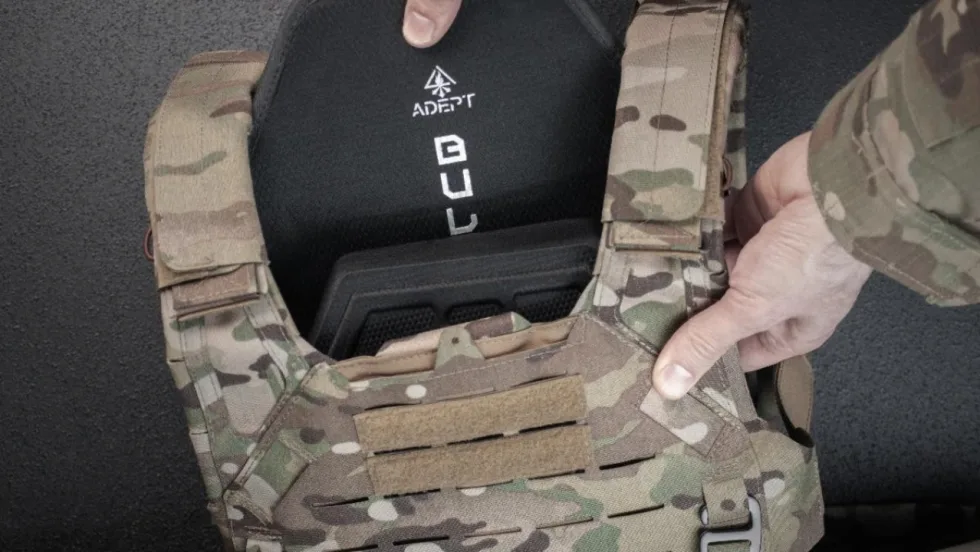
Adept Armor Introduces Two New Rifle Plates
Adept Armor has launched two new Level IV ballistic plates, the Emperor and the Archon Mark 2, which brings Adept Armor’s new Quatroid ceramic to the high-threat, performance-value center of the range at 5.2 pounds.
Read More →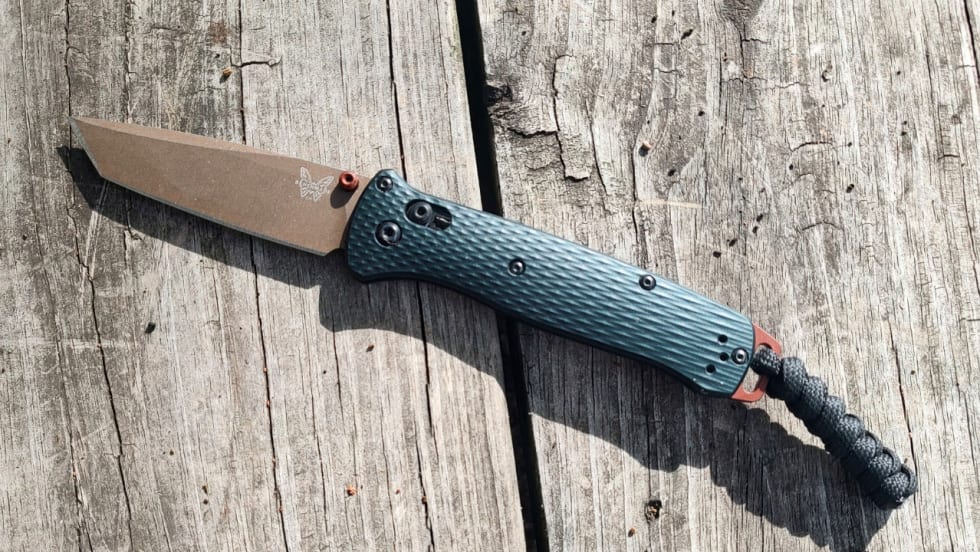
POLICE Product Test: Benchmade Bailout
The Benchmade Bailout is a slim, lightweight carry knife with a deep-ride pocket clip and comes in a variety of blade steels and scales. Here is a detailed review of the Taiga Green Bailout, released earlier this year.
Read More →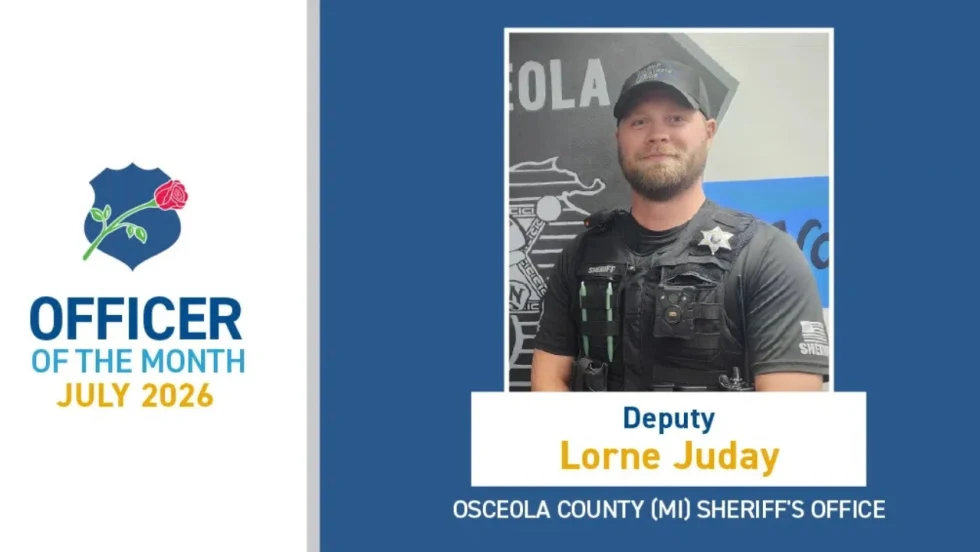
NLEOMF Announces July 2026 Officer of the Month
NLEOMF honored a Michigan deputy sheriff as the July 2026 Officer of the Month for rescuing a trapped driver from a burning vehicle following a Fourth of July crash.
Read More →
Streamlight to Showcase Newest Lighting Products at National Safety Council’s Safety Congress & Expo 2026
Streamlight will showcase its latest lights, including the Portable Scene Light III and the LiteBox 1Million, at the 2026 National Safety Council (NSC) Safety Congress & Expo.
Read More →
The 2027 World Police & Fire Games Set for Perth, Australia
The 2027 World Police & Fire Games (WPFG) will take place in Perth, Western Australia, from Friday, March 12 through Sunday, March 21, 2027.
Read More →
5.11 Partners with National Fallen Firefighters Foundation to Support #ForThe343
5.11 has joined the nationwide movement honoring the 343 New York City Fire Department firefighters lost on Sept. 11, 2001.
Read More →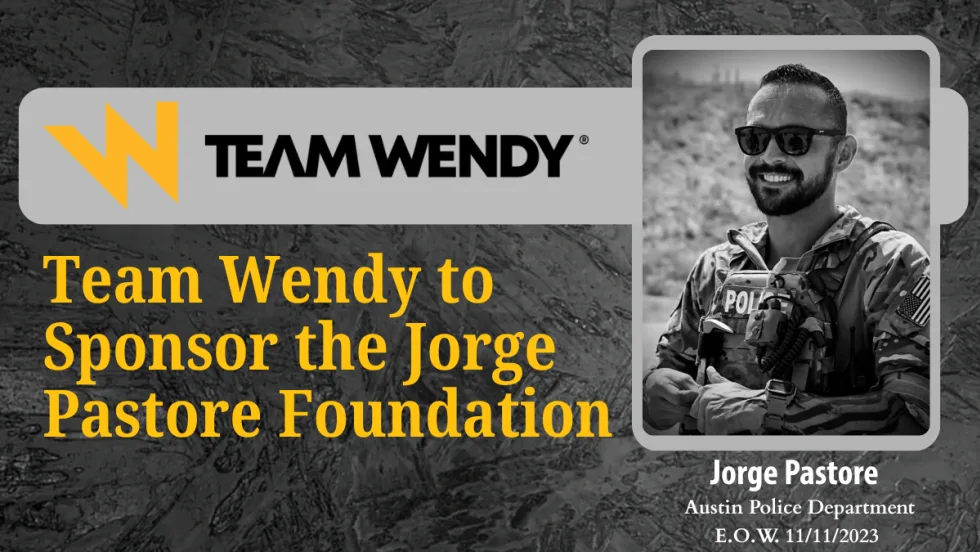
Team Wendy Announces Title Sponsorship of the Jorge Pastore Foundation
Team Wendy’s 3-year partnership with the Jorge Pastore Foundation expands access to programs that strengthen those who serve.
Read More →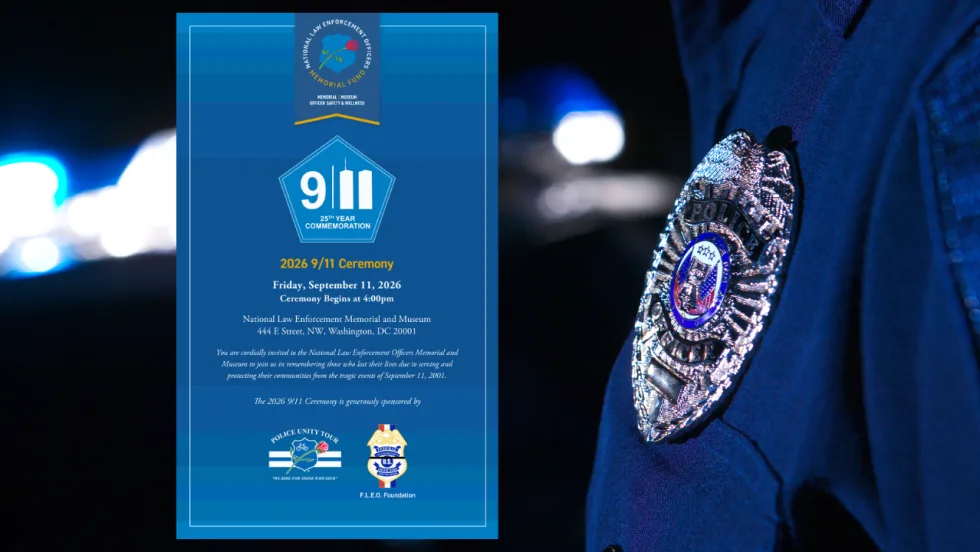
National Law Enforcement Memorial and Museum Hosting 9/11 25th-Year Commemoration Ceremony
The National Law Enforcement Memorial and Museum is hosting a 9/11 25th Year Commemoration Ceremony on Sept. 11 at 4 p.m.
Read More →
National Law Enforcement Officers Memorial Fund Announces June 2026 Officers of the Month
The National Law Enforcement Officers Memorial Fund (NLEOMF) named 15 officers of the Chico Police Department (California) as the Officers of the Month for June 2026 for their roles in responding to an active-shooter incident at a public library.
Read More →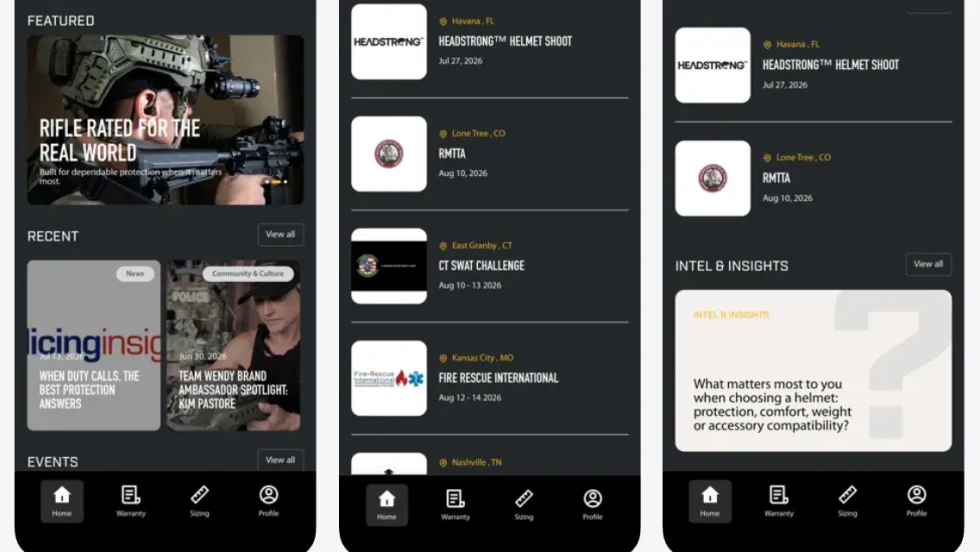
Team Wendy App Creates New Digital Hub for Helmet Owners
The Team Wendy Community App provides one location for warranty registration, size-fit tools, product updates, and community connection. For helmet owners, the new app creates a simpler path to the information and tools that matter most.
Read More →