
Police Magazine

 MENU
MENU SEARCHMENUSEARCH
Loading data...

If you can identify two or more ways to justify a detention, arrest, search, or entry, you increase the odds that at least one of them will be upheld in court.
Read More →


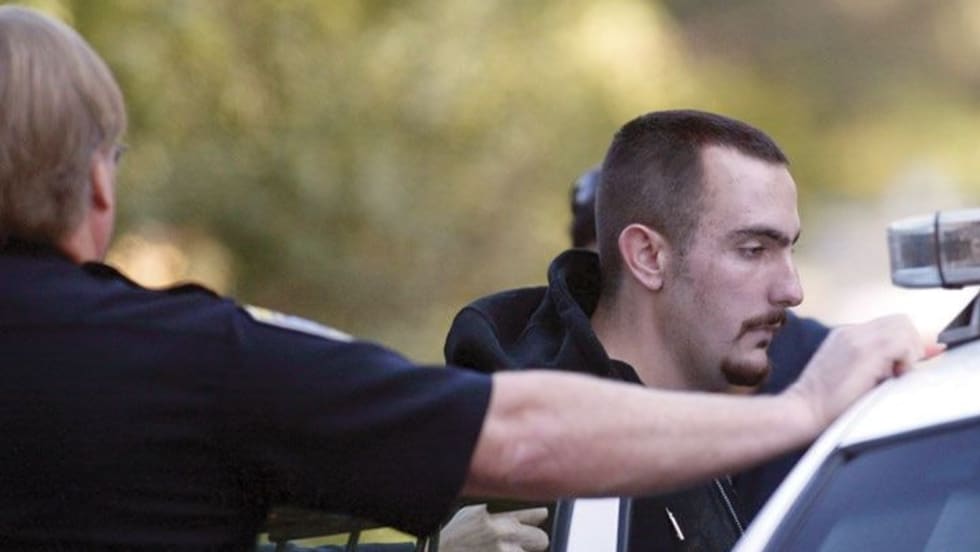

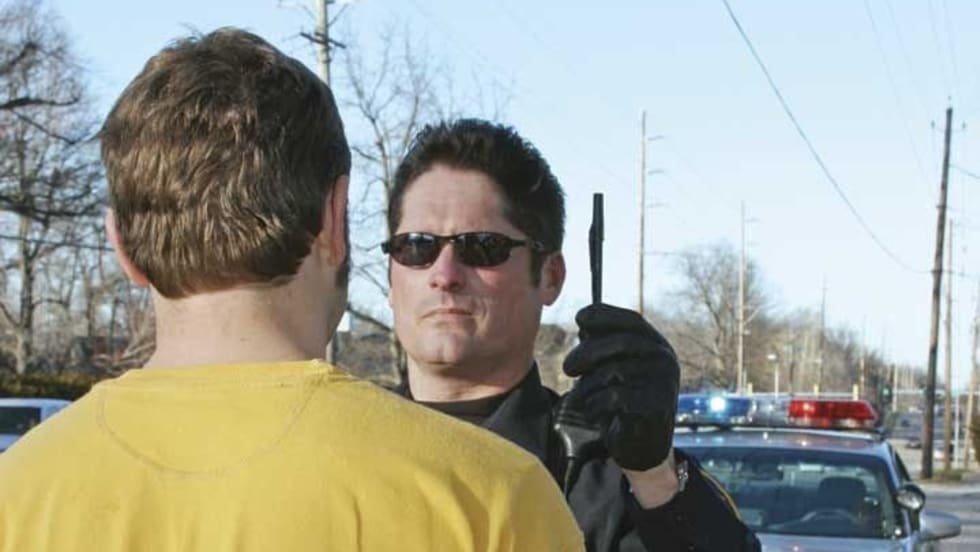



A person can frame a federal lawsuit against an officer under either the "special relationship" doctrine or the "state-created danger" doctrine.
Read More →The Edwards rule applies to all officers and all cases - not just to the case on which the suspect invoked the right to counsel.
Read More →One indication of the enduring misunderstanding of the Miranda jurisprudence is the fact that after 44 years, state and federal courts continue to litigate the adequacy of dozens of variations of the particular wording used by officers - and continue to get reversed by the Supreme Court.
Read More →When a marked police car pulls into a high-crime area and people start running away for no apparent reason, this is reasonable suspicion to stop them.
Read More →Officers can enter when it reasonably appears someone inside may need emergency aid, regardless of the officers' actual, subjective motivations for going inside.
Read More →So far, the U.S. Supreme Court has left it to the states and the federal appellate circuits to make their own rulings on the issue of whether officers may make a stop to investigate a reported drunk driver, without having any independent observations to corroborate the anonymous tip. This has led to a split of authority on the issue.
Read More →Give Miranda warnings just before commencement of apparent custodial police interrogation-not sooner. Leave Hollywood tactics to the actors.
Read More →With reasonable suspicion that someone on the premises might endanger officers during the arrest or as they departed, officers could conduct a "protective sweep" of the entire premises, looking only into areas where a person could be concealed.
Read More →Public school officials are entitled to search the student if there are reasonable grounds for suspecting the student of violating the law or any school rule. But once law enforcement officers become involved, higher justification standards will apply.
Read More →