
Police Magazine

 MENU
MENU SEARCHMENUSEARCH
Loading data...
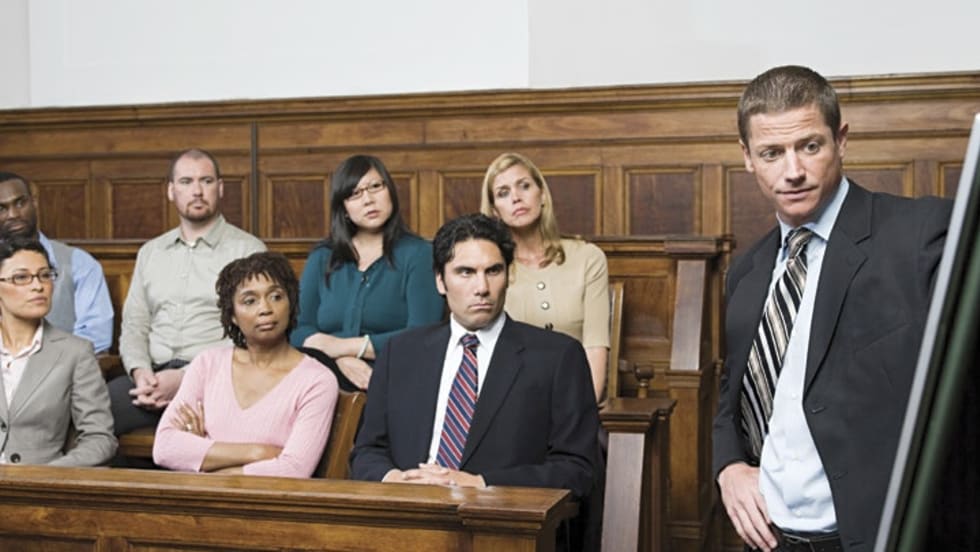
Although the prosecutor's decision to decline to pursue a prosecution could be for a variety of reasons, there are steps you can take to ensure that a rejection is not based on your police work on the case.
Read More →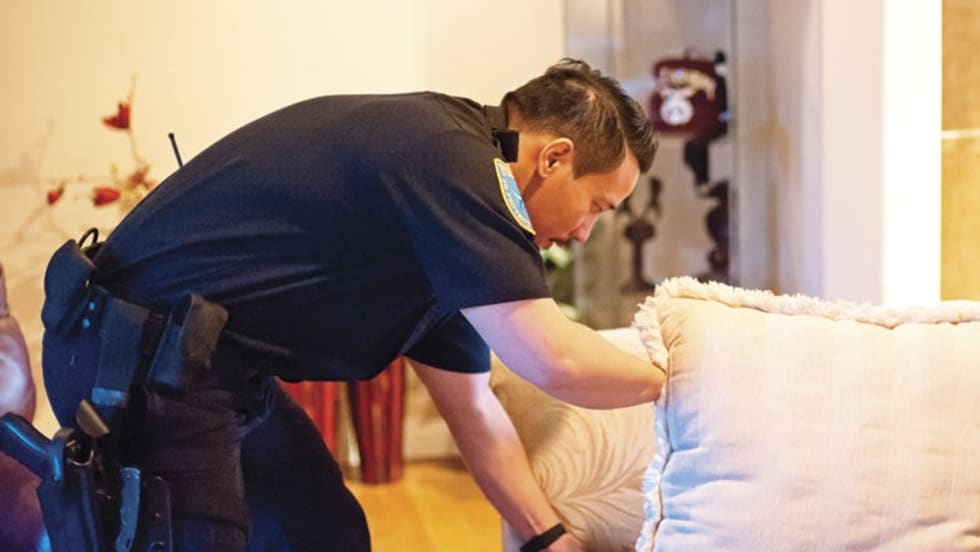
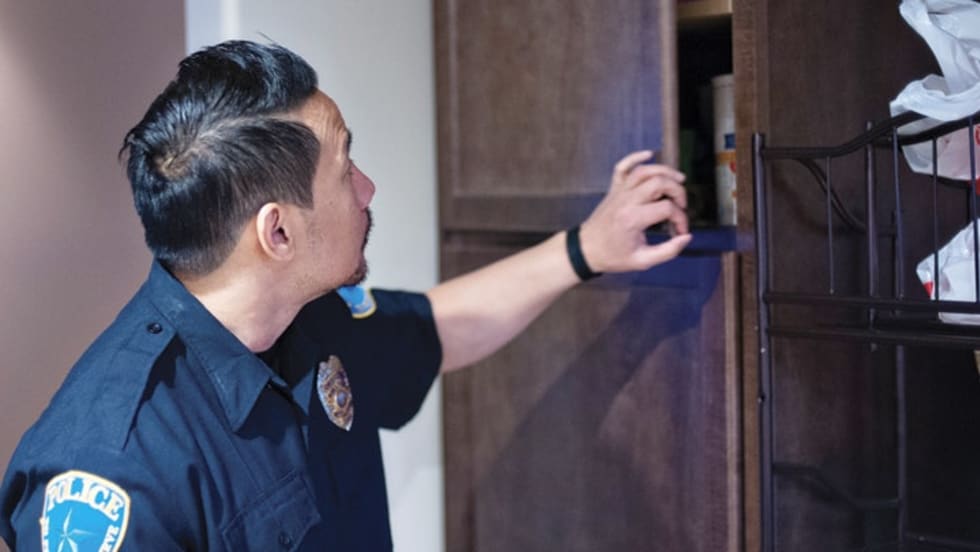
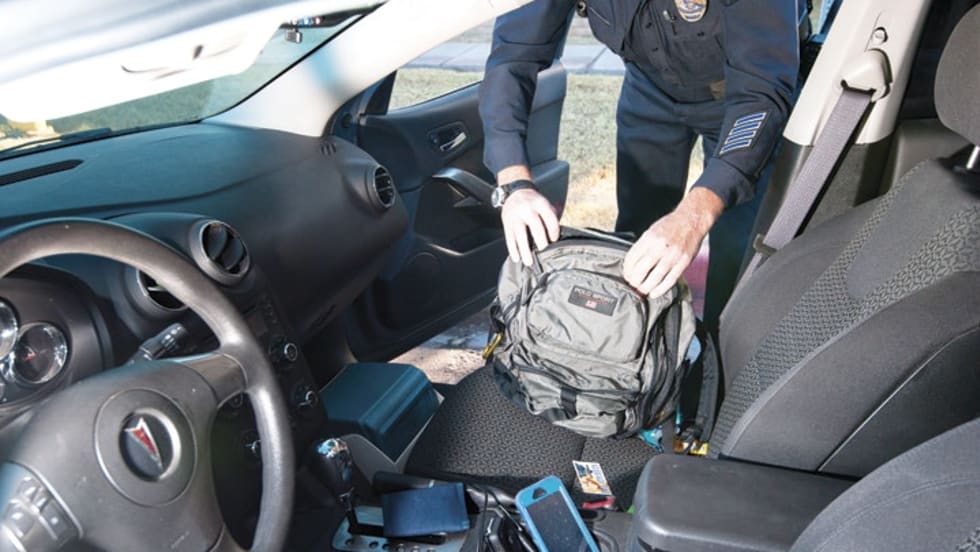
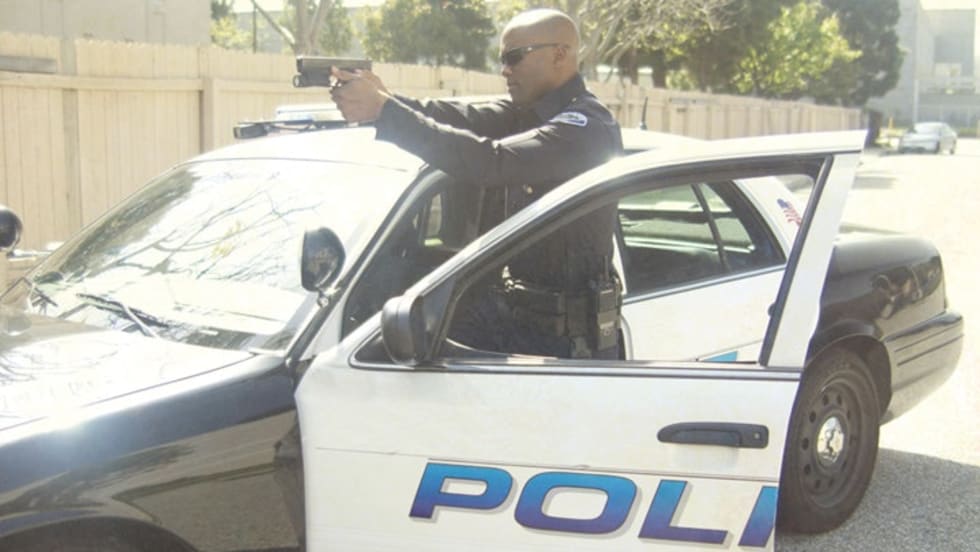
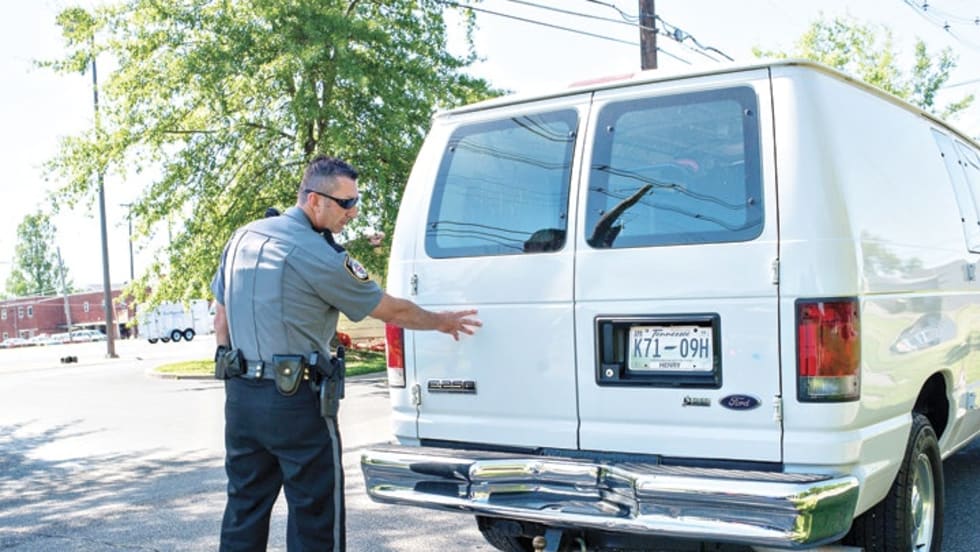
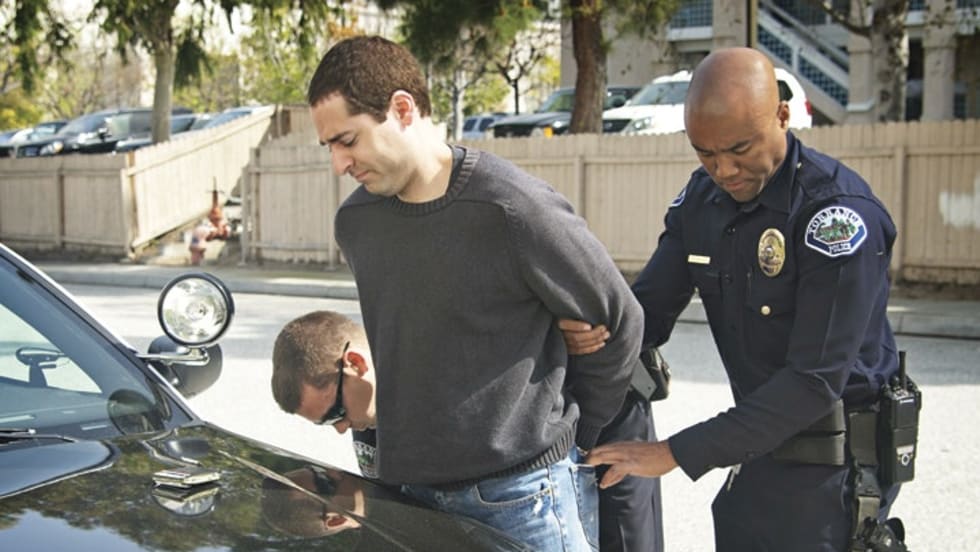
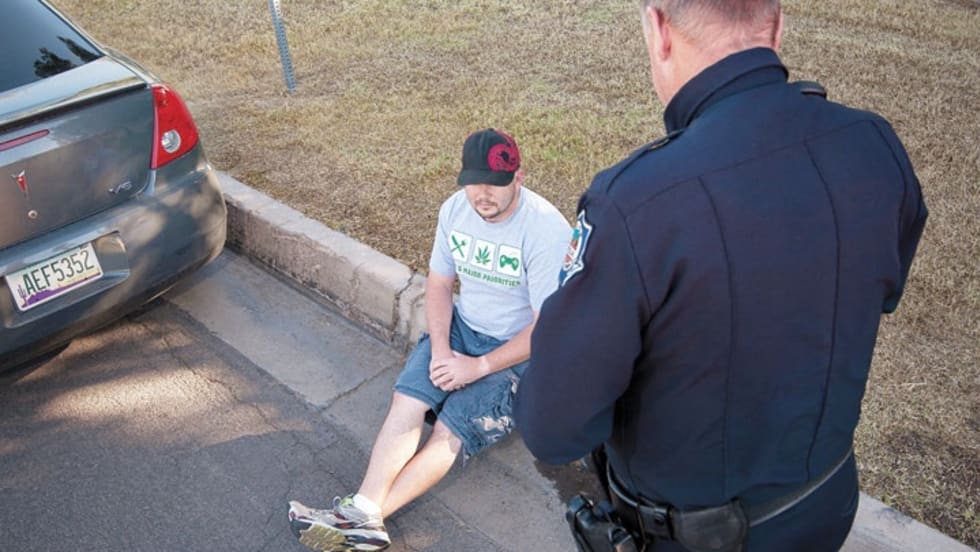

In a series of cases, the court has upheld searches and seizures made by officers who were mistaken in their understanding of the facts they confronted, or as to the law to be applied.
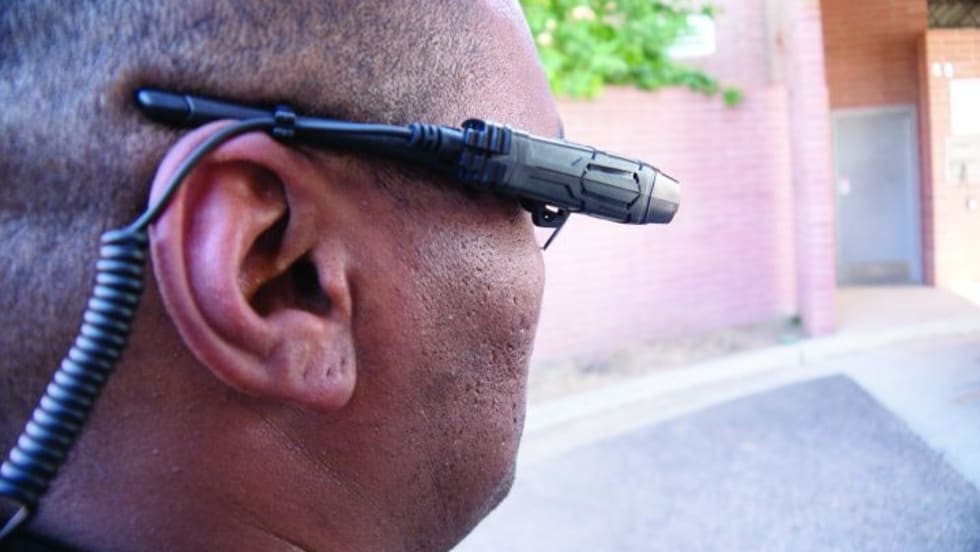
Read More →Recent events have accelerated law enforcement's timetable for adopting wearable audio-video recording devices. But using this technology has legal ramifications that have to be understood by criminal justice stakeholders.
Read More →A defendant cannot suppress evidence if he cannot show that his own legitimate rights were violated in the way it was obtained.
Read More →Ever since the U.S. Supreme Court made the Fourth Amendment exclusionary rule binding on the states in the 1961 decision in Mapp v. Ohio, thousands of published decisions from state and federal courts have applied the exclusionary rule to thousands of searches and seizures. It's no wonder the 50-year tidal wave of exclusionary decisions has left confusion and misunderstanding in its wake. Here are five areas of the law that seem to suffer the most in translation.
Read More →For the third time in 10 years, the U.S. Supreme Court has given us guidance on the kinds of circumstances that may justify the use of deadly force to stop a dangerous driver.
Read More →Although law enforcement officers are given considerable leeway for reasonable mistakes, you don't get much slack for unreasonable mistakes that result from hasty reactions to bad information that comes from your own official sources.
Read More →Many people who use the term "stop and frisk" fail to realize that there actually is no such concept in the law, and that the phrase "stop and frisk" couples two constitutionally distinct activities that do not necessarily coincide. This misunderstanding is easily traced to the coincidence in Terry v. Ohio.
Read More →Has Miranda v. Arizona adversely affected criminal justice and public safety? Miranda has resulted in the inability to clear a quarter-million homicides, 1 million rapes, 5 million robberies, and 9 million aggravated assaults.
Read More →Private residences enjoy the highest levels of Fourth Amendment protection against governmental intrusion. Here are the 10 most common ways to get inside a home without violating the Fourth Amendment.
Read More →