



How To Conduct Patrol-Level Interviews
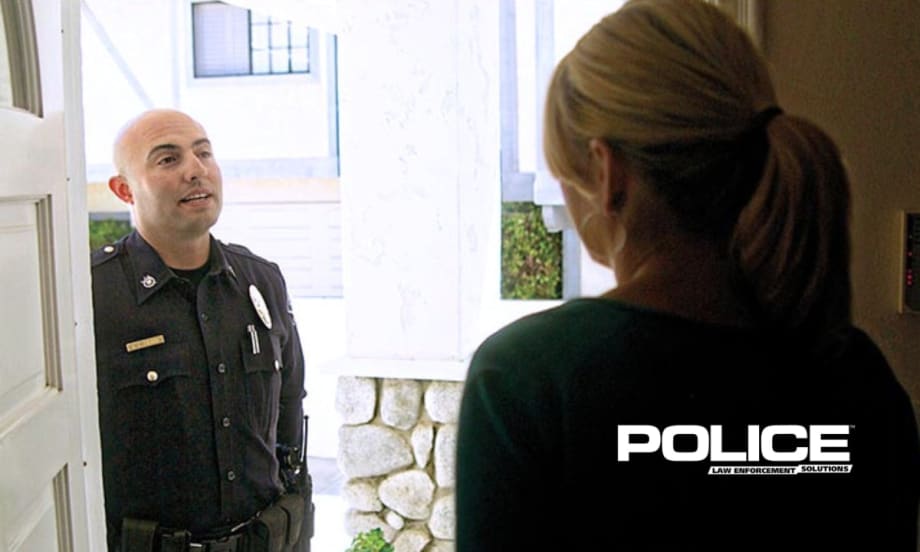
Though the mission of a patrol officer is different than that of an investigator, you will find that when it comes to teaching interviews and interrogations, the material is often geared toward an investigator. Here are tips for patrol-level interviews.

Vincent Taroc/POLICE
Patrol officers deal with interviews and interrogations in a way that's unique among law enforcement first responders. These officers share one thing in common; they don't have the luxury of time. Once they get a call assigned to them, they must accomplish certain basic tasks which include securing the scene, conducting interviews and interrogations, and obtaining enough information for a written report. It's the nature of the beast for an initial investigation. Handle the call at your level of responsibility and move on to the next one.
Although there are no national standards for how long a patrol officer has to investigate a call for service, it's safe to say that most calls are handled in under an hour. Anything more than that usually requires calling out a follow-up investigator to continue to work the incident. Unlike a first responding officer, a follow-up investigator can usually take whatever time they feel is necessary in order to work the case to its logical conclusion.
Though the mission of a patrol officer is different than that of an investigator, you will find that when it comes to teaching interviews and interrogations, the material is often geared toward an investigator. When a patrol officer takes the same course, it's left up to them to pick and choose what is applicable to them in the field. That being said, I have assembled some useful information specifically tailored for the patrol officer during their initial investigation.
Interview or Interrogation
The goals of an interview are different than those of an interrogation. An interview can either be planned or spontaneous in nature. The goal of the interview is to obtain information from anyone having knowledge of the events or circumstances related to the incident you are investigating. Interviews are associated with victims, witnesses, and complainants.
An interrogation, on the other hand, is associated with suspects. The goal of an interrogation is to get critical information about the crime that occurred. Ideally when you interrogate the suspect, you end up with an admission or confession. An interrogation can be custodial or noncustodial and I would consider it the more formal of the two.
The purpose of interviews and interrogations is the same. They are done in order to collect information, confirm facts, and determine the specific events of the case. You use both at the appropriate times to fill in the blanks when it comes to who, what, when, where, why, and how questions. Your goals for using interviews and interrogation are to obtain the truth of what happened and take whatever measures necessary within the law.
Miranda Warnings
Cases are lost every year due to the mishandling of Miranda warnings. Every officer should be familiar with the Fifth Amendment to the United States Constitution which guarantees certain rights to those that are being interviewed and or interrogated. To violate these rights will not only trash the investigation but could lead to legal action against the officer. I have included some interview and interrogation specific case law that every officer should be familiar with for your review.
1. Brown v. Mississippi, 297 U.S. 278 (1936): Use of force in obtaining a confession will make the resulting confession inadmissible.
2. Escobedo v. Illinois, 378 U.S. 478 (1964): Refusal to honor the accused's request to consult with their attorney will make their statements inadmissible.
Miranda v. Arizona3. , 384 U.S. 346 (1966): Whenever a person is taken into custody or deprived of their freedom in any significant way, they must be given specific warnings of their rights or any statements made will be inadmissible.
4. Oregon v. Mathiason, 429 U.S. 492 (1977): Miranda warnings are not necessarily required unless there is some restriction of freedom that places the suspect in custody.
5. New York v. Quarles, 467 U.S. 649 (1979): Miranda warnings need not be given to a suspect if asking questions reasonably prompted by a concern for public safety.
The trick to applying Miranda warnings is knowing when you are conducting a custodial interrogation. You can apply the following two-pronged test: Is the person under arrest or otherwise restrained (not free to go) and are you asking questions or engaged in an activity that is designed to elicit an incriminating response? If the answer is "yes" to both those questions, then you have to give them their Miranda warnings. I recommend you always read Miranda warnings from your agency-issued card. It will guard you from attack by a defense attorney later on.
Establish Rapport
The need to establish rapport has almost become cliché but it remains a necessary component of conducting any type of interview. It is also one of the hardest things to accomplish at the patrol level because you don't have all day. To be successful, there are certain guidelines you must follow. For example, if you are not sincere, you will almost certainly close off the information flow. In order to establish rapport and your credibility, you must also dispel the person's fear.
You do this by having a casual conversation using simple words and sentences. Listen carefully in order to show you are interested. Maintain eye contact and remain courteous and respectful. Don't become absorbed in taking notes. Instead, listen first, write second.
What Questions to Ask
You need to establish a timeline and identify all the players. You must identify the elements of the crime, speak with anyone who has any useful information, sift through the information, and determine the facts. Stick to the basics by asking who, what, when, where, why, and how types of questions.
Make every effort to ask open-ended questions so you can get as much information as possible. Reserve yes and no types of questions for when you need to clarify something.
General Considerations
Here are some tips I have picked up over the years:
1. You must never forget what it feels like to be a victim. Your victim shouldn't be made to feel like a victim a second time based on your actions.
2. You can think whatever you want, just don't voice your thoughts to any victim, witness, or suspect.
3. If you treat people with dignity and respect, you will get more information. Even if you don't, you'll get a lot less drama and pushback.
4. When dealing with introverts, remember that they process information differently, can't handle too much information at once, and will shut down if overloaded.
5. When dealing with extroverts, realize that they want to see what you have. They will answer in bits and pieces based on your conversation. They talk a lot but don't say much.
6. Don't lie to people you interview. Your most important asset is your word.
7. The truth always matches; lies do not.
8. Time is something you can never get back, so make the most of yours.
9. Remain flexible and go with the flow. Your questions might be going in one direction, and their answers may take you in another.
10. Do not make any promises you can't keep; it's just as bad as lying.
Final Thoughts
Even though you don't have the same amount of time to conduct your interviews as an investigator, you can still learn much from spending time with one. Job shadow and learn some tips from their training and experience. Conducting interviews and interrogations is an art form you develop over time. Just because you work patrol doesn't mean you can't be effective.
Amaury Murgado retired a senior lieutenant from the Osceola County (FL) Sheriff's Office with over 29 years of experience. He also retired from the Army Reserve as a master sergeant. He holds a Master of Political Science degree from the University of Central Florida.
More Patrol
Why Tennessee’s New Deadly Force Law Matters Beyond Tennessee
Tennessee’s new deadly force law is more limited than many may realize. Effective July 1, 2026, the law applies to a person who is not engaged in conduct that would constitute a felony or a Class A misdemeanor and who is in a place where the person lawfully resides. But it could have far-reaching influence.
Read More →
When Do You Transport a Wounded Officer by Police Vehicle?
Time-sensitive injuries like penetrating trauma mean a wounded officer needs to reach a trauma center as soon as possible, and in some cases, that means transporting by police vehicle rather than waiting for EMS. What are the factors to consider in making that transport decision?
Read More →
Safariland Solis Rethinks Concealable Duty
What if Level I retention didn’t require a full duty rig? Safariland’s Solis delivers trusted ALS security in a streamlined OWB platform built for administrative and plainclothes professionals who need protection without the bulk.
Read More →
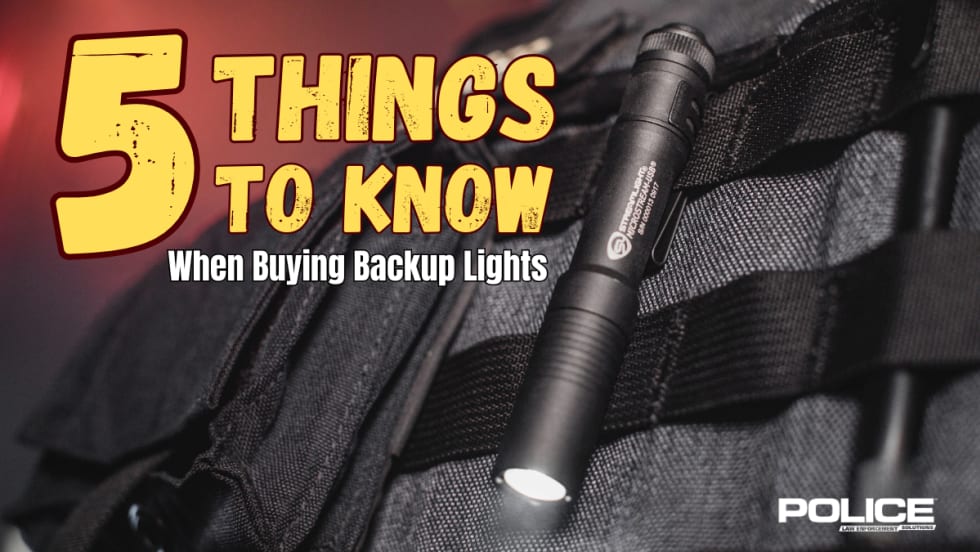
5 Things to Know When Buying Backup Lights for Patrol Use
What is the value of a backup light, and what do you need to consider when selecting one? These smaller lights are invaluable as a secondary or special-purpose light and can be easily carried in a pocket or clipped to MOLLE gear, a key chain, shirt, or a vest.
Read More →
363 Fallen Officers Honored During National Police Week
In case you missed NELOMF’s annual Candlelight Vigil, here are all 363 names of the fallen officers whose names were added to the National Law Enforcement Officers Memorial this year.
Read More →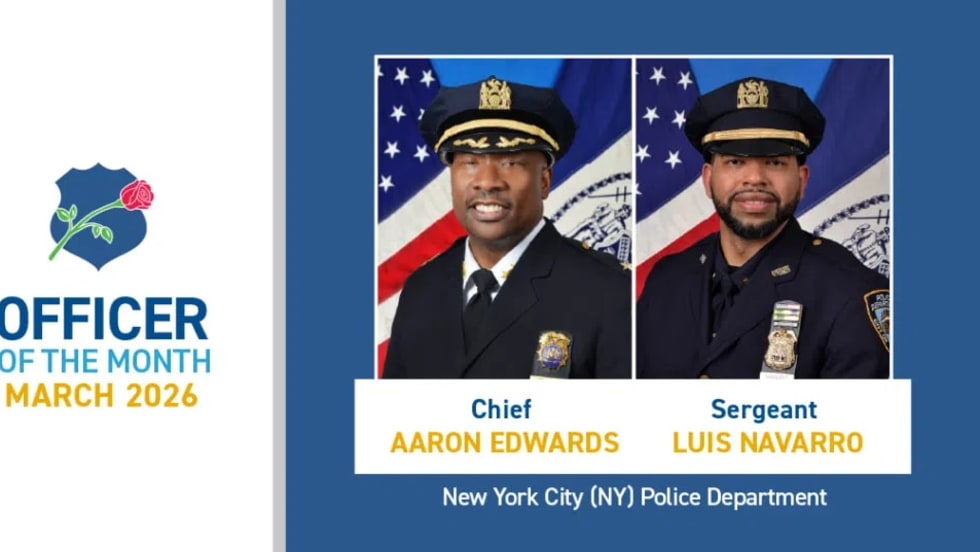
NYPD Officers Who Responded Quickly During IED Incident Recognized as NLEOMF Officers of the Month
Chief Aaron Edwards and Sgt. Luis Navarro were recognized by NLEOMF as Officers of the Month for their response during an IED incident and their actions that helped prevent harm to the public.
Read More →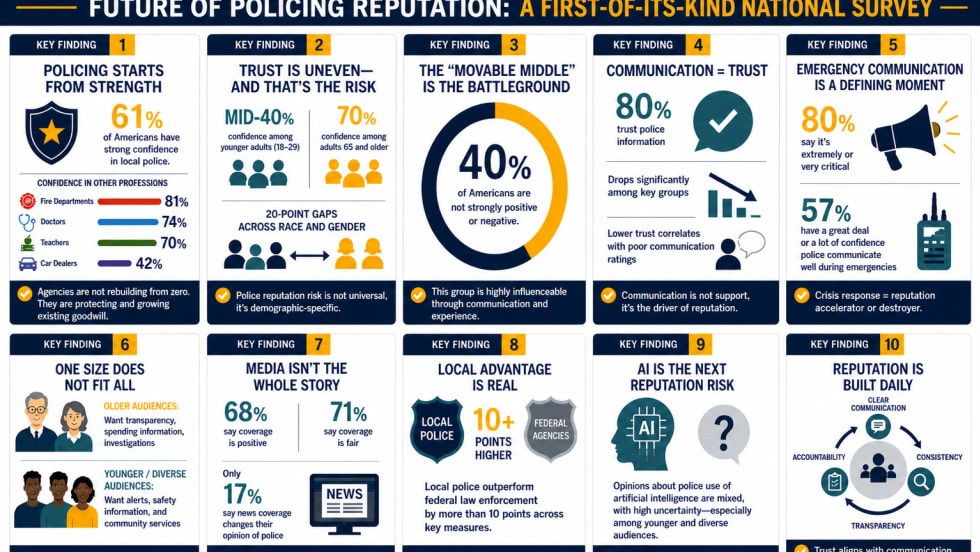
National Police Survey Reveals How Americans View Policing Today
A new national survey offers a comprehensive look at how Americans view policing. The study uncovers public sentiment toward local vs. federal police, communications, crisis response, the use of AI in policing, and more.
Read More →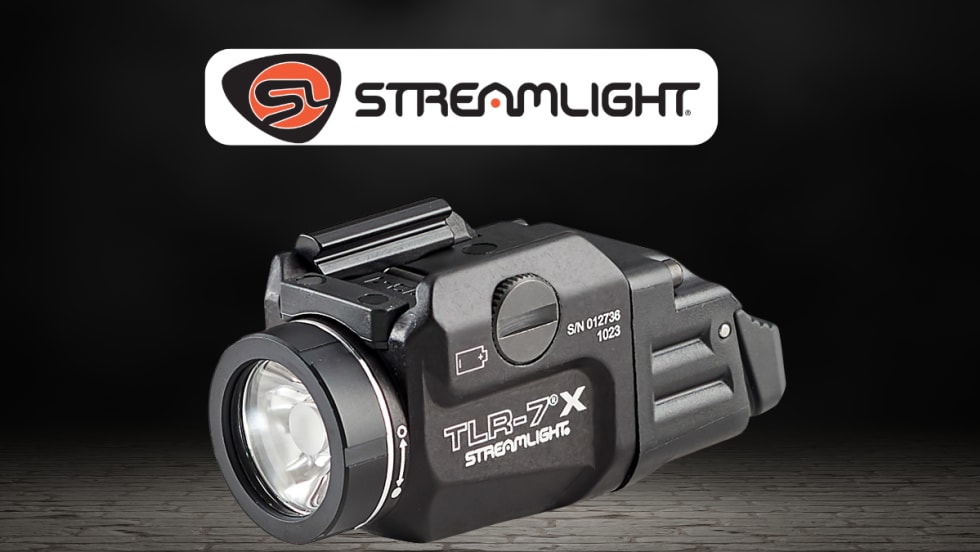
Streamlight TLR-7 X Selected as Standard Issue Pistol Light by Canadian Federal Police
The Canadian Federal Police will be adding a new duty pistol system, which will include Streamlight’s TLR-7 X and a Glock 45 MOS 7 pistol with a red dot sight.
Read More →
Fallen Law Enforcement Officers from Across the Country to be Honored During 38th Annual Candlelight Vigil on May 13th in Washington, D.C.
The National Law Enforcement Officers Memorial Fund (NLEOMF) will honor 363 fallen officers who have died in the line of duty as their names are added to the National Law Enforcement Officers Memorial during the annual Candlelight Vigil on May 13.
Read More →
What Should Be in Your IFAK?
What should every officer include in an IFAK? Sydney Vail, M.D., a veteran trauma surgeon and former SWAT surgeon, explains which components are needed and which are not, and stresses training.
Read More →