



How It All Began: Miranda v. Arizona
The genesis of the Miranda warnings can be traced to March 13, 1963, when Ernesto Arturo Miranda was arrested by officers of the Phoenix Police Department for stealing $4 from a bank worker and for the kidnap and rape of another woman.

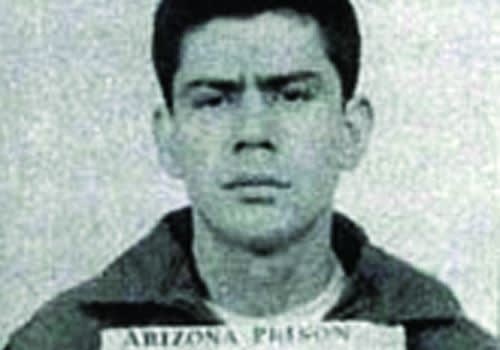
Photo via Flickr.
The genesis of the Miranda warnings can be traced to March 13, 1963, when Ernesto Arturo Miranda was arrested by officers of the Phoenix Police Department for stealing $4 from a bank worker and for the kidnap and rape of another woman. He already had a record for armed robbery, as well as a juvenile record that included attempted rape, assault, and burglary.
The police took him into custody and transported him to a police station. At headquarters, the victim of the sexual assault was unable to identify Ernesto Miranda as her attacker. The police brought Miranda to an interrogation room, where they questioned him about the crimes.
At the time, Miranda was 23 years old, indigent, and had not completed ninth grade. At the beginning of the interrogation, Miranda expressed his innocence. After about two hours of interrogation the police emerged with Miranda's signed confession to the crimes. The interrogation techniques used by the police were quite mild, and there were no objectionable methods used that might have rendered the confession "coerced" in the Due Process sense.
At the trial, Miranda's defense team moved to suppress the confession on the grounds the suspect had not been made aware of his Fifth Amendment right against self-incrimination. The confession was admitted into evidence and Miranda was convicted of rape and kidnapping and sentenced to 20 to 30 years imprisonment on each charge, with sentences to run concurrently.
The case was appealed to the Arizona Supreme Court, which affirmed the trial court's decision. The Arizona Supreme Court's decision was heavily predicated on the fact Miranda did not request a lawyer.
In 1966, the U.S. Supreme Court reviewed the confession and the officer's testimony. Miranda's confession was written on pages that contained the words, "this confession was made with full knowledge of my legal rights, understanding any statement I make may be used against me." Despite this, it was clear that Miranda had never been verbally advised of his right to counsel or his right to have a lawyer present during his questioning. The police never told Miranda of his right to not be compelled to incriminate himself.
The Supreme Court decided in a 5-4 ruling that without these warnings all statements Miranda made were presumed to have been compelled by the inherently coercive atmosphere of custodial interrogation, and the statements were therefore inadmissible under the Fifth Amendment. The Supreme Court went on to say that the very nature of a custodial police interrogation is intimidating and a suspect must be advised of his rights to counterbalance this intimidation.
The Supreme Court reversed the lower court's decision and remanded the case for re-trial. Ernesto Miranda was retried for the crimes. The confession was not admitted into evidence. And it didn't matter; he was convicted and sentenced to 20 to 30 years in prison. In 1975, he was paroled.
Upon release, Miranda hung around bars in rough parts of Phoenix. On Jan. 31, 1976, a bar fight broke out; Miranda was fatally stabbed. When the police apprehended a suspect, they advised him of his rights per Miranda. The suspect exercised his rights and made no statement. No charges were ever filed in the stabbing death of Ernesto Miranda.
Related:
More Patrol

The First Responders Children’s Foundation National First Responders Day Roll Call of Heroes Ceremony Returns to Times Square, NYC
First Responders Children’s Foundation (FRCF), in collaboration with T-Mobile, will host the Roll Call of Heroes ceremony in Times Square to commemorate National First Responders Day on Wednesday, Oct. 28. During the event, FRCF will present 18 Hero Awards.
Read More →
Streamlight to Showcase Newest Lighting Products for Law Enforcement Professionals at IACP 2026
Streamlight will showcase its newest lights for law enforcement at the International Association of Chiefs of Police Annual Conference & Expo. Featured lights will include the TLR-3 X, the PolyTac 1X, and more.
Read More →
Streamlight Portable Scene Light III Wins 2026 OH&S New Product of the Year Award
Streamlight’s Portable Scene Light III has won the 2026 Occupational Health & Safety (OH&S) New Product of the Year Award in the Lighting category.
Read More →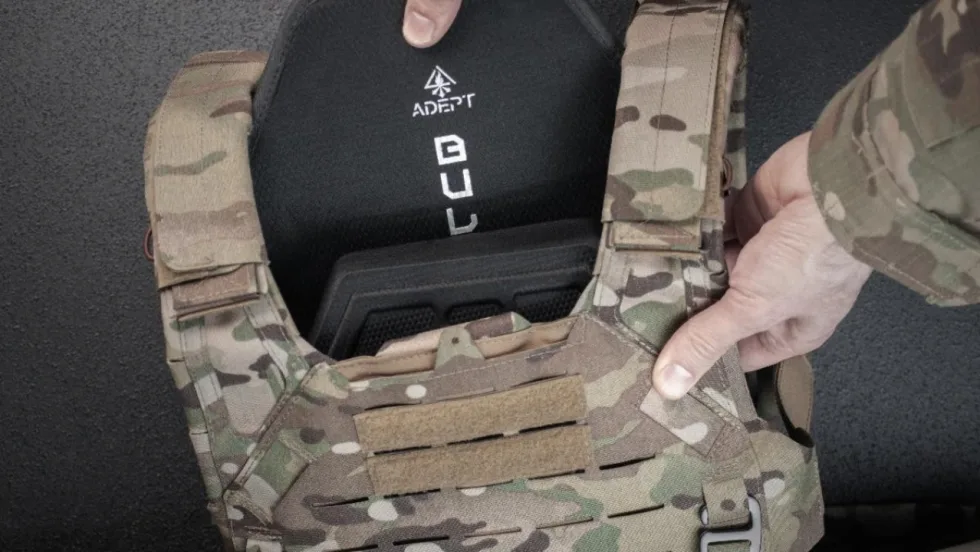
Adept Armor Introduces Two New Rifle Plates
Adept Armor has launched two new Level IV ballistic plates, the Emperor and the Archon Mark 2, which brings Adept Armor’s new Quatroid ceramic to the high-threat, performance-value center of the range at 5.2 pounds.
Read More →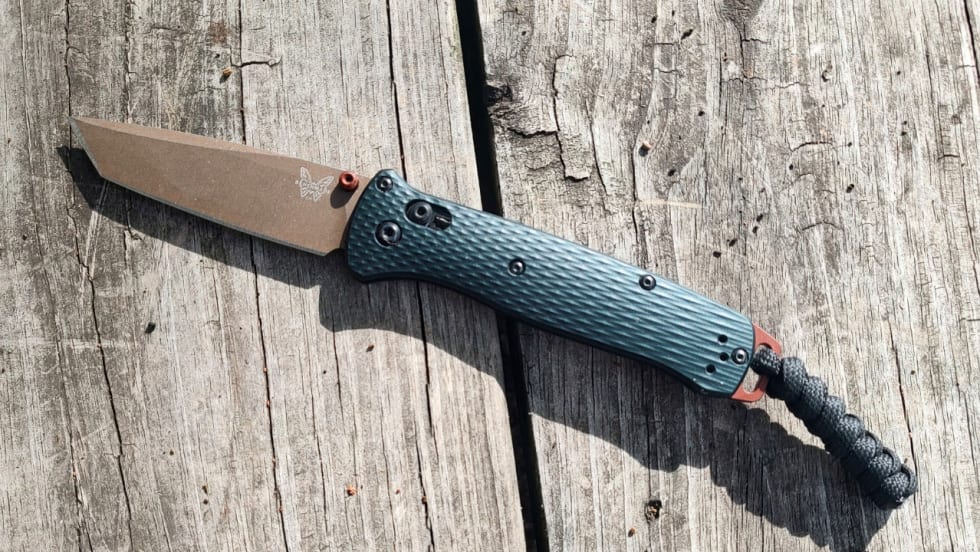
POLICE Product Test: Benchmade Bailout
The Benchmade Bailout is a slim, lightweight carry knife with a deep-ride pocket clip and comes in a variety of blade steels and scales. Here is a detailed review of the Taiga Green Bailout, released earlier this year.
Read More →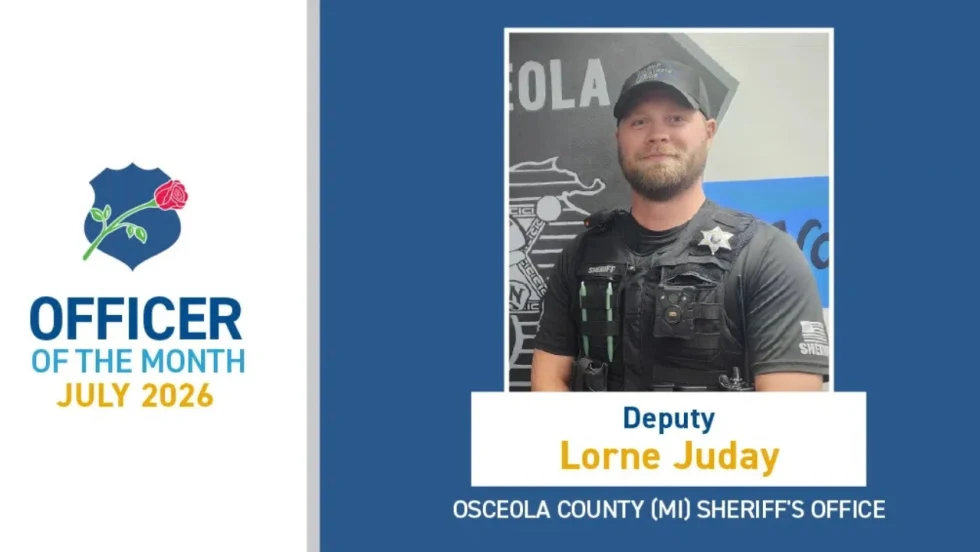
NLEOMF Announces July 2026 Officer of the Month
NLEOMF honored a Michigan deputy sheriff as the July 2026 Officer of the Month for rescuing a trapped driver from a burning vehicle following a Fourth of July crash.
Read More →
Streamlight to Showcase Newest Lighting Products at National Safety Council’s Safety Congress & Expo 2026
Streamlight will showcase its latest lights, including the Portable Scene Light III and the LiteBox 1Million, at the 2026 National Safety Council (NSC) Safety Congress & Expo.
Read More →
The 2027 World Police & Fire Games Set for Perth, Australia
The 2027 World Police & Fire Games (WPFG) will take place in Perth, Western Australia, from Friday, March 12 through Sunday, March 21, 2027.
Read More →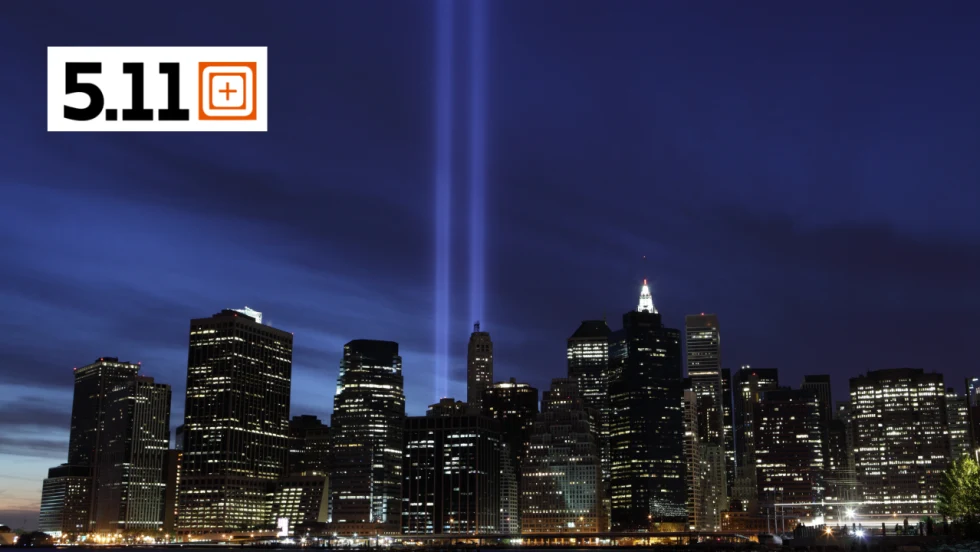
5.11 Partners with National Fallen Firefighters Foundation to Support #ForThe343
5.11 has joined the nationwide movement honoring the 343 New York City Fire Department firefighters lost on Sept. 11, 2001.
Read More →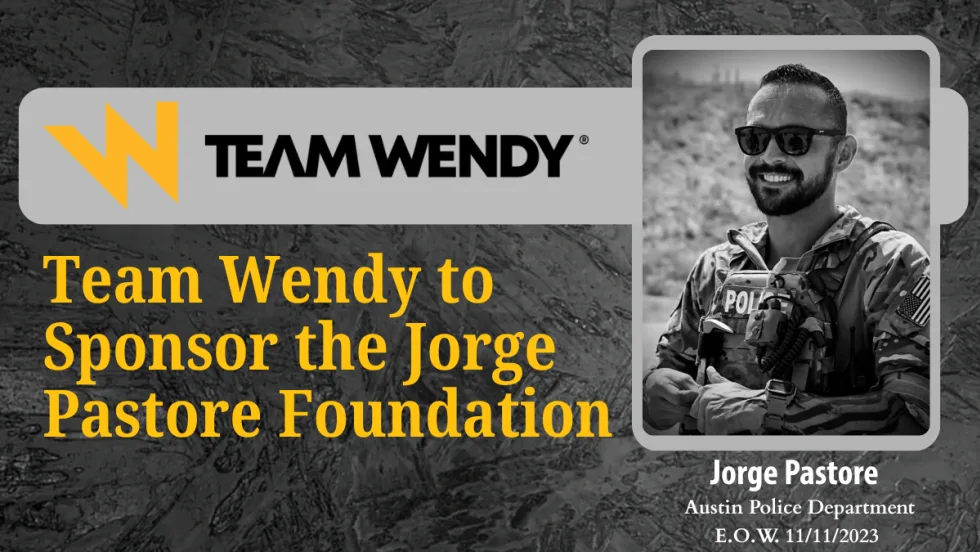
Team Wendy Announces Title Sponsorship of the Jorge Pastore Foundation
Team Wendy’s 3-year partnership with the Jorge Pastore Foundation expands access to programs that strengthen those who serve.
Read More →