



L.A. County Sheriff Adds Mobile Computers To Fleet
The new computer systems will provide more than 2,400 field units with greater access to new public safety technologies. Deputies will now be able to utilize the Sheriff's Data Network, Intranet and other criminal databases from their vehicles.

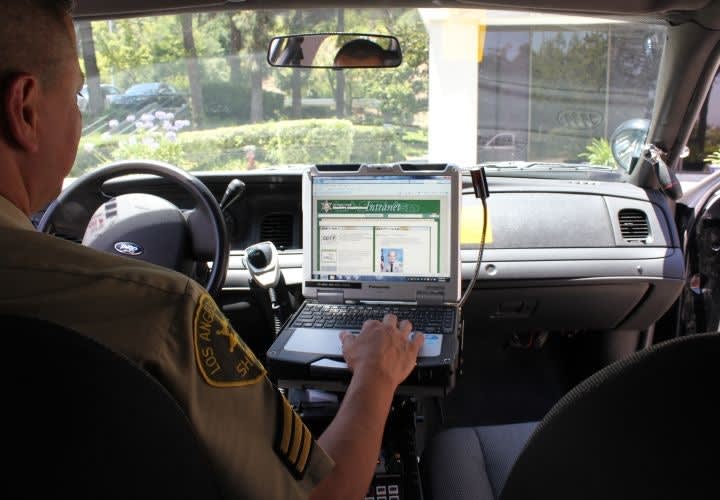
Photo: Paul Clinton
The Los Angeles County Sheriff's Department (LASD) and Raytheon Company have begun equipping patrol vehicles with mobile data computer systems that will allow patrol deputies to tap into wider data sources from their cruisers.
The LASD will equip patrol cars, motorcycles, prisoner transport vehicles and SUVs with Raytheon-integrated computer systems that were unveiled today at a news briefing in Los Angeles.
"Raytheon worked closely with our sheriff's deputies, engineers and technicians to integrate the latest public safety technologies and capabilities into our vehicles," said Sheriff Lee Baca, whose agency is the largest sheriff's department in the nation. "This new mobile data computer system will greatly increase the efficiency of deputies in the field, providing them more knowledge at their fingertips, and enabling them to do more for the public now and in the years ahead."
The computer systems will provide more than 2,400 field units with greater access to new public safety technologies. Deputies will now be able to utilize the Sheriff's Data Network, Intranet and other criminal databases from their vehicles. The systems provide access to law enforcement information including fingerprint databases and give officers expedited GPS routing to emergency calls.
The new system also allows deputies to use in-field fingerprint readers that connect to the system via a wireless router installed in the vehicle. The upgrade will give deputies the ability to retrieve faster results from fingerprint scans of subjects.
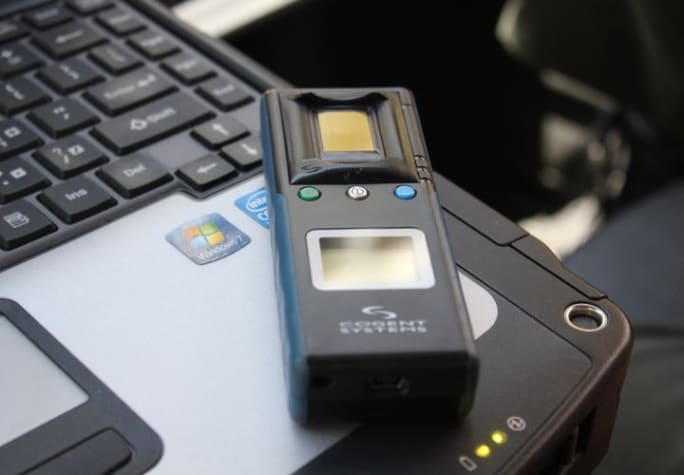
The LASD's new mobile computing system allows faster fingerprint scans using these wireless readers. Photo: Paul Clinton
"Linking the complex hardware and software in the vehicles required a skilled systems integrator like Raytheon," said Daniel J. Crowley, president of Raytheon Network Centric Systems. "That expertise is what makes our company a leader in the public safety market. As a significant employer in Los Angeles County, Raytheon has a vested interest in improving public safety for the county."
The agency will have the added benefit of using Raytheon's Public Safety Regional Technology Center, which is opening in Downey this winter, to maximize the capabilities of the system as new technologies become available. Additionaly, the Center for Public Safety Network Systems at UCLA will create a collaborative research forum that brings together academia, industry and public safety agencies.
The $19.9 million investment with Raytheon by the LASD and the County of Los Angeles will dramatically upgrade the 1987 mobile digital technology now being used in the cruisers.
By Paul Clinton
Related:
More Technology

A police agency's guide to data-driven fleet management
Costs are rising and the public expects more transparency into how their tax dollars are spent. This e-book shows how police agencies can use fleet data to take control of fleet expenses while improving officer safety and demonstrating fiscal responsibility to the communities they serve.
Read More →
AI and analytics for law enforcement: Turning data into insights
Law enforcement agencies are managing more video, sensor data and digital evidence than ever before. Discover how AI and analytics can help turn that data into actionable insights that strengthen situational awareness, accelerate investigations and support more informed decisions.
Read More →
Vasco Electronics Adds Automatic Language Detection to Vasco Translator Q1
Vasco Electronics’ software update introduces hands-free language switching and expanded offline translation across 45 language pairs, empowering law enforcement, healthcare, and front-office enterprise teams
Read More →

North Miami Police Department Deploys Mark43
The North Miami Police Department has deployed Mark43 as part of its Five-Year Strategic Plan that represents its collective vision and goals for a more proactive police department, anchored by a core commitment to leveraging modern technology to enhance efficiency and public safety.
Read More →
Cellebrite Genesis for Enterprise Now Generally Available
Made available to the public sector in June, Cellebrite Genesis is serving a growing mix of national, regional, and local agencies worldwide, including some of the largest regional and metropolitan police departments. It is now available for enterprise organizations.
Read More →
2026 Vision FirstNet Users Summit to Host Emerging Leaders Training on Grassroots Advocacy for Public Safety
“Emerging Leaders Training: Understanding the Importance of Grassroots Advocacy for Public Safety," a session during the 2026 Vision FirstNet Users Summit, will offer a roadmap for unified advocacy at the federal level.
Read More →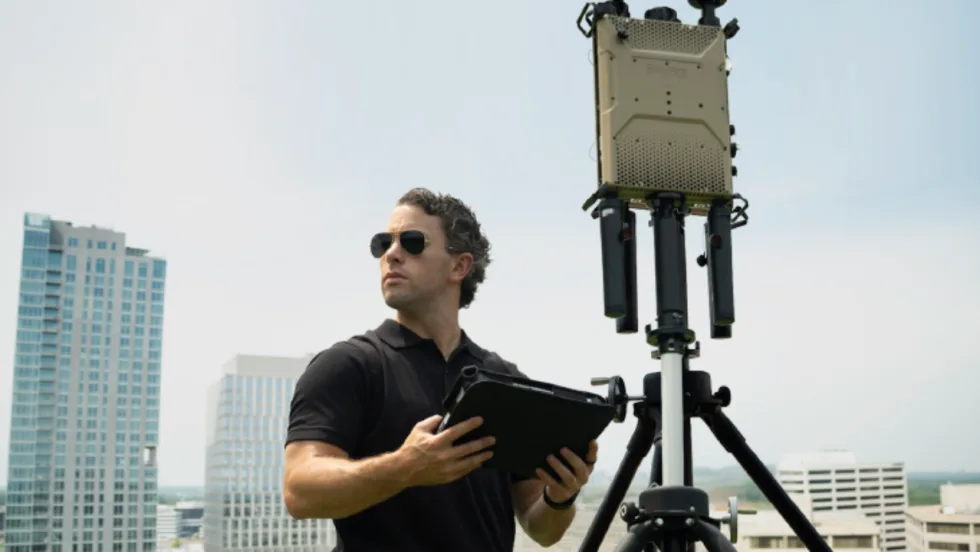
Motorola Solutions Completes Acquisition of D-Fend Solutions
Motorola Solutions has acquired D-Fend Solutions, an industry leader in counter-drone technology. This deal provides public safety and enterprise customers with access to advanced counter-unmanned aerial systems.
Read More →
ZeroEyes, Advantech & Camden Police Partner to Bring AI Gun Detection Technology to Delaware School District
ZeroEyes has partnered with Advantech and the Camden Police Department to deploy ZeroEyes’ AI gun detection and intelligent situational awareness platform at Delaware’s Caesar Rodney School District (CRSD).
Read More →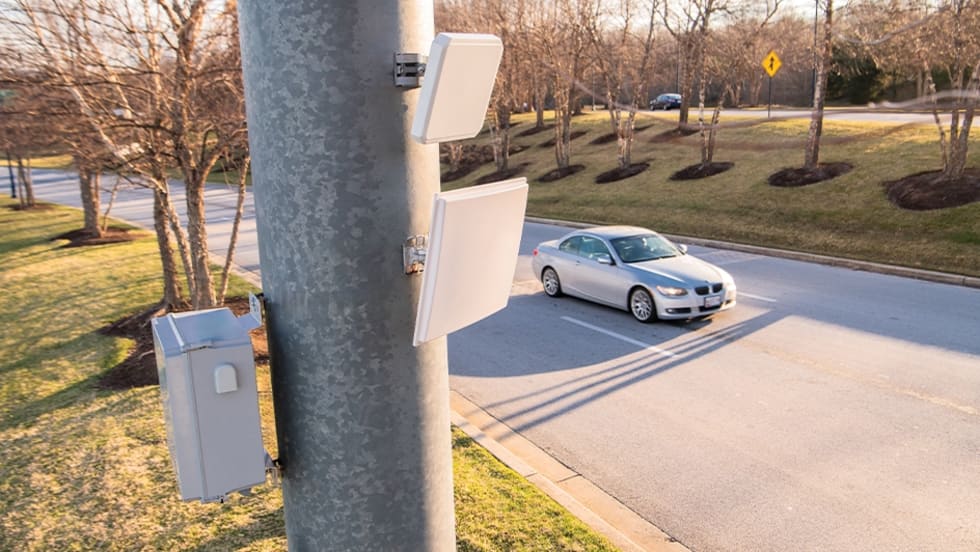
Leonardo U.S. Cyber & Security Solutions Introduces SignalTrace, the Next Evolution in Electronic Signature Detection Technology
SignalTrace reflects years of product refinement and a clearer expression of the technology’s purpose of recognizing and correlating electronic signatures in publicly broadcast wireless signals to reveal patterns, relationships, and trends that might otherwise go undetected.
Read More →
Pimloc Launches Secure File Sharing to Streamline Release of Redacted Video
Pimloc’s Secure File Sharing lets organizations deliver redacted video, audio, and documents through expiring, passcode-protected links, accelerating delivery while reducing security, compliance, and chain-of-custody risks.
Read More →