



Alarm Industry Vows to Fight Detroit PD's Verification Policy
A trade association representing the security industry pledged to challenge the Detroit Police Department's new policy requiring verification of the break-in before officers respond to a burglar alarm.

A trade association representing the security industry pledged to challenge the Detroit Police Department's new policy requiring verification of the break-in before officers respond to a burglar alarm.
Chief Ralph Godbee Jr., on Monday, said false alarms have been a tremendous drain on his department's resources. He said 98 percent of burglar alarms are false.
"We were caught completely by surprise," Security Industry Alarm Coalition (SIAC) Executive Director Stan Martin tells Security Sales & Integration. "We were working with the folks at the highest levels in the department and they gave us no indication that they were moving in this direction."
A departmental review showed that false alarms had the greatest financial and staffing impact on the department, according to a Detroit PD press release. As a result, the department will not respond to calls from alarm companies unless:
The alarm company sends someone to visually verify a crime has been committed.
A property owner or employee responds to the location to visually verify a break-in.
The occurrence of a break-in or crime is verified through use of audio or video technology.
The alarm company reports multiple alarm trips from at least two sensors at the alarm site (such as a first alarm from a point of entry such as a door or window, followed by a second alarm from an interior device, such as a motion detector).
The Burglar and Fire Alarm Association of Michigan (BFAAM) and SIAC officials have been attempting to convince the department to delay or stop implementation of the policy. Dean Belisle, president of BFAAM, says he has worked closely with Commander Todd Bettison on other false alarm issues for nearly a year.
"A minimum of 30 days is what's needed to make the transition," Martin says. "Sixty days would be more reasonable, particularly if people decide they want upgrades. Of course, we also happen to believe that there is going to be a large portion of folks in Detroit that are already financially stressed and won't have the resources to either change their system or pay for private security."
Belisle says he thinks it will take roughly six to 12 months to fully comply with the transition.
"We don't know how many alarms are out there," he says. "So let's say a company like ADT, the biggest player in the industry, hypothetically has 30,000 clients in Detroit. The question is how long will it take to go and visit 30,000 sites to spend with the client, review the current system, explain to them what their options are, and get it installed? No company has the manpower to do that."
In an attempt to persuade the department to delay the policy implementation, BFAAM is asking its member companies and their clients in the Detroit area to participate in a letter writing campaign to the mayor's offices and city council. Since BFAAM and SIAC have collaborated successfully in the past with the Detroit PD - namely by implementing enhanced call verification (ECV) in 2010, reducing false alarms by nearly 35 percent - the organizations are striving to maintain good relations with police officials. However, Belisle notes that the recent policy hinders that partnership.
The Detroit PD maintains that the concerns by the alarm industry and citizens that crimes would increase because of the policy are unwarranted. "Data from cities requiring a verified response before dispatching officers shows no clear trend for an increase in burglaries after implementation," according to a statement released by the department.
Additionally, the police officers will continue to respond to human activated alarms, including hold-up, panic, or duress.
By Ashley Willis
Related:Detroit Police Require Alarm Verification for Burglary Response
More Technology

A police agency's guide to data-driven fleet management
Costs are rising and the public expects more transparency into how their tax dollars are spent. This e-book shows how police agencies can use fleet data to take control of fleet expenses while improving officer safety and demonstrating fiscal responsibility to the communities they serve.
Read More →
AI and analytics for law enforcement: Turning data into insights
Law enforcement agencies are managing more video, sensor data and digital evidence than ever before. Discover how AI and analytics can help turn that data into actionable insights that strengthen situational awareness, accelerate investigations and support more informed decisions.
Read More →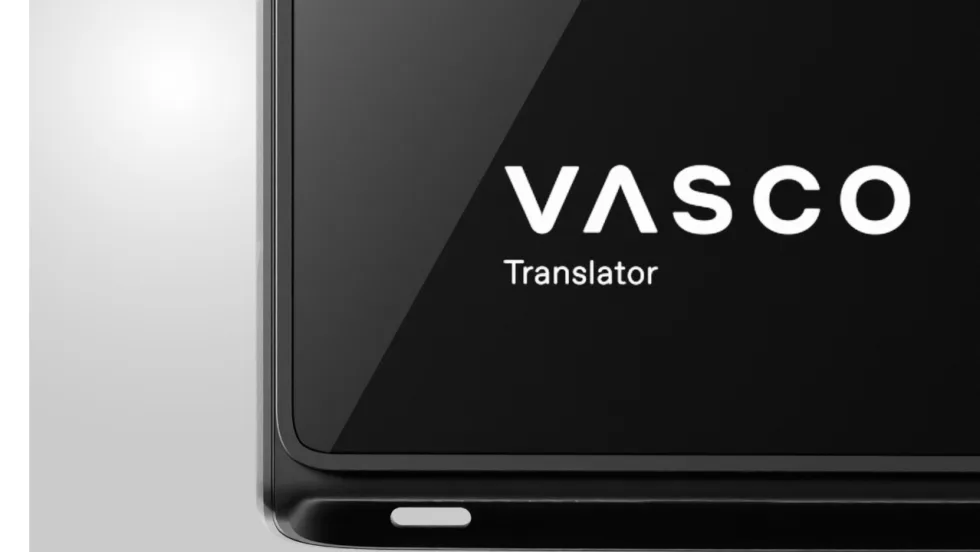
Vasco Electronics Adds Automatic Language Detection to Vasco Translator Q1
Vasco Electronics’ software update introduces hands-free language switching and expanded offline translation across 45 language pairs, empowering law enforcement, healthcare, and front-office enterprise teams
Read More →

North Miami Police Department Deploys Mark43
The North Miami Police Department has deployed Mark43 as part of its Five-Year Strategic Plan that represents its collective vision and goals for a more proactive police department, anchored by a core commitment to leveraging modern technology to enhance efficiency and public safety.
Read More →
Cellebrite Genesis for Enterprise Now Generally Available
Made available to the public sector in June, Cellebrite Genesis is serving a growing mix of national, regional, and local agencies worldwide, including some of the largest regional and metropolitan police departments. It is now available for enterprise organizations.
Read More →
2026 Vision FirstNet Users Summit to Host Emerging Leaders Training on Grassroots Advocacy for Public Safety
“Emerging Leaders Training: Understanding the Importance of Grassroots Advocacy for Public Safety," a session during the 2026 Vision FirstNet Users Summit, will offer a roadmap for unified advocacy at the federal level.
Read More →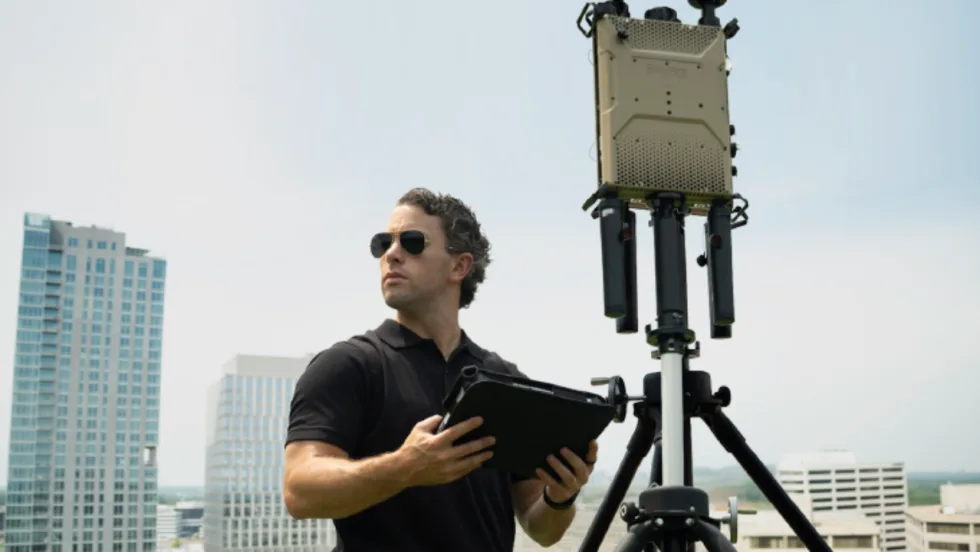
Motorola Solutions Completes Acquisition of D-Fend Solutions
Motorola Solutions has acquired D-Fend Solutions, an industry leader in counter-drone technology. This deal provides public safety and enterprise customers with access to advanced counter-unmanned aerial systems.
Read More →
ZeroEyes, Advantech & Camden Police Partner to Bring AI Gun Detection Technology to Delaware School District
ZeroEyes has partnered with Advantech and the Camden Police Department to deploy ZeroEyes’ AI gun detection and intelligent situational awareness platform at Delaware’s Caesar Rodney School District (CRSD).
Read More →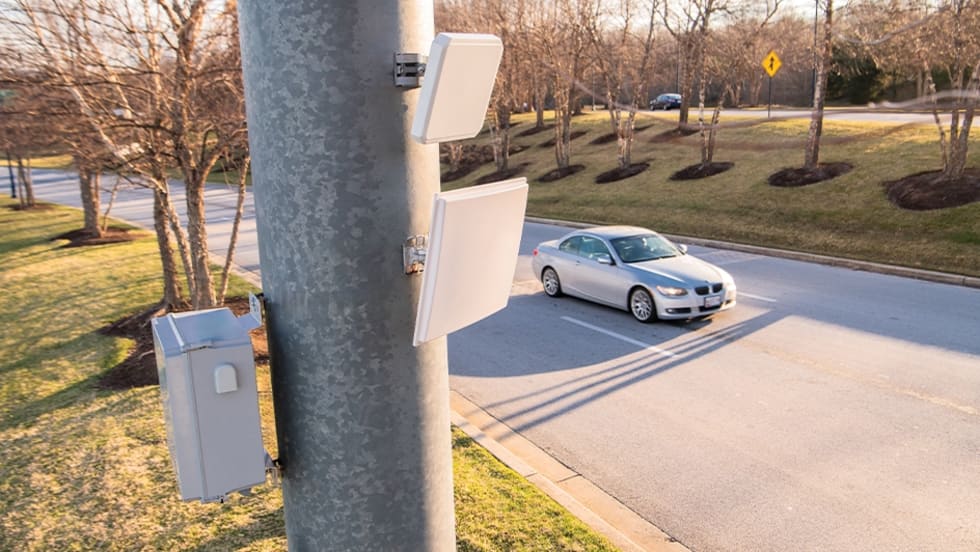
Leonardo U.S. Cyber & Security Solutions Introduces SignalTrace, the Next Evolution in Electronic Signature Detection Technology
SignalTrace reflects years of product refinement and a clearer expression of the technology’s purpose of recognizing and correlating electronic signatures in publicly broadcast wireless signals to reveal patterns, relationships, and trends that might otherwise go undetected.
Read More →
Pimloc Launches Secure File Sharing to Streamline Release of Redacted Video
Pimloc’s Secure File Sharing lets organizations deliver redacted video, audio, and documents through expiring, passcode-protected links, accelerating delivery while reducing security, compliance, and chain-of-custody risks.
Read More →