



Shotguns Still Have Their Role In LE
We must first understand that today's shotguns and rifles have crossbred features that mimic each other, but there are distinct differences that are fundamental to each type. It's paramount that you understand those differences to better fill your own or your agency's needs.

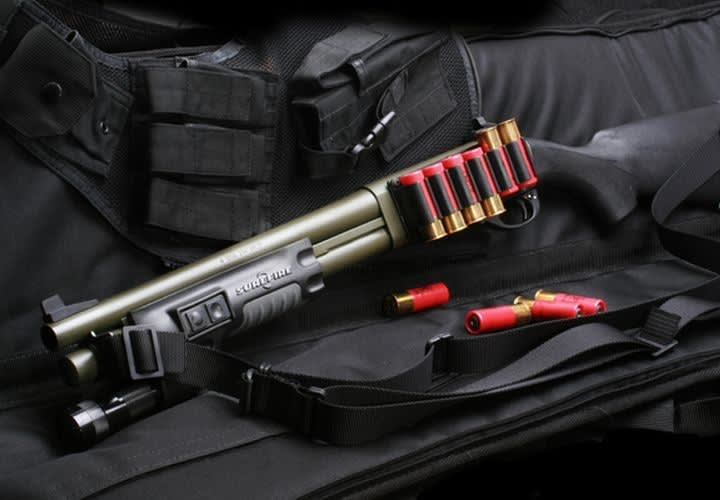
Wilson Combat's Professional Model is exclusively available to LE and arrives with a 14-inch barrel and SureFire tactical light.
In today's law enforcement climate, the ability to project maximum firepower is more necessary than ever. That which is fashionable and "tactical" makes the front page of police and firearms publications on a daily basis.
Officers and agencies are constantly bombarded with the latest and greatest in high-capacity pistols and long-range sniper rifles. Many of these firearms fill a legitimate need, while others are more trendy than useful. An individual officer or agency purchaser must ask the question, "What best fills the need for the situations that arise in my geographic area and how do I fill them on a budget while still providing officers with an effective way to protect the public and themselves?"
Many agencies, officers, and armorers are faced with the question of whether their shotguns can fill the void of a patrol rifle or whether it should be replaced or supplemented with a modern AR- or FAL-style high-capacity carbine.
The answer lies in understanding the capabilities of each firearm type and availability in your marketplace to fill a specific need. One must put hubris aside and be willing to answer this question only after further research.
We must first understand that today's shotguns and rifles have crossbred features that mimic each other, but there are distinct differences that are fundamental to each type. It's paramount that you understand those differences to better fill your own or your agency's needs.
A shotgun is designed to bring as much firepower and kinetic energy on target as possible. It is fundamentally designed to fire a group or concentration of multiple projectiles held together in a cylindrical shotshell.
Today's modern shotguns can also accomodate individual lead or steel slugs, as well as less-lethal ammunition.
Many have fiber optics, red-dot lasers, and night sights, as well as law enforcement versions that elevate the capacity from six to eight shells with an added six in a horizontal side saddle adjacent to the receiver. Vertical column magazines holding 12 rounds are available in the Russian Saiga versions, as well as a traditional tube-fed version.
There are also short-stock and short-barrel "cruiser" versions from Mossberg that incorporate slings for recoil control and door breachers that can be affixed to the muzzle. This type of flexibility gives the shotgun the ability to mimic the rifle, but never replace it in its entirety.
These features allow individual officers and agencies the ability to adopt a rifle-shotgun hybrid. As a general rule, shotguns are less expensive than rifles because they have fewer moving parts, giving those officers and agencies with budgetary constraints the ability to arm patrol officers with added firepower.
Although these modern shotgun features are much appreciated by the law enforcement community, they will never replace the rifle's ability to place a single bullet on target over an extended range with extreme precision or the carbine's ability for quick and multiple followup shots at a respectable range and with manageable recoil control.
One must never forget that tactical upgrades to the shotgun are designed for "general" accuracy and will never replace the rifle's fundamental role for exceptional precision and recoil management.
Related:
How to 'Hot Rod' Your Police Shotgun
More Blog Posts

Preventing Heat Injury in Police K-9s
In the relentless heat of summer and even early fall in some parts of the country, officers face the important task of protecting their K-9 partners while working in sweltering temperatures. Recognizing changes in a dog’s behavior is the key.
Read More →
Why Your Agency Needs to Attend the ILEETA Conference
ILEETA is a complete resource for trainers to address trainers' needs. Its mission is to enhance the skills and safety of criminal justice practitioners while fostering stronger and safer communities.
Read More →
IACP 2023: New Training Products
Technologies for improving law enforcement training and training management were some of the highlights at this year's show.
Read More →
Initial Results Released from MSP 2024 Police Vehicle Testing
The 2024 pursuit-rated vehicles--all pickup trucks or SUVs, including two battery electric models the Chevrolet Blazer EV AWD and Ford Mustang Mach-E--were put through their paces.
Read More →
Officer Safety Considerations Related to Alternative-Fuel Vehicles
As more alternative-fuel and hybrid vehicles hit the road, police and other first responders need to understand that they are no more dangerous than conventional vehicles. However, there are certain safety considerations every cop should know.
Read More →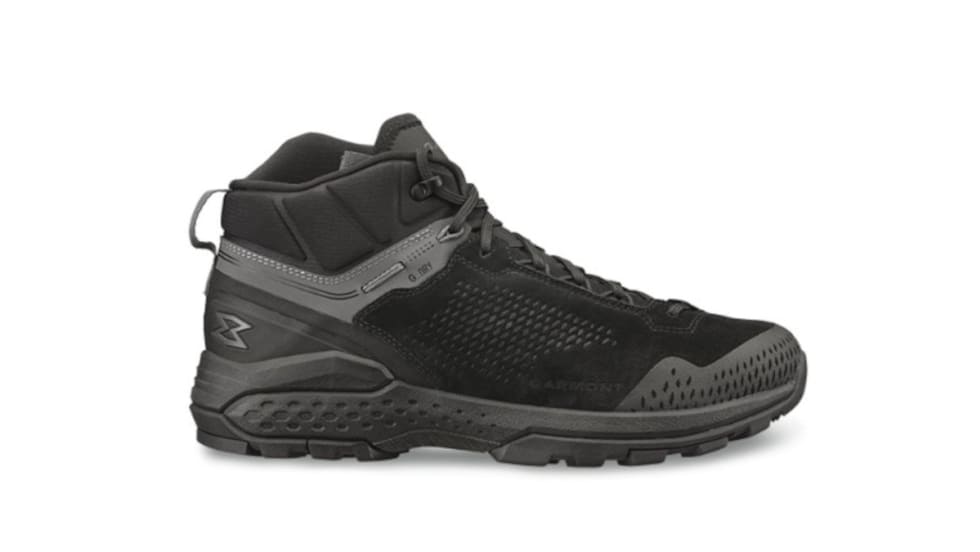
Garmont Working to Grow LE Market Presence
Garmont Tactical has found wide acceptance by military boot buyers, but now the company is trying to better respond to the needs of police officers. Many cops now are not fans of 8-inch boots, so Garmont is adapting.
Read More →
Publisher’s Note: Our Commitment to You
Through our magazine and website and our Police Technology eXchange event, we promise to provide you with information and access to resources to help you do your job safer and better.
Read More →
10 Tips for Responding to Mental Health Crisis Calls
The Harris County Sheriff's Office is a model for other agencies that want to learn about crisis intervention and mental health crisis response. Sgt. Jose Gomez shares the story of their programs and provides 10 tips for mental health crisis call response
Read More →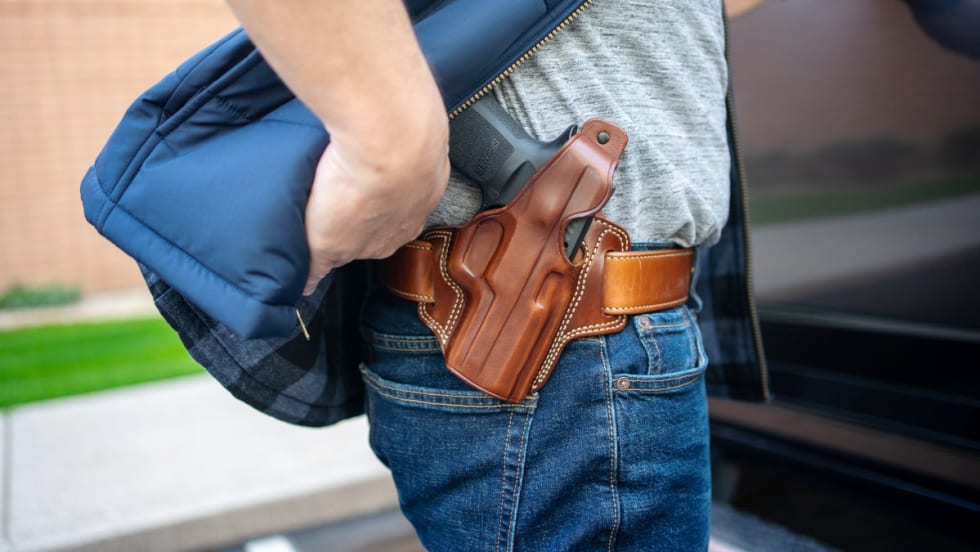
5 Things to Know When Buying Concealed-Carry or Off-Duty Holsters
Mike Barham, of Galco Holsters, shares five important considerations to keep in mind when you buy off-duty concealed or plain-clothes carry holsters.
Read More →
10 Tips for Reviewing Use-of-Force Reports
While the burden of accurately reporting use-of-force situations is on an individual deputy or officer, the person reviewing those reports shares in the responsibility of making sure the reporting is done properly, with clear details included.
Read More →