



Apple's Double Standard
No American company should be allowed to foil the lawful work of American police in the name of privacy.


Editor David Griffith (Photo: Kelly Bracken)
Apple has a long history of preventing digital forensic investigators from legally collecting evidence stored on its mobile devices, all in the name of protecting the data of its customers from hackers. This puts Apple in direct conflict with American law enforcement. But thanks to some new forensic technology, there was an uneasy peace between police, the FBI, and the Cupertino, CA-based company. Then last month, the war commenced again when Apple updated its software and blocked an exploit used by forensic examiners.
A little background. The most common way that digital forensics experts use to break into a password-protected device is called a "brute force attack." Basically, you connect the device to a computer and it starts cycling through password combinations until the lock is picked. Apple shut down that exploit a few years back. Now, if you start typing in the wrong passwords into an iPhone, you can very quickly "brick" it and make the data unrecoverable.
Apple's password encryption tech was at the crux of a fight between the FBI and the company back in 2015. The FBI asked Apple to help it break into the phone of deceased San Bernardino Massacre terrorist Syed Farook and Apple refused. The whole thing got really heated. Then, suddenly, the FBI dropped its lawsuit. What happened is the FBI paid an undisclosed Israeli expert to crack the Farook phone. Soon after that, two companies—Cellebrite and Grayshift—were offering iPhone cracking tech to law enforcement agencies. But now Apple has reportedly shut down this exploit, once again blocking American investigators from accessing data on iPhones and iPads, even under warrant or subpoena. (Neither Grayshift nor Cellebrite has publicly responded to these reports.)
It's stunning how much effort Apple puts into frustrating American investigators. It's also stunningly hypocritical when you consider how the company recently bent over for the Chinese.
This year Apple agreed to comply with Chinese law and transferred all of the iCloud data for its Chinese customers to a Chinese company with servers in China, Guizhou-Cloud Big Data (GCBD). This transfer reportedly includes the encryption keys that give the holder access to all that personal data. Even if GCBD isn't at least partially owned by the Chinese Communist Party—which it probably is—you can bet that no one at this company is going to refuse a request to supply the Ministry of State Security with all that Apple customer data.
So why did Apple make their Chinese customers' data available to the secret police on demand? It had no choice. It was either that or stop operating in China. And the Chinese Communist Party has Apple by the shorthairs. The company cherishes its share of the Chinese phone market, even though that market share is rapidly declining as domestic Chinese companies undercut Apple's prices. But what it really cherishes is access to Foxconn's massive production facility in Shenzhen. Almost every iPhone that Apple sells worldwide is assembled in that factory. The low-cost labor of people working and living at that facility is the primary driver of Apple's profit margins. If the Chinese government were to shut Apple out of Foxconn or even reduce Apple's access to it, then things would get really tense in Cupertino. For the record, Apple denies its Chinese cloud partner could compromise the privacy of its Chinese customers. Which is utter nonsense.
In contrast, Apple prides itself on protecting the privacy of its American customers, even to the point of foiling law enforcement investigations. Which is dangerous for public safety. Blocking the password limit exploit last month was not at all necessary to make the iPhone more secure from hackers. All it did was make it harder for American police to pursue their cases against murderers, human traffickers, drug dealers, child pornographers, and other heinous criminals.
The good news is that cyber forensics experts will soon come up with a new exploit that will allow them to access evidence from iPhones. The bad news is Apple will surely shut that one down, too. That's the way this game is played. And it stinks. No American company, even one with a trillion dollars in market value, should be allowed to foil the lawful investigations of American police operating under warrant or subpoena. This is especially true when that company plays by totally different rules in an oppressive Communist country, just to protect its bottom line.
More Technology

A police agency's guide to data-driven fleet management
Costs are rising and the public expects more transparency into how their tax dollars are spent. This e-book shows how police agencies can use fleet data to take control of fleet expenses while improving officer safety and demonstrating fiscal responsibility to the communities they serve.
Read More →
AI and analytics for law enforcement: Turning data into insights
Law enforcement agencies are managing more video, sensor data and digital evidence than ever before. Discover how AI and analytics can help turn that data into actionable insights that strengthen situational awareness, accelerate investigations and support more informed decisions.
Read More →
Vasco Electronics Adds Automatic Language Detection to Vasco Translator Q1
Vasco Electronics’ software update introduces hands-free language switching and expanded offline translation across 45 language pairs, empowering law enforcement, healthcare, and front-office enterprise teams
Read More →
North Miami Police Department Deploys Mark43
The North Miami Police Department has deployed Mark43 as part of its Five-Year Strategic Plan that represents its collective vision and goals for a more proactive police department, anchored by a core commitment to leveraging modern technology to enhance efficiency and public safety.
Read More →
Cellebrite Genesis for Enterprise Now Generally Available
Made available to the public sector in June, Cellebrite Genesis is serving a growing mix of national, regional, and local agencies worldwide, including some of the largest regional and metropolitan police departments. It is now available for enterprise organizations.
Read More →
2026 Vision FirstNet Users Summit to Host Emerging Leaders Training on Grassroots Advocacy for Public Safety
“Emerging Leaders Training: Understanding the Importance of Grassroots Advocacy for Public Safety," a session during the 2026 Vision FirstNet Users Summit, will offer a roadmap for unified advocacy at the federal level.
Read More →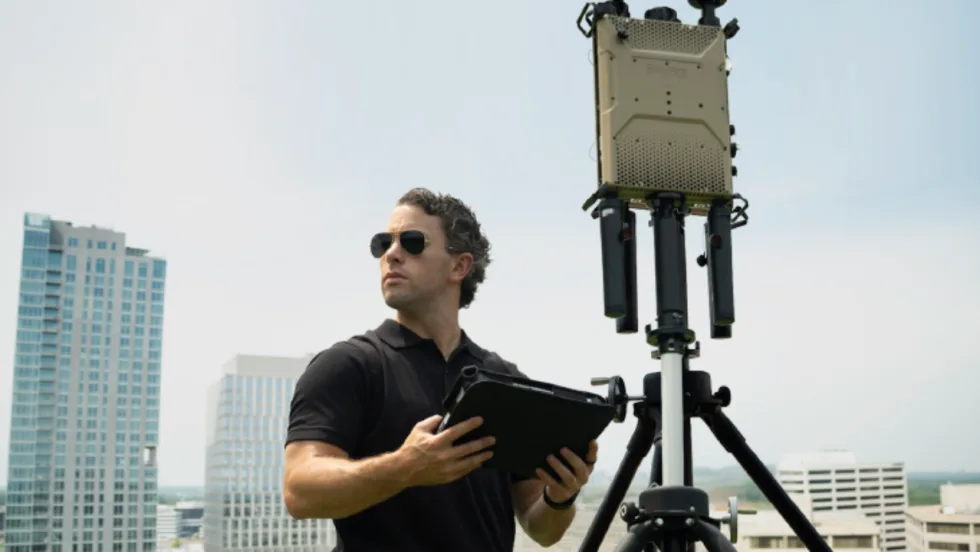
Motorola Solutions Completes Acquisition of D-Fend Solutions
Motorola Solutions has acquired D-Fend Solutions, an industry leader in counter-drone technology. This deal provides public safety and enterprise customers with access to advanced counter-unmanned aerial systems.
Read More →
ZeroEyes, Advantech & Camden Police Partner to Bring AI Gun Detection Technology to Delaware School District
ZeroEyes has partnered with Advantech and the Camden Police Department to deploy ZeroEyes’ AI gun detection and intelligent situational awareness platform at Delaware’s Caesar Rodney School District (CRSD).
Read More →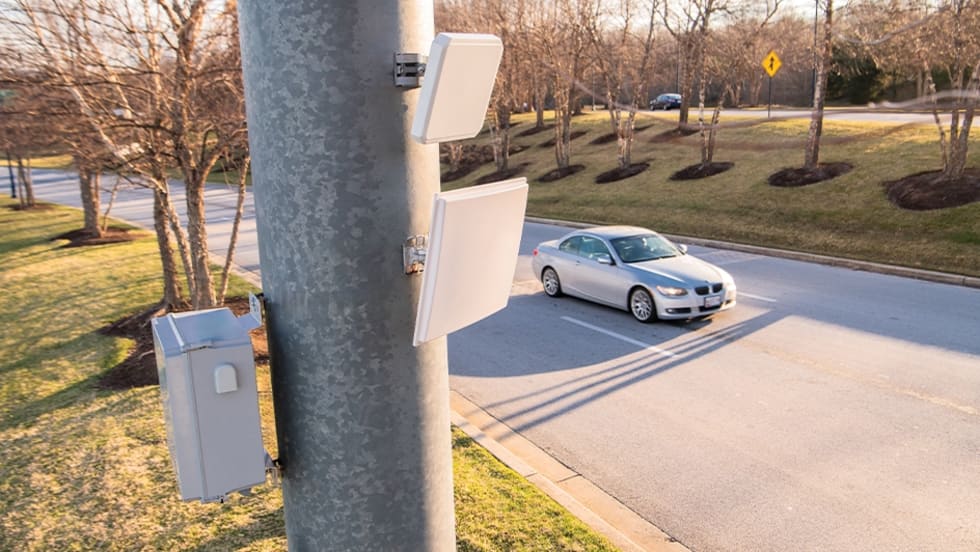
Leonardo U.S. Cyber & Security Solutions Introduces SignalTrace, the Next Evolution in Electronic Signature Detection Technology
SignalTrace reflects years of product refinement and a clearer expression of the technology’s purpose of recognizing and correlating electronic signatures in publicly broadcast wireless signals to reveal patterns, relationships, and trends that might otherwise go undetected.
Read More →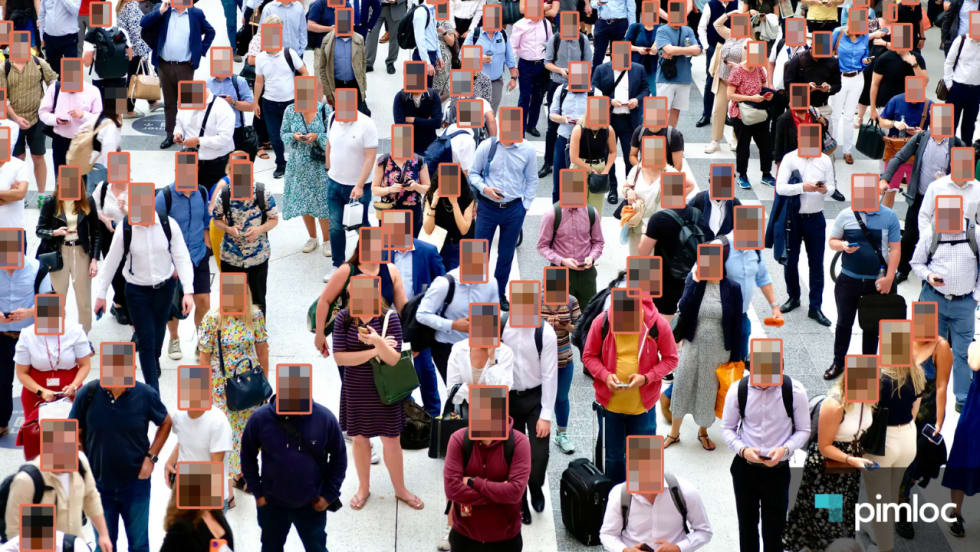
Pimloc Launches Secure File Sharing to Streamline Release of Redacted Video
Pimloc’s Secure File Sharing lets organizations deliver redacted video, audio, and documents through expiring, passcode-protected links, accelerating delivery while reducing security, compliance, and chain-of-custody risks.
Read More →