



NYPD Releases Proposed Body-Worn Camera Policy
The body-worn camera procedure is the culmination of a yearlong negotiation involving the NYPD Inspector General, NYC’s respective District Attorneys, members of the New York City Council, Public Advocate, New York Civil Liberties Union, Civilian Complaint Review Board, Patrolman’s Benevolent Association, Citizens Crime Commission, and more.

Today the New York City Police Department announced the release of its proposed police officer body-worn camera (BWC) procedure.
The language of the proposed procedure ensures officers participating in the body-worn camera pilot program capture objective records of encounters, while encouraging lawful and respectful interactions between the public and the police. This updated procedure has been submitted to Peter Zimroth, the NYPD federal monitor, for his review and approval.
The body-worn camera procedure is the culmination of a yearlong negotiation involving the NYPD Inspector General, NYC’s respective District Attorneys, members of the New York City Council, Public Advocate, New York Civil Liberties Union, Civilian Complaint Review Board, Patrolman’s Benevolent Association, Citizens Crime Commission, and more.
Significant provisions of the policy cover when and under what circumstances cameras should activated, how footage can be viewed, retention of footage, and the release of footage to the public:
Activation of cameras: Mandatory activation during all enforcement and investigative encounters. Mandatory deactivation during interactions with confidential informants or sex crime victims, as well as internal meetings and training.
Viewing of footage: An officer may view his or her own, and other officers’ BWC footage in the furtherance of official duties (arrest processing, etc.). During an official department investigation, including serious injury or death of a person, or an officer firearms discharge, the officer concerned may view his or her own BWC recordings at a time deemed appropriate by the supervisor in charge of the investigation before being required a compelled statement.
Retention of footage: Body camera footage will be retained for one year (and can be retained longer on a case by case basis).
Release of footage: The procedure will also cover how and when footage is released to prosecutors, during litigation, and to the public.
Training: Officers participating in the BWC rollout will be given a customized one-day training course at the NYPD Police Academy in Queens. The curriculum will include an overview of the program, a review of BWC videos, participation in role-play scenarios, and a workshop explaining the video management software. Beyond this initial training, each participating precinct’s training sergeant will oversee a 90-day field-training period at the precinct—in conjunction with the Risk Management Bureau and the Information Technology Bureau.
Feedback from officers who participated in the initial BWC pilot program has been positive. Officers noted members of the public were receptive to the BWC and that footage from the cameras proved helpful with police investigations, and with allegations of misconduct. In the report being released today, the Department responds to that input, explaining its reasoning in reaching important policy decisions.
The Department in formulating its procedure reviewed the policies of 50 other departments across the country. Based on the Department’s research and the accompanying feedback, the NYPD made several modifications to the initial BWC procedure, including:
Instructions to officers about giving notice to individuals being recorded (including reasonable exceptions)
Lifting a previous ban on recording at demonstrations
Increasing of the retention period for untagged footage from six months to a year.
Guidance about where a BWC should be worn
More Technology

A police agency's guide to data-driven fleet management
Costs are rising and the public expects more transparency into how their tax dollars are spent. This e-book shows how police agencies can use fleet data to take control of fleet expenses while improving officer safety and demonstrating fiscal responsibility to the communities they serve.
Read More →
AI and analytics for law enforcement: Turning data into insights
Law enforcement agencies are managing more video, sensor data and digital evidence than ever before. Discover how AI and analytics can help turn that data into actionable insights that strengthen situational awareness, accelerate investigations and support more informed decisions.
Read More →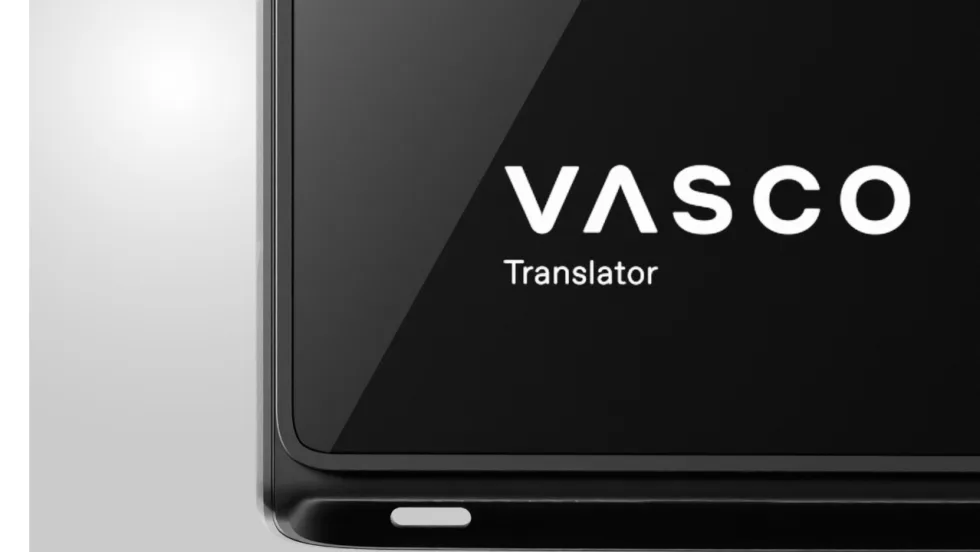
Vasco Electronics Adds Automatic Language Detection to Vasco Translator Q1
Vasco Electronics’ software update introduces hands-free language switching and expanded offline translation across 45 language pairs, empowering law enforcement, healthcare, and front-office enterprise teams
Read More →

North Miami Police Department Deploys Mark43
The North Miami Police Department has deployed Mark43 as part of its Five-Year Strategic Plan that represents its collective vision and goals for a more proactive police department, anchored by a core commitment to leveraging modern technology to enhance efficiency and public safety.
Read More →
Cellebrite Genesis for Enterprise Now Generally Available
Made available to the public sector in June, Cellebrite Genesis is serving a growing mix of national, regional, and local agencies worldwide, including some of the largest regional and metropolitan police departments. It is now available for enterprise organizations.
Read More →
2026 Vision FirstNet Users Summit to Host Emerging Leaders Training on Grassroots Advocacy for Public Safety
“Emerging Leaders Training: Understanding the Importance of Grassroots Advocacy for Public Safety," a session during the 2026 Vision FirstNet Users Summit, will offer a roadmap for unified advocacy at the federal level.
Read More →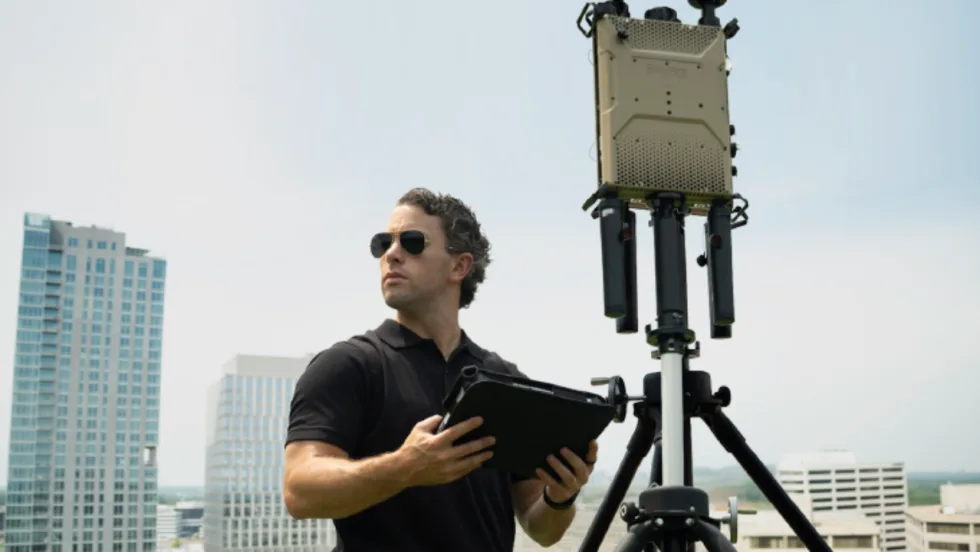
Motorola Solutions Completes Acquisition of D-Fend Solutions
Motorola Solutions has acquired D-Fend Solutions, an industry leader in counter-drone technology. This deal provides public safety and enterprise customers with access to advanced counter-unmanned aerial systems.
Read More →
ZeroEyes, Advantech & Camden Police Partner to Bring AI Gun Detection Technology to Delaware School District
ZeroEyes has partnered with Advantech and the Camden Police Department to deploy ZeroEyes’ AI gun detection and intelligent situational awareness platform at Delaware’s Caesar Rodney School District (CRSD).
Read More →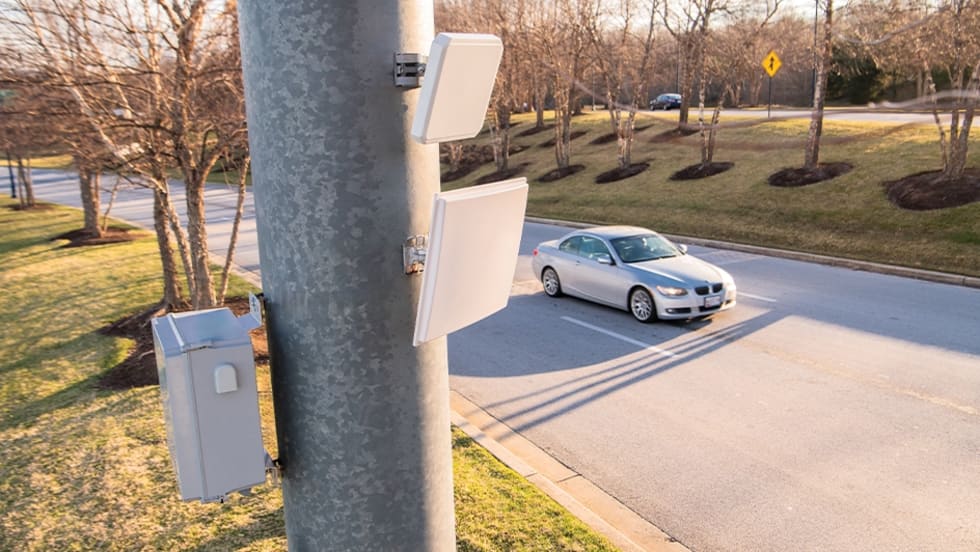
Leonardo U.S. Cyber & Security Solutions Introduces SignalTrace, the Next Evolution in Electronic Signature Detection Technology
SignalTrace reflects years of product refinement and a clearer expression of the technology’s purpose of recognizing and correlating electronic signatures in publicly broadcast wireless signals to reveal patterns, relationships, and trends that might otherwise go undetected.
Read More →
Pimloc Launches Secure File Sharing to Streamline Release of Redacted Video
Pimloc’s Secure File Sharing lets organizations deliver redacted video, audio, and documents through expiring, passcode-protected links, accelerating delivery while reducing security, compliance, and chain-of-custody risks.
Read More →