
Police Magazine

 MENU
MENU SEARCHMENUSEARCH
Loading data...
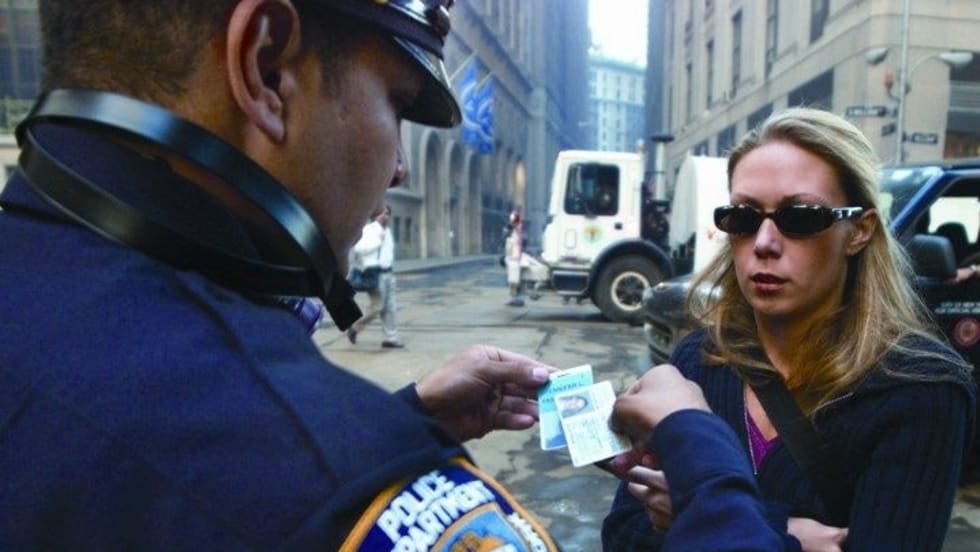
During a temporary detention, does a person have a duty to identify himself or herself to the detaining officer? Can a person be arrested for refusing to do so? The answer to both questions is, "Sometimes."
Read More →
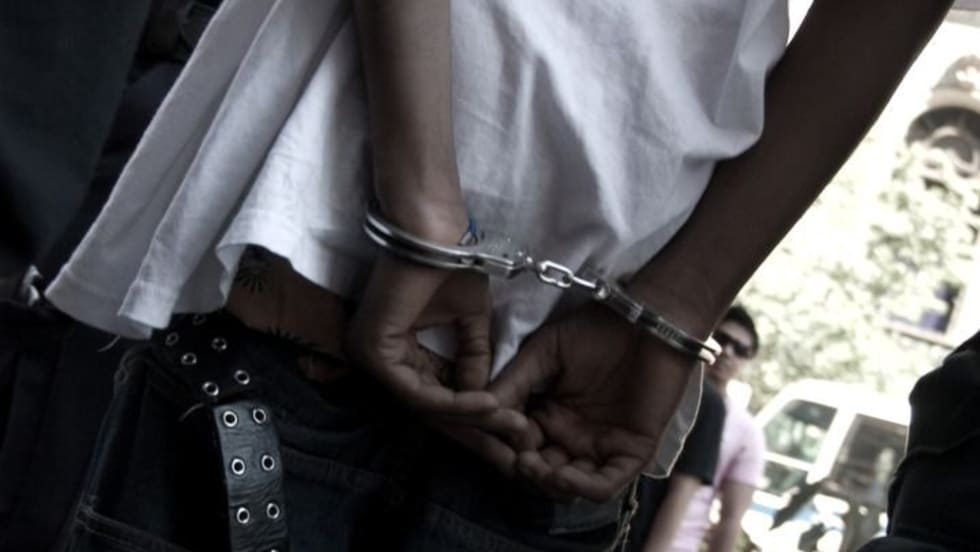
More than a handful of judges, lawyers, and police officers mistakenly thought of Miranda as some sort of judicial rule about how police officers are required to conduct interrogations.
Read More →The admissibility rule of Miranda v. Arizona generally dictates that you give the standard warning and get a voluntary waiver before interrogating a suspect in custody. But not always.
Read More →A new Supreme Court ruling expands officers’ vehicle search capabilities.
Read More →After all you've gone through to make the collar and get the case prosecuted, the last thing you need is to cause a mistrial because of some miscue around the courthouse when your arrestee is on trial.
Read More →Hearsay rules confound police, lawyers, and judges alike. "Hearsay" is a statement made outside the courtroom that might be true or false, repeated in court to prove that it was true.
Read More →Miranda, Miranda, Miranda. Sometimes, we spend so much time on this one aspect of interrogation law that we tend to forget there are three other constitutional tests of admissibility of a suspect's statement.
Read More →The U.S. Supreme Court recently considered whether it was permissible under the Fourth Amendment for law enforcement officers to locate witnesses to a fatal hit-and-run accident by setting up a checkpoint to stop vehicles.
Read More →Is it always necessary to comply with knock notice before forcing entry to serve a search warrant?
Read More →Documentation and self-control are the keys to protecting yourself against charges of unreasonable force on persons in custody.
Read More →