



Hearsay and Confrontation
Hearsay rules confound police, lawyers, and judges alike. "Hearsay" is a statement made outside the courtroom that might be true or false, repeated in court to prove that it was true.

Law enforcement officers investigate crimes and collect evidence. It's up to prosecutors to get the evidence admitted in court, if possible under the rules. But that's not to say that police don't need to understand how the techniques used to collect the evidence can affect whether or not that evidence will be admissible. You do.
Hearsay rules confound police, lawyers, and judges alike. "Hearsay" is a statement made outside the courtroom that might be true or false, repeated in court to prove that it was true. For example, a witness to a traffic accident tells an officer, "The motorcyclist ran the red light." If the officer tries to repeat that person's statement to a jury to prove that the motorcyclist ran the red light, it's hearsay.
The general rule on admissibility of hearsay is that because it may be unreliable evidence, it can't come in at trial unless there's a recognized exception for the particular form of hearsay, or for the particular circumstances under which the statement was made, that establishes reliability. In most jurisdictions, hearsay in the form of business records and official records can be admitted. Spontaneous statements blurted out by someone under the stress of an exciting event can usually come in.
But while the admissibility of hearsay in a civil trial will be controlled by the applicable state or federal rules of evidence, a criminal trial has an extra test of admissibility.
The Sixth Amendment to the U.S. Constitution guarantees a criminal defendant the right "to be confronted with the witnesses against him." So even if a particular hearsay statement might be admissible under some hearsay exception in the evidence code, it will still be inadmissible in a criminal trial if admission would violate the defendant's right of confrontation.
Ohio v. Roberts
In the 1980 decision in Ohio v. Roberts, the U.S. Supreme Court said that the Sixth Amendment did not prevent the use of hearsay at a criminal trial as long as the hearsay statement came within a "firmly rooted hearsay exception" or had some other "particularized guarantees of trustworthiness."
This ruling was especially important in certain kinds of cases where victims or witnesses initially tell officers the truth, and later recant or forget what they said, such as child sexual abuse cases and domestic violence cases.
According to this ruling, a variety of statutory hearsay exceptions might make the initial statement admissible at trial, or the court could find sufficient reasons to consider it reliable (such as independent corroborating evidence), and admit the hearsay statement as proof of the defendant's guilt.
Crawford v. Washington
But in 2004, the Supreme Court overruled Roberts and held instead that "testimonial hearsay" is inadmissible under the Sixth Amendment unless two conditions are both met: (1) the person who made the statement must be unavailable for trial, and (2) the defendant must have had a prior opportunity to confront and cross-examine the person about the statement. The Crawford ruling will affect the admissibility of some statements, especially in child-witness, domestic-violence, and deceased-witness cases-depending upon how the statements are obtained.
What exactly is "testimonial hearsay?" The Supreme Court declined to give a full definition of everything the term might include, but did say that at a minimum it includes prior testimony (whether at a grand jury hearing, preliminary hearing, prior trial, or civil deposition), as well as statements resulting from "police interrogation." In other words, where a police officer uses "structured questioning" to obtain a witness' statement, that statement cannot be admitted in a criminal trial to prove that what was said was true, unless the witness is unavailable to testify and was subject to cross-examination by the defendant.
In practical terms, this means that if you question a child abuse victim, or the victim of domestic violence, or an assault victim, for example, and if that victim does not take the stand to be cross-examined (at a hearing of some sort or at the trial), then even if the victim is not available by the time of trial, the statement you took cannot come in to prove guilt, under Crawford.[PAGEBREAK]
Unstructured Questioning
Apparently, the courts regard traditional police interviewing of a victim or witness as "structured questioning," making evidentiary use of any resulting statement problematic. What can you do? Police reports will now need to try to differentiate between statements that were not the result of structured questioning and those that were.
When you first arrive at the crime scene and people run up to tell you a story, or when you say, "What happened?", any response you get should not fall into the "testimonial hearsay" category. That statement should be clearly identified within your report as having been volunteered, or given in response to a general question. And unless some emergency requires it, you should not be too quick to start asking questions in the middle of someone's volunteered statements. Be a good listener, take good notes (or turn on your tape recorder), and make clear in your report that this information was not directed or extracted by you.
Once you have to begin your methodical questioning to elicit the important details that the witness left out of his or her non-testimonial statement, the potential admissibility rules will change. You now have to identify the subsequent statements as having been obtained through specific questioning, and again, your report will have to indicate the demarcation.
Sample Investigation and Report
Suppose you roll on a family fight call. You're met at the door by the wife, who lets you in. You might simply say, "Are you the one who called?" Then let the woman tell her story. Don't interrupt to clarify or direct the statement in any way. When she stops talking, maybe your facial expression suggests that you still haven't heard it all, and you wait quietly for more. She says more. All of this information could potentially be admissible at any trial of the husband, under the applicable evidentiary hearsay rules.
Once the volunteered statement ends, you conduct any necessary follow-up questioning to fill in the blanks. These answers are the statements that will fall under the Crawford ruling, making admissibility unlikely.
Your report reads something like this: "As soon as I was inside the house, I asked Mrs. Doe if she was the one who had called the police. She said she was, and then she immediately proceeded to tell me all of the following, on her own: [her full statements]. After Mrs. Doe stopped talking, I asked her...and she said...." This sort of report makes clear that the initial statements you reported were not the result of "structured questioning," and should not be subject to the Crawford ruling.
Crawford Fallout
The Supreme Court deliberately left undecided the extent to which the new ruling on confrontation might affect such hearsay as dying declarations and overheard remarks, and indicated that lower courts would have to begin to apply the new test on a case-by-case basis to statements that might or might not constitute "testimonial hearsay."
While the full extent of the Crawford decision is being worked out, it is advisable to check with local prosecutors about any changes they might suggest, in particular kinds of cases, to maximize the opportunities to obtain admissible statements before resorting to "structured questioning."
Attorney Devallis Rutledge, a former police officer and prosecutor, defends officers and agencies at Manning & Marder, Kass, Ellrod, Ramirez.
More Patrol
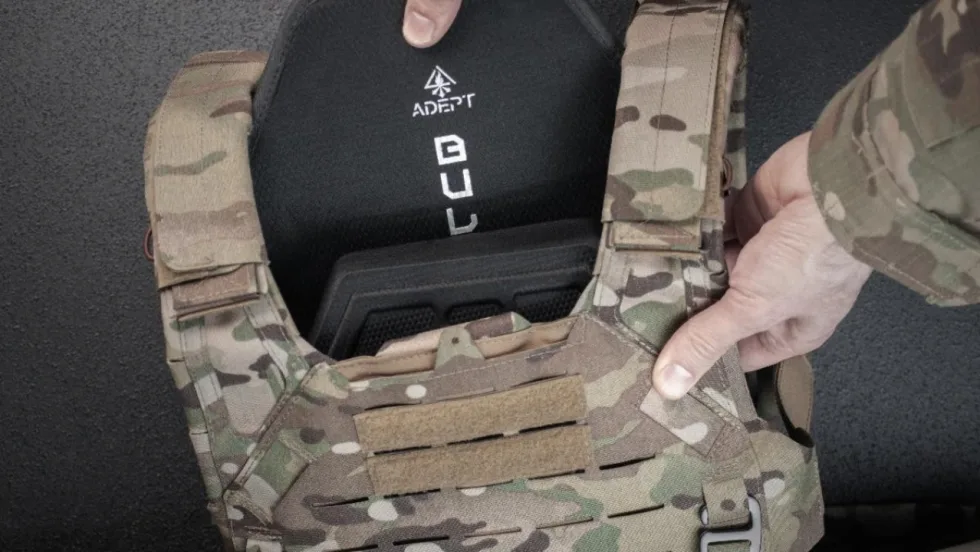
Adept Armor Introduces Two New Rifle Plates
Adept Armor has launched two new Level IV ballistic plates, the Emperor and the Archon Mark 2, which brings Adept Armor’s new Quatroid ceramic to the high-threat, performance-value center of the range at 5.2 pounds.
Read More →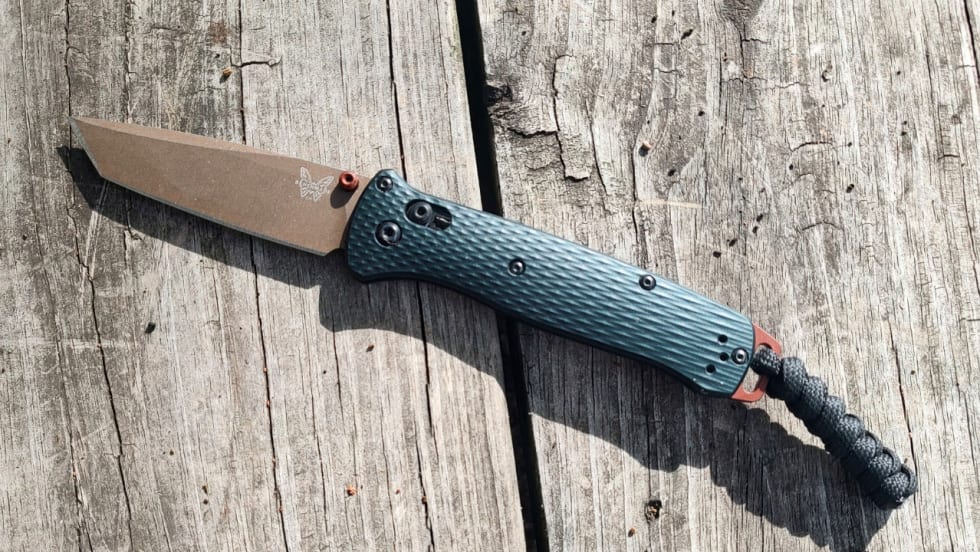
POLICE Product Test: Benchmade Bailout
The Benchmade Bailout is a slim, lightweight carry knife with a deep-ride pocket clip and comes in a variety of blade steels and scales. Here is a detailed review of the Taiga Green Bailout, released earlier this year.
Read More →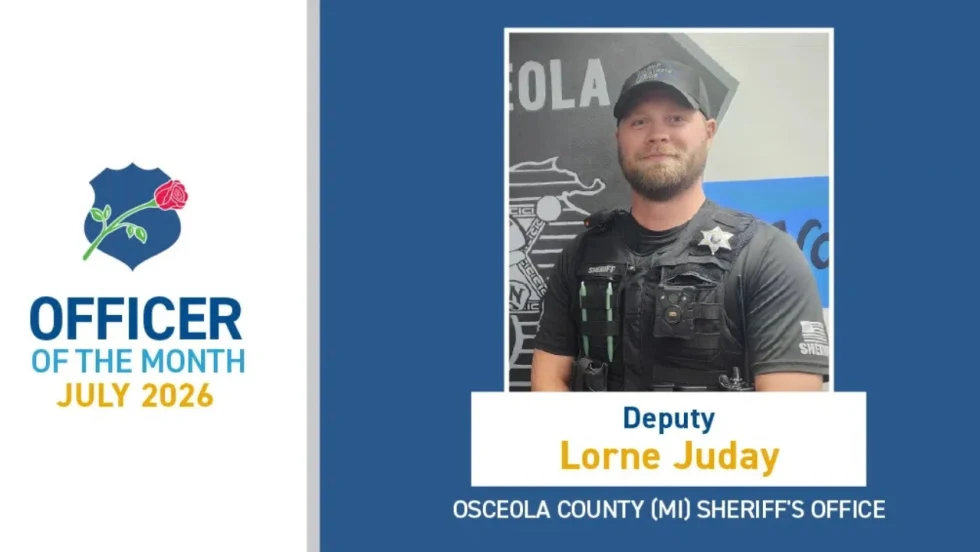
NLEOMF Announces July 2026 Officer of the Month
NLEOMF honored a Michigan deputy sheriff as the July 2026 Officer of the Month for rescuing a trapped driver from a burning vehicle following a Fourth of July crash.
Read More →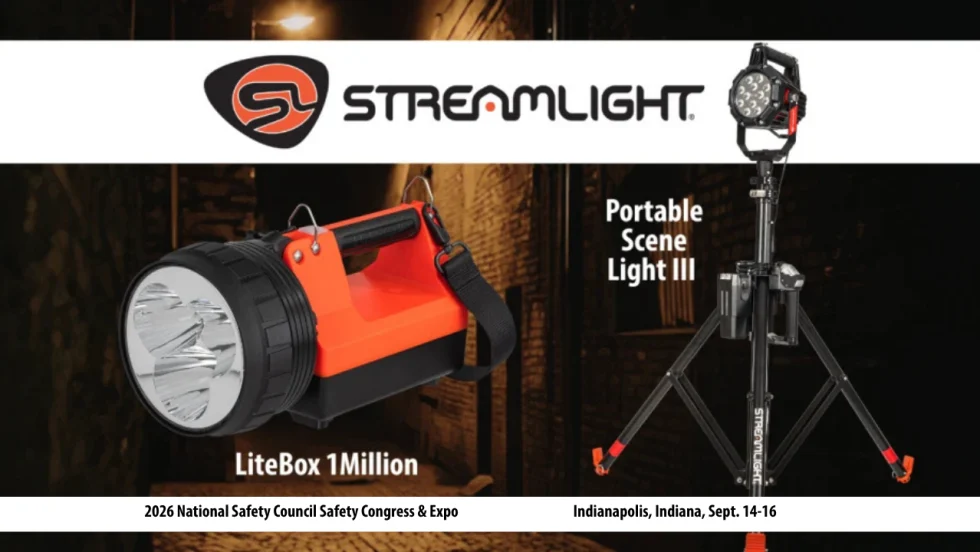
Streamlight to Showcase Newest Lighting Products at National Safety Council’s Safety Congress & Expo 2026
Streamlight will showcase its latest lights, including the Portable Scene Light III and the LiteBox 1Million, at the 2026 National Safety Council (NSC) Safety Congress & Expo.
Read More →
The 2027 World Police & Fire Games Set for Perth, Australia
The 2027 World Police & Fire Games (WPFG) will take place in Perth, Western Australia, from Friday, March 12 through Sunday, March 21, 2027.
Read More →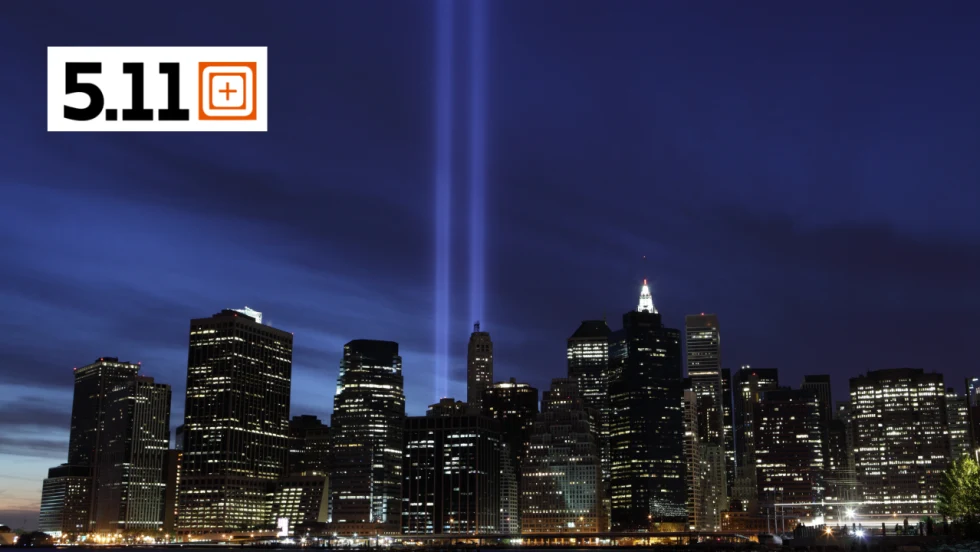
5.11 Partners with National Fallen Firefighters Foundation to Support #ForThe343
5.11 has joined the nationwide movement honoring the 343 New York City Fire Department firefighters lost on Sept. 11, 2001.
Read More →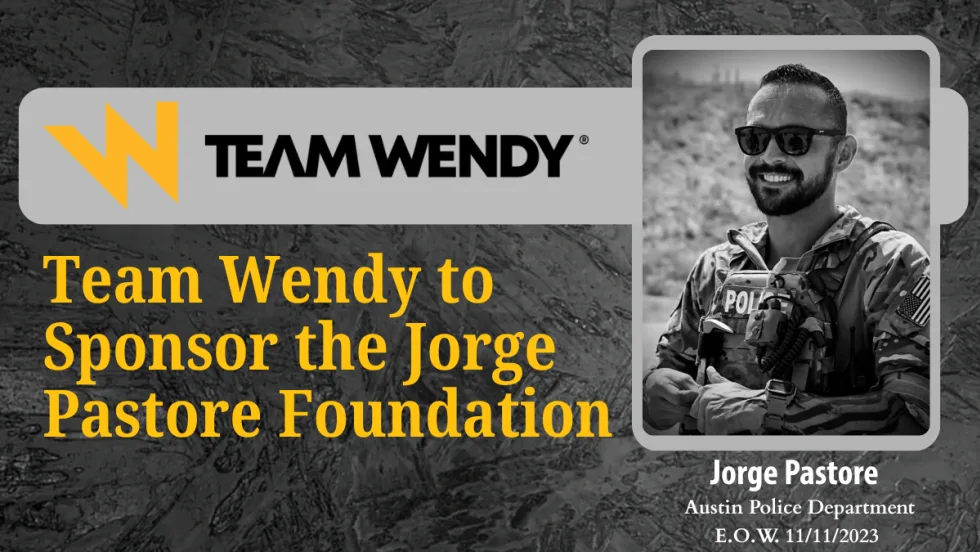
Team Wendy Announces Title Sponsorship of the Jorge Pastore Foundation
Team Wendy’s 3-year partnership with the Jorge Pastore Foundation expands access to programs that strengthen those who serve.
Read More →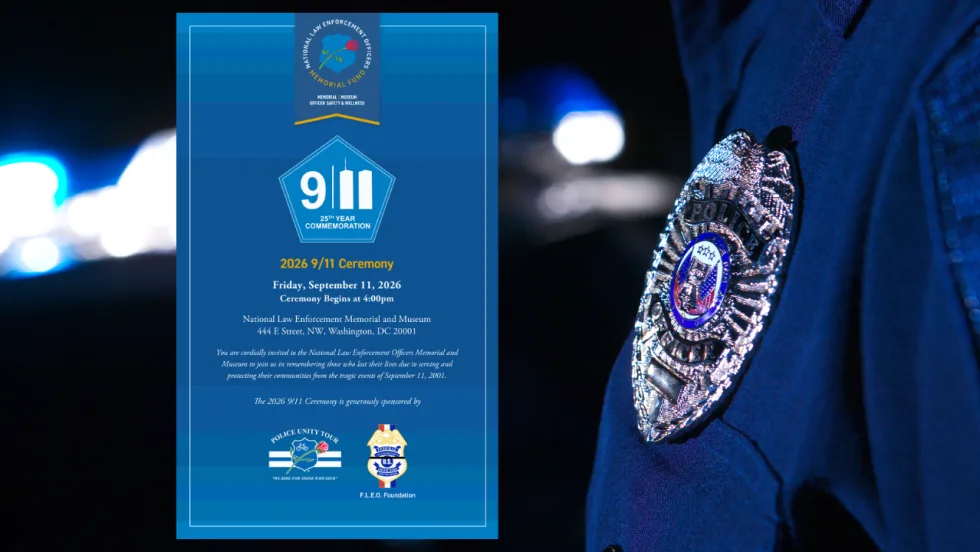
National Law Enforcement Memorial and Museum Hosting 9/11 25th-Year Commemoration Ceremony
The National Law Enforcement Memorial and Museum is hosting a 9/11 25th Year Commemoration Ceremony on Sept. 11 at 4 p.m.
Read More →
National Law Enforcement Officers Memorial Fund Announces June 2026 Officers of the Month
The National Law Enforcement Officers Memorial Fund (NLEOMF) named 15 officers of the Chico Police Department (California) as the Officers of the Month for June 2026 for their roles in responding to an active-shooter incident at a public library.
Read More →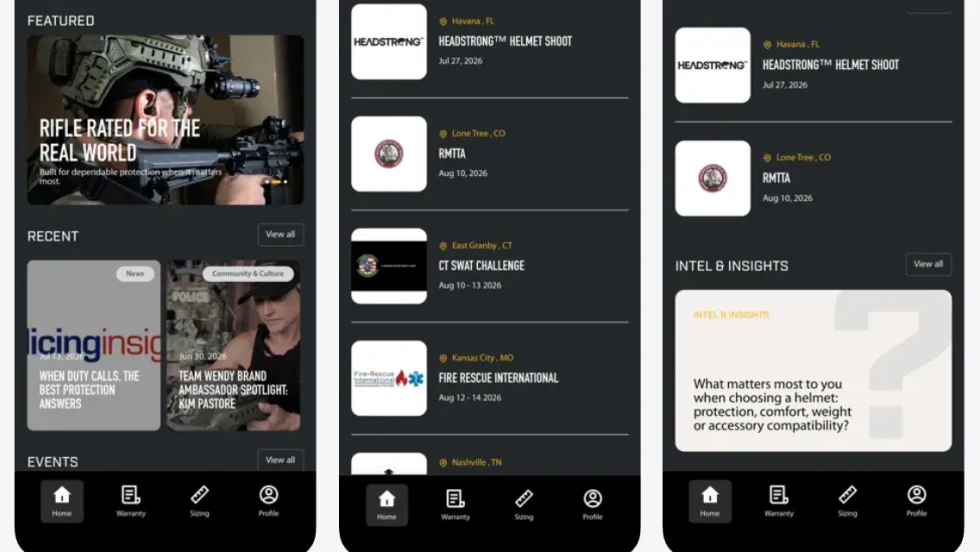
Team Wendy App Creates New Digital Hub for Helmet Owners
The Team Wendy Community App provides one location for warranty registration, size-fit tools, product updates, and community connection. For helmet owners, the new app creates a simpler path to the information and tools that matter most.
Read More →