



Courtroom Conduct
After all you've gone through to make the collar and get the case prosecuted, the last thing you need is to cause a mistrial because of some miscue around the courthouse when your arrestee is on trial.

After all you've gone through to make the collar and get the case prosecuted, the last thing you need is to cause a mistrial because of some miscue around the courthouse when your arrestee is on trial. It doesn't have to happen, but sometimes it does.
Keep in mind that anyone you encounter around the courthouse might turn out to be a juror, a witness, a defense investigator, the defendant's family member, a lawyer, or even a judge. Your conduct toward others, or in their presence, can either help or hurt, depending on things you say and do.
For example, your courtesy (or discourtesy) in the parking lot, the doorway, the elevator, the cafeteria, the restroom, or the hallway may be seen or heard by someone with an interest in your case. What kind of impression would that make? Would it be positive, or might your conduct and comments offend a potential juror? Assist the defense? Annoy the prosecutor or the judge?
Dos And Don'ts
Here are a few basic reminders, because not all officers get to court on a regular basis. In some jurisdictions and assignments, you might not testify more than once or twice a year. So it's important to refresh your training periodically, just so you don't forget and say or do the wrong thing, at the wrong time, in the wrong place.
Be punctual. Judges do not like to be kept waiting, and they hate to keep a seated jury waiting. If you're scheduled to be at court at a particular time in the morning or after the lunch recess, show the judge and jury you respect their time by making sure you're where you're supposed to be. In case of unavoidable delay, call the court immediately and explain why you're late and when you'll be there.
Practice courtesy. The person walking through the door you hold open may become the forewoman on your jury. Your "Good morning" greeting may be returned by a visiting judge who gets assigned to your case.
Avoid controversy. Engaging in discussions around the courthouse about such things as politics, religion, or volatile issues might have the potential to alienate half of those who hear your comments just before they are called into the jury box or the witness stand.
Gag yourself. In high-profile cases, it's not uncommon for the judge to issue a "gag order" to prevent the attorneys, parties, and witnesses from making public comments on the case. Even if the judge doesn't do this in the case that brought you to the courthouse, you should observe a similar restriction.
Be careful what you say while waiting in the hallway. For example, what if you say something to a fellow officer about the case and someone connected to the defense overhears you? Have you revealed the prosecutor's trial strategy to the other side?
What if a juror or another witness hears your statements? Have you created grounds for a mistrial?
What if the young man or woman you take to be an inquisitive college student is actually the new reporter for the local newspaper or television station? Will the chief or sheriff be happy seeing your quotes in print or hearing them on the nightly news?
Unless you can be sure no one is within earshot, it's best not to talk about your case that's on trial, except from the witness stand. (In many cases, the court will issue an order to all planned witnesses not to discuss the case with other witnesses.)
Conceal evidence. If you've been asked to bring physical evidence to court with you, use an appropriate container to prevent passersby from seeing it. If you have a bloody shirt or a sawed-off shotgun across your lap in the waiting area or the courthouse snack shop, potential jurors might be exposed to it before it's introduced in evidence. (And if the judge excludes the evidence, the prejudice has already been created.)
Don't argue. If the prosecutor or the defense attorney (or their investigators or associates) engage you in observable discussions, arguments cannot help. Arguing with the prosecutor could make observers doubt either your credibility or the prosecutor's; arguing with the defense could make it appear you have a strong bias that destroys your objectivity. Suggest that the discussions be moved to a more private location.
Dress right. If you're on duty, wear your uniform only if the court allows it and if the prosecutor has no objections (a trial for resisting arrest, for example, may be the wrong place for a vested officer with a gun, pepper spray, baton, cuffs, and Taser jangling from a Sam Browne belt). Usually, a business suit or blazer is the most appropriate dress for both male and female officers.
If you're working an undercover detail that requires you to look like the people you investigate, take an early opportunity to explain your appearance to the jury.
Direct Communication with Jurors
Perhaps the thing that's most likely to torpedo your case in the middle of trial is unauthorized communication with members of the jury. Again, this is a basic lesson that sometimes just doesn't register. The recent reversal of a life sentence for a recidivist burglar in the case of Caliendo v. Warden illustrates the problem.
In 1892, the U.S. Supreme Court cautioned witnesses against talking to jurors while a case is on trial. "Private communications, possibly prejudicial, between jurors and third persons, or witnesses, or the officer in charge, are absolutely forbidden, and invalidate the verdict, at least unless their harmlessness is made to appear." (Mattox v. U.S.)
This ancient case was cited in 2004 by the federal appeals court in Caliendo because the investigating officer had talked to three jurors for about twenty minutes during a recess. Even though these discussions (about baseball, exercise, and the officer's workload) did not relate to the case, the court held that the extended conversation might have caused the jurors to place greater credence in the officer's testimony than they otherwise would have. Since the prosecution did not show that no prejudice resulted, the conviction and life sentence were set aside.
Obviously, it is not possible to avoid all contact with jurors. The Caliendo decision acknowledged that "certain chance contacts between witnesses and jury members-while passing in the hall or crowded together in an elevator-may be inevitable." No presumption of prejudice arises from "de minimus communication," such as greetings or giving directions.
In smaller jurisdictions, police officers may be personally acquainted with most of the citizens, making chance public meetings with a juror difficult to avoid. But whether in the courthouse or the convenience store, officers who confront jurors on an ongoing case must resist the temptation to talk to them-about anything-until the case is over. If the juror attempts to extend a conversation beyond a polite greeting, an officer might simply say, "I'm sorry, but we're not supposed to talk to each other until the trial is over." (Anything that might appear improper should be promptly reported to the court.)
The bottom line: Disciplined, thoughtful behavior not only helps prevent courthouse issues, but also helps build community goodwill and reduces complaints. It's a good idea, anytime, anywhere.
Devallis Rutledge is the author of 10 police books, including "Courtroom Survival, The Officer's Guide to Better Testimony."
More Patrol
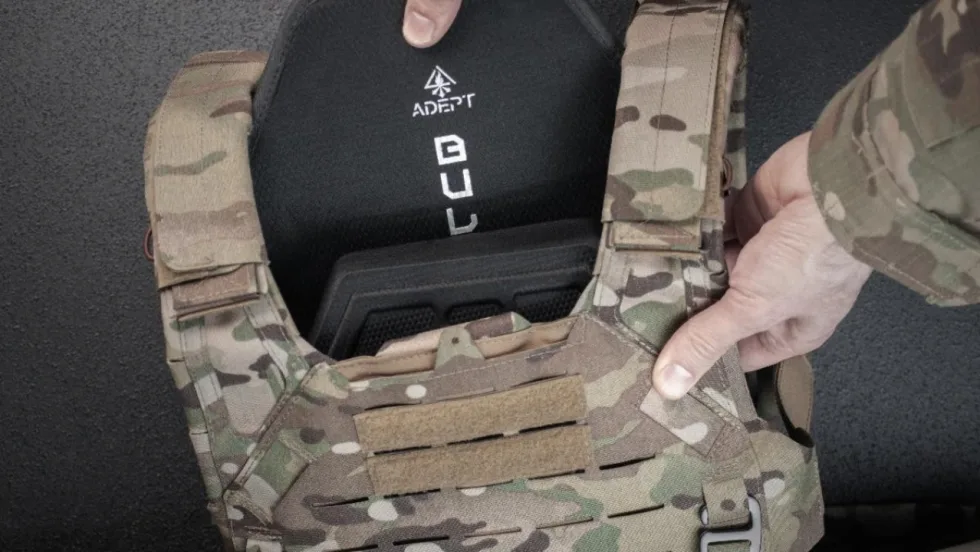
Adept Armor Introduces Two New Rifle Plates
Adept Armor has launched two new Level IV ballistic plates, the Emperor and the Archon Mark 2, which brings Adept Armor’s new Quatroid ceramic to the high-threat, performance-value center of the range at 5.2 pounds.
Read More →
POLICE Product Test: Benchmade Bailout
The Benchmade Bailout is a slim, lightweight carry knife with a deep-ride pocket clip and comes in a variety of blade steels and scales. Here is a detailed review of the Taiga Green Bailout, released earlier this year.
Read More →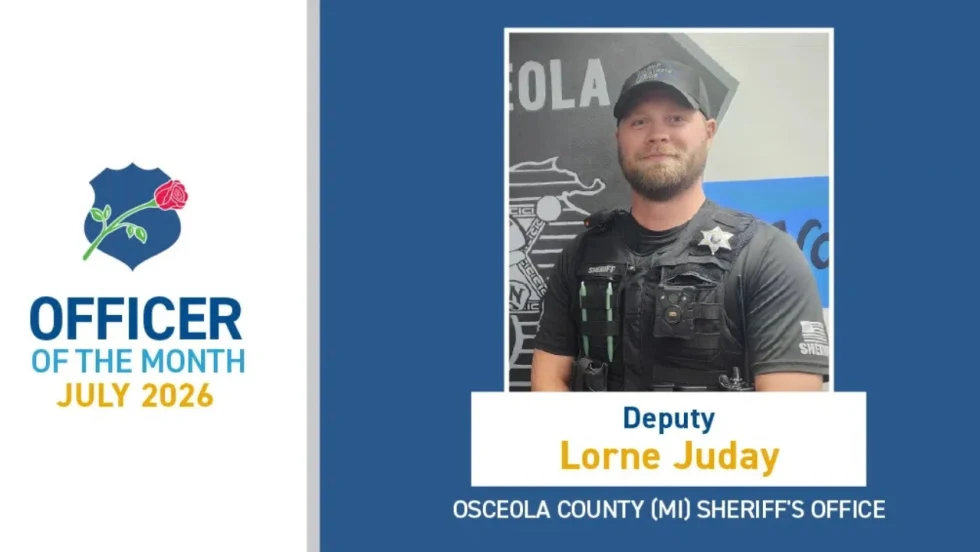
NLEOMF Announces July 2026 Officer of the Month
NLEOMF honored a Michigan deputy sheriff as the July 2026 Officer of the Month for rescuing a trapped driver from a burning vehicle following a Fourth of July crash.
Read More →
Streamlight to Showcase Newest Lighting Products at National Safety Council’s Safety Congress & Expo 2026
Streamlight will showcase its latest lights, including the Portable Scene Light III and the LiteBox 1Million, at the 2026 National Safety Council (NSC) Safety Congress & Expo.
Read More →
The 2027 World Police & Fire Games Set for Perth, Australia
The 2027 World Police & Fire Games (WPFG) will take place in Perth, Western Australia, from Friday, March 12 through Sunday, March 21, 2027.
Read More →
5.11 Partners with National Fallen Firefighters Foundation to Support #ForThe343
5.11 has joined the nationwide movement honoring the 343 New York City Fire Department firefighters lost on Sept. 11, 2001.
Read More →
Team Wendy Announces Title Sponsorship of the Jorge Pastore Foundation
Team Wendy’s 3-year partnership with the Jorge Pastore Foundation expands access to programs that strengthen those who serve.
Read More →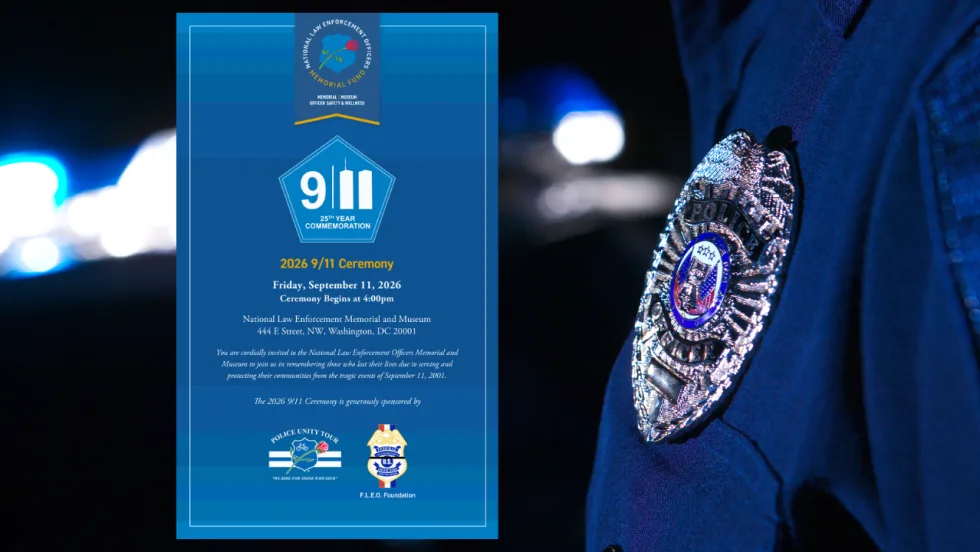
National Law Enforcement Memorial and Museum Hosting 9/11 25th-Year Commemoration Ceremony
The National Law Enforcement Memorial and Museum is hosting a 9/11 25th Year Commemoration Ceremony on Sept. 11 at 4 p.m.
Read More →
National Law Enforcement Officers Memorial Fund Announces June 2026 Officers of the Month
The National Law Enforcement Officers Memorial Fund (NLEOMF) named 15 officers of the Chico Police Department (California) as the Officers of the Month for June 2026 for their roles in responding to an active-shooter incident at a public library.
Read More →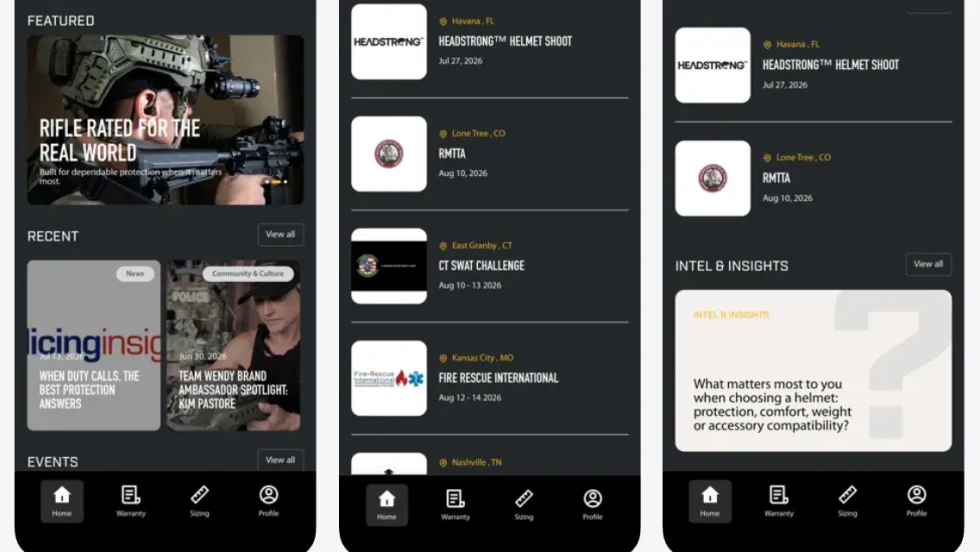
Team Wendy App Creates New Digital Hub for Helmet Owners
The Team Wendy Community App provides one location for warranty registration, size-fit tools, product updates, and community connection. For helmet owners, the new app creates a simpler path to the information and tools that matter most.
Read More →