
Police Magazine

 MENU
MENU SEARCHMENUSEARCH
Loading data...

In a fairly common scenario, you obtain a valid Miranda waiver from a suspect in custody and begin interrogation. Part-way through your questioning, the suspect begins to feel uneasy about going forward and says something about remaining silent or talking to a lawyer.
Read More →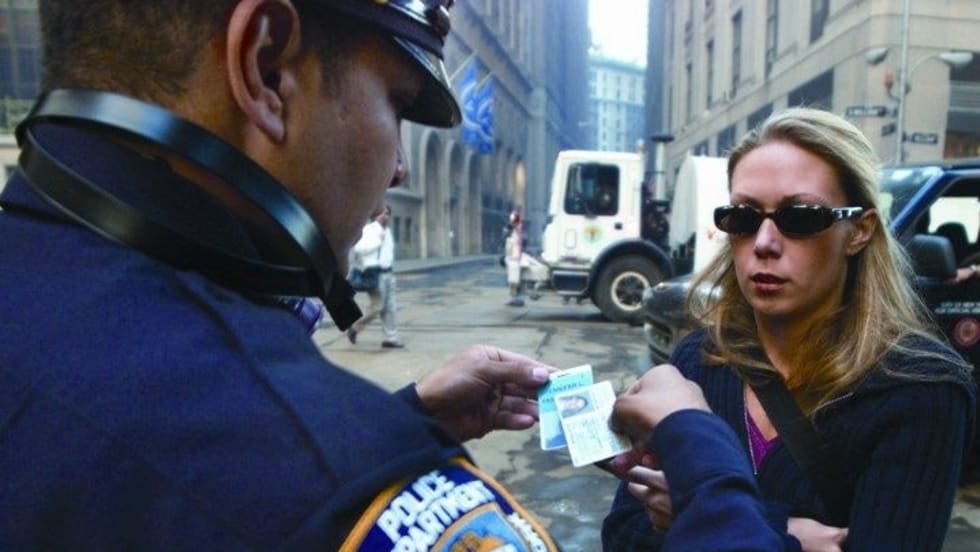


Most officers are aware of the general rule on entering a suspect's home to arrest him or to search for evidence. These actions must be supported by either valid consent or a recognized exigency.
Read More →When you go into a suspect’s home to execute a search warrant, it’s not uncommon to find several people present, whether suspects, family members, or others. Sometimes, occupants may outnumber officers on the scene. This can create problems of safety and control, making it more difficult to carry out the search. Realizing this, the Supreme Court has provided guidelines on the ability of officers to detain, handcuff, and question occupants while a search takes place.
Read More →During a temporary detention, does a person have a duty to identify himself or herself to the detaining officer? Can a person be arrested for refusing to do so? The answer to both questions is, "Sometimes."
Read More →The admissibility rule of Miranda v. Arizona generally dictates that you give the standard warning and get a voluntary waiver before interrogating a suspect in custody. But not always.
Read More →Documentation and self-control are the keys to protecting yourself against charges of unreasonable force on persons in custody.
Read More →The Supreme Court ruled unanimously that in evaluating whether a police officer had "reasonable suspicion" to detain a suspect briefly for questioning, courts should pay more attention to the officer's experience and the event's overall context than to individual parts of an incident.
Read More →The U.S. Supreme Court ruled that thermal imaging to record the amount of heat emanating from a house, a police practice to help detect illegal drugs, represents a search covered by constitutional privacy protections.
Read More →Ratcheting up the authority of police to stop and question fleeing individuals, the U.S. Supreme Court in mid-January, ruled that officers can legally detain someone who runs upon merely seeing the police if other factors are present and can be articulated by officers.
Read More →About the time you finish perusing this issue of POLICE, the U.S. Supreme Court will be hearing arguments in a gang-related case that - regardless of how it is decided - will have far-reaching effects for law officers, undoubtedly for years to come.
Read More →