



High Court: Fleeing, Other Factors Justify Detention
Ratcheting up the authority of police to stop and question fleeing individuals, the U.S. Supreme Court in mid-January, ruled that officers can legally detain someone who runs upon merely seeing the police if other factors are present and can be articulated by officers.

Ratcheting up the authority of police to stop and question fleeing individuals, the U.S. Supreme Court in mid-January, ruled that officers can legally detain someone who runs upon merely seeing the police if other factors are present and can be articulated by officers.
The Jan. 12 ruling in Illinois vs. Wardlow resulted from the high court being asked to determine if pursuant to Terry vs. Ohio, police officers have the right to stop and investigate an individual simply because the person flees for no apparent reason upon encountering an officer.
The court held that under Terry vs. Ohio, an officer may, consistent with the Fourth Amendment to the Constitution, conduct a brief investigatory stop when the officer has a reasonable, articulable suspicion that criminal activity is occurring.
However, the court stopped short of endorsing wholesale detentions based entirely on an individual's flight, and ruled that the totality of the circumstances must be considered -- and presented to the courts -- by officers.
Such relevant factors, the court said, included the presence of the person in a high-crime area or nervous or evasive behavior. In other business, the high court is slated later this year to re-examine the Miranda ruling, which dates from the 1966 case of Miranda vs. Arizona and is one of the landmark legal decisions in the 20th century affecting law enforcement.
The current challenge of Miranda, a law requiring police officers to "read arrestees their rights," stems from the argument of Paul Cassell, a University of Utah law professor. Cassell, in the course of a federal appeals court bank robbery case early last year, argued that due to a little-known 1968 federal law known as Section 3501, a confession made before Miranda warnings were given could be used in court.
The 4th U.S. Circuit Court of Appeals agreed, ruling that failure to issue Miranda warnings is just one of many factors that should be taken into account in deciding whether or not a confession had been coerced or given voluntarily.
Supporters of Miranda see it as a protection against police abuse. Others feel it needlessly hampers thousands of cases a year. Now it will be up to the Supreme Court to decide whether federal courts will be allowed to hear "non-Mirandized" evidence. A decision, which would affect federal -- and possibly state -- cases is expected sometime next summer.
More Patrol
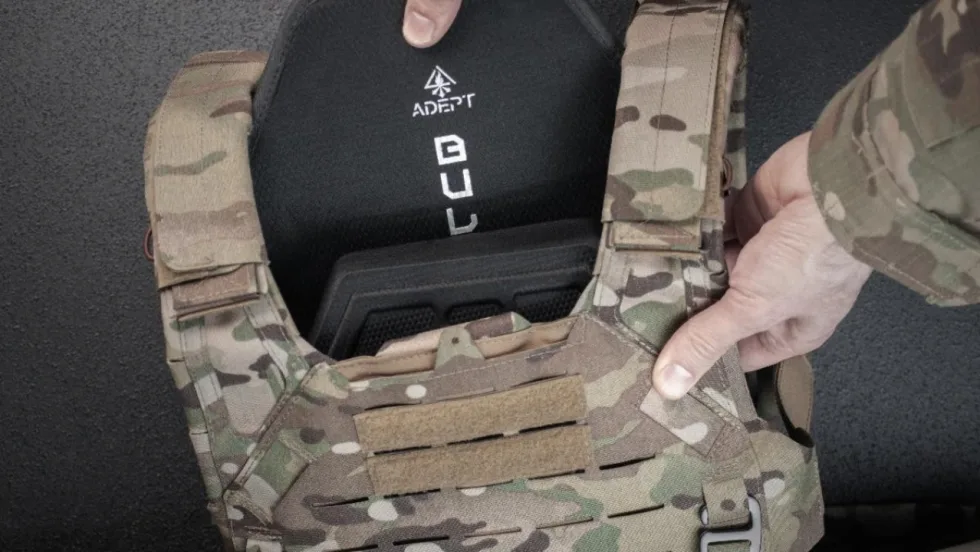
Adept Armor Introduces Two New Rifle Plates
Adept Armor has launched two new Level IV ballistic plates, the Emperor and the Archon Mark 2, which brings Adept Armor’s new Quatroid ceramic to the high-threat, performance-value center of the range at 5.2 pounds.
Read More →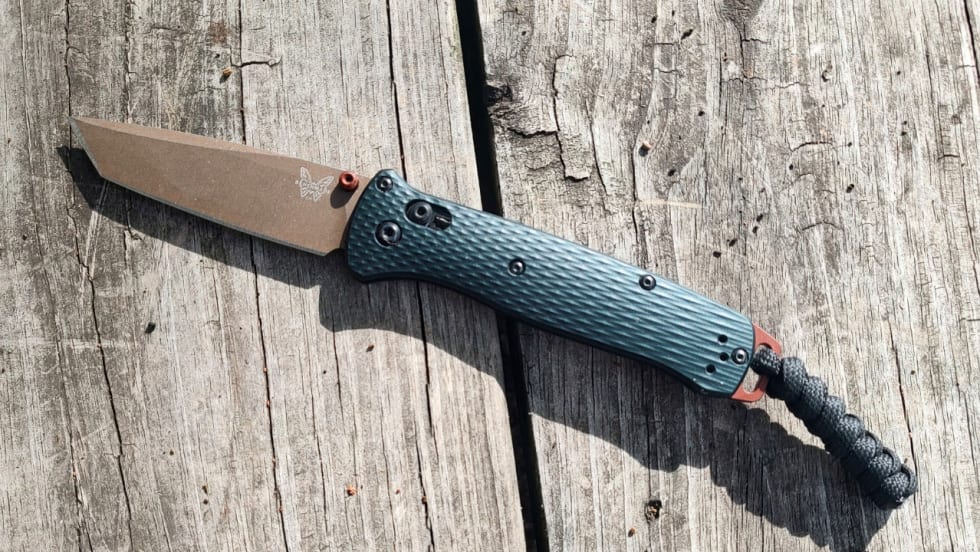
POLICE Product Test: Benchmade Bailout
The Benchmade Bailout is a slim, lightweight carry knife with a deep-ride pocket clip and comes in a variety of blade steels and scales. Here is a detailed review of the Taiga Green Bailout, released earlier this year.
Read More →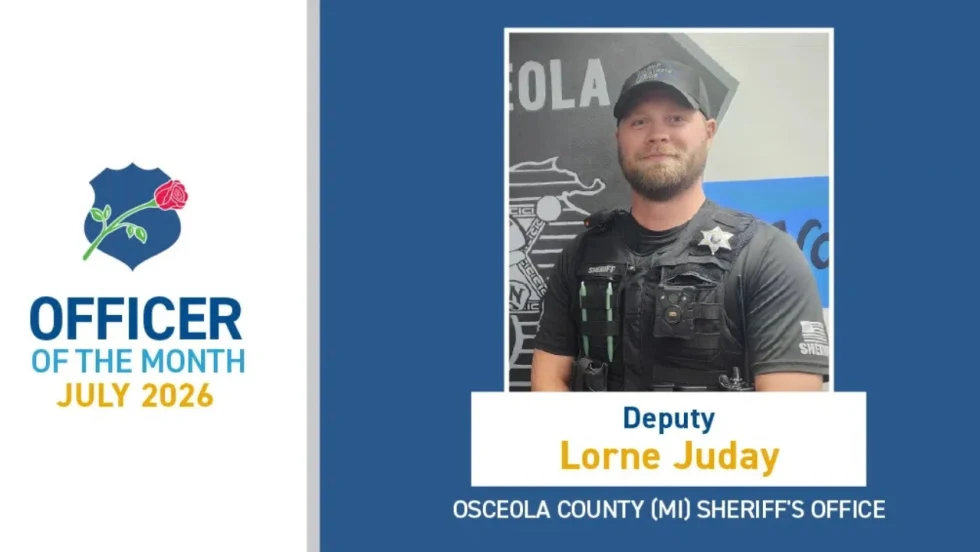
NLEOMF Announces July 2026 Officer of the Month
NLEOMF honored a Michigan deputy sheriff as the July 2026 Officer of the Month for rescuing a trapped driver from a burning vehicle following a Fourth of July crash.
Read More →
Streamlight to Showcase Newest Lighting Products at National Safety Council’s Safety Congress & Expo 2026
Streamlight will showcase its latest lights, including the Portable Scene Light III and the LiteBox 1Million, at the 2026 National Safety Council (NSC) Safety Congress & Expo.
Read More →
The 2027 World Police & Fire Games Set for Perth, Australia
The 2027 World Police & Fire Games (WPFG) will take place in Perth, Western Australia, from Friday, March 12 through Sunday, March 21, 2027.
Read More →
5.11 Partners with National Fallen Firefighters Foundation to Support #ForThe343
5.11 has joined the nationwide movement honoring the 343 New York City Fire Department firefighters lost on Sept. 11, 2001.
Read More →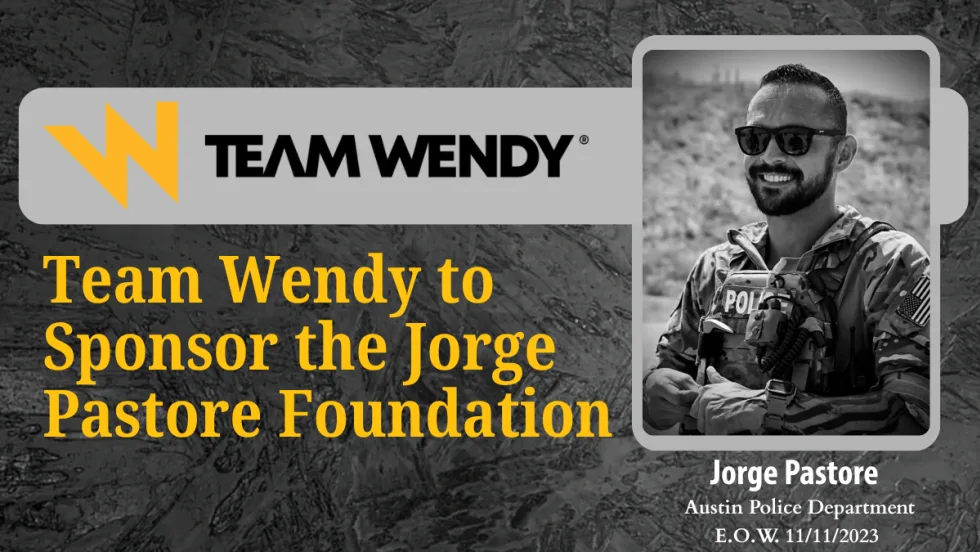
Team Wendy Announces Title Sponsorship of the Jorge Pastore Foundation
Team Wendy’s 3-year partnership with the Jorge Pastore Foundation expands access to programs that strengthen those who serve.
Read More →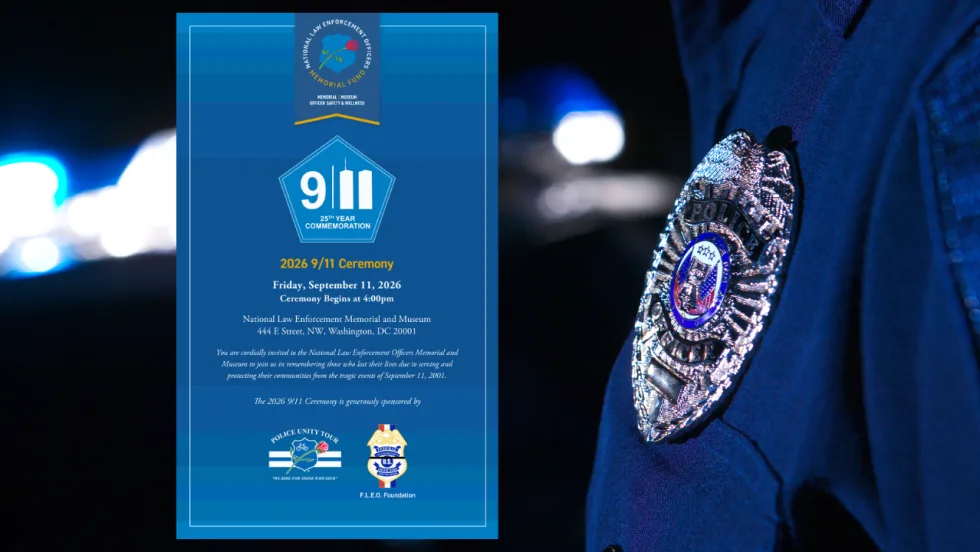
National Law Enforcement Memorial and Museum Hosting 9/11 25th-Year Commemoration Ceremony
The National Law Enforcement Memorial and Museum is hosting a 9/11 25th Year Commemoration Ceremony on Sept. 11 at 4 p.m.
Read More →
National Law Enforcement Officers Memorial Fund Announces June 2026 Officers of the Month
The National Law Enforcement Officers Memorial Fund (NLEOMF) named 15 officers of the Chico Police Department (California) as the Officers of the Month for June 2026 for their roles in responding to an active-shooter incident at a public library.
Read More →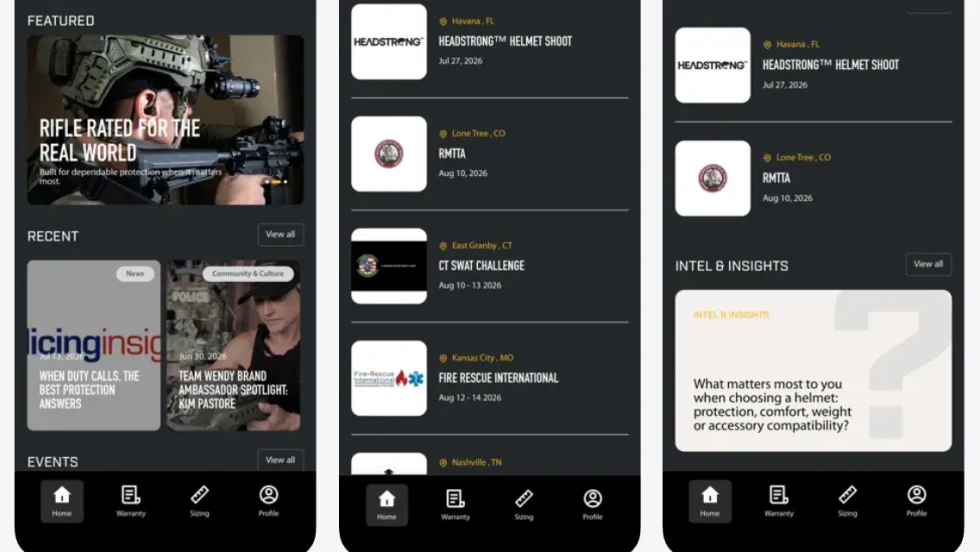
Team Wendy App Creates New Digital Hub for Helmet Owners
The Team Wendy Community App provides one location for warranty registration, size-fit tools, product updates, and community connection. For helmet owners, the new app creates a simpler path to the information and tools that matter most.
Read More →