
Police Magazine

 MENU
MENU SEARCHMENUSEARCH
Loading data...
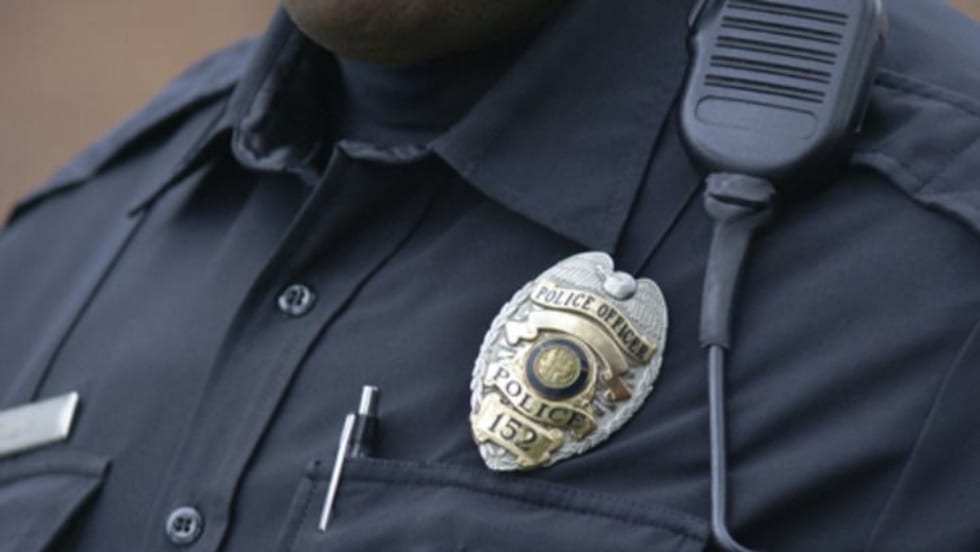
In smaller agencies, policy manuals—if they existed—were just a few policy statements. Now there are multiple bound volumes that no officer can be expected to memorize, let alone understand. — Tom Aveni, Police Policy Studies Council
Read More →


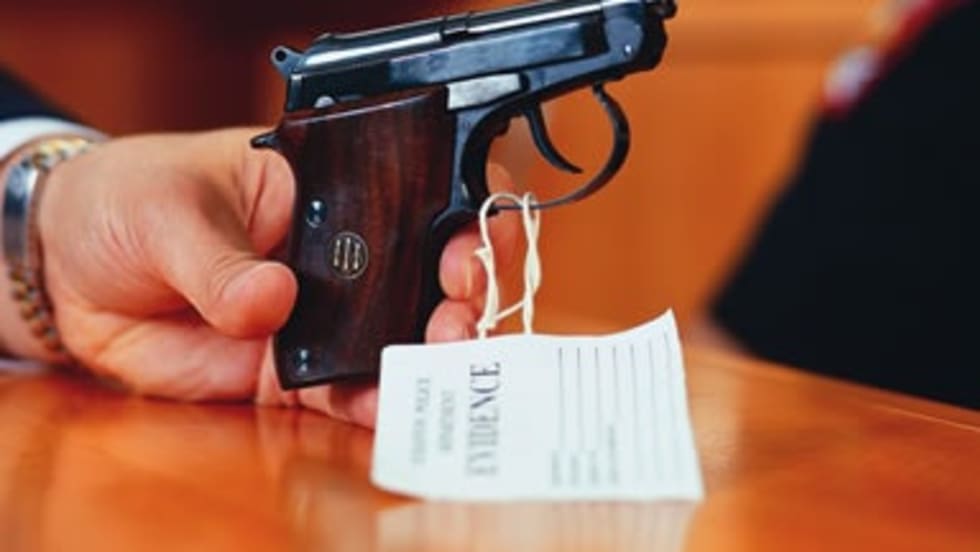
In your search warrant affidavits, your reports, and your testimony you have to lay out the basis of your suspicions and justify every detention, arrest, search, seizure, entry, and use of force.
Read More →Evidence discovered during a search incident to an arrest supported by PC is not suppressible in the majority of state courts.
Read More →The general rule-of-thumb is to try to get a warrant whenever possible. On the other hand, if you can seize evidence without engaging in a search, you don't need either a warrant or any exception.
Read More →There are four ways to make a lawful entry into a private home. Notice that "entry incident to outdoors arrest" is not on the list of lawful ways to get inside a residence. In three separate cases, the U.S. Supreme Court has held such entries to be unconstitutional.
Read More →The patrons are also suing in federal court, claiming that the officers violated their civil rights and searched them without probable cause.
Read More →On average, 60,000 officers are assaulted on the job every year. That's an average of 164 per day. The risk level you face on the job makes it important not only to resist complacency and to follow prudent tactics, but also to understand how to ensure that your interactions with suspects are constitutionally justifiable, so that you are never forced to choose between being safe and being sued.
Read More →In the 2007 decision in Brendlin v. California, the U.S. Supreme Court added yet another to a series of Fourth Amendment opinions on the subject of vehicle searches and seizures involving passengers, rather than drivers.
Read More →The detective rapped on the front door. Then three seconds later, instead of waiting for a resident to answer, one of the officers on his team kicked in the door. They had expected to find a meth lab in the apartment, but the man and woman they'd awakened in the middle of the night and handcuffed had committed no crimes. The officers had raided the wrong apartment.
Read More →The U.S. Supreme Court has said that "Because many situations which confront officers in the course of executing their duties are more or less ambiguous, room must be allowed for some mistakes on their part. But the mistakes must be those of reasonable men, acting on facts leading sensibly to their conclusions of probability." (Brinegar v. U.S.)
Read More →