



Search Warrant Exceptions
The requirement of the Fourth Amendment is that all searches be "reasonable." The Supreme Court has ruled that warrantless searches are presumed to be unreasonable, "subject only to a few specifically established and well-delineated exceptions."

The requirement of the Fourth Amendment is that all searches be "reasonable." The Supreme Court has ruled that warrantless searches are presumed to be unreasonable, "subject only to a few specifically established and well-delineated exceptions." (Katz v. U.S.) That means that unless you are searching under authority of a judicial warrant, you are presumed to be violating the Fourth Amendment.
To rebut this presumption and avoid both civil liability and suppression of evidence, you have the burden of establishing that your warrantless search was justified under one or more of the recognized exceptions, including the following.
Consent
Consent searches are reasonable provided consent is given by someone who appears to have authority to do so and if it is given voluntarily. (Schneckloth v. Bustamonte) A person usually has authority to consent to a search of any place to which he or she has a lawful right of access. There are exceptions, however.
Even though hotel and motel employees have a right of access into rented rooms for housekeeping and maintenance, they do not have the right to enter and search for criminal evidence. Therefore, they cannot give effective consent for police entry and search during the term of paid occupancy. (Stoner v. California; U.S. v. Jeffers)
Parents can generally consent to a search of their minor children's property, but young children cannot allow a search of their parents' property. One spouse or co-tenant can allow entry and search during the other's absence, but not if the other is present and objecting. (Georgia v. Randolph) Even a person who actually has no right of access but reasonably appears to police to have authority to admit them can give effective consent. (Illinois v. Rodriguez-officers had no way of knowing that the "girlfriend" with a key no longer lived with the defendant.)
Consent is voluntary if police have not used any force or threats to coerce it. Officers cannot falsely assert that they have a search warrant or threaten to arrest a person for refusing to consent. (Bumper v. North Carolina) Voluntary consent can be obtained from a person in custody (U.S. v. Watson), and the person need not be told that he or she has a right to refuse consent. (Robinette v. Ohio; U.S. v. Drayton) An officer does not have to have any suspicion of wrongdoing in order to request consent. (Florida v. Bostick)
A person who consents to a search can limit the scope of search (Example: "You can search inside the car, but not the trunk.") If there is no other justification for searching, the officer must limit the search to the designated scope. The consenter may also revoke consent at will, and the search must end, absent some other justification. (Florida v. Jimeno)
Incident to Arrest
When you make a lawful, custodial arrest, you may make a contemporaneous search of the person, clothing, and effects of the arrested person (such as purses, backpacks, duffel bags, shopping bags, etc.). (U.S. v. Robinson) This is not merely a weapons pat-down, but a full search, including containers found in the pockets, etc. (U.S. v. Gustafson)
To be "contemporaneous," the search must take place at or near the time and place of the arrest and cannot be delayed or performed at another location. (Dyke v. Taylor) However, a search can be "incident" to an arrest even if it occurs before the person is actually placed under arrest, as long as you had PC to arrest before searching. (Rawlings v. Kentucky) To be "custodial," the arrest must be accomplished by taking physical custody and transporting the person away. A temporary detention followed by a release on a written citation does not justify a search. (Knowles v. Iowa)
This exception also allows a search of all compartments and containers in the passenger area of a vehicle the arrestee recently occupied. (Thornton v. U.S.) If the arrest takes place inside a residence you lawfully entered, the scope of search extends to places where the arrestee could reach or lunge (Chimel v. California), and also allows a peek into immediately adjoining rooms and spaces that could conceal a potential assailant. (Maryland v. Buie)
Fleeting Targets
Inherently mobile devices, including cars, trucks, buses, RVs, airplanes, trains, and water-going vessels, are "fleeting targets" for a search, because they can be easily moved out of the jurisdiction while a warrant is being sought. They are also subject to pervasive regulation. For these reasons, the court has held that vehicles have a diminished expectation of privacy that allows warrantless searches based on two things: probable cause to believe they contain something seizable and lawful access to the place where they are found. (Chambers v. Maroney)
If a vehicle is inside a garage or other structure that you cannot lawfully enter, a warrant must be obtained. However, if you have PC to search a vehicle found on a highway, street, driveway, carport, parking lot, tow yard, or other area lawfully accessible to police, you may search any part of the vehicle and its contents and containers that might conceal the object of your search. (California v. Acevedo) This search can occur even though you have had exclusive custody of the vehicle for several days and had plenty of time to obtain a warrant. (U.S. v. Johns; Florida v. Meyers)
Officer Safety
Limited search activities can be justified in the interest of officer safety. For example, you may order out the driver and all passengers at a lawful traffic stop, without any reason or suspicion. (Pennsylvania v. Mimms; Maryland v. Wilson) If you have a reasonable suspicion that a person is armed and dangerous, you may conduct a pat-down search of the outer clothing for weapons. When lawfully inside a residence and with articulable suspicion that an assailant may be present, you may conduct a "safety sweep" of the premises. (Maryland v. Buie)
Booking Search and Inventory
The property worn or carried by a lawfully arrested person may be thoroughly examined at the place of detention. (Illinois v. Lafayette) After clothing and possessions are taken from an arrestee and held in the property locker, they are still subject to warrantless search. (U.S. v. Edwards)
If (and only if) the department has a standardized policy that directs officers to open and inventory the contents of lawfully seized vehicles for safety and accounting purposes, you may do so. (Colorado v. Bertine; Florida v. Wells)
Special Needs
The court has identified several "special needs" exceptions that do not fit into other categories. These include probation and parole searches, school searches, searches of highly regulated businesses (such as firearms dealers, pawn shops, and junkyards), employment and educational drug screening, and the immediate search for "evanescent" evidence (such as blood-alcohol content).
Practice Reminders
The facts surrounding any search should be examined to see how many ways it can be justified, rather than resting on a single theory. (Devenpeck v. Alford) Also, state restrictions may limit your ability to search under U.S. Supreme Court rules. Remember, the safest course for any search is to seek a search warrant, whenever practicable.
Devallis Rutledge, a former police officer and veteran prosecutor, is Special Counsel to the Los Angeles County District Attorney.
SEARCH WARRANT EXCEPTIONS
- Consent Search
- Search Incident to Arrest
- Fleeting Targets Search
- Officer Safety Search
- Booking Search
- Inventory
- Special Needs Searches
More Patrol
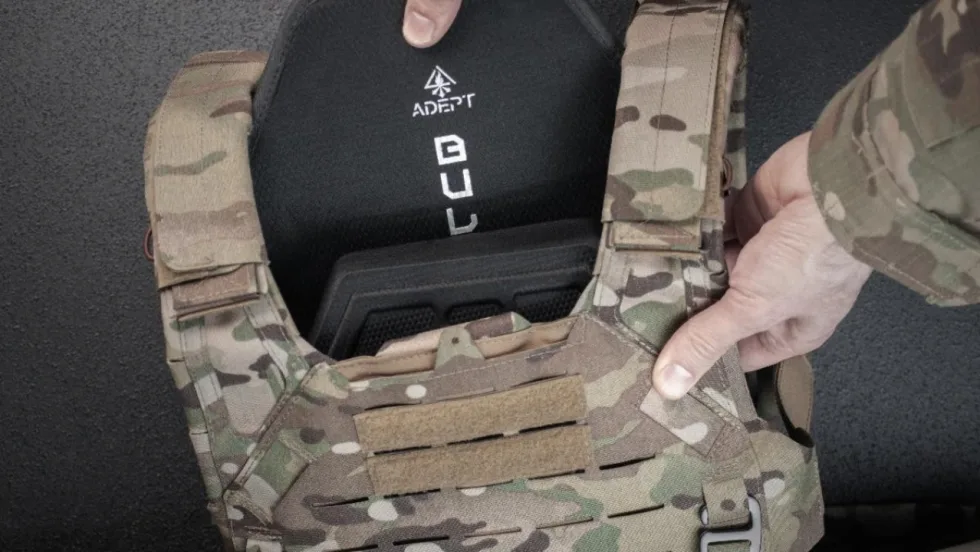
Adept Armor Introduces Two New Rifle Plates
Adept Armor has launched two new Level IV ballistic plates, the Emperor and the Archon Mark 2, which brings Adept Armor’s new Quatroid ceramic to the high-threat, performance-value center of the range at 5.2 pounds.
Read More →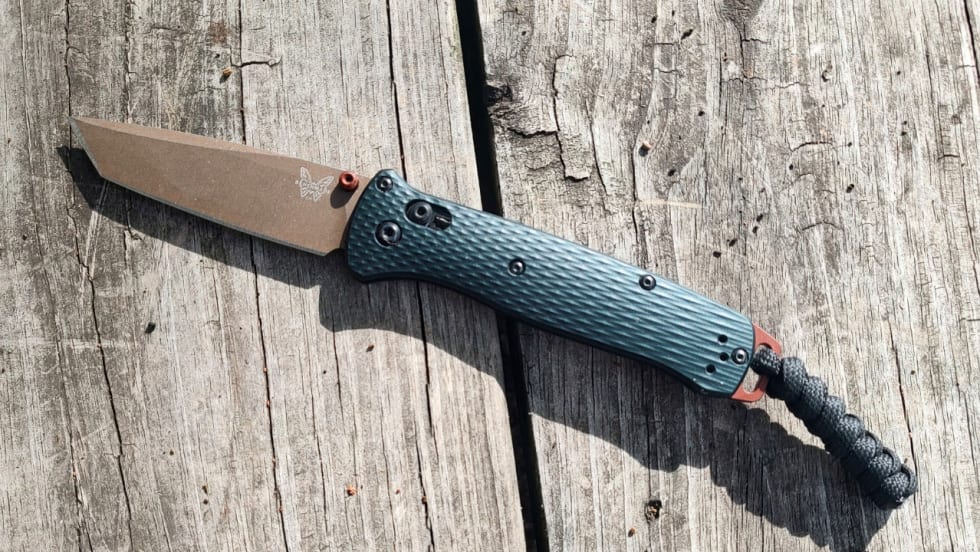
POLICE Product Test: Benchmade Bailout
The Benchmade Bailout is a slim, lightweight carry knife with a deep-ride pocket clip and comes in a variety of blade steels and scales. Here is a detailed review of the Taiga Green Bailout, released earlier this year.
Read More →
NLEOMF Announces July 2026 Officer of the Month
NLEOMF honored a Michigan deputy sheriff as the July 2026 Officer of the Month for rescuing a trapped driver from a burning vehicle following a Fourth of July crash.
Read More →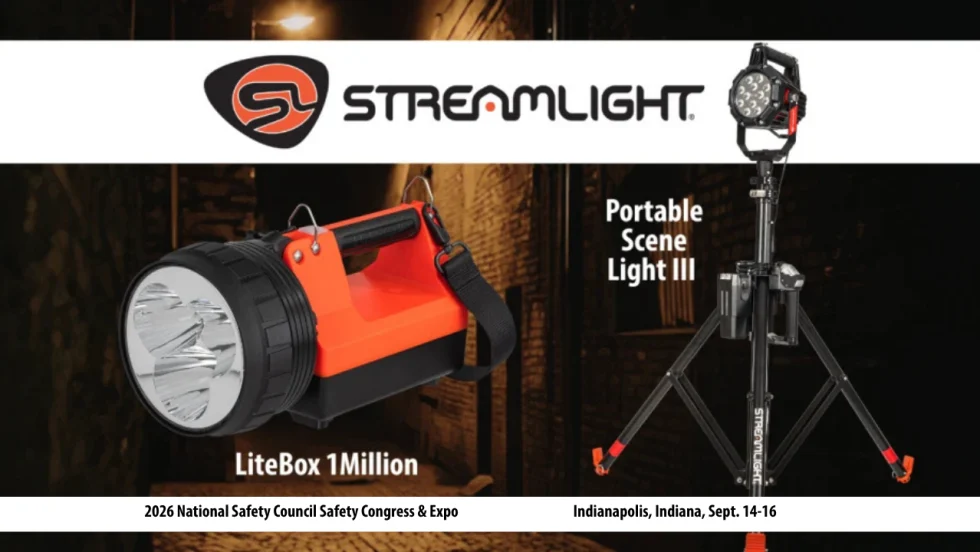
Streamlight to Showcase Newest Lighting Products at National Safety Council’s Safety Congress & Expo 2026
Streamlight will showcase its latest lights, including the Portable Scene Light III and the LiteBox 1Million, at the 2026 National Safety Council (NSC) Safety Congress & Expo.
Read More →
The 2027 World Police & Fire Games Set for Perth, Australia
The 2027 World Police & Fire Games (WPFG) will take place in Perth, Western Australia, from Friday, March 12 through Sunday, March 21, 2027.
Read More →
5.11 Partners with National Fallen Firefighters Foundation to Support #ForThe343
5.11 has joined the nationwide movement honoring the 343 New York City Fire Department firefighters lost on Sept. 11, 2001.
Read More →
Team Wendy Announces Title Sponsorship of the Jorge Pastore Foundation
Team Wendy’s 3-year partnership with the Jorge Pastore Foundation expands access to programs that strengthen those who serve.
Read More →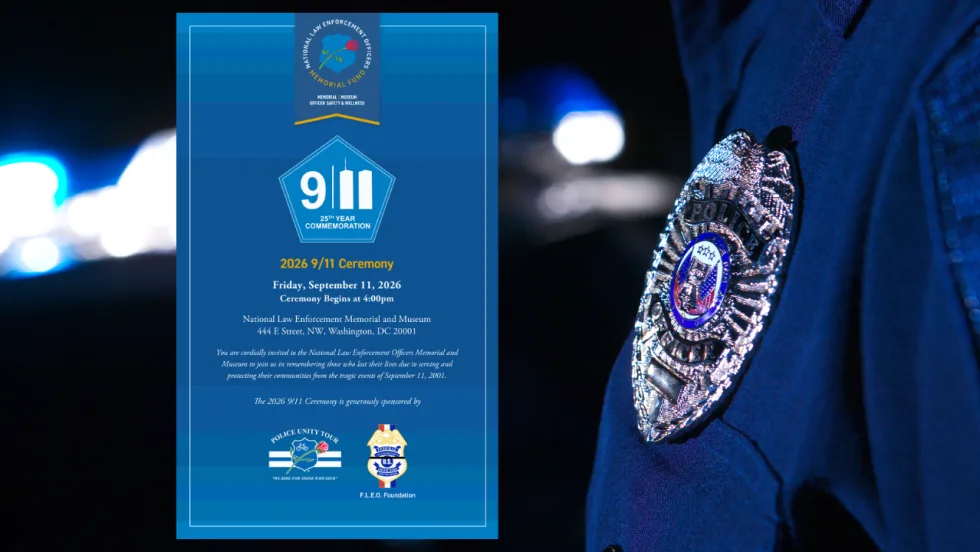
National Law Enforcement Memorial and Museum Hosting 9/11 25th-Year Commemoration Ceremony
The National Law Enforcement Memorial and Museum is hosting a 9/11 25th Year Commemoration Ceremony on Sept. 11 at 4 p.m.
Read More →
National Law Enforcement Officers Memorial Fund Announces June 2026 Officers of the Month
The National Law Enforcement Officers Memorial Fund (NLEOMF) named 15 officers of the Chico Police Department (California) as the Officers of the Month for June 2026 for their roles in responding to an active-shooter incident at a public library.
Read More →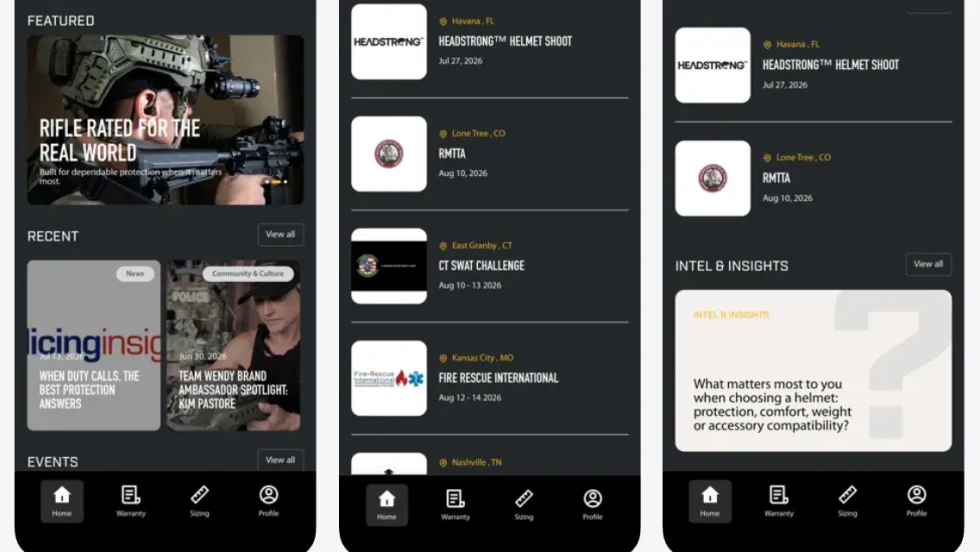
Team Wendy App Creates New Digital Hub for Helmet Owners
The Team Wendy Community App provides one location for warranty registration, size-fit tools, product updates, and community connection. For helmet owners, the new app creates a simpler path to the information and tools that matter most.
Read More →