
Police Magazine

 MENU
MENU SEARCHMENUSEARCH
Loading data...

Men are all too transparent. They stare, they ogle, they salivate. They wouldn't know subtlety if it came up and bit them on the ass. And that's true when they see criminals.
Read More →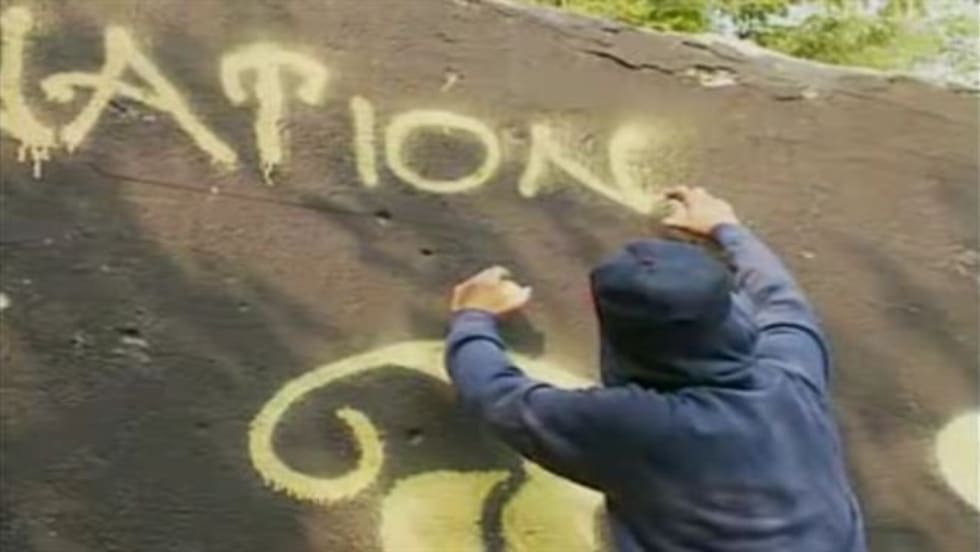
The Collective Eye offers this tutorial on how to understand gang graffiti symbols, handshakes and codes, using as an example the distinction between People versus Folks in the Chicago-area gang lexicon. Excerpted from The Heart Broken in Half, an anthropological documentary about a Chicago street gang, the Latin Kings.
Read More →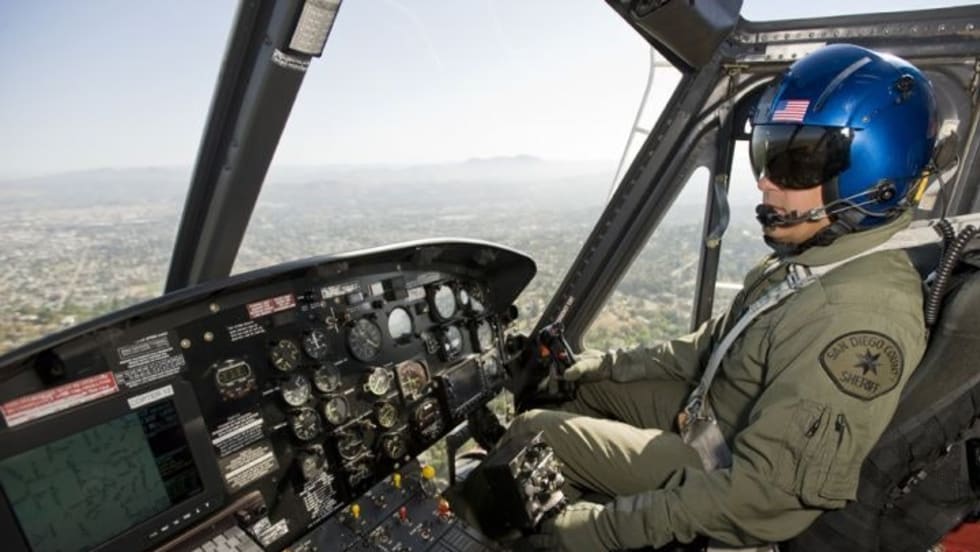
Read this how-to guide for sworn officers in larger departments who dream of one day joining their agency's airborne unit.
Read More →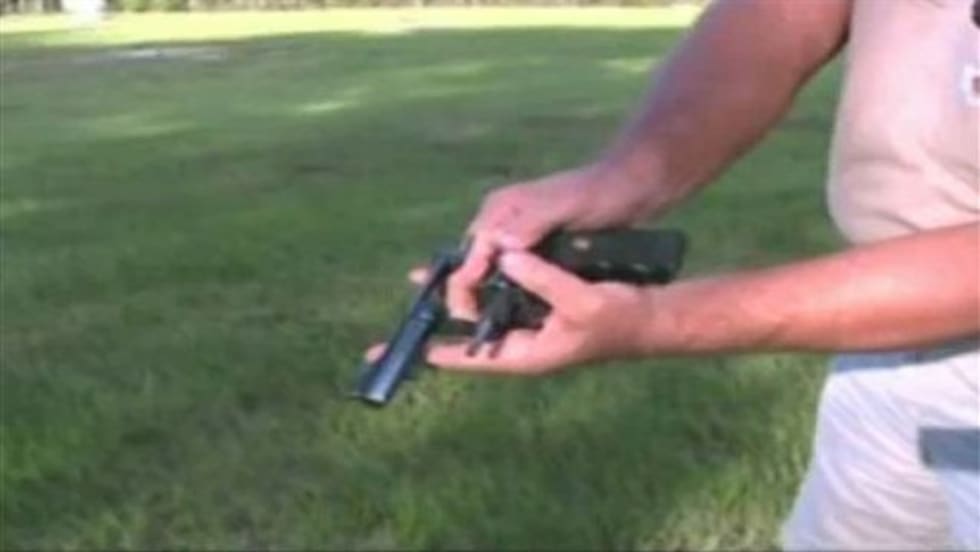
Mike Larney of the ProArms podcast demonstrates the FLETC reload for the revolver as he was taught when he was an officer with the NYPD. You'll need a speed-loader for this one.
Read More →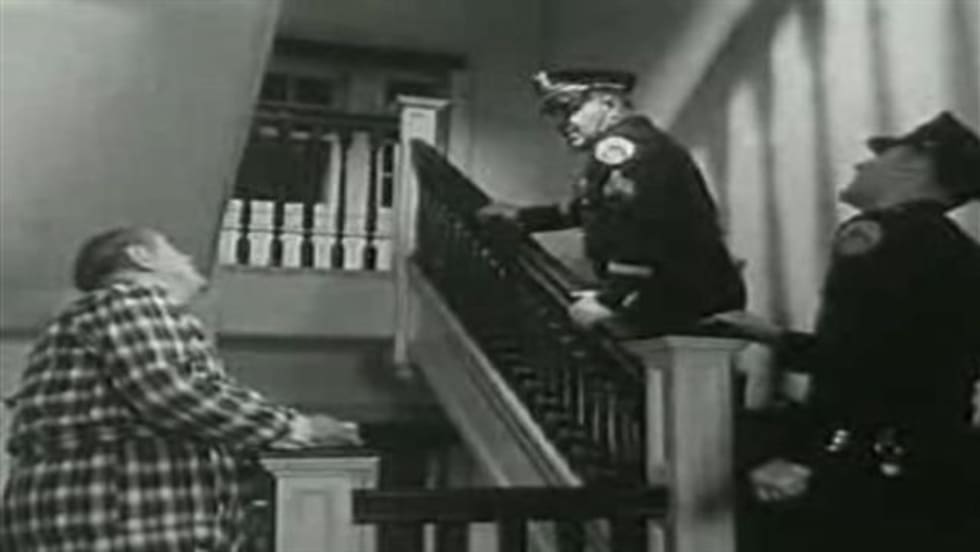
This 1960 documentary, "Booked for Safekeeping (Part I)" was made to train officers to help mentally ill and confused people. The film advocates that mentaly ill people be held in the least restrictive environment possible, particularly not in a jail cell unless absolutely essential. The film points out that there are often inadequate facilities and services to deal with such people, and that is why the job falls to the police.
Read More →
SenseiNinja2 offers two ways to assert yourself with the PR-24 side-handle baton to fend off an attacker. In the initial move, he advises that you "don't stand flat-footed; charge into it." Use the other hand to grab the suspect's hands or wrist immediately after the block to prevent them from using the back end of a weapon to attack you.
Read More →
Becoming a better cop may not ensure formal recognition such as a promotion, but it'll virtually guarantee it informally. It'll simultaneously help you to do your job faster and increase your prospects to work elsewhere.
Read More →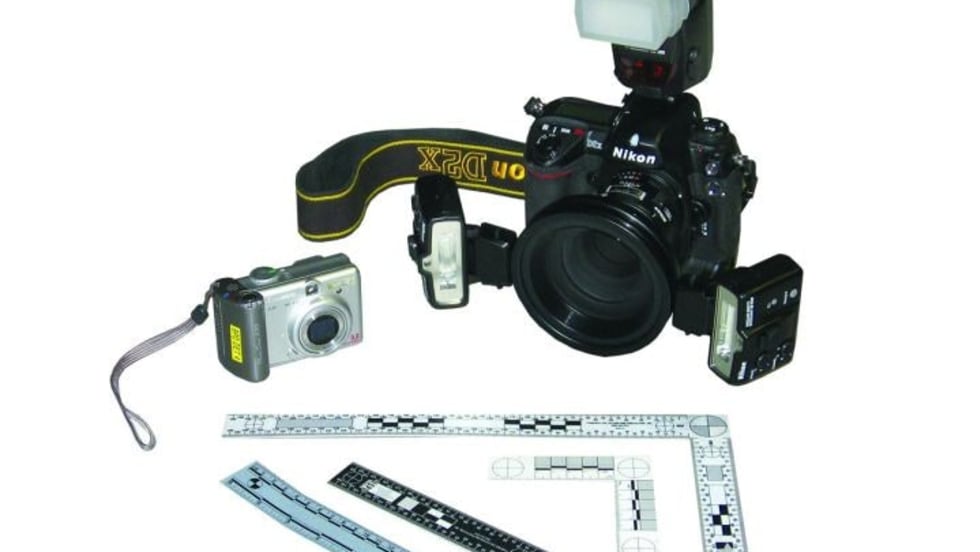
Good photographs documenting physical injuries start even before the camera is out of the bag, because you need to have the proper mindset. These photos aren't just for police departments. They'll be viewed by the prosecutor, defense attorney, judge and, most importantly, the jury will scrutinize your work. Good composition, proper exposure and attention to detail speak volumes about your skill and dedication. Sloppy, out-of-focus images give the impression of incompetence.
Read More →
Hurricane country cops need a scale that screams the following message to the public: Get out! Get out, now!
Read More →Managing the rising costs of police fleets is a challenge that all law enforcement agencies are facing. Fortunately, there are technologies available to help fleet managers better manage these costs and save their departments thousands of dollars annually.
Read More →