

Police Magazine

 MENU
 SEARCHMENUSEARCH
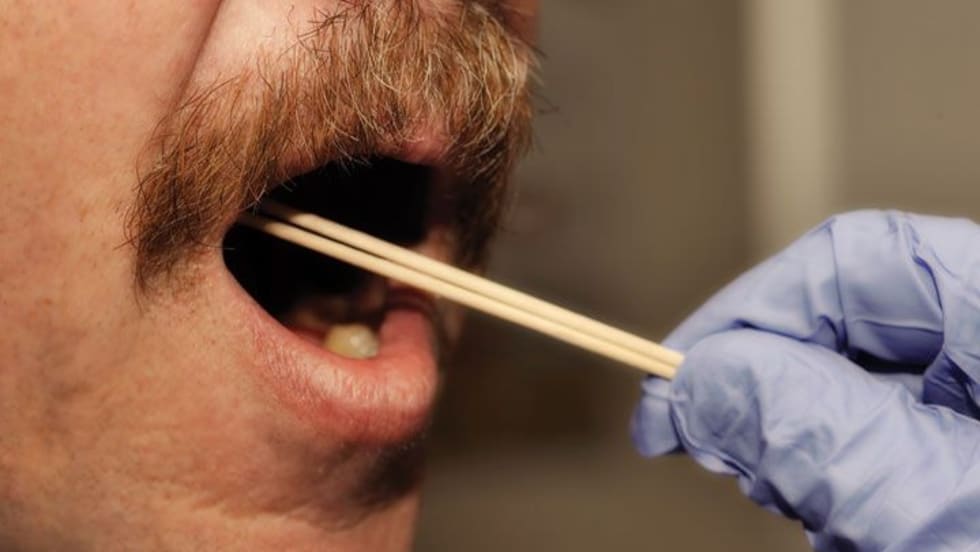
The advent of DNA analysis has revolutionized criminal investigations, and new techniques continue to improve the ways in which it can be used.
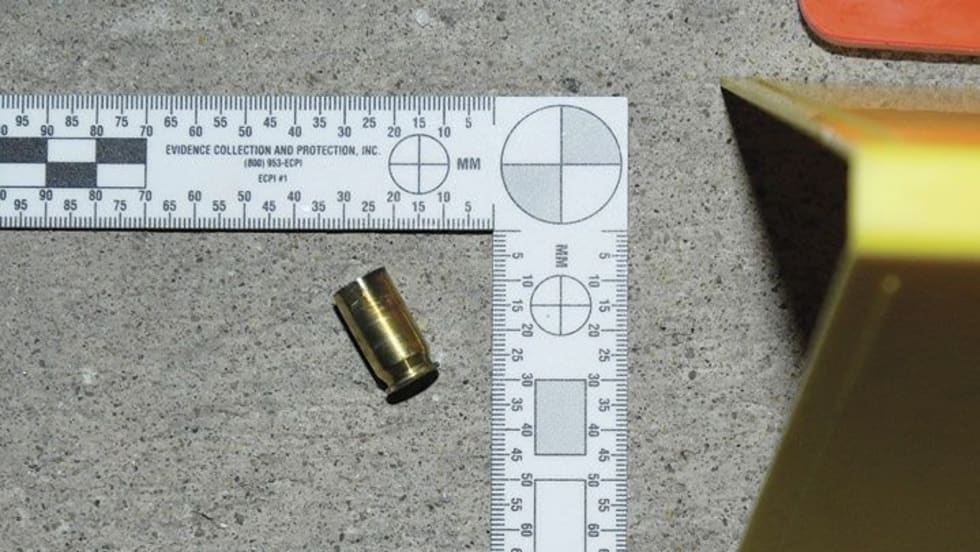
I realized that even without the murder weapon, the prosecution still had an immense amount of significant ballistic physical evidence linking Abeyta to the murder. And thanks to good forensic work and the invaluable NIBIN database that tracks images of ballistics evidence, it was enough to convict him.
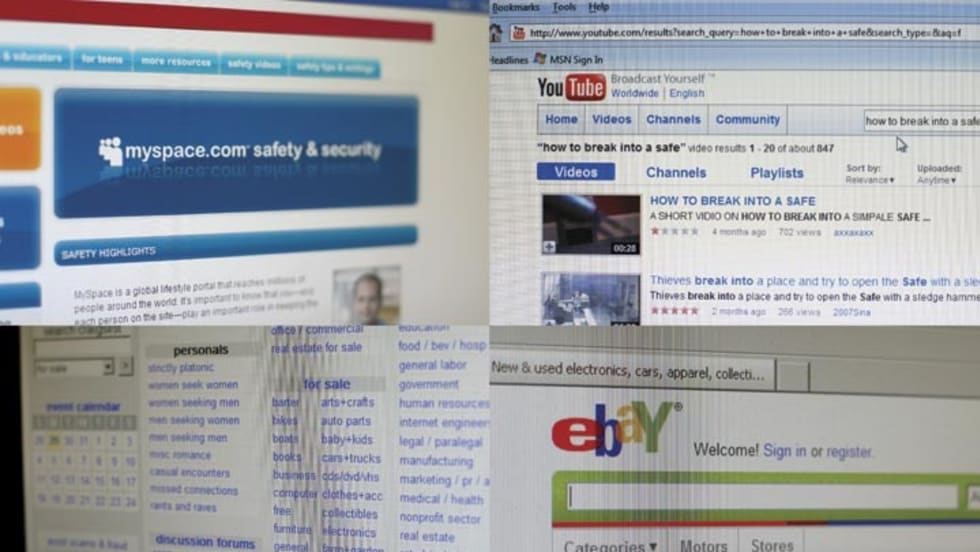
"I love Facebook!" came the shout from the cubicle next to mine. One of my fellow detectives here at the Boulder (Colo.) Police Department—through a simple Internet search—had just discovered the identity of a sex assault suspect.
Enhanced Worker Safety Through UV Lighting Technology
Sponsored by SoundOff Signal
It’s an Ambush: How Ballistic Glass Redefines Patrol Vehicle Safety
Sponsored by Dana Safety Supply
Safariland HOLLE Duty Belt System
Sponsored by Safariland
How Patrolfinder Uses Data to Make Streets Safer
Sponsored by Patrolfinder
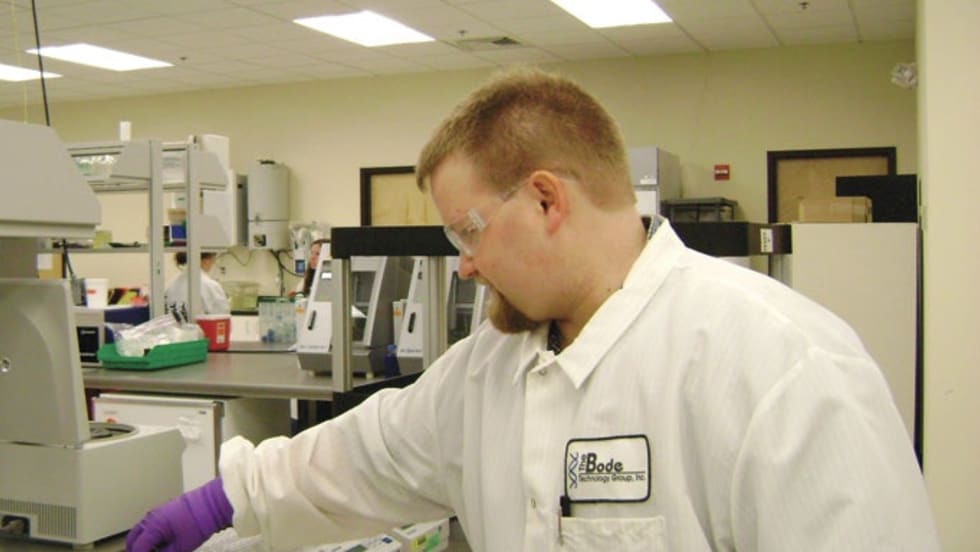
Amazing. This unknown suspect left behind enough DNA from just briefly touching the sides of the victim's underwear to provide a statistically significant partial DNA profile.
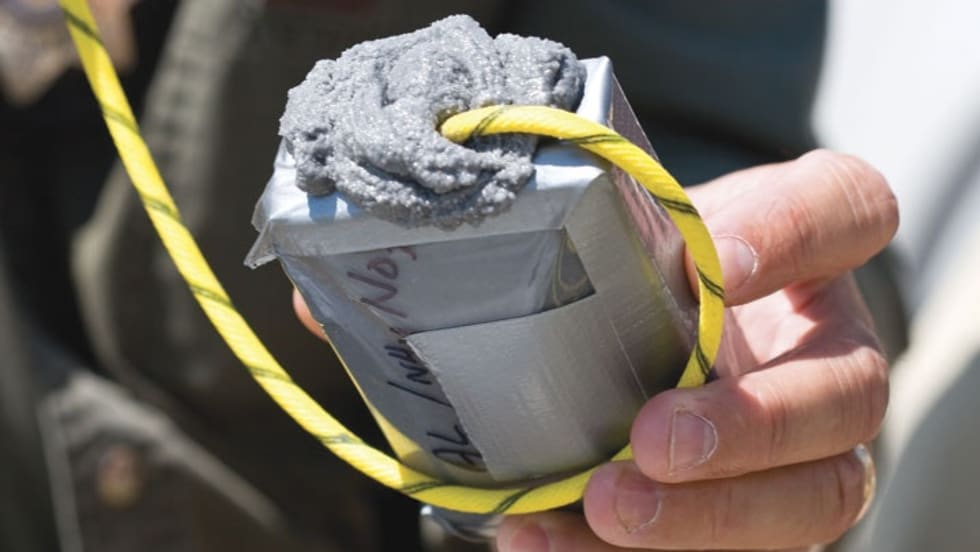
By the time you read this article, I should have completed the six-week basic course at the FBI/Army Hazardous Devices School in Huntsville, Ala. Which means I will be well on my way to becoming a certified bomb technician, a career aspiration that many people—including fellow cops—consider crazy.
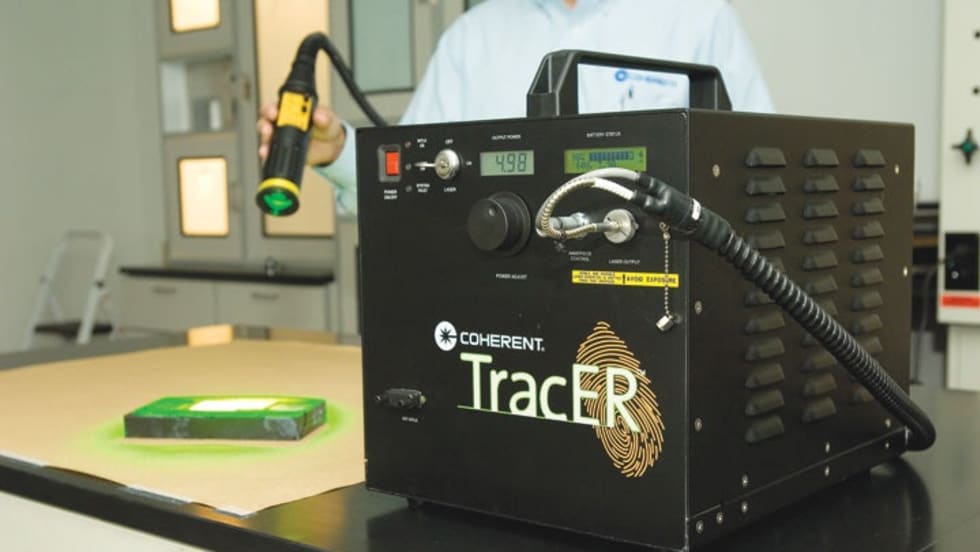
The result is an incredibly high-contrast image that clearly shows the fluorescing evidence, not the background. I've never experienced anything like it.
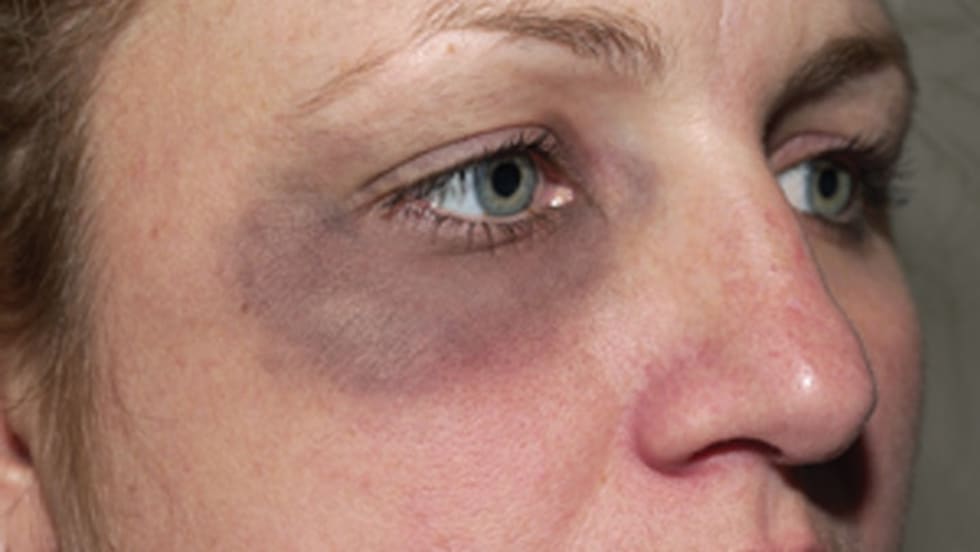
I've taught forensic photography to police officers for more than 10 years, and I always start my presentations with the notion that good photographs start even before the camera is out of the bag. You have to have the proper mindset because images documenting injuries are some of the most important photos we take.

As the responding patrol officer it’s your job to properly process the crime scene, including locating, printing, collecting, and documenting all fingerprint evidence on scene — not necessarily an easy task.
Just five years ago my department purchased a 6-megapixel digital SLR camera that cost more than $5,000, as well as several 3.3-megapixel point-and-shoot digital cameras that cost more than $1,000 each. Today, similar products would cost a fraction of what we spent.
The actions you take as a first responder can determine the value of crime scene evidence for investigators and prosecutors.