
Police Magazine

 MENU
MENU SEARCHMENUSEARCH
Loading data...
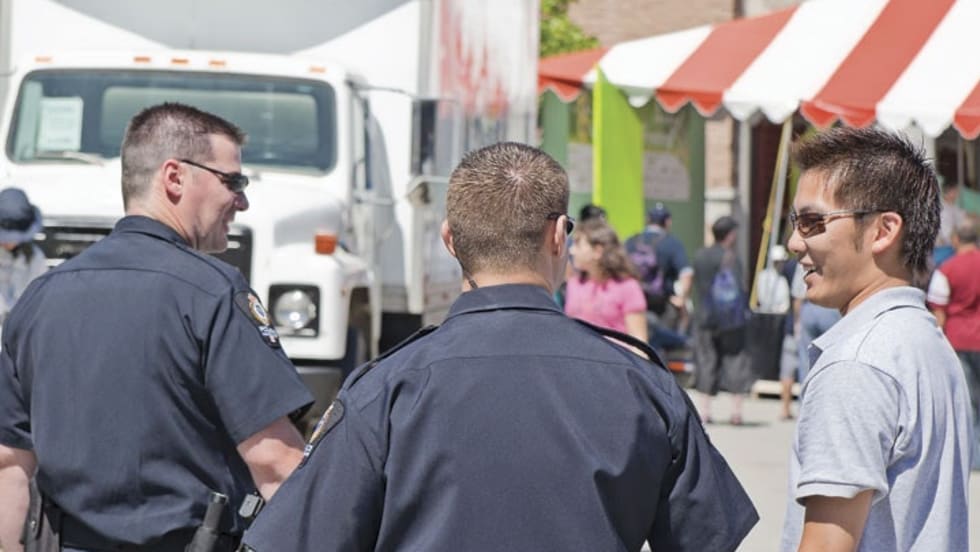
The well-trained, self-disciplined, smart law enforcement officer first tries a consensual encounter, before resorting to a detention that may or may not win judicial approval.
Read More →
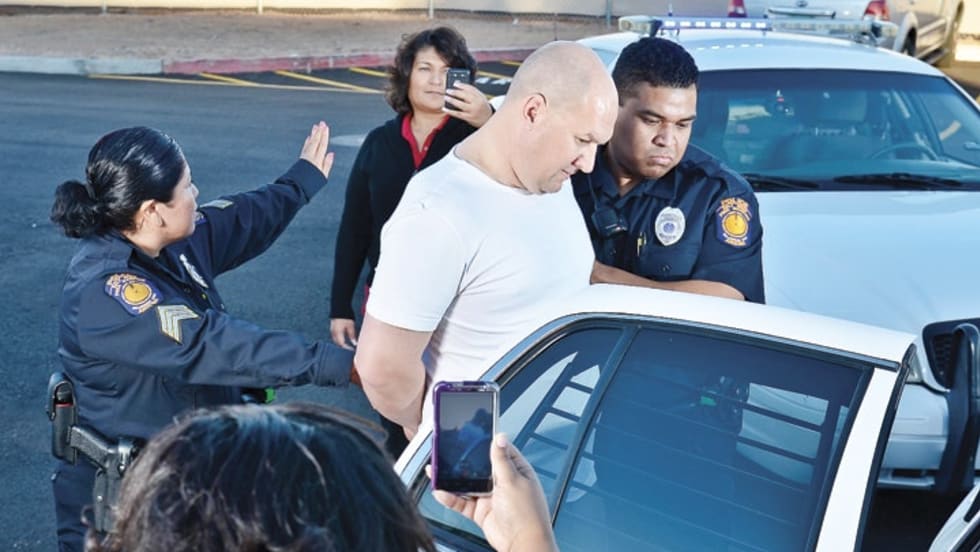
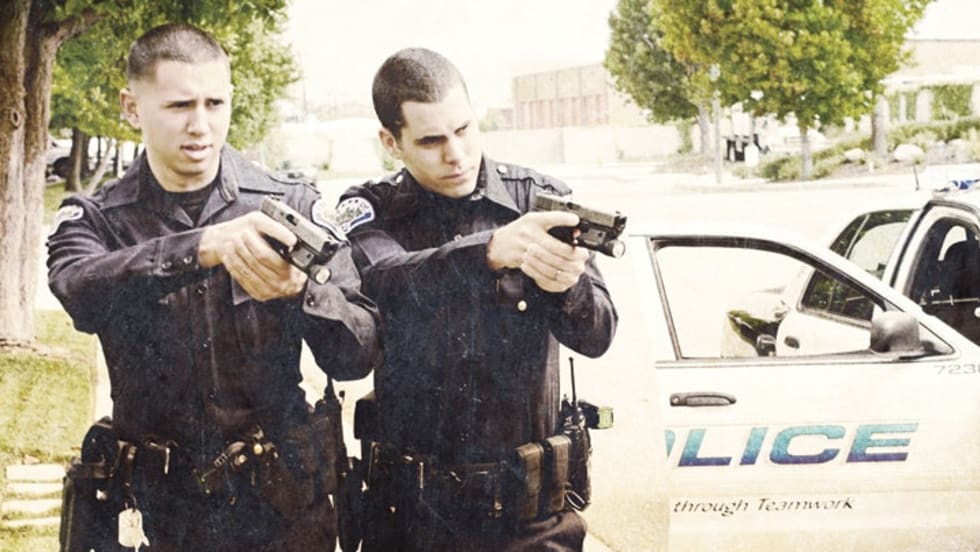


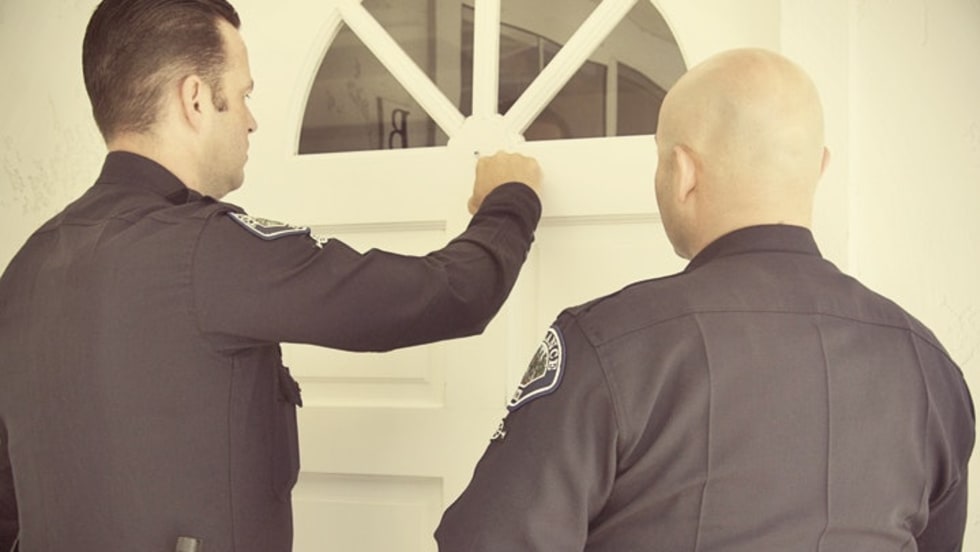

If, God forbid, you have to shoot someone on the job, here are some possible consequences you may find yourself enduring for the next several years, even though you may have been completely justified in your use of deadly force.
Read More →There are times when "tactical language" may be the only thing some suspects respond to. But that doesn't mean profanity should be your default method of communicating with everyone with whom you come in contact.
Read More →In the age of ubiquitous video and mushrooming oversight, how can you ensure that your use of force does not bring unwanted discredit upon you, your department, and the entire profession? The same as always: Know the law, and comply with it.
Read More →Sometimes, people run when they see you coming. May you chase them? If you do, does that amount to a "show of authority" constituting a detention, requiring reasonable suspicion?
Read More →A supreme court decision might have the adverse effect of making it easier for motels conspiring with criminals to thwart police investigations.
Read More →Fortunately, the Supreme Court recently overturned two federal court rulings that had exposed officers to potential liability in cases involving warrantless entries.
Read More →Is it OK under the Fourth Amendment to turn a traffic stop into a criminal investigation? Of course it is, provided the justification for the additional investigation is developed during the reasonable duration of the traffic stop—not after.
Read More →Most of your communications with criminal suspects are "unscripted" dialogue. But in certain situations it can be very important that you say the right words, at the right time, to avoid creating problems for yourself, your agency, and your prosecutor.
Read More →There are good reasons why officers need to become more comfortable with writing search warrant applications, and to delay non-emergency searches until warrants can be obtained.
Read More →