
Police Magazine

 MENU
MENU SEARCHMENUSEARCH
Loading data...
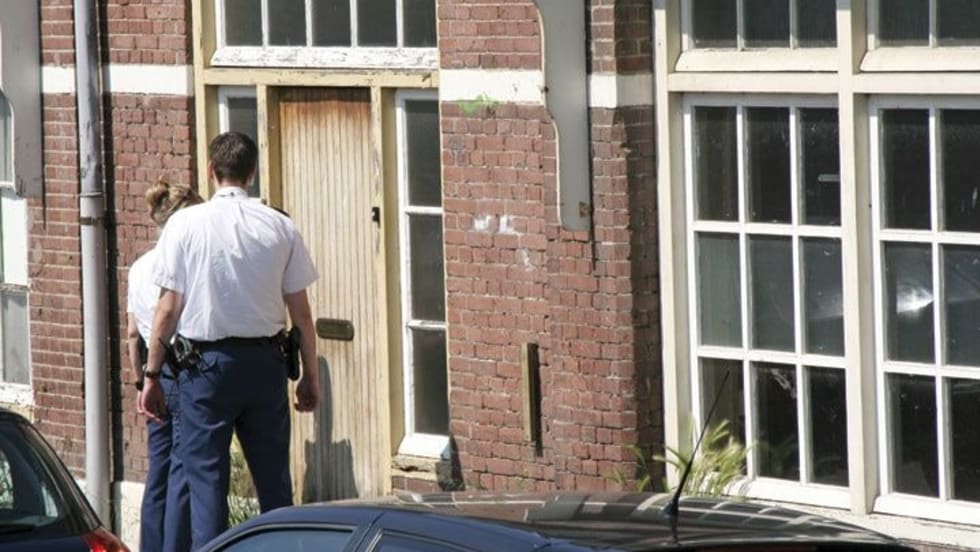
If you can identify two or more ways to justify a detention, arrest, search, or entry, you increase the odds that at least one of them will be upheld in court.
Read More →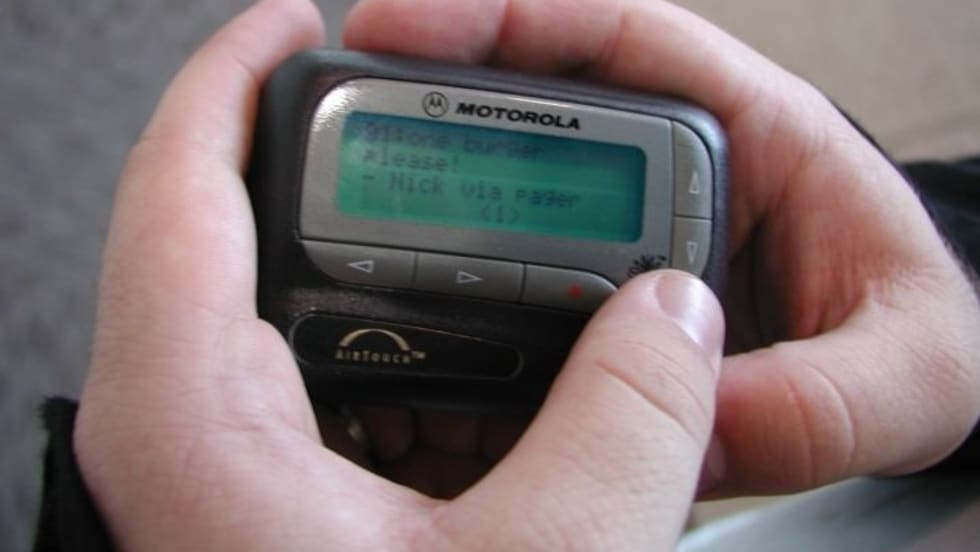



The Ontario (Calif.) Police Department fired Sgt. Jeff Quon after an internal audit determined he had sent a flurry of personal text messages using his department-issued pager.
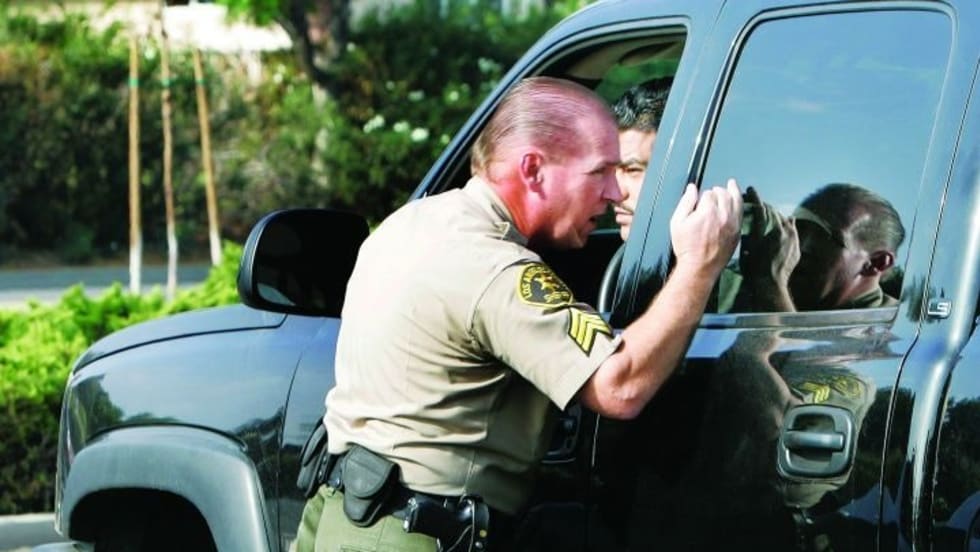
Read More →Probable cause is much less than proof "beyond a reasonable doubt," which the prosecutor must meet in order to convict a defendant. But PC is something more than the "reasonable suspicion" required to justify a temporary investigative detention.
Read More →U.S. Supreme Court justices began discussing the merits of the firing of a California SWAT sergeant for receiving sexually explicit text messages on his department-issued pager.
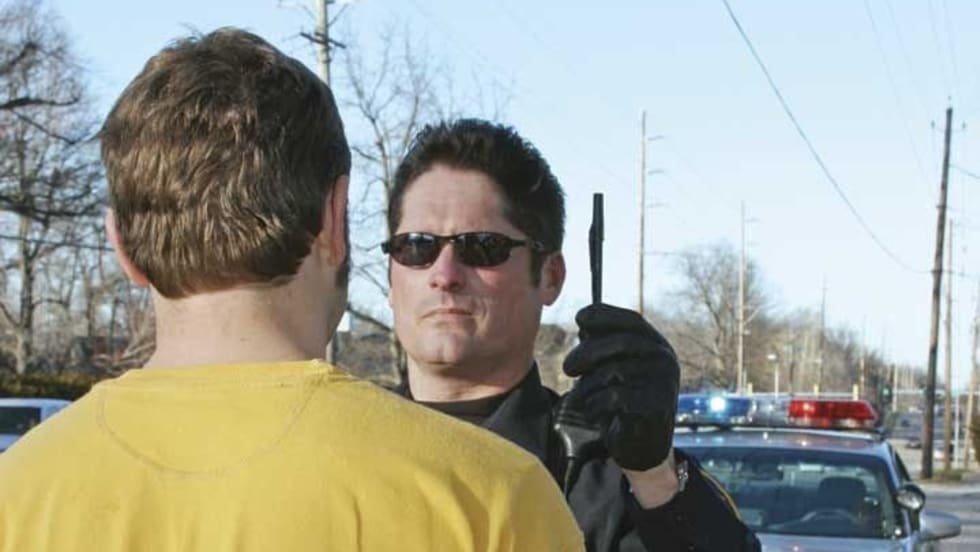
Read More →So far, the U.S. Supreme Court has left it to the states and the federal appellate circuits to make their own rulings on the issue of whether officers may make a stop to investigate a reported drunk driver, without having any independent observations to corroborate the anonymous tip. This has led to a split of authority on the issue.
Read More →Ohio patrol officers looking to gather evidence from the cell phones of people they question will now need a search warrant, following a ruling by that state's high court.
Read More →The nation's high court will hear a case involving a California SWAT sergeant who was fired for using his departmental pager to transmit sexually explicit messages to his wife.
Read More →Evidence discovered during a search incident to an arrest supported by PC is not suppressible in the majority of state courts.
Read More →It's not uncommon to hear or read about officer-involved shootings where multiple officers emptied their loads into the suspect and anything within 10 feet of him. Asked about why they opened fire, bystander officers may reply, "When another officer started shooting, I just reflexively started shooting, too."
Read More →How many times have you heard the expression "PC for the stop"? How about the application of Miranda once the suspect is "not free to leave?" These are common examples of improper mixing that can undercut the case against a guilty perpetrator.
Read More →