



Dave Smith: No Lessons Learned
In the 1980s and 1990s crime was out of control in this country and our leaders did something about it. Now they have abandoned that mission and crime has come back.

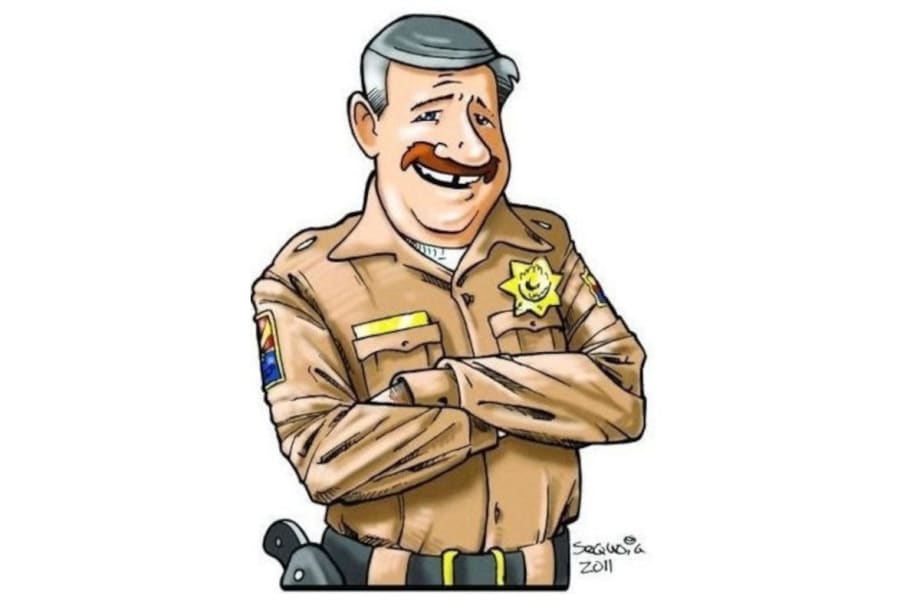
We are all talking about the crime problem nowadays and no one seems to remember that we were dealing with the same issue decades ago. The 1980s and early 1990s saw a terrible crime rate that had grown throughout the Reagan and Bush presidential administrations, and by 1994 crime had become nearly unbearable.
In the early 1990s, the public had grown restless and weary of the failure of the government and/or the criminal justice system to stem the tide of rampant juvenile crime and murder rates that crested at 9 per 100,000. Studies showed that without action things were only going to get worse, and as a response the Clinton administration and the Democrat-controlled 103rd Congress passed the highly successful and much maligned “Violent Crime Control and Law Enforcement Act.”
Theories of rehabilitative justice were cast aside, and punishment and community policing became all the rage. Programs such as Police Corps, The Assault Weapons Ban, anti-gang programs, and The Boys and Girls Clubs were funded and promoted under this new legislation. The prime sponsor of the bill was a Delaware Senator named Joe Biden who had the support of the Congressional Black Caucus and such esteemed social activists as Bernie Sanders. The success of the bill was remarkable, and Senator Biden issued a study in September 2004 from the Subcommittee on Crime, Corrections, and Victim’s Rights that literally glowed with praise for the bill, for law enforcement, and for Democrats.
The only rub was the prisons were full of criminals sent away under the strict punishment of the bill and its criminal justice theory. So the courts began again to look favorably on the theory that views criminal justice as a rehabilitation system instead of a form of punishment for criminal behavior. Some 20 years after the passage of the bill, things began to swing back to the way they were in the 1970s, and by the 2020s politicians on both sides were running away from their support for arresting and punishing criminals. The shooting of Michael Brown and other high-profile police actions created a national tension that exploded with the death of George Floyd, leading to the final push to free criminals, drop the need for pre-trial detention and bail, and completely forget about the victims.
The current crime statistics support the idea that criminality is confined to a limited percentage of people who are often unaffected by conscience or social pressures and are only stopped by punishment. The criminal class can often only be contained by incarceration; as one criminologist explained, the only solution was to “age the criminality” out of them. At age 45, criminal behavior drops off dramatically and the mandatory sentencing in the Clinton 1994 Crime Bill kept the peak criminal actor out of circulation for quite a while. Today, the career criminal can expect to walk out of the courtroom after the initial appearance and be free to terrorize the very communities progressives say they are trying to support.
For the law enforcement community, it is essential to keep catching, incarcerating, and convicting the criminal actors. Officers, deputies, and agents all keep the victim’s sorrow in the forefront of their own hearts and minds, and they need to keep faith that the work they do does make a difference. Politicians will eventually remember their commitment and responsibility to their true constituents, and “woke” prosecutors will go the way of the dinosaur without an asteroid crash. The tragedy is, how many victims of violence, greed, and corruption will suffer before the new awakening occurs? For our criminal justice leadership, it is essential to keep the debate alive, discussing the importance of community programs, youth outreach, and anti-gang initiatives. Law enforcement must be brought back into the debate and involvement in the generation of effective laws, programs, and initiatives.
As we creep closer and closer to the bad old days of the 1980s and 1990s, we can hope that even a hostile media will realize that sensationalizing critical incidents to inflame and inspire violence and anti-police actions does nothing to help the nation in this dire time of inflation, division, and disorder. I maintain this hope on behalf of those of you who have kept faith in the profession, in our mission, and in the spirit of law enforcement. I sincerely hope America recognizes again the need to keep our people safe and free, as safety is an essential component of freedom. And the sooner we all remember that fact the sooner we can learn from the lessons of the past and do the right thing.
Dave Smith is an internationally recognized law enforcement trainer and is the creator of “JD Buck Savage.” You can follow Buck on Twitter at @thebucksavage.
More Patrol
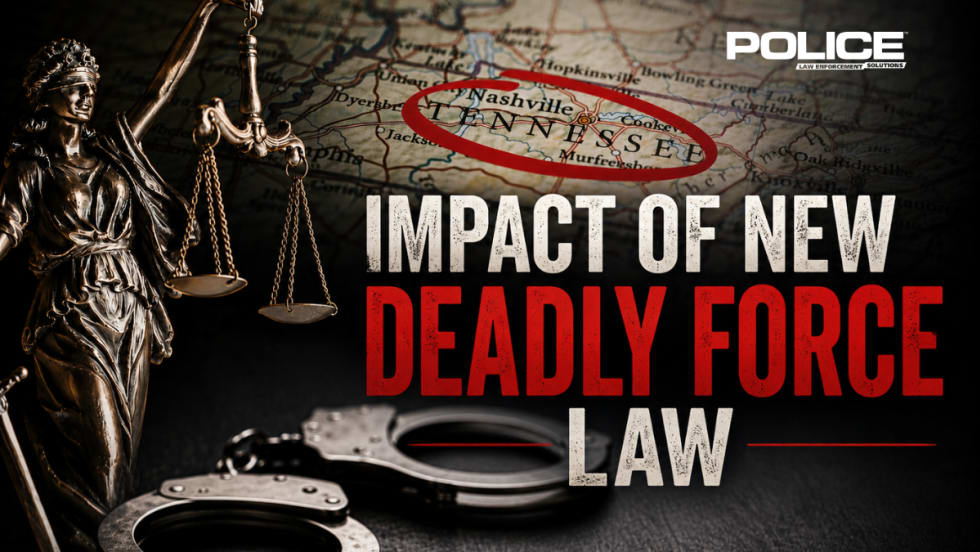
Why Tennessee’s New Deadly Force Law Matters Beyond Tennessee
Tennessee’s new deadly force law is more limited than many may realize. Effective July 1, 2026, the law applies to a person who is not engaged in conduct that would constitute a felony or a Class A misdemeanor and who is in a place where the person lawfully resides. But it could have far-reaching influence.
Read More →
When Do You Transport a Wounded Officer by Police Vehicle?
Time-sensitive injuries like penetrating trauma mean a wounded officer needs to reach a trauma center as soon as possible, and in some cases, that means transporting by police vehicle rather than waiting for EMS. What are the factors to consider in making that transport decision?
Read More →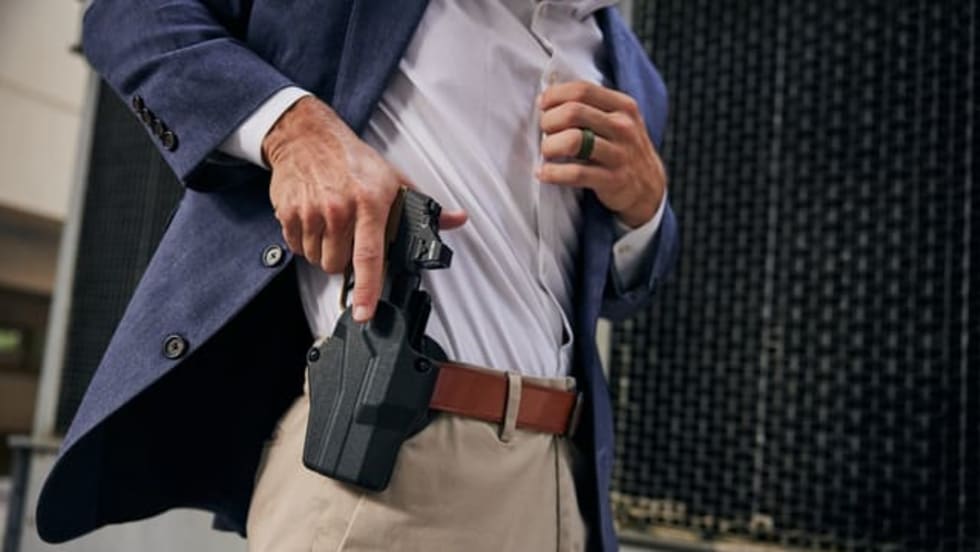
Safariland Solis Rethinks Concealable Duty
What if Level I retention didn’t require a full duty rig? Safariland’s Solis delivers trusted ALS security in a streamlined OWB platform built for administrative and plainclothes professionals who need protection without the bulk.
Read More →

5 Things to Know When Buying Backup Lights for Patrol Use
What is the value of a backup light, and what do you need to consider when selecting one? These smaller lights are invaluable as a secondary or special-purpose light and can be easily carried in a pocket or clipped to MOLLE gear, a key chain, shirt, or a vest.
Read More →
363 Fallen Officers Honored During National Police Week
In case you missed NELOMF’s annual Candlelight Vigil, here are all 363 names of the fallen officers whose names were added to the National Law Enforcement Officers Memorial this year.
Read More →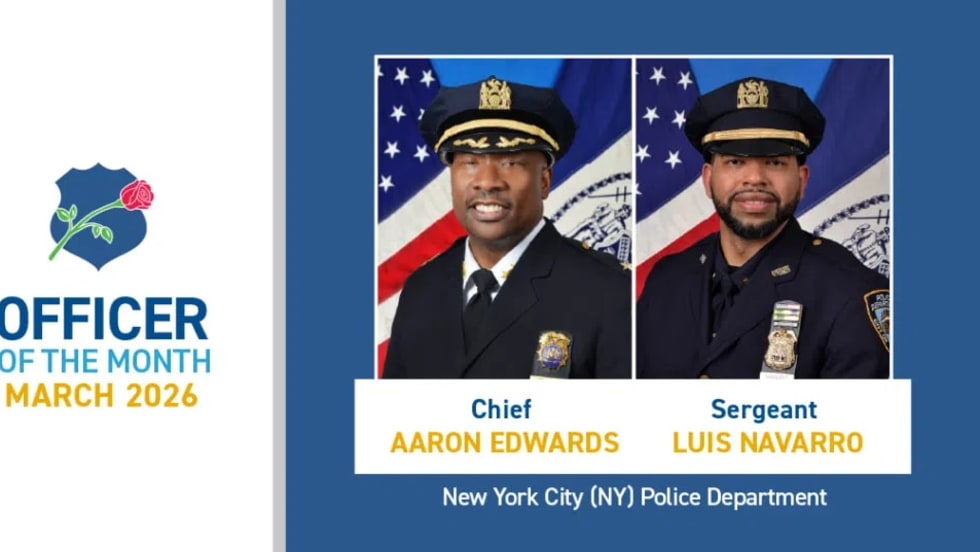
NYPD Officers Who Responded Quickly During IED Incident Recognized as NLEOMF Officers of the Month
Chief Aaron Edwards and Sgt. Luis Navarro were recognized by NLEOMF as Officers of the Month for their response during an IED incident and their actions that helped prevent harm to the public.
Read More →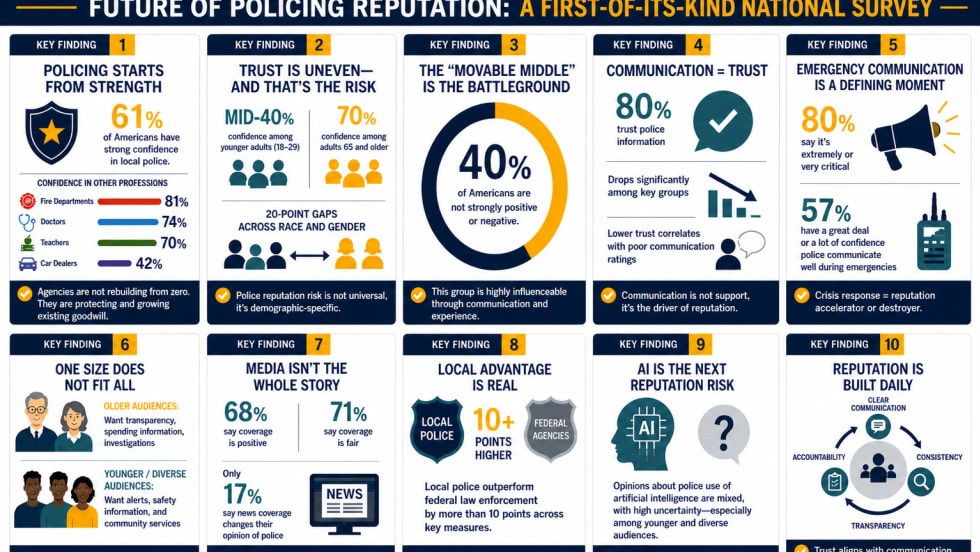
National Police Survey Reveals How Americans View Policing Today
A new national survey offers a comprehensive look at how Americans view policing. The study uncovers public sentiment toward local vs. federal police, communications, crisis response, the use of AI in policing, and more.
Read More →
Streamlight TLR-7 X Selected as Standard Issue Pistol Light by Canadian Federal Police
The Canadian Federal Police will be adding a new duty pistol system, which will include Streamlight’s TLR-7 X and a Glock 45 MOS 7 pistol with a red dot sight.
Read More →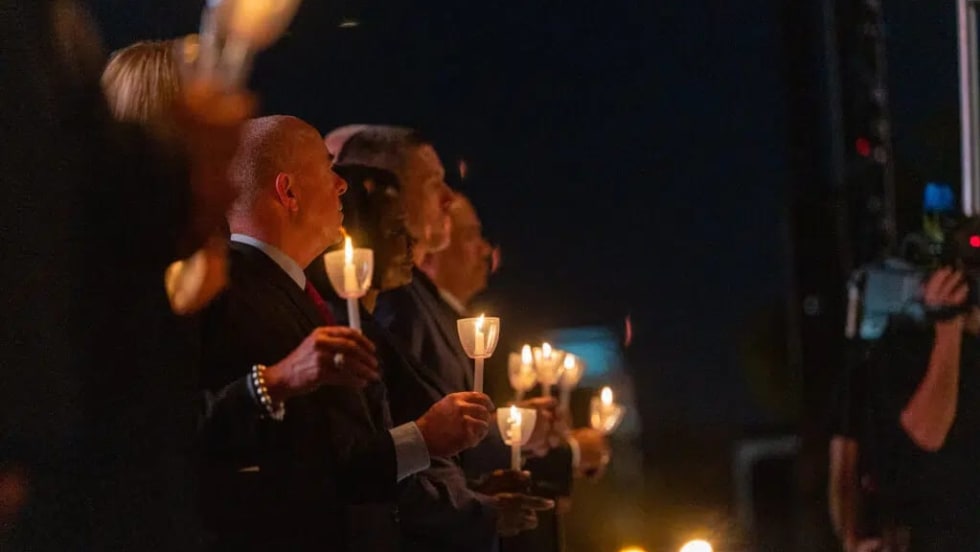
Fallen Law Enforcement Officers from Across the Country to be Honored During 38th Annual Candlelight Vigil on May 13th in Washington, D.C.
The National Law Enforcement Officers Memorial Fund (NLEOMF) will honor 363 fallen officers who have died in the line of duty as their names are added to the National Law Enforcement Officers Memorial during the annual Candlelight Vigil on May 13.
Read More →
What Should Be in Your IFAK?
What should every officer include in an IFAK? Sydney Vail, M.D., a veteran trauma surgeon and former SWAT surgeon, explains which components are needed and which are not, and stresses training.
Read More →