



Here's Why the FBI Forcing Apple to Break Into an iPhone Is a Big Deal
When U.S. Magistrate Sheri Pym ruled that Apple must help the FBI break into an iPhone belonging to one of the killers in the San Bernardino, CA, shootings, the tech world shuddered. Apple's CEO doesn't want to create a "backdoor" to let the FBI in.

When U.S. Magistrate Sheri Pym ruled that Apple must help the FBI break into an iPhone belonging to one of the killers in the San Bernardino, CA, shootings, the tech world shuddered. Why? The battle of encryption "backdoors" has been longstanding in Silicon Valley, where a company's success could be made or broken based on its ability to protect customer data, reports USA Today.
The issue came into the spotlight after Edward Snowden disclosed the extent to which technology and phone companies were letting the U.S. federal government spy on data being transmitted through their network.
Since Edward Snowden's whistleblowing revelations, Facebook, Apple and Twitter have unilaterally said they are not going to create such backdoors anymore.
So here's the "backdoor" the FBI wants: Right now, iPhone users have the option to set a security feature that only allows a certain number of tries to guess the correct passcode to unlock the phone before all the data on the iPhone is deleted. It's a security measure Apple put in place to keep important data out of the wrong hands.
Federal prosecutors looking for more information behind the San Bernardino shootings don't know the phone's passcode. If they guess incorrectly too many times, the data they hope to find will be deleted.
That's why the FBI wants Apple to disable the security feature. Once the security is crippled, agents would be able to guess as many combinations as possible.
Kurt Opsahl, general counsel for the Electronic Frontier Foundation, a San Francisco-based digital rights non-profit, explained that this "backdoor" means Apple will have to to write brand new code that will compromise key features of the phone's security. Apple has five business days to respond to the request.
What does Apple have to say about this? Apple CEO Tim Cook said late Tuesday that the company would oppose the ruling. In a message to customers published on Apple's website, he said: "We can find no precedent for an American company being forced to expose its customers to a greater risk of attack. For years, cryptologists and national security experts have been warning against weakening encryption. Doing so would hurt only the well-meaning and law-abiding citizens who rely on companies like Apple to protect their data."
Back in December, Cook defended the company's use of encryption on its mobile devices, saying users should not have to trade privacy for national security, in a broad interview with 60 Minutes. In the interview, Cook stood by the company's stance of refusing to offer encrypted texts and messages from users.
What does this mean for the next time the government wants access? The order doesn't create a precedent in the sense that other courts will be compelled to follow it, but it will give the government more ammunition.
What now? This could push the tech companies to give users access to unbreakable encryption. To some extent, it's already happening. Companies like Apple and Google — responding to consumer demands for privacy — have developed smart phones and other devices with encryption that is so strong that even the companies can't break it.
More Technology

A police agency's guide to data-driven fleet management
Costs are rising and the public expects more transparency into how their tax dollars are spent. This e-book shows how police agencies can use fleet data to take control of fleet expenses while improving officer safety and demonstrating fiscal responsibility to the communities they serve.
Read More →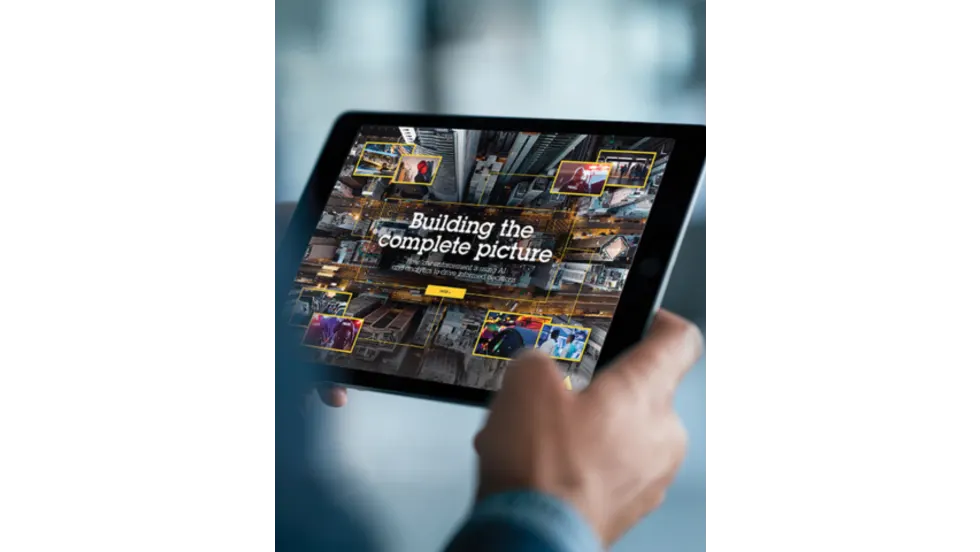
AI and analytics for law enforcement: Turning data into insights
Law enforcement agencies are managing more video, sensor data and digital evidence than ever before. Discover how AI and analytics can help turn that data into actionable insights that strengthen situational awareness, accelerate investigations and support more informed decisions.
Read More →
Vasco Electronics Adds Automatic Language Detection to Vasco Translator Q1
Vasco Electronics’ software update introduces hands-free language switching and expanded offline translation across 45 language pairs, empowering law enforcement, healthcare, and front-office enterprise teams
Read More →
North Miami Police Department Deploys Mark43
The North Miami Police Department has deployed Mark43 as part of its Five-Year Strategic Plan that represents its collective vision and goals for a more proactive police department, anchored by a core commitment to leveraging modern technology to enhance efficiency and public safety.
Read More →
Cellebrite Genesis for Enterprise Now Generally Available
Made available to the public sector in June, Cellebrite Genesis is serving a growing mix of national, regional, and local agencies worldwide, including some of the largest regional and metropolitan police departments. It is now available for enterprise organizations.
Read More →
2026 Vision FirstNet Users Summit to Host Emerging Leaders Training on Grassroots Advocacy for Public Safety
“Emerging Leaders Training: Understanding the Importance of Grassroots Advocacy for Public Safety," a session during the 2026 Vision FirstNet Users Summit, will offer a roadmap for unified advocacy at the federal level.
Read More →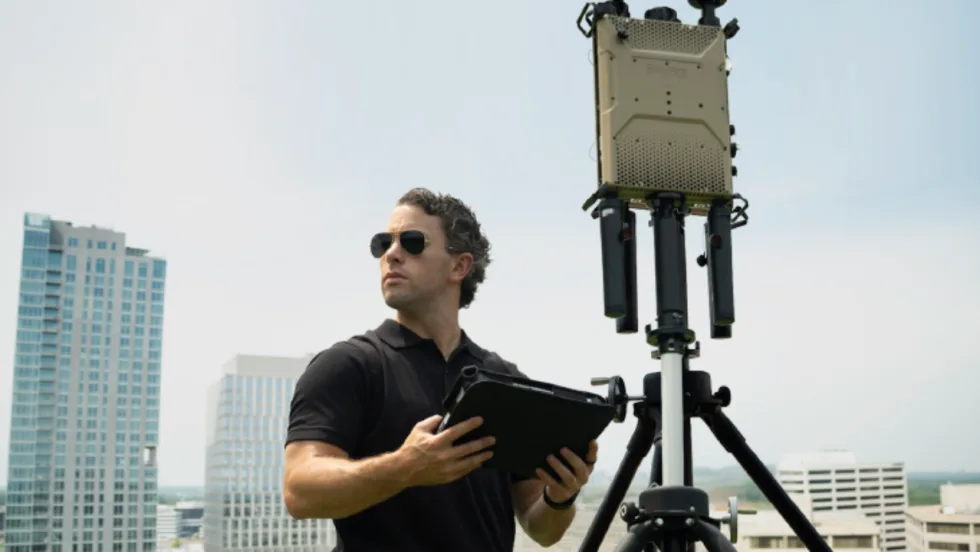
Motorola Solutions Completes Acquisition of D-Fend Solutions
Motorola Solutions has acquired D-Fend Solutions, an industry leader in counter-drone technology. This deal provides public safety and enterprise customers with access to advanced counter-unmanned aerial systems.
Read More →
ZeroEyes, Advantech & Camden Police Partner to Bring AI Gun Detection Technology to Delaware School District
ZeroEyes has partnered with Advantech and the Camden Police Department to deploy ZeroEyes’ AI gun detection and intelligent situational awareness platform at Delaware’s Caesar Rodney School District (CRSD).
Read More →
Leonardo U.S. Cyber & Security Solutions Introduces SignalTrace, the Next Evolution in Electronic Signature Detection Technology
SignalTrace reflects years of product refinement and a clearer expression of the technology’s purpose of recognizing and correlating electronic signatures in publicly broadcast wireless signals to reveal patterns, relationships, and trends that might otherwise go undetected.
Read More →
Pimloc Launches Secure File Sharing to Streamline Release of Redacted Video
Pimloc’s Secure File Sharing lets organizations deliver redacted video, audio, and documents through expiring, passcode-protected links, accelerating delivery while reducing security, compliance, and chain-of-custody risks.
Read More →