



Exonerated Man Gets No Compensation
After serving 22 years for a crime he didn’t commit, a man walked out of prison with his freedom but little else. He didn’t even receive the amount of cash given to parolees convicted of violent crimes.

After serving 22 years for a crime he didn’t commit, a man walked out of prison with his freedom but little else. He didn’t even receive the amount of cash given to parolees convicted of violent crimes.
Wilton A. Dedge, 42, didn’t get the $100, the counseling, job referrals, or temporary housing Florida offers people on parole for murder or rape.
Although a DNA test proved him innocent after having been mistakenly identified by a 17-year-old rape victim, Dedge found himself alone with a plastic bag containing the few possessions he’d had with him when he was locked up 22 years before.
“The system is not set up to deal with exonerees,” says Nina Morrison, an attorney who fought to free Dedge on behalf of the New York-based Innocence Project. “Ironically, instead of getting more, exonerees usually get less.”
Debbie Buchanan, speaking for the Department of Corrections, says that because Dedge was released from the county jail where he awaited the results of his DNA test, current law did not grant him the privileges afforded parolees leaving state prisons.
Because no law exists to set aside compensation for those wrongfully convicted in Florida, Dedge will have to sue for any state money.
And, apparently, this isn't an unusual case.
Only 18 states and the federal government provide some compensation to people exonerated of crimes.
Luckily, Dedge’s mother says he has received job offers from friends and strangers as well as gifts of cash, a computer, and free dental care to get him started in his new life.
More Vehicle Ops
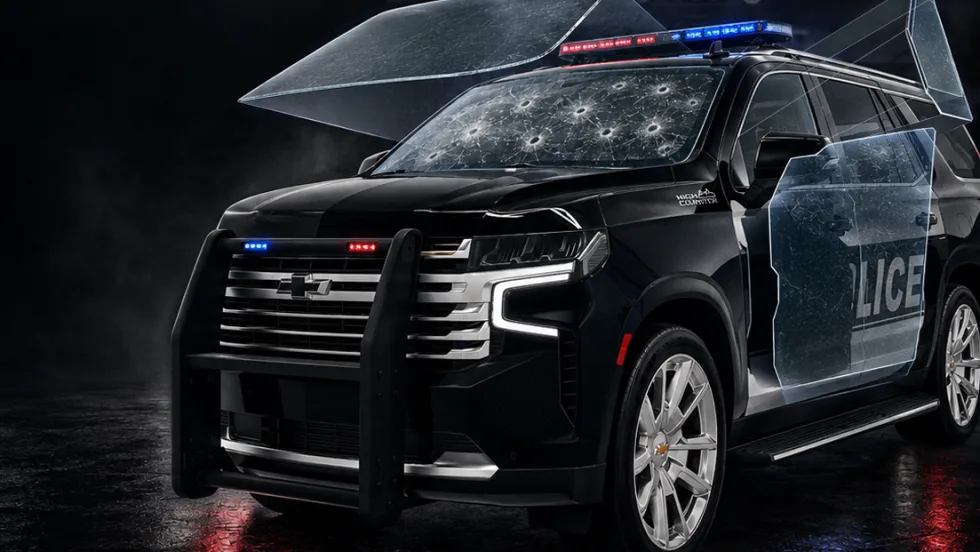
It’s an Ambush: How Ballistic Glass Redefines Patrol Vehicle Safety
Dana Safety Supply is setting a new standard for officer safety with windshields capable of withstanding multiple rounds and saving lives — and one Texas deputy is living proof.
Read More →
Dana Safety Supply’s BallisTech Vehicle Armoring Solutions
Dana Safety Supply is setting a new standard for officer safety with windshields capable of withstanding multiple rounds and saving lives.
Read More →
Ford Showcases 2028 Ford Expedition Police Responder
Ford showcased its 2028 Ford Expedition Police Responder, a full-size, pursuit-rated utility vehicle, at Police Fleet Expo this week. It comes standard with 4x4 and a 3.5-liter EcoBoost V6 producing 400 horsepower and 480 lb.-ft. of torque.
Read More →
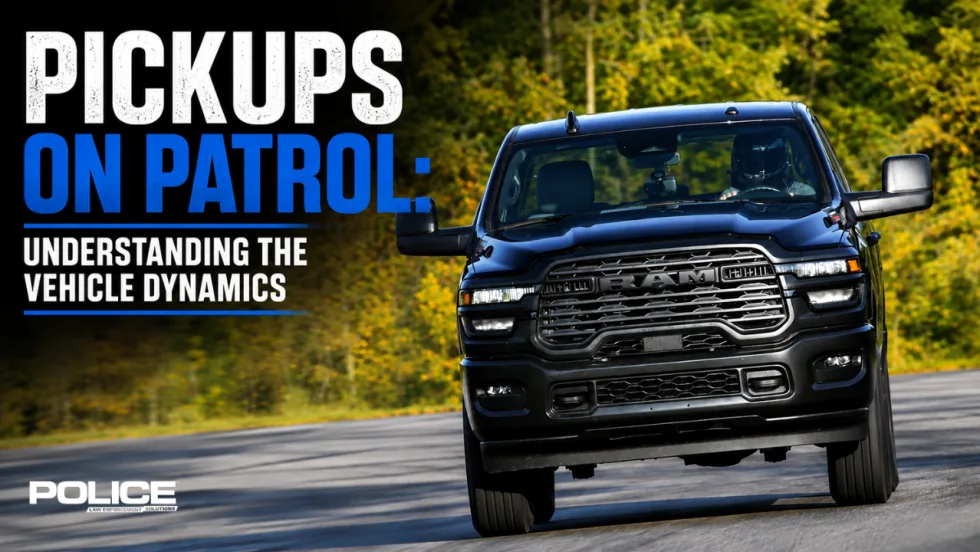
Pickups on Patrol: Understanding the Vehicle Dynamics
Pickup trucks are not new to patrol duties, but with the debut of the 2027 Ram 2500 Emergency Response Vehicle, they are getting larger and heavier. POLICE reached out to the Michigan State Police Precision Driving Unit to learn more about pickup truck handling, vehicle dynamics, and what officers need to know.
Read More →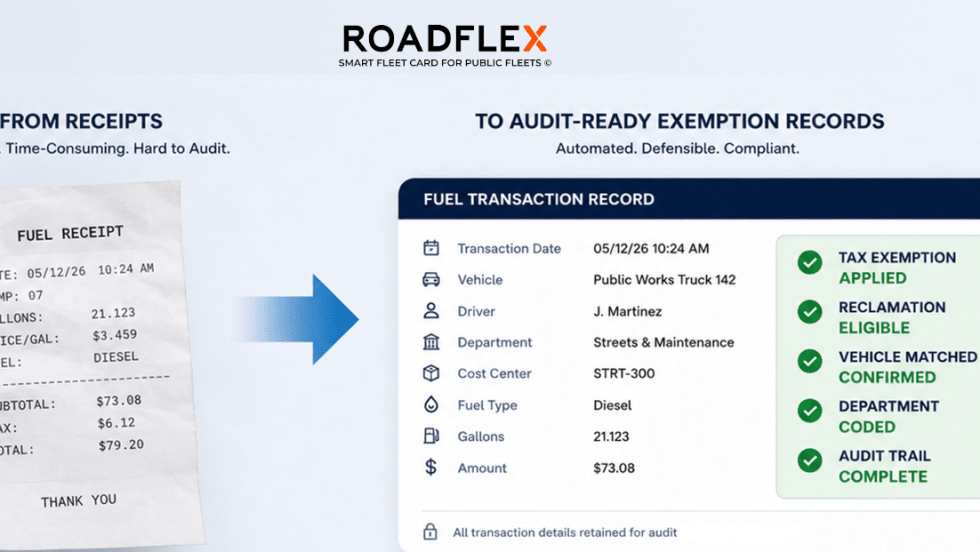
RoadFlex Brings Fuel Tax Compliance & Audit-Ready Reporting to Government Fleets
RoadFlex now offers its capabilities to help public-sector fleets streamline fuel tax exemptions, reclamation, reconciliation, and audit-ready reporting.
Read More →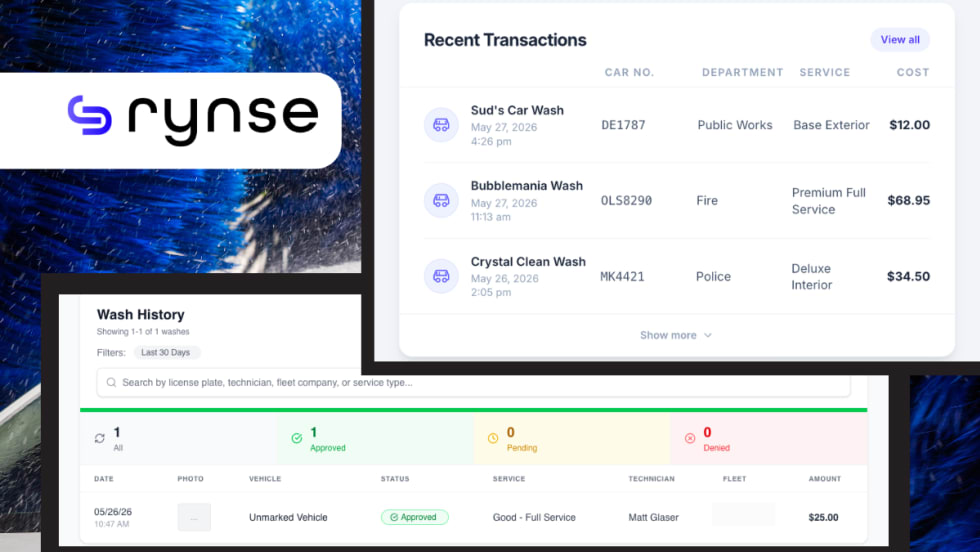
Rynse Awarded Cooperative Purchasing Contract, Expanding Nationwide Fleet Wash Access for Law Enforcement
Rynse has secured a 2026-2027 NCSA contract, giving law enforcement agencies nationwide fast-track access to its fleet wash network and management platform, which streamlines procurement, reduces administrative burdens, and helps fleets stay road-ready with greater oversight.
Read More →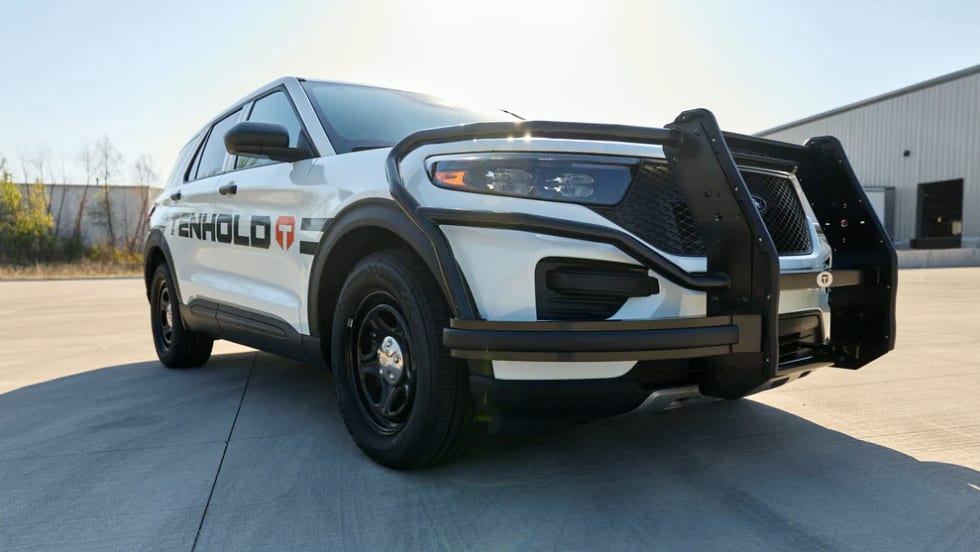
Tenhold Introduces Suppressor Gun Rack System
Tenhold, formerly Jotto Desk, provides next-generation vehicle systems for law enforcement and public safety and recently debuted its Suppressor Lock Head for its Weapon Mounting system.
Read More →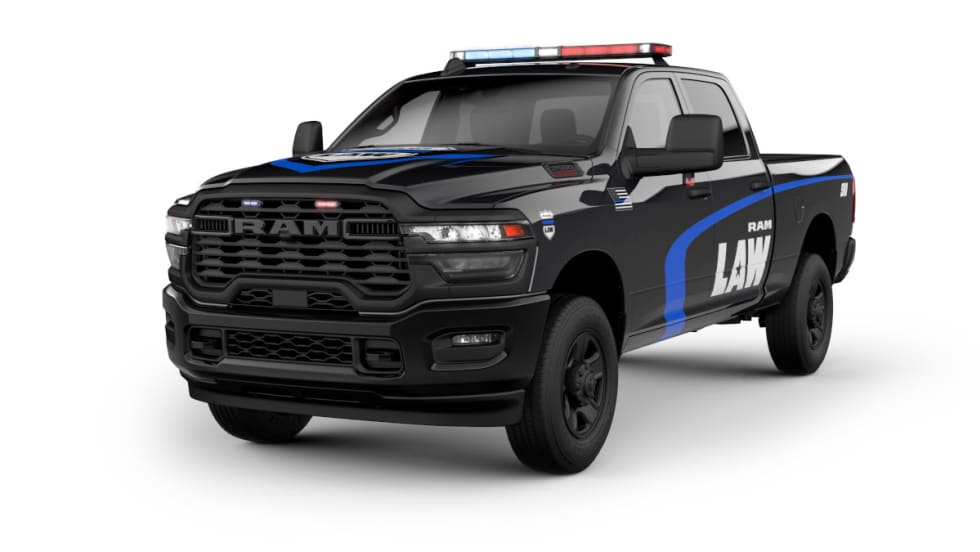
Ram Debuts Pursuit-Capable 2500 Emergency Response Vehicle
The 2027 Ram 2500 Emergency Response Vehicle is the first and only ¾-ton truck to complete the Michigan State Police vehicle trials, and Ram said it delivered outstanding performance in testing scenarios designed to replicate extreme real-world duty.
Read More →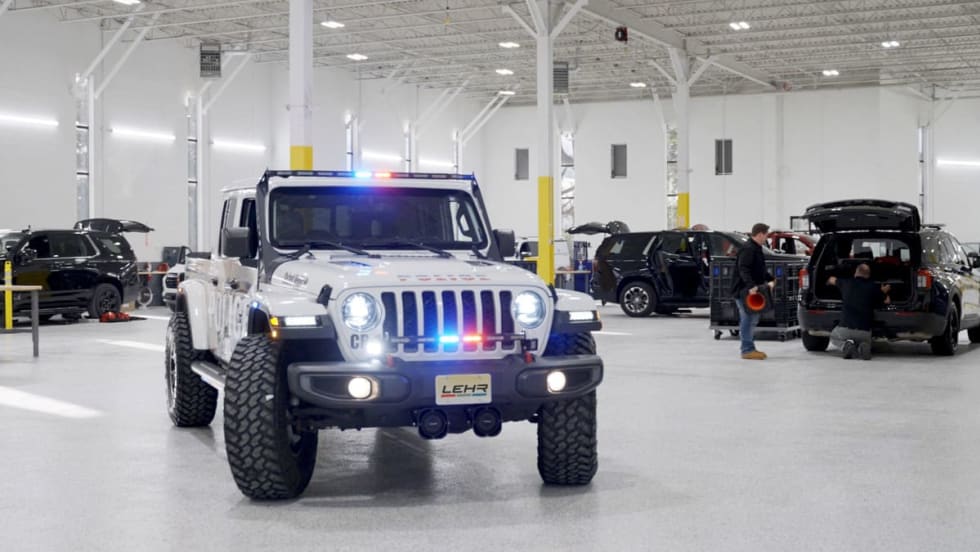
Emergency Vehicle Upfitter LEHR Opens New Facility in New Jersey
LEHR’s new centralized upfitting facility in New Jersey consolidates operations to deliver faster turnaround times and enhanced fleet capacity for law enforcement agencies across the Northeast.
Read More →
North Carolina Sheriff’s Office Improves Fueling Reliability & Operational Control
The Madison County Sheriff’s Office overcame fuel management and accounting challenges by turning to RoadFlex to improve fueling reliability, visibility, and administrative control.
Read More →