



Congresswoman Reintroduces Legislation to Promote Use of American Made Police Drones
The Drones for First Responders (DFR) Act aims to address U.S. dependency on Chinese-controlled drones, which currently make up 90% of the drones used by American first responders.
Thursday (June 5, 2025), Rep. Elise Stefanik (R-NY) reintroduced the Drones for First Responders (DFR) Act, an initiative designed to bolster the U.S. drone industry, reduce reliance on Chinese made drones, and enhance national security.
Stefanik was joined by China Select Chairman John Moolenaar (R-MI), Rep. Darin LaHood (R-IL) and Rep. Rob Wittman (R-VA) in reintroducing the legislation, according to a press release.
The Drones for First Responders (DFR) Act aims to address U.S. dependency on Chinese-controlled drones, which currently make up 90% of the drones used by American first responders. This legislation seeks to implement new tariffs on Chinese-controlled drones and use the revenue to fund a new grant program to allow first responders, critical infrastructure providers, and farmers to purchase drones manufactured by the U.S. and its allies.
“My legislation will establish a revenue neutral grant program to help Americans purchase drones securely made by the U.S. and our allies,” said Stefanik. “I’m proud to reintroduce the Drones for First Responders Act, which will increase the competitiveness of U.S. drone manufacturers and provide first responders with the secure, high-quality drones they need to protect and serve our communities in Upstate New York, the North Country, and across our nation."
“Chinese drones pose an unacceptable surveillance risk to our first responders, our infrastructure, and our national security. For too long, the CCP has exploited unfair trade practices to dominate the global drone market and flood the United States with spyware-laden technology. I’m proud to co-sponsor Rep. Stefanik’s Drones for First Responders Act, which takes a clear-eyed approach: penalize the CCP’s economic aggression and give Americans the tools they need to transition to secure, U.S.-made drones. This is about protecting our communities, rebuilding American manufacturing, and cutting off the CCP’s access to sensitive data.” said Moolenaar.
“The Chinese Communist Party is a clear and present threat to our national security and relying on their drones for our first responders is not only dangerous, but unacceptable,” said LaHood. “I am proud to join my colleagues in reintroducing the Drones for First Responders Act to ensure safe and reliable equipment. This critical piece of legislation supports American drone manufacturing and protects our communities. The United States must stand firm against foreign threats while prioritizing American innovation.”
“The United States should not be reliant on Communist China for drones that are critical to our nation’s first responder operations,” said Wittman. “I’m proud to join my colleagues in introducing the Drones for First Responders Act to enable our first responders to purchase secure drones, increase the competitiveness of American drone manufacturers, and enhance U.S. national security. We simply cannot cede control of the drone market to the Chinese Communist Party.”
“The DFR Act is a reasonable, strategic step toward reducing dependence on adversarial suppliers, without pulling the plug overnight on investments made into drone technology. This legislation delivers a smart, enforceable, timely incentive structure to strengthen our industrial base, enhance public safety, and ensure that our first responders, farmers, and infrastructure operators aren’t forced to choose between capability and security. Congress must act with urgency to pass the DFR Act and follow through with broader, sustained investment in secure, U.S.-aligned drone manufacturing,” said Michael Robbins, CEO of AUVSI.
"An alarming number of drones operated by U.S. first responders are made in China and controlled by the CCP. Using aggressive subsidies, direct government investment, and favorable regulations to undercut our national security interests, they are dominating the global drone market over U.S. manufacturers," said Jon Toomey, President of the Coalition for A Prosperous America (CPA). "Thanks to the leadership of Rep. Stefanik, CPA believes that tariffs tied with subsidies to incubate new manufacturing industries here in the U.S. is precisely the kind of policy Congress should be embracing.”
Key Provisions of the Drones for First Responders Act:
Tariffs on Chinese Drones: The bill imposes new incrementally increasing tariffs on PRC drones, starting at 30% and increasing by 5% annually to counter China’s unfair trade practices and level the playing field for U.S. drone manufacturers.
Grant Program: The bill establishes a revenue-neutral grant program that will help first responders, critical infrastructure providers, and farmers purchase drones manufactured and assembled in the U.S. or allied countries.
Strengthened Rule of Origin: By 2030, drones imported into the U.S. must meet strengthened rules of origin, ensuring that critical components are not sourced from China.
Stefanik originally introduced this legislation in May 2024.
More Technology

What Qualifies a Laptop as Rugged or Fully Rugged?
Police officers face a wide range of working conditions that can damage or even destroy a regular consumer laptop. Learn what qualifies a computer as rugged or fully rugged and why those devices are vital for law enforcement.
Read More →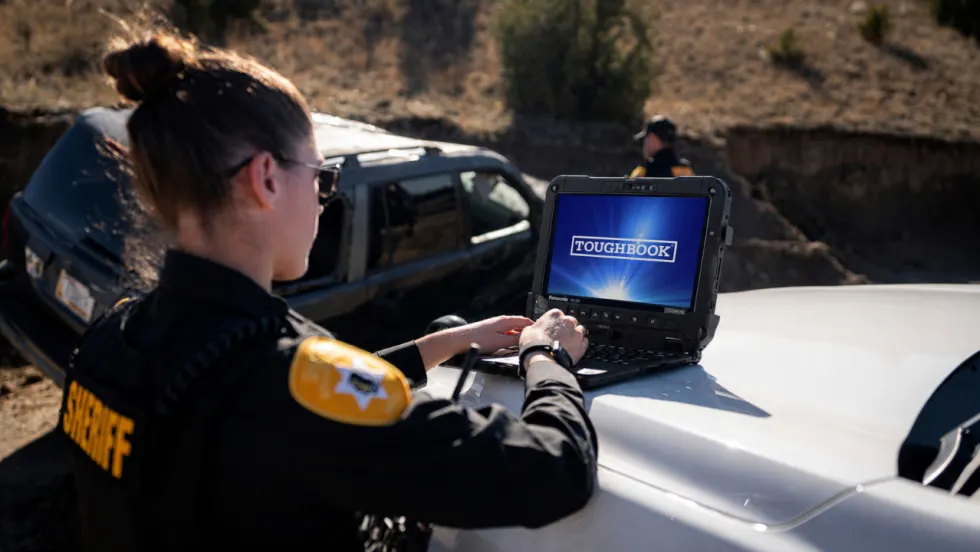
Panasonic Connect Launches the Toughbook 34 and Toughbook G3, Fully Rugged 2-in-1 Mobile Computers
Panasonic Connect has launched the Toughbook 34 and Toughbook G3 to facilitate in-vehicle dispatch, records management, and mobile command operations from any location.
Read More →
A police agency's guide to data-driven fleet management
Costs are rising and the public expects more transparency into how their tax dollars are spent. This e-book shows how police agencies can use fleet data to take control of fleet expenses while improving officer safety and demonstrating fiscal responsibility to the communities they serve.
Read More →

AI and analytics for law enforcement: Turning data into insights
Law enforcement agencies are managing more video, sensor data and digital evidence than ever before. Discover how AI and analytics can help turn that data into actionable insights that strengthen situational awareness, accelerate investigations and support more informed decisions.
Read More →
Vasco Electronics Adds Automatic Language Detection to Vasco Translator Q1
Vasco Electronics’ software update introduces hands-free language switching and expanded offline translation across 45 language pairs, empowering law enforcement, healthcare, and front-office enterprise teams
Read More →
North Miami Police Department Deploys Mark43
The North Miami Police Department has deployed Mark43 as part of its Five-Year Strategic Plan that represents its collective vision and goals for a more proactive police department, anchored by a core commitment to leveraging modern technology to enhance efficiency and public safety.
Read More →
Cellebrite Genesis for Enterprise Now Generally Available
Made available to the public sector in June, Cellebrite Genesis is serving a growing mix of national, regional, and local agencies worldwide, including some of the largest regional and metropolitan police departments. It is now available for enterprise organizations.
Read More →
2026 Vision FirstNet Users Summit to Host Emerging Leaders Training on Grassroots Advocacy for Public Safety
“Emerging Leaders Training: Understanding the Importance of Grassroots Advocacy for Public Safety," a session during the 2026 Vision FirstNet Users Summit, will offer a roadmap for unified advocacy at the federal level.
Read More →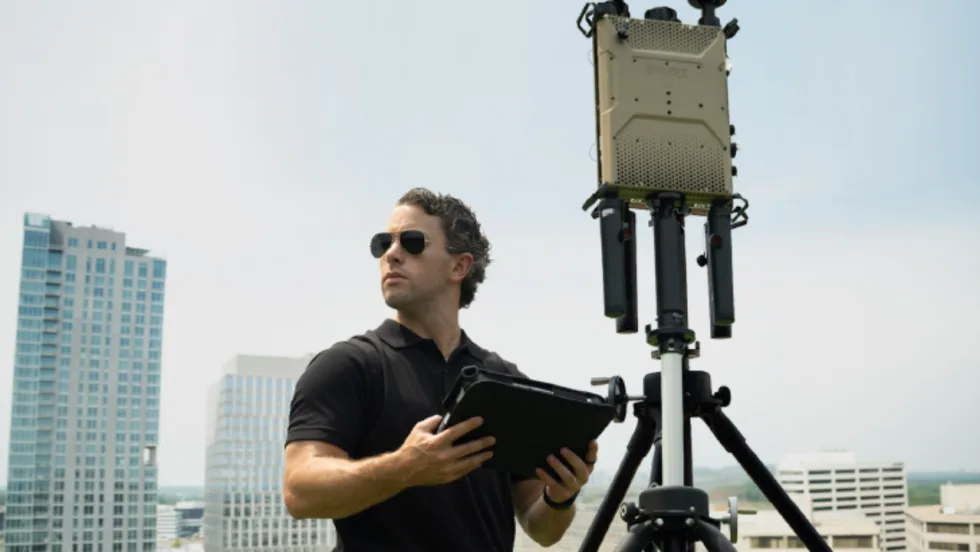
Motorola Solutions Completes Acquisition of D-Fend Solutions
Motorola Solutions has acquired D-Fend Solutions, an industry leader in counter-drone technology. This deal provides public safety and enterprise customers with access to advanced counter-unmanned aerial systems.
Read More →
ZeroEyes, Advantech & Camden Police Partner to Bring AI Gun Detection Technology to Delaware School District
ZeroEyes has partnered with Advantech and the Camden Police Department to deploy ZeroEyes’ AI gun detection and intelligent situational awareness platform at Delaware’s Caesar Rodney School District (CRSD).
Read More →