



Don’t Let Police Culture Prevent You from Talking to a Counselor
More and more agencies have an on-staff counselor or counseling staff—many of whom have law enforcement backgrounds—and going to see them can really help you out. These counselors are usually outside of the station to preserve your privacy.

Many law enforcement officers struggle with the daily stress and anxiety of the profession. Some face even greater challenges from depression, emotional trauma, and even PTSD. The culture of law enforcement makes it difficult for officers to seek help. But it’s critical that they do so.
More and more agencies have an on-staff counselor or counseling staff—many of whom have law enforcement backgrounds—and going to see them can really help you out. These counselors are usually outside of the station to preserve your privacy.
Here are a few reasons why seeing a mental health counselor can help you.
1. You will get tips on handling your emotional and mental health issues: Getting professional help can lead to additional insights and suggestions on how to cope with your concerns. A professional counselor can give you many ideas on how you can successfully manage your stress, anxiety, depression, and/or trauma. This is important in getting your life back on track.
2. You will gain access to resources that you otherwise would not have: Most counselors and psychologists know of ways to help you cope. They can also recommend certain treatments that will improve your situation. The only way you can get access to these treatments is if you talk to a counselor.
3. You will improve: As you work with a professional, you will improve on your skill sets in managing your issues. You will be able to overcome them over time and that will benefit you later on in your life. Knowing how to boost your mental health will get your life back on track and will make you much happier.
4. You will get better a lot faster: Getting some guidance from a counselor will save you a lot of suffering in the long run. You will get the answers you are looking for, which will help reduce your stress and other emotional issues. You will get better a lot faster by talking to a therapist and you will feel much better about yourself, which is important when it comes to dealing with your mental health.
Some things to remember.
1. You are not alone: It can be very frustrating to manage your emotional health and mental health issues because you worry about what other officers may think. Remember, you are not alone. There are millions of people around the world who struggle with their mental and emotional health and that probably includes other officers at your agency. Admitting to yourself that you struggle is not a sign of weakness. It just means that you are like everybody else.
2. Be aware that you can’t manage your issues all by yourself: Your fears, anxieties, and depression can be difficult to manage and more than likely you will need some direction. Many people think they can overcome their mental health problems on their own. This is a mistake. More than likely your issues will not go away by themselves and you may need some assistance in dealing with them.
3. Don’t tell everyone your business: When you eventually decide you need some help but are afraid of what others may think. The first thing is not to tell everybody about your situation. Share your issues with the people you can trust and won’t get on your case. You do not need to announce your concerns to the whole world. Also, be aware of what you say to others. If you use some technical jargon like “mental health disorder” or “PTSD,” people might make some judgments. However, if you just say I am dealing with job stress, people will be more understanding since everyone deals with some kind of stress. Only your professional counselor needs to know what you’re really going through. Don’t announce your private stuff to the world.
Stan Popovich is the author of “A Layman’s Guide to Managing Fear.”
More Blog Posts
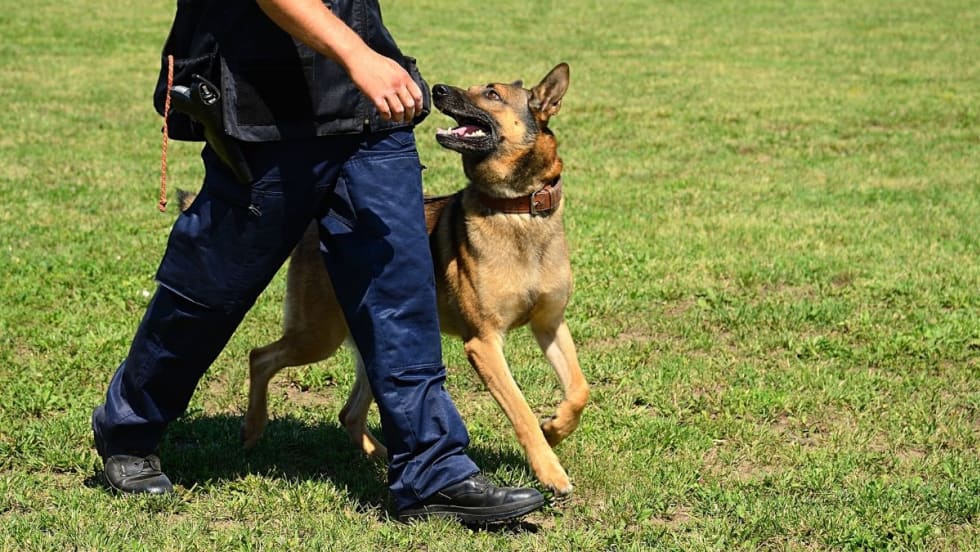
Preventing Heat Injury in Police K-9s
In the relentless heat of summer and even early fall in some parts of the country, officers face the important task of protecting their K-9 partners while working in sweltering temperatures. Recognizing changes in a dog’s behavior is the key.
Read More →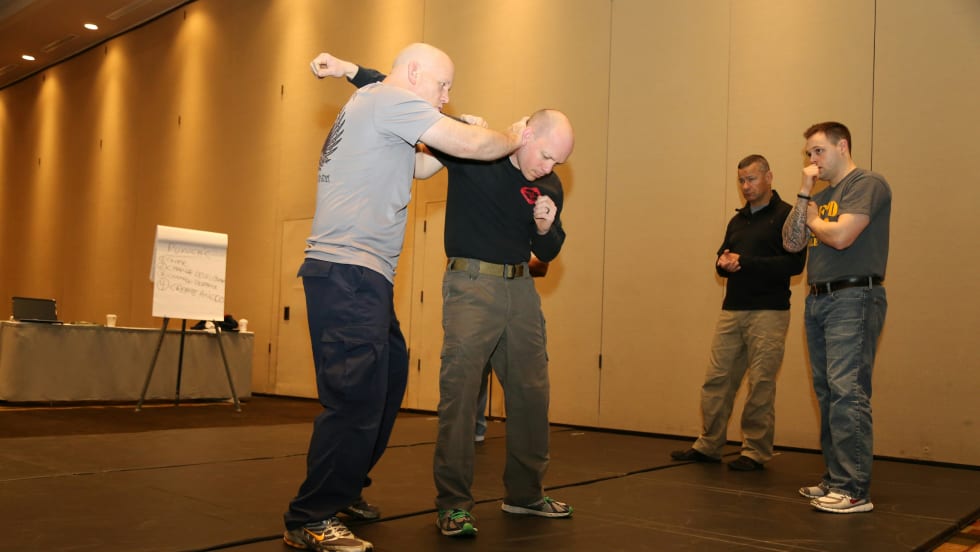
Why Your Agency Needs to Attend the ILEETA Conference
ILEETA is a complete resource for trainers to address trainers' needs. Its mission is to enhance the skills and safety of criminal justice practitioners while fostering stronger and safer communities.
Read More →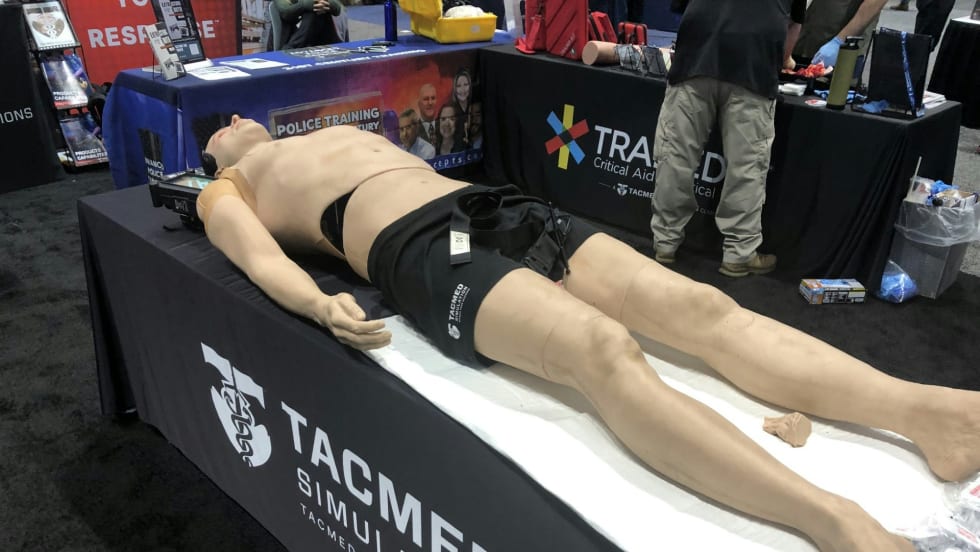
IACP 2023: New Training Products
Technologies for improving law enforcement training and training management were some of the highlights at this year's show.
Read More →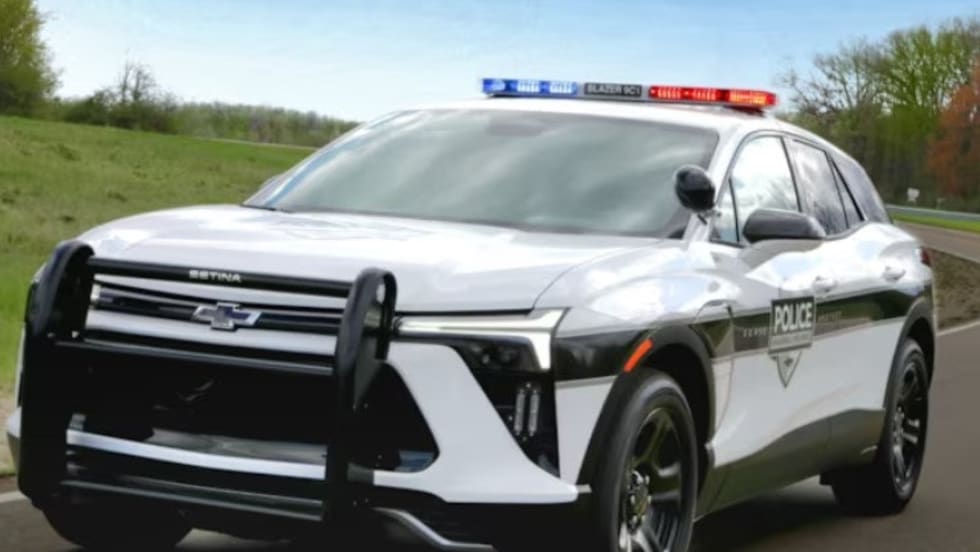
Initial Results Released from MSP 2024 Police Vehicle Testing
The 2024 pursuit-rated vehicles--all pickup trucks or SUVs, including two battery electric models the Chevrolet Blazer EV AWD and Ford Mustang Mach-E--were put through their paces.
Read More →
Officer Safety Considerations Related to Alternative-Fuel Vehicles
As more alternative-fuel and hybrid vehicles hit the road, police and other first responders need to understand that they are no more dangerous than conventional vehicles. However, there are certain safety considerations every cop should know.
Read More →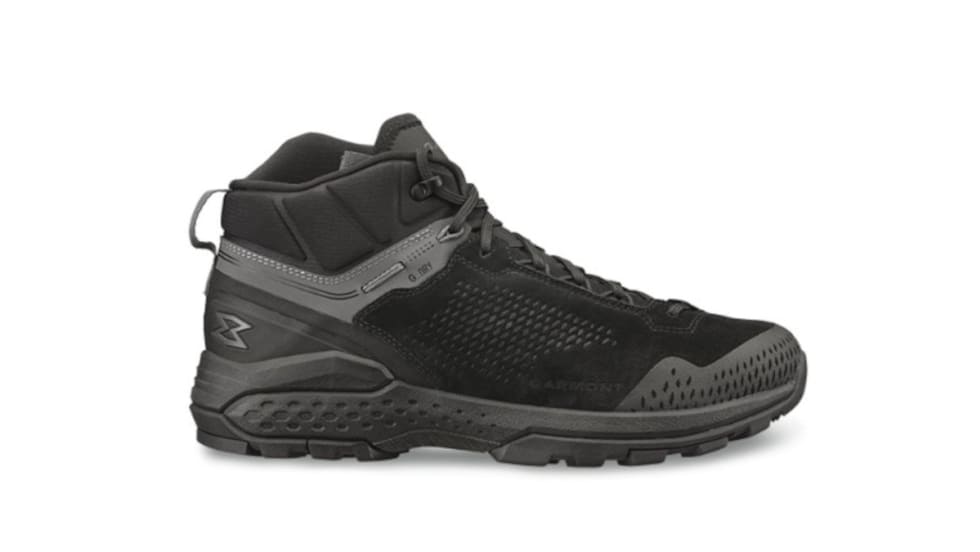
Garmont Working to Grow LE Market Presence
Garmont Tactical has found wide acceptance by military boot buyers, but now the company is trying to better respond to the needs of police officers. Many cops now are not fans of 8-inch boots, so Garmont is adapting.
Read More →
Publisher’s Note: Our Commitment to You
Through our magazine and website and our Police Technology eXchange event, we promise to provide you with information and access to resources to help you do your job safer and better.
Read More →
10 Tips for Responding to Mental Health Crisis Calls
The Harris County Sheriff's Office is a model for other agencies that want to learn about crisis intervention and mental health crisis response. Sgt. Jose Gomez shares the story of their programs and provides 10 tips for mental health crisis call response
Read More →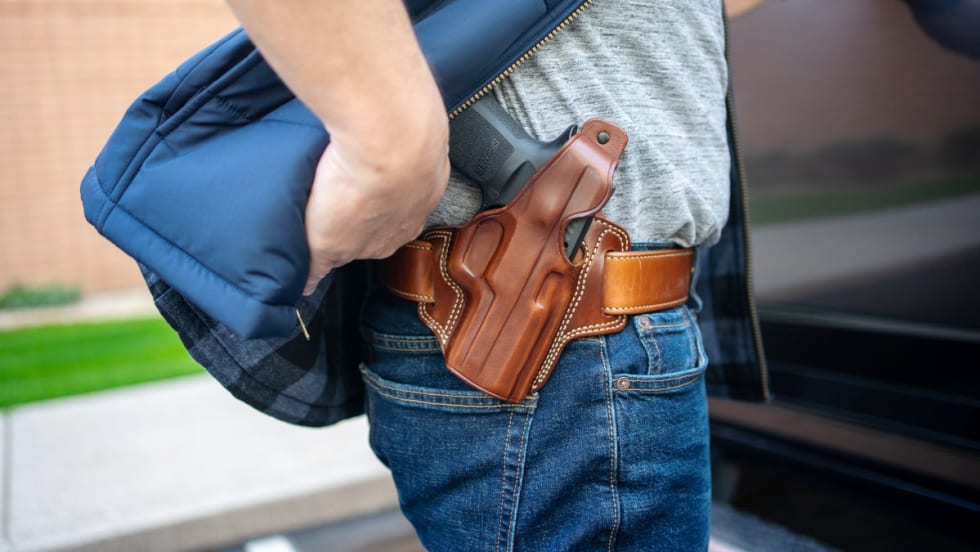
5 Things to Know When Buying Concealed-Carry or Off-Duty Holsters
Mike Barham, of Galco Holsters, shares five important considerations to keep in mind when you buy off-duty concealed or plain-clothes carry holsters.
Read More →
10 Tips for Reviewing Use-of-Force Reports
While the burden of accurately reporting use-of-force situations is on an individual deputy or officer, the person reviewing those reports shares in the responsibility of making sure the reporting is done properly, with clear details included.
Read More →