



Viewing Video: Just Press Play
Denying officers access to the video records of incidents before they write their reports serves only one purpose: It's a trap. The goal here is to play "gotcha" with the officers and try to catch them in a lie.

Last month my Facebook page lit up with a bunch of friends posting their memories of the Apollo 11 landing and subsequent moonwalk by astronauts Neil Armstrong and Buzz Aldrin. My friends' posts about the moonshot have me thinking about memories and how they work and how they get clouded by a variety of factors, including time, trauma, and bias, and what that can mean for law enforcement officers in this current hypercritical anti-police environment.
You see, outside of some extremely personal stuff like the deaths of my parents and some extremely traumatic stuff like 9/11, the moonshot was one of the most momentous events of my life. And the terrible thing is that I'm not even sure what I remember of it.
I was 10 when Neil Armstrong walked down a short ladder from the lunar landing module into the dust of the moon. But my parents let me stay up late into the night to watch it. And I vividly remember sitting with my Dad on the couch in our old house and watching it on a black-and-white TV. But I'm not really sure if I remember what I saw on that TV.
The point here is that memory is both fluid and fragile. So it's unrealistic for people to expect anyone to remember anything, no matter how momentous or traumatic in 100% high-definition detail. But that's what some activists are demanding of police officers following the trauma of a shooting or otherwise violent use of force.
The American Civil Liberties Union and other police critics have been extremely vocal in advocating that law enforcement officers not be able to review the video captured on their body-worn or in-car video systems before writing their reports. This is quite frankly an asinine stance by police critics and no agency should listen to this nonsense.
Denying officers access to the video records of incidents before they write their reports serves only one purpose: It's a trap. The goal here is to play "gotcha" with the officers and try to catch them in a lie. Which is disgusting. The goal of any official report should be to document the facts whether they are from the memory of the officer or from the video.
Our brains are not DVRs, not even for the most pleasant and memorable events of our lives and certainly not for trauma. Memory is flawed and it often makes traumatic events worse than they actually were. What we perceive as the truth of traumatic events is affected by body chemistry, speed of the action, and the fact that each person only sees the event from his or her perspective.
An officer's memory can be extremely flawed not out of desire to cover his or her ass after a shooting but because human memory is flawed. When I was in college, criminal justice and psychology professors used to like to have someone burst into class suddenly and depart just as suddenly and then ask their students what they remembered about the person. Hardly anybody remembered enough for a good description. Of course, law enforcement officers are trained observers and likely would do better on such an exercise, but expecting them to have photographic memories under combat stress is inhuman in the truest sense of the word; it is expecting officers to behave like machines.
It's been documented time and again that officers cannot be expected to remember everything that happened during use-of-force incidents because the stress they experience during those incidents plays havoc with memories. Scientists have documented a series of almost hallucinatory perceptions that sometimes happen to people under live-or-die combat stress. Officers involved in shootings have experienced auditory exclusion where they heard the sharp cracks of rounds fired from their duty pistols as near silent "pops." Auditory exclusion may also be why many officers remember firing only two or three rounds when questioned about shootings where they pulled the trigger many more times. Officers have also seen impossible things during combat such as 9mm casings the size of beer cans flying past their eyes.
It's critically important for every law enforcement agency to recognize that officers' memories of certain incidents will never be perfect and officers should have access to their body camera and in-car videos as they write their reports. Chiefs and sheriffs have to fight off movements by activists to play "gotcha" with officers because memory is not all it's cracked up to be.
More Technology
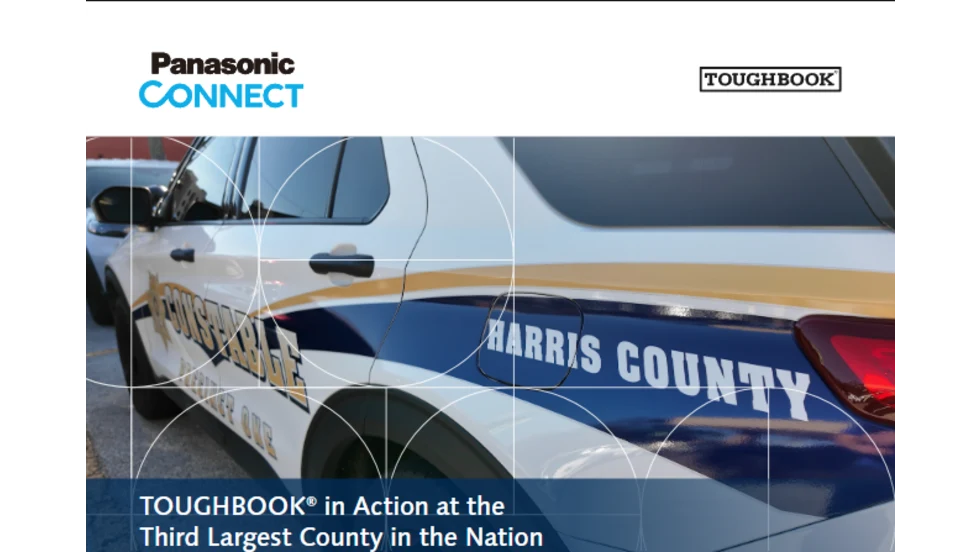
TOUGHBOOK in Action at the Third Largest County in the Nation – Harris County, TX
Learn how Harris County, one of the nation’s largest counties, modernized its law enforcement fleet with TOUGHBOOK® rugged laptops—strengthening security, productivity, and operational readiness across every unit.
Read More →
How Motorola Solutions’ New “Insights” Platform Helps Public Safety Agencies Identify Trends to Improve Their Operations
Motorola Solutions has introduced Insights, which leverages Assist, its mission-critical artificial intelligence (AI), to address these challenges and shape what’s next for public safety analytics and reporting technology.
Read More →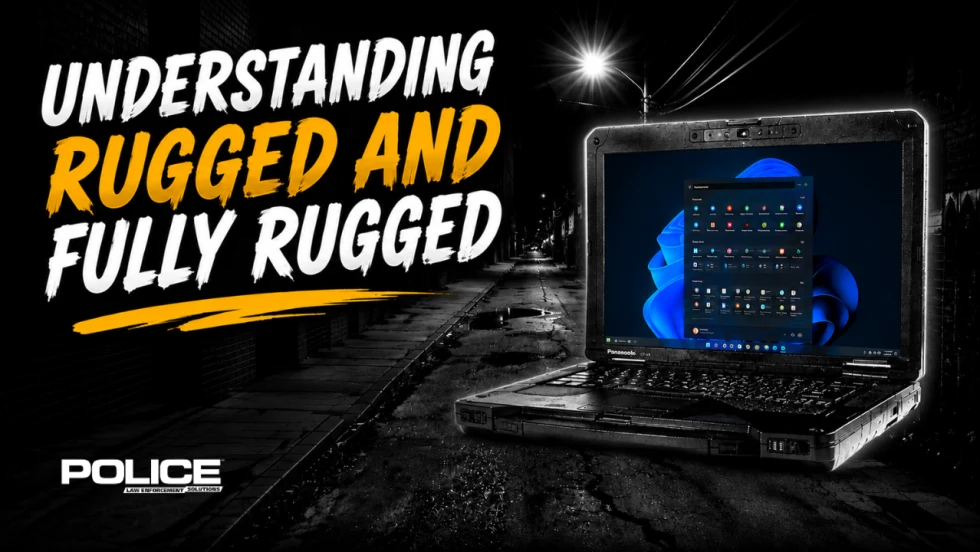
What Qualifies a Laptop as Rugged or Fully Rugged?
Police officers face a wide range of working conditions that can damage or even destroy a regular consumer laptop. Learn what qualifies a computer as rugged or fully rugged and why those devices are vital for law enforcement.
Read More →
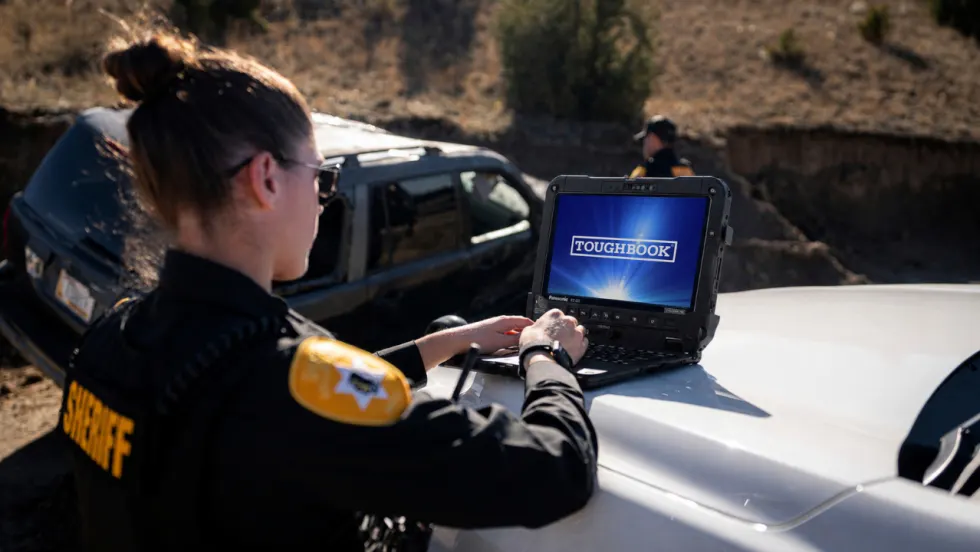
Panasonic Connect Launches the Toughbook 34 and Toughbook G3, Fully Rugged 2-in-1 Mobile Computers
Panasonic Connect has launched the Toughbook 34 and Toughbook G3 to facilitate in-vehicle dispatch, records management, and mobile command operations from any location.
Read More →
A police agency's guide to data-driven fleet management
Costs are rising and the public expects more transparency into how their tax dollars are spent. This e-book shows how police agencies can use fleet data to take control of fleet expenses while improving officer safety and demonstrating fiscal responsibility to the communities they serve.
Read More →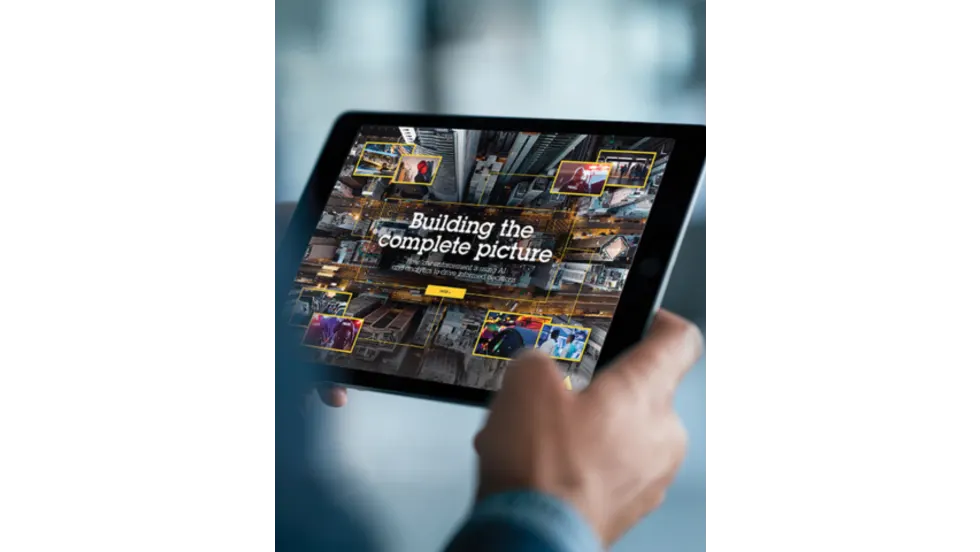
AI and analytics for law enforcement: Turning data into insights
Law enforcement agencies are managing more video, sensor data and digital evidence than ever before. Discover how AI and analytics can help turn that data into actionable insights that strengthen situational awareness, accelerate investigations and support more informed decisions.
Read More →
Vasco Electronics Adds Automatic Language Detection to Vasco Translator Q1
Vasco Electronics’ software update introduces hands-free language switching and expanded offline translation across 45 language pairs, empowering law enforcement, healthcare, and front-office enterprise teams
Read More →
North Miami Police Department Deploys Mark43
The North Miami Police Department has deployed Mark43 as part of its Five-Year Strategic Plan that represents its collective vision and goals for a more proactive police department, anchored by a core commitment to leveraging modern technology to enhance efficiency and public safety.
Read More →
Cellebrite Genesis for Enterprise Now Generally Available
Made available to the public sector in June, Cellebrite Genesis is serving a growing mix of national, regional, and local agencies worldwide, including some of the largest regional and metropolitan police departments. It is now available for enterprise organizations.
Read More →
2026 Vision FirstNet Users Summit to Host Emerging Leaders Training on Grassroots Advocacy for Public Safety
“Emerging Leaders Training: Understanding the Importance of Grassroots Advocacy for Public Safety," a session during the 2026 Vision FirstNet Users Summit, will offer a roadmap for unified advocacy at the federal level.
Read More →