



Kwan Software Engineering VeriPic Digital Photo Lab 4.0
If you are shooting crime and accident scenes with digital cameras and haven't run into a legal challenge yet, it's probably only a matter of time until your local defense attorneys get more aggressive about questioning your evidentiary images.

If you are shooting crime and accident scenes with digital cameras and haven't run into a legal challenge yet, it's probably only a matter of time until your local defense attorneys get more aggressive about questioning your evidentiary images.
Film cameras chemically record images on film stock. Altering these images requires a darkroom and darkroom skills. And unless the work is done by someone with an excellent background in photo manipulation, any alterations can easily be detected by an expert.
In contrast, digital cameras capture images as bits of data on magnetic media. Anyone can import that data into a computer and, with a $50 piece of software, he or she can alter an image in such a way that the naked eye cannot tell the difference. This makes it easy for defense attorneys to challenge the veracity of evidentiary photos captured with digital cameras.
What's needed to make digital images of evidence more viable in the courtroom is a way to determine if they have been changed. And Santa Clara, Calif.-based Kwan Software Engineering (KSE) believes its VeriPic Digital Photo Lab application is the solution to this problem.
In simple terms, here's how KSE's technology works. VeriPic calculates special photographic parameters when the picture is originally imported from the camera or the memory card. If these parameters change any time after the original time-stamped importation, then authentication cannot be verified. In other words, somebody has altered some of the digital ones and zeros, manipulating them to his or her advantage.
To authenticate an image, VeriPic starts at the source, the digital camera itself. A digital camera is really just a small computer with a memory card. Each has measurable methods for storing images. VeriPic has tested and certified many digital camera models already used by law enforcement, and it maintains a list of the certified cameras on its Website. And if you want to use VeriPic and your camera is not on the list, just loan it to VeriPic for a couple of weeks and the company's technicians will certify it.
Not only does VeriPic give you a way to combat arguments that you have tampered with digital images of crime and accident scenes, one version of the software also helps you organize your images.
I don't know about you, but on my home PC I have photos stored in different folders all over my hard drive. VeriPic solves this problem by allowing you to tie the photos you're importing to a case or file number associated with your investigation.
Let's take a look at how VeriPic works in a police environment.
You've finished taking pictures at the scene, and now you need to import them into your computer. After putting the camera's memory card into the reader, you click on "Import Photos" and select from the "Add New Case" or "Select Existing Case" buttons.
VeriPic will now ask you some basic questions in the familiar dialog box format. First you select the type of import: "authenticate and secure" for the pictures you're going to import or "secure only" for non-certified cameras or scanned images that cannot be authenticated but should be stored in the VeriPic database.[PAGEBREAK]
When importing images from your memory card into your computer using VeriPic, you have two options. You can choose "Move to VeriPic" or "Copy to VeriPic." Remember, in computer terms, moving can be risky because the data source is erased as the move is made. In contrast, copying is much safer because it leaves the original on the memory card.
As each picture is uploaded into the database, it is time stamped by an extremely accurate time source and authenticated and or secured. Never rely on the time stamps from digital cameras as a source of accurate information. They are infamous for being inaccurate.
Once your image is in the VeriPic system, any modification to the original authenticated image will cause its future validation to fail. Any failure alerts you to a potential problem with your case.
Also, during the import process, you can set a title for pictures uploaded. You may also include notes for all the pictures here or individually add notes later to each different image.
The import process also allows you to assign a case number to a group of pictures, complete the field about the photographer who took the pictures, add a digital signature to each image, and assign a case security level. Setting a security level lets you control who within your organization will have the rights to view, edit, or print images from the system.
After opening the VeriPic software, you can view photos from stored cases by clicking on the view button. You'll first need the appropriate rights. Only those with proper rights may see case photos. The system administrator controls account access rights, groups, and creation of accounts.
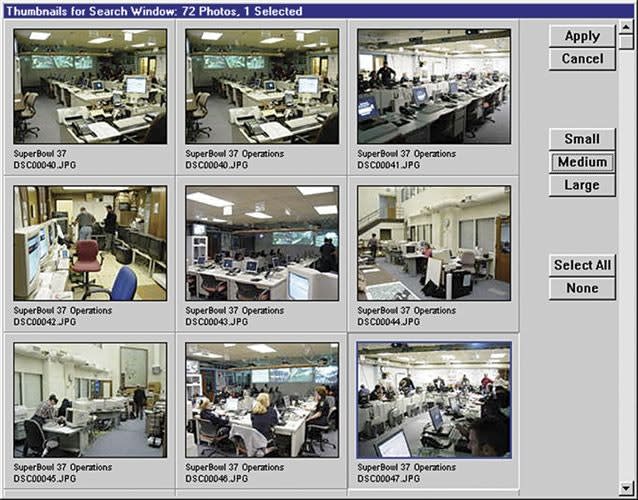
If you need to find a photo, all you have to do is search for it. The search dialog box allows you to search by case number, title, notes, and by the use of filters and wildcards. Once you find your case, you may view thumbnails in different sizes or see full screen shots. In addition, there are editing tools that allow you to create slide shows and add one-to-one scale measurement, as well as rotate, adjust, zoom, print, or encrypt your images.
I've barely scratched the surface of what VeriPic Digital Photo Lab, now in version 4.0, can do for your organization. If your integrity or the credibility of your agency is challenged because you shoot your crime and accident scene images with a digital camera, you'll be glad you invested in VeriPic as your photographic authentication and management tool.
Bob Davis supervises the San Diego Police Department's computer lab. He has 26 years of experience on the force.
More Technology
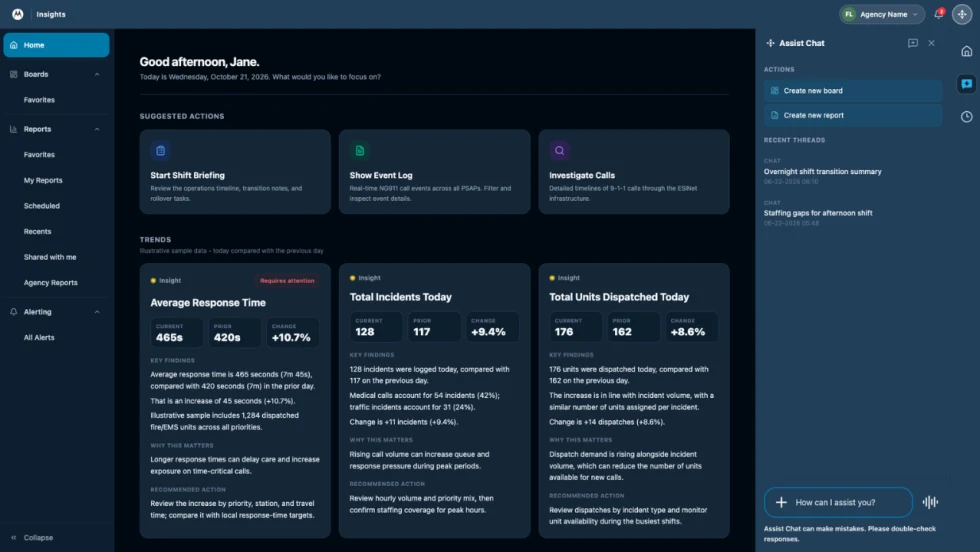
How Motorola Solutions’ New “Insights” Platform Helps Public Safety Agencies Identify Trends to Improve Their Operations
Motorola Solutions has introduced Insights, which leverages Assist, its mission-critical artificial intelligence (AI), to address these challenges and shape what’s next for public safety analytics and reporting technology.
Read More →
What Qualifies a Laptop as Rugged or Fully Rugged?
Police officers face a wide range of working conditions that can damage or even destroy a regular consumer laptop. Learn what qualifies a computer as rugged or fully rugged and why those devices are vital for law enforcement.
Read More →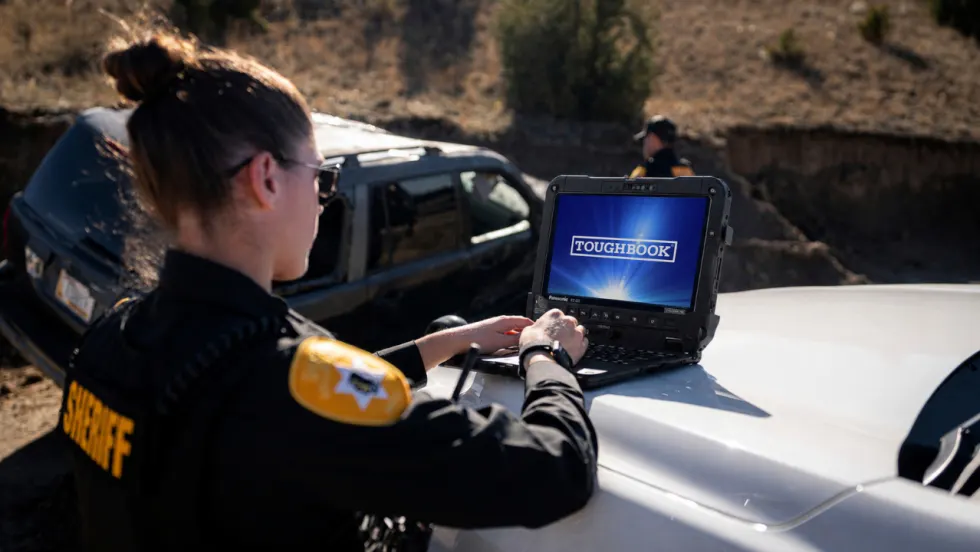
Panasonic Connect Launches the Toughbook 34 and Toughbook G3, Fully Rugged 2-in-1 Mobile Computers
Panasonic Connect has launched the Toughbook 34 and Toughbook G3 to facilitate in-vehicle dispatch, records management, and mobile command operations from any location.
Read More →

A police agency's guide to data-driven fleet management
Costs are rising and the public expects more transparency into how their tax dollars are spent. This e-book shows how police agencies can use fleet data to take control of fleet expenses while improving officer safety and demonstrating fiscal responsibility to the communities they serve.
Read More →
AI and analytics for law enforcement: Turning data into insights
Law enforcement agencies are managing more video, sensor data and digital evidence than ever before. Discover how AI and analytics can help turn that data into actionable insights that strengthen situational awareness, accelerate investigations and support more informed decisions.
Read More →
Vasco Electronics Adds Automatic Language Detection to Vasco Translator Q1
Vasco Electronics’ software update introduces hands-free language switching and expanded offline translation across 45 language pairs, empowering law enforcement, healthcare, and front-office enterprise teams
Read More →
North Miami Police Department Deploys Mark43
The North Miami Police Department has deployed Mark43 as part of its Five-Year Strategic Plan that represents its collective vision and goals for a more proactive police department, anchored by a core commitment to leveraging modern technology to enhance efficiency and public safety.
Read More →
Cellebrite Genesis for Enterprise Now Generally Available
Made available to the public sector in June, Cellebrite Genesis is serving a growing mix of national, regional, and local agencies worldwide, including some of the largest regional and metropolitan police departments. It is now available for enterprise organizations.
Read More →
2026 Vision FirstNet Users Summit to Host Emerging Leaders Training on Grassroots Advocacy for Public Safety
“Emerging Leaders Training: Understanding the Importance of Grassroots Advocacy for Public Safety," a session during the 2026 Vision FirstNet Users Summit, will offer a roadmap for unified advocacy at the federal level.
Read More →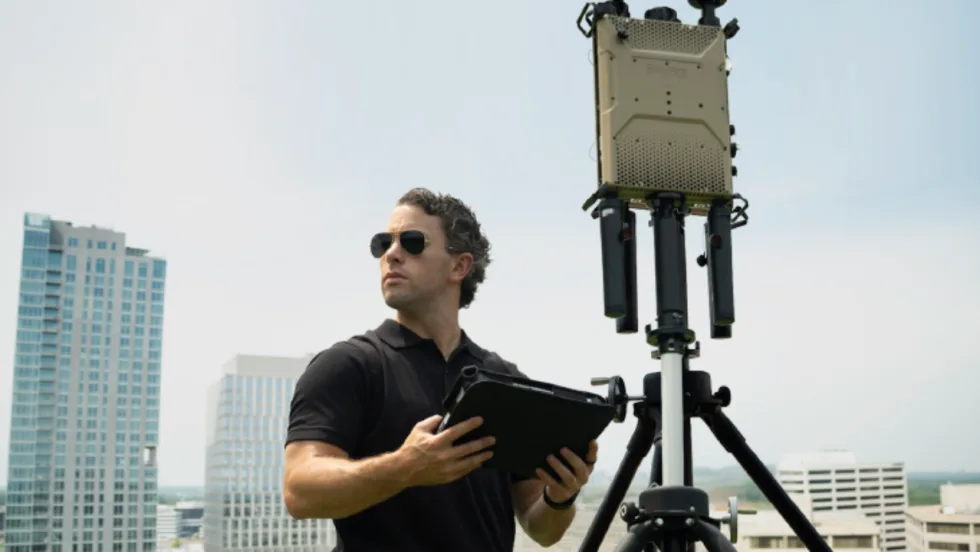
Motorola Solutions Completes Acquisition of D-Fend Solutions
Motorola Solutions has acquired D-Fend Solutions, an industry leader in counter-drone technology. This deal provides public safety and enterprise customers with access to advanced counter-unmanned aerial systems.
Read More →