



Cell Phones on Duty
Most cops can readily agree a cell phone is perhaps the best new tool an officer can have during his or her patrol shift. Whether it is used to call a victim, a barricaded suspect, or a detective on a major case, a cell phone is a vital asset to the patrol officer.

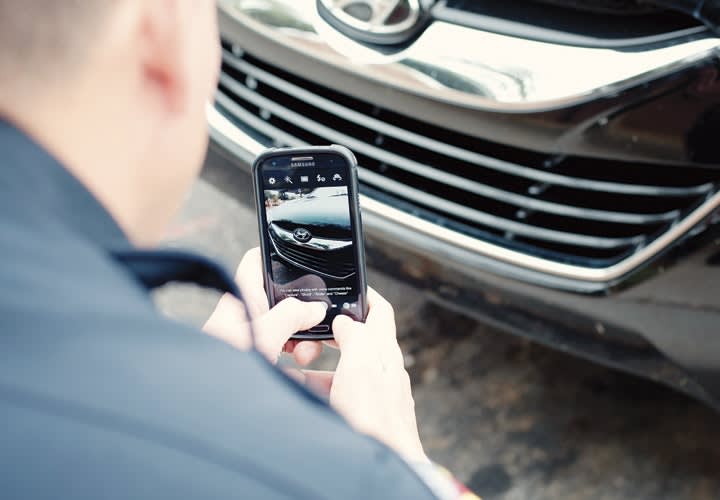
Photo: Mark W. Clark
I was driving in my patrol car the other day when a call came across the radio of a jumper on an overpass above a major freeway. Soon units began arriving and the radio traffic increased tremendously as the jumper tried to evade officers. As a lieutenant on my agency, I immediately reached for my cell phone to coordinate with the sergeant and the crisis intervention team on deployment.
Yes, I could have used my radio but chose not to. And here's why. During most critical incidents like this, the airwaves are extremely crowded. Tying them up even more would make matters worse.
So over my cell phone my sergeant gave me the current situation and told me what resources he needed. I stopped at a red light briefly to phone another agency, and the occupants of a vehicle next to me pointed at me and shook their heads from side to side while pretending to be holding a cell phone. The message they were conveying was that I was breaking the law.
Did I leave those citizens with a negative image of law enforcement? The answer is obviously "yes," but I was also successful in managing a critical incident without tying up the radio traffic.
As this example illustrates, there are both benefits and hazards of using cell phones while on duty.
Patrol
Most cops can readily agree a cell phone is perhaps the best new tool an officer can have during his or her patrol shift. Whether it is used to call a victim, a barricaded suspect, or a detective on a major case, a cell phone is a vital asset to the patrol officer.
The main benefits of a cell phone on patrol are as a direct verbal communication link to people who don't have radios and as a backup when radio signals are weak. Additionally, the cell phone provides access to information that can be dispersed to the public or police officers in cases of catastrophic disasters or major community events. The photo and messaging capabilities have also made the cell phone a valuable tool for conducting warrant checks and suspect identification.
Crime Scenes
Photos that you take with your cell phones at crime scenes can be a benefit to your department and its investigators. Also, cell phone pictures of the suspects and vehicles taken from the video screen can be sent to officers on patrol.
Identifying suspects, gang members, or shooting victims at the scene using photos taken on cell phones is something police never dreamt about 10 years ago. I have responded to scenes, snapped photos of the victim's gang tattoos, and immediately sent them to our gang detectives for identification and intel. This process has helped identify the gang involved and prevented retaliation shootings.
At large disturbances, I have videoed the crowd on my cell phone. This caused the crowd to quickly disperse, but more importantly, it gave evidence to Internal Affairs and command staff as to how hostile the crowd was to the officers.
Officer Safety
Street cops often get dispatched to locations before they have any solid information about what is happening and the conditions they will find. By using our cell phones to contact the person who called in the complaint, we can learn more before arriving at the scene. We can ask if the suspect is still at the scene, we can get a better description of the suspects, and we can map routes of travel away from the scene. Once at the location, if the suspect is detained, a cell phone can be used to call parole/probation or the county warrants office.
If you're in the rural areas where radio signals are weak, cell phones can be an even greater asset. A few years ago, several officers were shot and killed in a rural area near my jurisdiction. Responding officers discovered that their radio reception at the site was very poor. So we primarily used cell phones to coordinate with the detectives, tactical units, and the media.
Tactical Advantage
As a tactical tool, a cell phone is one of the best assets to have on deployment. Having a cell phone during a critical incident gives you the ability to quickly contact your commander, legal advisor, SWAT, and maybe even call a judge to get a warrant. Thirty years ago, we had to find a pay phone to contact a judge for a telephonic warrant. Now we use our cell phones.
On one occasion, during a search for a double homicide suspect, we located a possible apartment where the suspect was hiding and began surrounding it with our tactical units prior to SWAT arriving. Everyone had to stay off the air because he had a scanner. So we coordinated our response over cell phones.
I was the commander at that scene and instituted the incident command system. Using my cell I contacted the detective sergeant and asked him to task his detectives with contacting the outside agency and getting more intel on the case such as the description of the suspect and the weapons in his possession. A second sergeant used his cell phone to bring up Google Earth and get an overview of the apartment complex to place his perimeter units. Google Earth was also used to place responding SWAT teams.
In the meantime, I was phoning the SWAT commander, telling him we had found the location and updated him with where our tactical perimeter was established. The detectives located the suspect in our database; they texted a picture of the suspect to the sergeant and tactical team on the perimeter. Having a picture of the suspect was invaluable in identifying the person peeking out the window of an apartment. We now had a positive ID of the suspect and knew which apartment he was in.
Cell phones have also been used to phone in to residences where barricaded suspects were refusing to submit to authorities. In one case, the call actually went to a cell phone of a hostage hiding in a bedroom. She was able to provide vital information on the suspect's whereabouts and condition. During another case, our officers were able to talk to a victim and get her to meet the officers at a window so she could escape with her kids.
Hazards
Can cell phones be a hazard on patrol? The answer is obviously "yes," if the officers are so engrossed in their conversations that they lose focus. Instead of controlling the suspect and keeping eyes on him/her, their situational awareness suffers as the phone becomes a distraction more than a tool. Several times this has resulted in a suspect getting up and running from the officer, triggering a foot chase that never should have happened.
One major hazard that departments are advising their officers against is using their phones to post, blog, or tweet messages that can be used in court to attack the officers' credibility. This became a disciplinary issue. Some departments are now advising officers to use city owned digital cameras, not their cell phones at crime scenes.
In one case I worked a cell phone was a major distraction. During an officer-involved shooting investigation, I was attempting to coordinate a perimeter when my phone kept ringing, as staff members were calling to find out what had occurred. With a radio in one hand, a cell phone in the other, I was multitasking during a critical incident. It really became annoying when calls weren't answered and the callers began to text message.
Another cell phone hazard occurs when officers forget to silence their phones during operations. During one building search, the cell phone of an officer began ringing. Although dangerous, it was comical watching the officer frantically trying to turn it off. His penalty was a case of beer for the troops. Of course, this could have led to much worse consequences if someone had been lying in wait for the officers.
Legal Matters
Individual states each have their own vehicle codes, which may or may not allow an officer to use a cell phone while driving to an incident. In California, for example, officers are exempt from the law that prohibits phone use while driving. However, many departments still do not allow their officers to even possess a cell phone at work. They want to alleviate any potential problems. In contrast, some departments provide cell phones to their officers and encourage their use but strictly forbid texting while driving. At the extreme end of the spectrum, there are even some chiefs who want their officers to tweet at crime scenes.
Michael Doyle is a lieutenant in California with more than 30 years of experience in law enforcement. He has been a public information officer for six years and is currently in charge of a large tactical unit.
Related Article:
More Technology
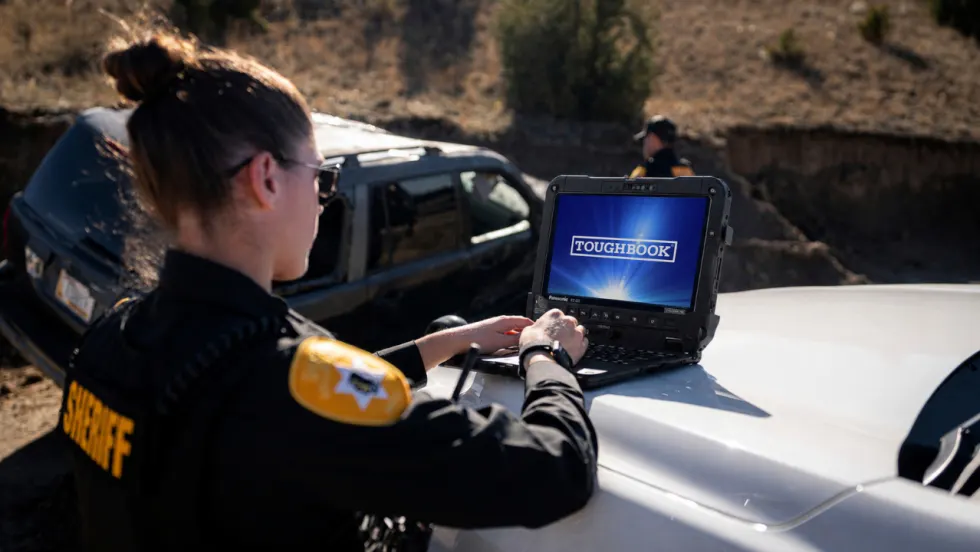
Panasonic Connect Launches the Toughbook 34 and Toughbook G3, Fully Rugged 2-in-1 Mobile Computers
Panasonic Connect has launched the Toughbook 34 and Toughbook G3 to facilitate in-vehicle dispatch, records management, and mobile command operations from any location.
Read More →
A police agency's guide to data-driven fleet management
Costs are rising and the public expects more transparency into how their tax dollars are spent. This e-book shows how police agencies can use fleet data to take control of fleet expenses while improving officer safety and demonstrating fiscal responsibility to the communities they serve.
Read More →
AI and analytics for law enforcement: Turning data into insights
Law enforcement agencies are managing more video, sensor data and digital evidence than ever before. Discover how AI and analytics can help turn that data into actionable insights that strengthen situational awareness, accelerate investigations and support more informed decisions.
Read More →
Vasco Electronics Adds Automatic Language Detection to Vasco Translator Q1
Vasco Electronics’ software update introduces hands-free language switching and expanded offline translation across 45 language pairs, empowering law enforcement, healthcare, and front-office enterprise teams
Read More →
North Miami Police Department Deploys Mark43
The North Miami Police Department has deployed Mark43 as part of its Five-Year Strategic Plan that represents its collective vision and goals for a more proactive police department, anchored by a core commitment to leveraging modern technology to enhance efficiency and public safety.
Read More →
Cellebrite Genesis for Enterprise Now Generally Available
Made available to the public sector in June, Cellebrite Genesis is serving a growing mix of national, regional, and local agencies worldwide, including some of the largest regional and metropolitan police departments. It is now available for enterprise organizations.
Read More →
2026 Vision FirstNet Users Summit to Host Emerging Leaders Training on Grassroots Advocacy for Public Safety
“Emerging Leaders Training: Understanding the Importance of Grassroots Advocacy for Public Safety," a session during the 2026 Vision FirstNet Users Summit, will offer a roadmap for unified advocacy at the federal level.
Read More →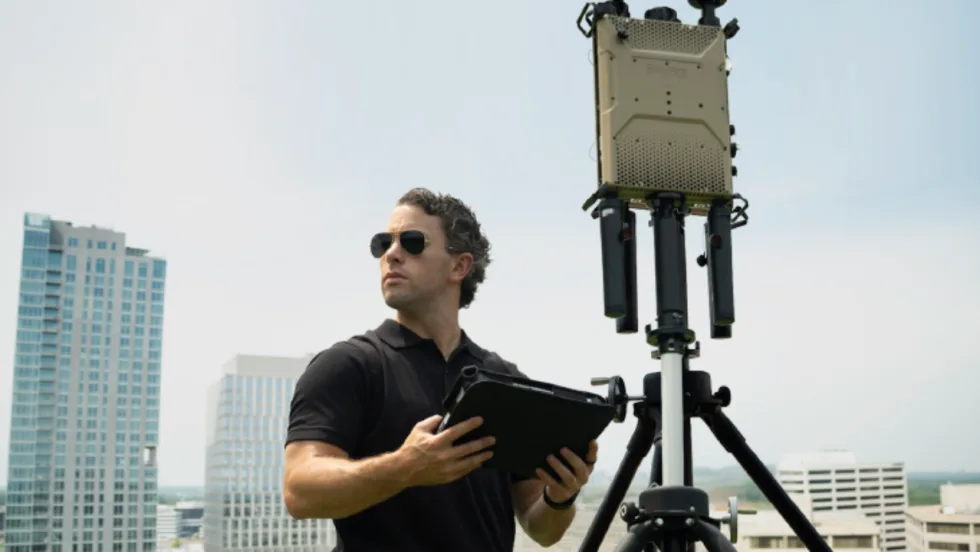
Motorola Solutions Completes Acquisition of D-Fend Solutions
Motorola Solutions has acquired D-Fend Solutions, an industry leader in counter-drone technology. This deal provides public safety and enterprise customers with access to advanced counter-unmanned aerial systems.
Read More →
ZeroEyes, Advantech & Camden Police Partner to Bring AI Gun Detection Technology to Delaware School District
ZeroEyes has partnered with Advantech and the Camden Police Department to deploy ZeroEyes’ AI gun detection and intelligent situational awareness platform at Delaware’s Caesar Rodney School District (CRSD).
Read More →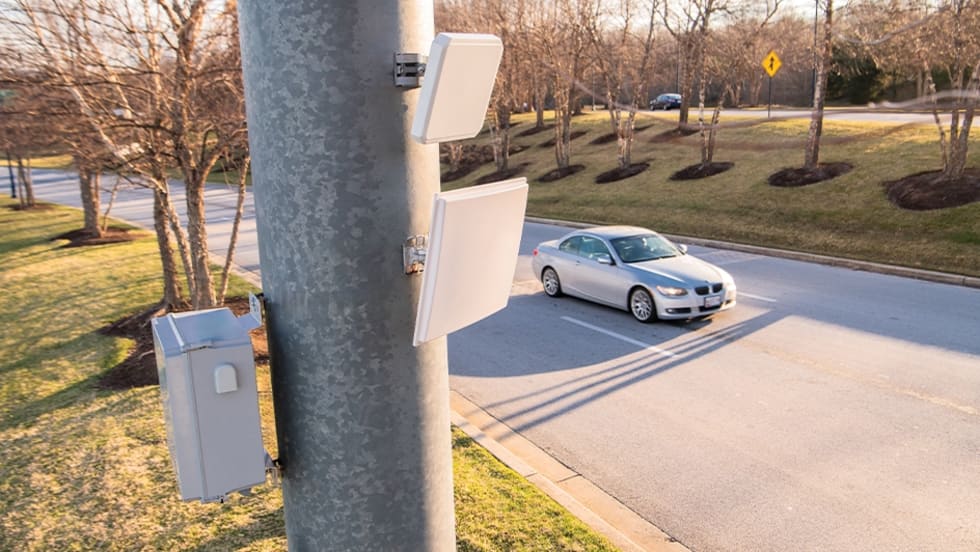
Leonardo U.S. Cyber & Security Solutions Introduces SignalTrace, the Next Evolution in Electronic Signature Detection Technology
SignalTrace reflects years of product refinement and a clearer expression of the technology’s purpose of recognizing and correlating electronic signatures in publicly broadcast wireless signals to reveal patterns, relationships, and trends that might otherwise go undetected.
Read More →