



Body Cameras: Keep It Real
Body-worn cameras will be a game-changer, but no new law enforcement technology is the be-all, end-all "silver bullet" that people often think it will be.


Greg Meyer
Body-worn cameras will be a game-changer just as body-worn radios, ballistic vests, and TASERs were game-changers in years past.
But no new law enforcement technology is the be-all, end-all "silver bullet" that people often think it will be. Body-worn radios changed our tactics and improved our safety as long as we didn't over-rely on them and take chances we would not have taken before. Ballistic vests have saved many lives, but not all officers wear them, which means some officers are still dying from shots to the torso that would have been stopped by vests. TASERs have prevented many shootings and other major uses of force, but are sometimes used in situations in which they should not be. All of these tools have required policy and training adaptations as we translate the concept to the reality.
And so it will be with body cameras. They will be a very valuable tool. But it won't always be the video they capture that will be the most useful evidence.
I predict that the audio of many incidents will be more important than the video. Having already seen several body camera incidents in my consulting work, it is often the case that the camera is not pointing at the action while the officer is running or fighting or shooting. But the audio picks up the sounds of the incident, including the words of the officer and the suspect, the sounds of the TASER or the baton strikes or the gunshots, and when someone is out of breath.
Body camera footage will often be persuasive evidence against your suspect when he or she is facing a judge and jury. And if you are unlucky enough to be sued or prosecuted, body camera footage may be a big factor in establishing your credibility, just as cellphone video, security video, and dash-cam video already are.
One of the great advantages of body cameras is they will help protect you against false complaints by members of the public who don't like what you did. But when I mentioned the value of body cameras in helping prosecute people who make false complaints against police during a national meeting of police executives in 2013, the deputy attorney general from the Department of Justice's Civil Rights Division nearly had a coronary. She stood up and responded that "The Civil Rights Division would never support the prosecution of citizens who make false complaints against police officers." We have a new attorney general, Loretta Lynch, now, and hopefully that anti-police attitude will change. Time will tell.
I have seen many articles on the advantages and limitations of body cameras in the past few years, and have produced a couple of seminars on the subject. One of the most important articles on the subject that I have seen appeared in the May 2015 issue of The Police Chief, which is the magazine of the International Association of Chiefs of Police (IACP). The article is titled, "Efficacy of Police Body Cameras for Evidentiary Purposes: Fact or Fallacy?" and was written by Lt. Col. Craig E. Geis, U.S. Army (ret.), and David M. Blake of the California Training Institute.
The IACP article highlights the fact that the various models of police body cameras have a field of view ranging from 95 degrees to 170 degrees; but, the "normal useful field of view in human vision, the area from which information can be extracted at a brief glance without eye or head movements, is 55 to 60 degrees under optimal, normal stress." Thus, the camera will record more information and at a higher quality than a human can see. The camera does not have a heart, or adrenalin, or the ability to perceive things, or a fear of death or great bodily injury. "Hence, human perception and memory of an event can be dramatically different than what is recorded by the camera. This difference increases substantially when the stress and arousal of a use-of-force or officer-involved shooting event is a factor."
One more prediction: Academic studies of body camera footage in the coming years will show that you are doing an excellent job handling the challenges that come with your daily work. The irrational, violent, resistive, assaultive people you encounter will be there for all to see (or hear). The vast majority who submit peacefully to your arrest will also be there.
Greg Meyer is a retired Los Angeles Police Department captain and a member of the POLICE Advisory Board.
More Technology
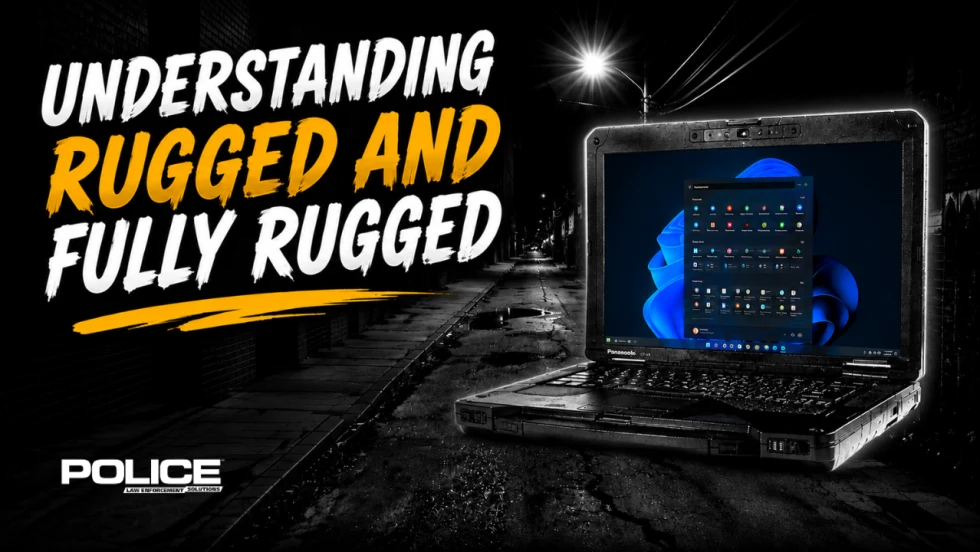
What Qualifies a Laptop as Rugged or Fully Rugged?
Police officers face a wide range of working conditions that can damage or even destroy a regular consumer laptop. Learn what qualifies a computer as rugged or fully rugged and why those devices are vital for law enforcement.
Read More →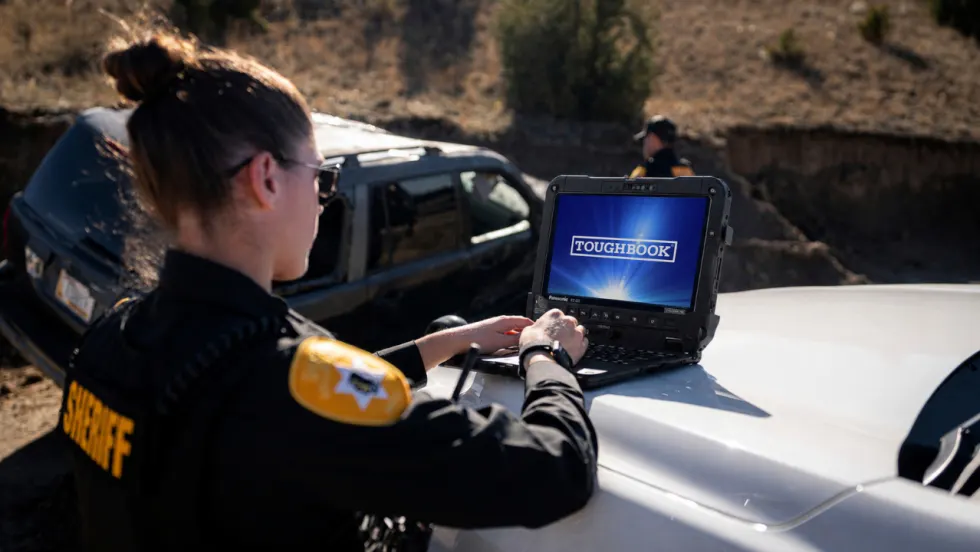
Panasonic Connect Launches the Toughbook 34 and Toughbook G3, Fully Rugged 2-in-1 Mobile Computers
Panasonic Connect has launched the Toughbook 34 and Toughbook G3 to facilitate in-vehicle dispatch, records management, and mobile command operations from any location.
Read More →
A police agency's guide to data-driven fleet management
Costs are rising and the public expects more transparency into how their tax dollars are spent. This e-book shows how police agencies can use fleet data to take control of fleet expenses while improving officer safety and demonstrating fiscal responsibility to the communities they serve.
Read More →
AI and analytics for law enforcement: Turning data into insights
Law enforcement agencies are managing more video, sensor data and digital evidence than ever before. Discover how AI and analytics can help turn that data into actionable insights that strengthen situational awareness, accelerate investigations and support more informed decisions.
Read More →
Vasco Electronics Adds Automatic Language Detection to Vasco Translator Q1
Vasco Electronics’ software update introduces hands-free language switching and expanded offline translation across 45 language pairs, empowering law enforcement, healthcare, and front-office enterprise teams
Read More →
North Miami Police Department Deploys Mark43
The North Miami Police Department has deployed Mark43 as part of its Five-Year Strategic Plan that represents its collective vision and goals for a more proactive police department, anchored by a core commitment to leveraging modern technology to enhance efficiency and public safety.
Read More →
Cellebrite Genesis for Enterprise Now Generally Available
Made available to the public sector in June, Cellebrite Genesis is serving a growing mix of national, regional, and local agencies worldwide, including some of the largest regional and metropolitan police departments. It is now available for enterprise organizations.
Read More →
2026 Vision FirstNet Users Summit to Host Emerging Leaders Training on Grassroots Advocacy for Public Safety
“Emerging Leaders Training: Understanding the Importance of Grassroots Advocacy for Public Safety," a session during the 2026 Vision FirstNet Users Summit, will offer a roadmap for unified advocacy at the federal level.
Read More →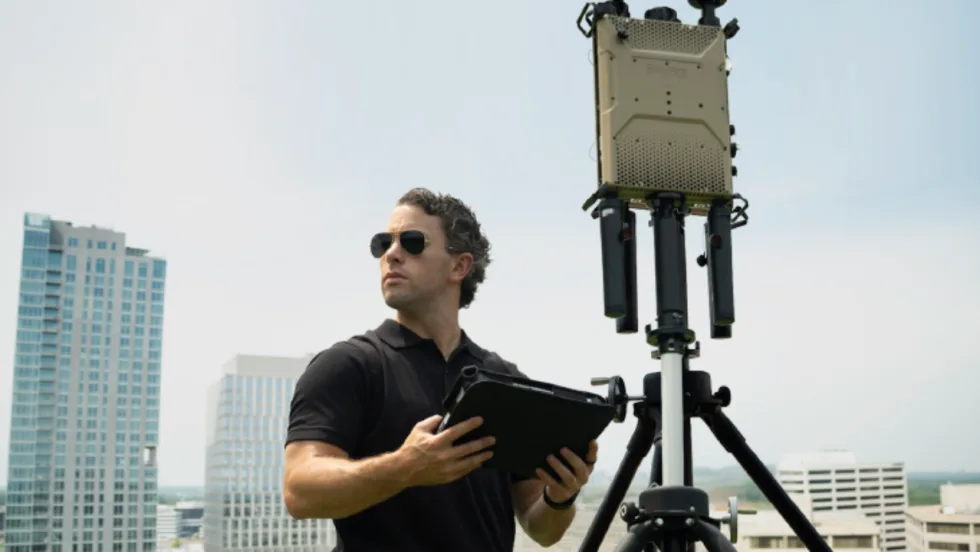
Motorola Solutions Completes Acquisition of D-Fend Solutions
Motorola Solutions has acquired D-Fend Solutions, an industry leader in counter-drone technology. This deal provides public safety and enterprise customers with access to advanced counter-unmanned aerial systems.
Read More →
ZeroEyes, Advantech & Camden Police Partner to Bring AI Gun Detection Technology to Delaware School District
ZeroEyes has partnered with Advantech and the Camden Police Department to deploy ZeroEyes’ AI gun detection and intelligent situational awareness platform at Delaware’s Caesar Rodney School District (CRSD).
Read More →