



7 Ways to Stay Safe on Motor Patrol
Arm yourself with the tools and tactics to be at the top of your game while riding your motorcycle on duty. Here are some tips to keep in mind.

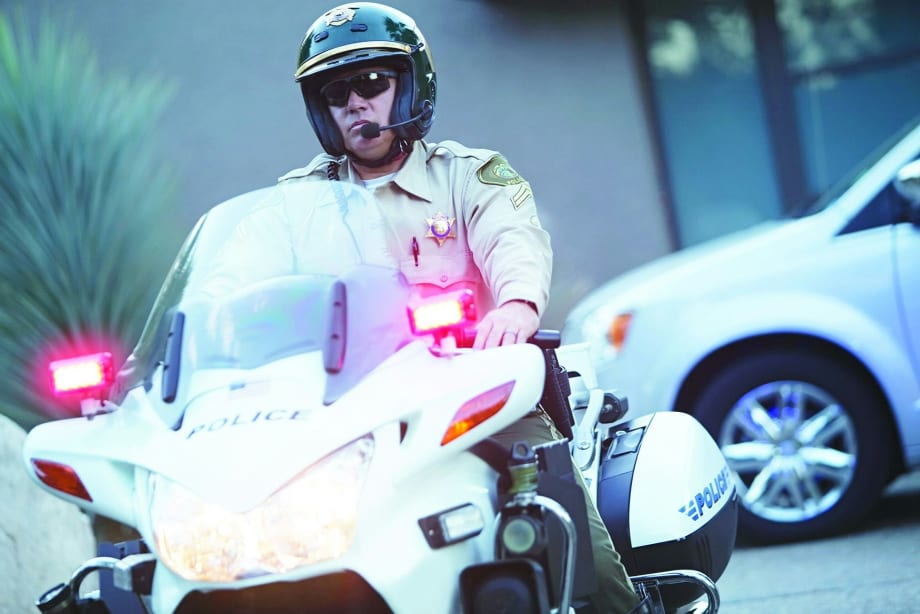
Arm yourself with the tools and tactics to be at the top of your game while riding your motorcycle on duty.
Photo: Getty Images
When you're on motor patrol, you don't have the protection of a vehicle surrounding you as you ride. This means you need to be especially careful to keep yourself safe. Here are some tips to keep in mind.
1. Always Be All In
You must be present and in the moment at all times whenever riding your motorcycle. This means you can't let your mind wander and must stay focused on the task at hand. This also means recognizing when you shouldn't be riding. Do not ride when you are tired, sick, or not mentally prepared. You will not be able to ride at 100% of your capability, and that puts you and others at risk.
2. Ride Defensively
Riding a motorcycle changes from traffic light to traffic light. You can't take anything or anyone for granted. You need to anticipate the careless driver's potential moves against you. This is largely because research shows that drivers only see motorcyclists when they are looking for them. And most drivers aren't looking. Don't assume they will see you. The same goes for anytime you're stopped. Whenever you stop at a traffic light or stop sign, leave yourself an exit plan. Stay in gear and keep your foot on the brake. Keep checking your mirrors at least until several cars behind you stop. And should someone attack you, you want to be ready for it, not just a sitting duck.
3. Don't Skimp On Training
Motors training is critical to your success and safety. It's no different than running or lifting weights. You are only as good as your training, so don't skip training sessions. And don't discount the importance of incorporating tactical training into your regimen. Just as you would practice tactics using your patrol car, you must train with your bike. For example, practice your tactical approaches, how and when to use your bike for cover, and learn how to ride off road.
4. Warm Up
At the start of each tour of duty, warm up with your bike. Do your figure eights, full left and right turns from a stop, and some emergency braking for good measure.
5. Keep Up On Vehicle Maintenance
Make sure your bike is fully maintained and operational. Do not skimp on maintenance. And don't wait until a scheduled service to find out if it's safe to ride. Make sure you check your bike each and every time before you start your shift.
6. Prepare for the Weather
In addition to your usual duty gear, have your inclement weather gear available on every shift. Warm jackets, rain gear, and sun block go a long way toward keeping you patrol ready. Being lazy on this front will only result in your being miserable. Riding while cold and wet or painfully sunburned sucks no matter how tough of an officer you are. And when you're noticeably uncomfortable, it's hard to be at the top of your game.
7. Wear Your Vest
You never know when you'll need ballistic protection. And when you're as vulnerable as you are on a motorcycle, any protection is a good thing, including in the event of a crash. Like your helmet provides protection for your head, a vest's blunt force protection around your vital organs could help you survive a collision.
Thank you to Amaury Murgado for sharing his expertise and assisting in the development of this article.
More Vehicle Ops
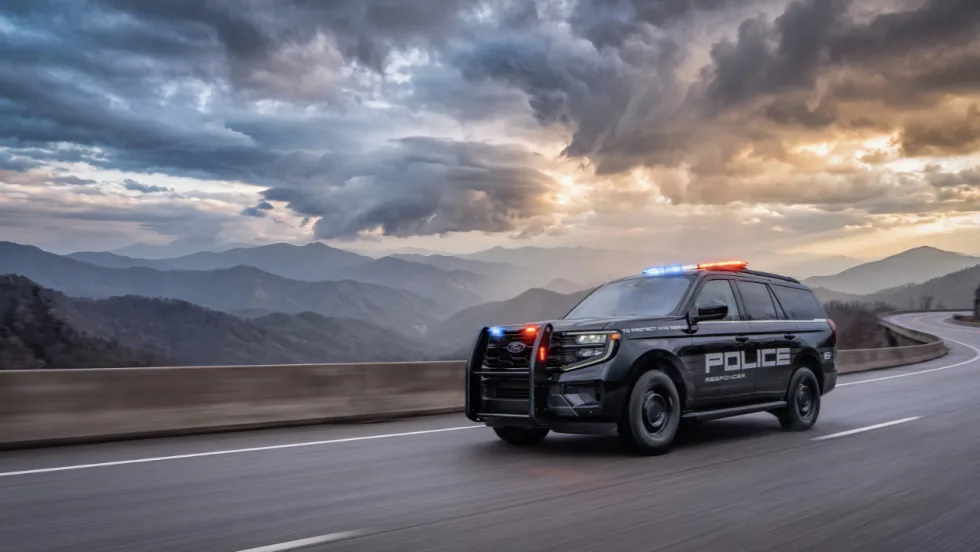
Ford Showcases 2028 Ford Expedition Police Responder
Ford showcased its 2028 Ford Expedition Police Responder, a full-size, pursuit-rated utility vehicle, at Police Fleet Expo this week. It comes standard with 4x4 and a 3.5-liter EcoBoost V6 producing 400 horsepower and 480 lb.-ft. of torque.
Read More →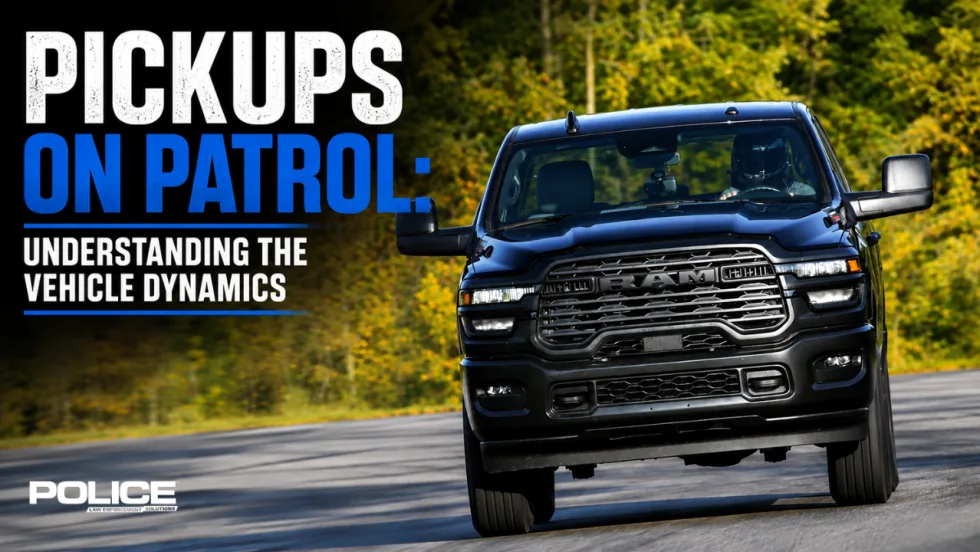
Pickups on Patrol: Understanding the Vehicle Dynamics
Pickup trucks are not new to patrol duties, but with the debut of the 2027 Ram 2500 Emergency Response Vehicle, they are getting larger and heavier. POLICE reached out to the Michigan State Police Precision Driving Unit to learn more about pickup truck handling, vehicle dynamics, and what officers need to know.
Read More →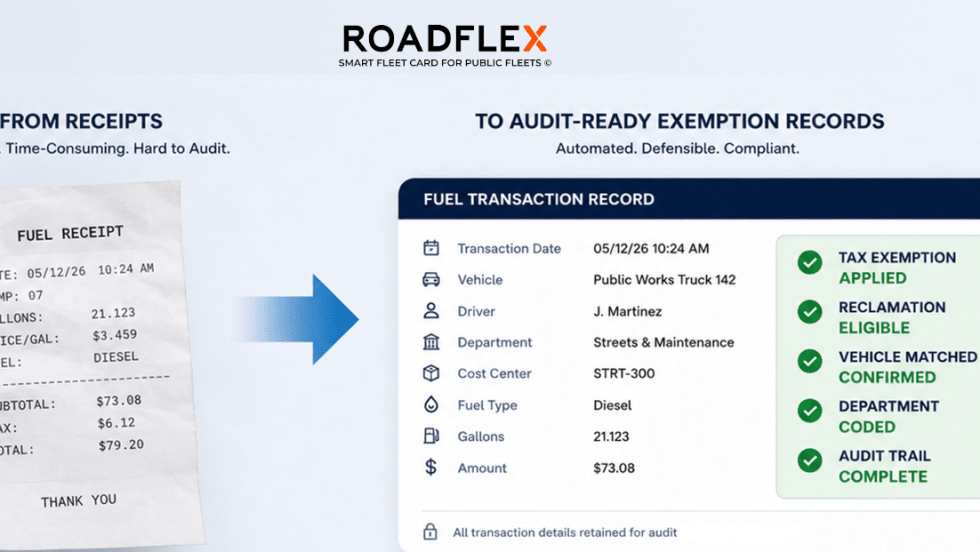
RoadFlex Brings Fuel Tax Compliance & Audit-Ready Reporting to Government Fleets
RoadFlex now offers its capabilities to help public-sector fleets streamline fuel tax exemptions, reclamation, reconciliation, and audit-ready reporting.
Read More →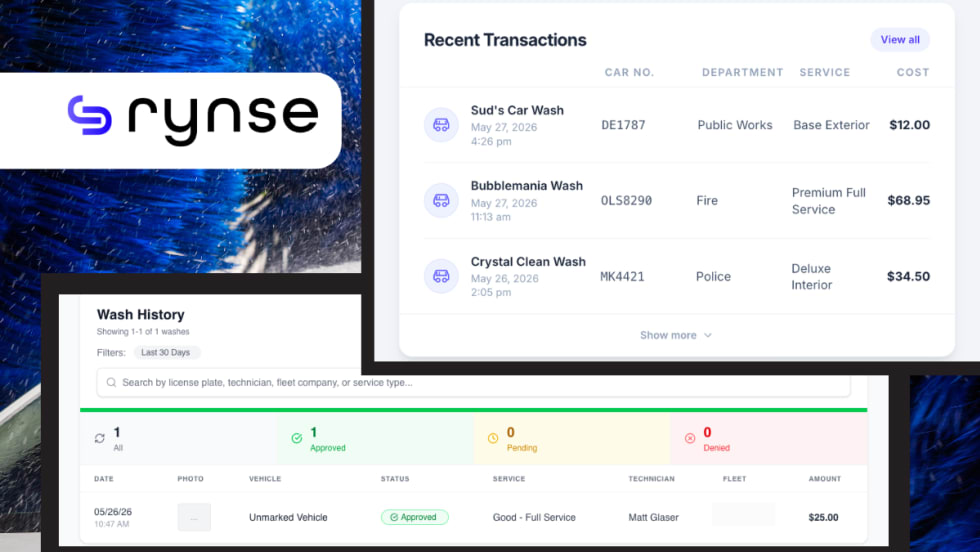
Rynse Awarded Cooperative Purchasing Contract, Expanding Nationwide Fleet Wash Access for Law Enforcement
Rynse has secured a 2026-2027 NCSA contract, giving law enforcement agencies nationwide fast-track access to its fleet wash network and management platform, which streamlines procurement, reduces administrative burdens, and helps fleets stay road-ready with greater oversight.
Read More →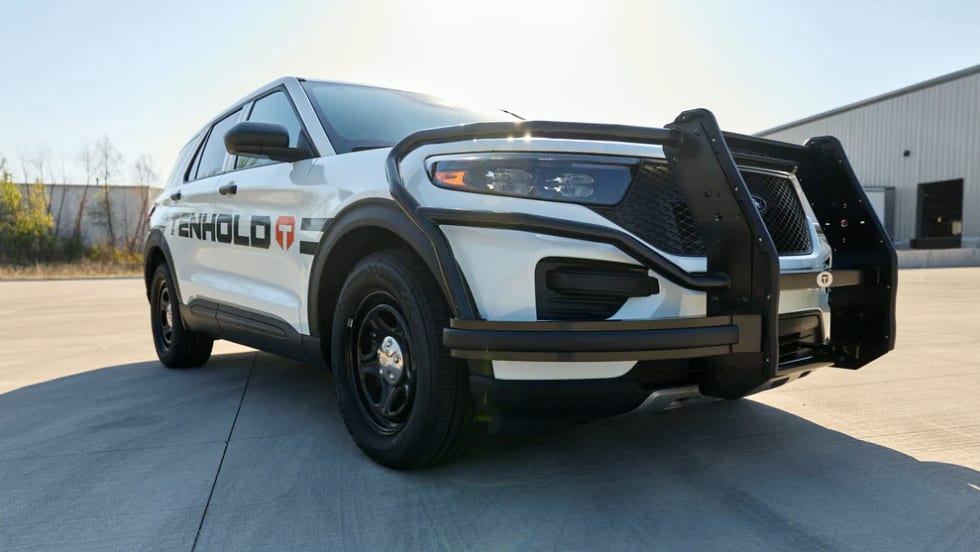
Tenhold Introduces Suppressor Gun Rack System
Tenhold, formerly Jotto Desk, provides next-generation vehicle systems for law enforcement and public safety and recently debuted its Suppressor Lock Head for its Weapon Mounting system.
Read More →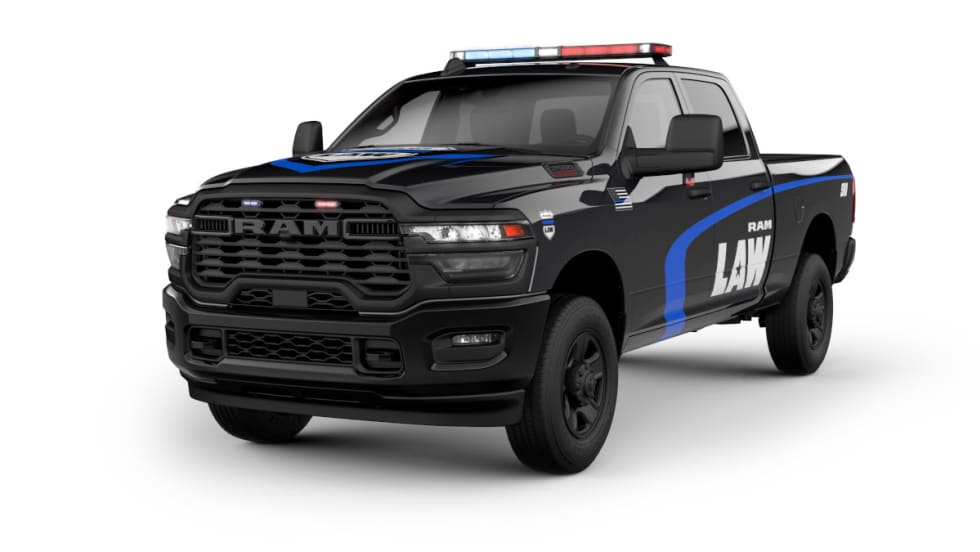
Ram Debuts Pursuit-Capable 2500 Emergency Response Vehicle
The 2027 Ram 2500 Emergency Response Vehicle is the first and only ¾-ton truck to complete the Michigan State Police vehicle trials, and Ram said it delivered outstanding performance in testing scenarios designed to replicate extreme real-world duty.
Read More →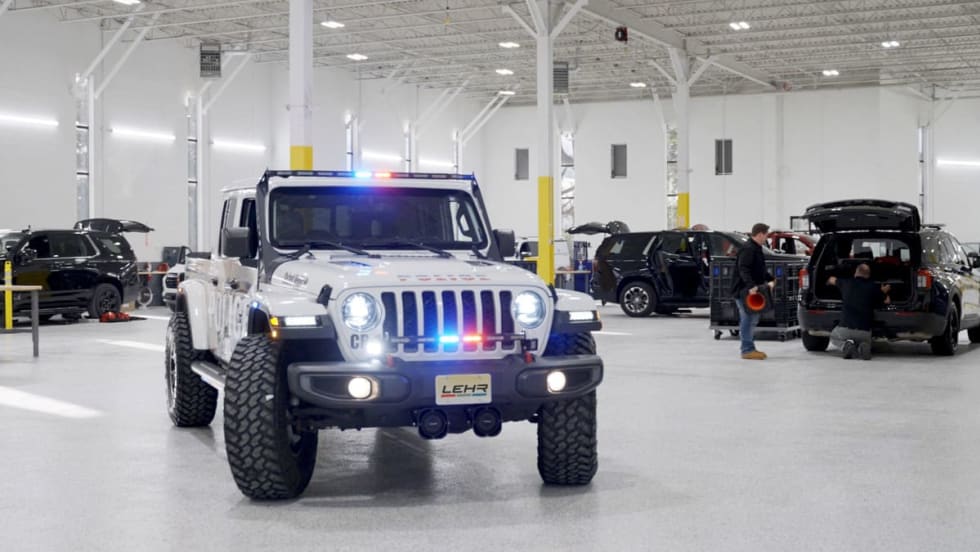
Emergency Vehicle Upfitter LEHR Opens New Facility in New Jersey
LEHR’s new centralized upfitting facility in New Jersey consolidates operations to deliver faster turnaround times and enhanced fleet capacity for law enforcement agencies across the Northeast.
Read More →
North Carolina Sheriff’s Office Improves Fueling Reliability & Operational Control
The Madison County Sheriff’s Office overcame fuel management and accounting challenges by turning to RoadFlex to improve fueling reliability, visibility, and administrative control.
Read More →
Emergency Vehicle Upfitter LEHR Expands National Footprint with New 40,000-Square-Foot Facility in Houston
LEHR has opened a 40,000-square-foot Defender Supply upfitting facility in Houston, Texas. It is expected to upfit thousands of public safety vehicles each year.
Read More →
How to Pick Your High-Risk Stop Location for Tactical Advantage
Hear veteran trainer Mike Willis, of the United States Deputy Sheriff’s Association, explain several considerations that can help you wisely pick your best spot to initiate high-risk or felony traffic stops.
Read More →