



Teledyne FLIR Introduces New Backpack Radiation Detector
Building on the technology of the award-winning identiFINDER R440, the R700 offers increased sensitivity and speed for identifying radioactive threats using advanced spectroscopic algorithm and detection techniques.

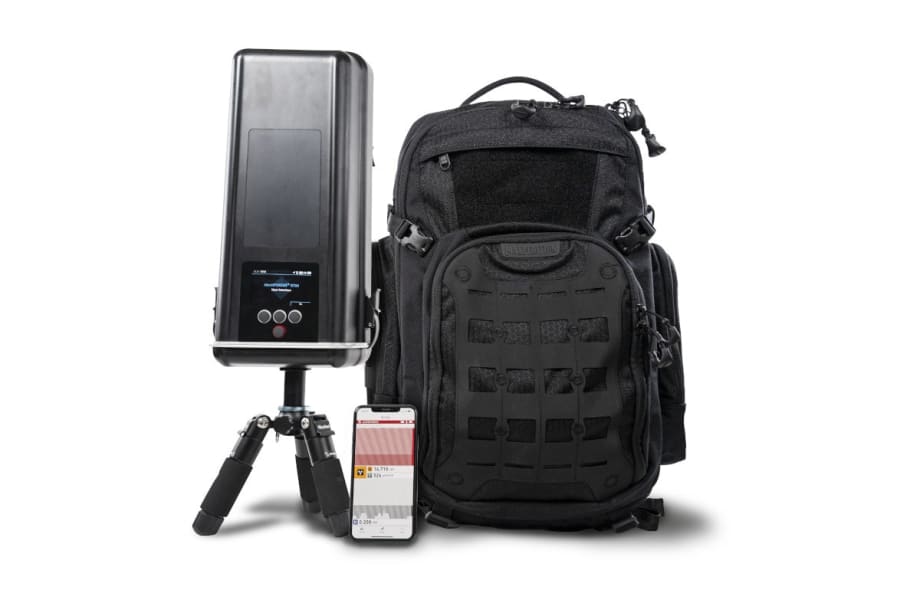
Teledyne FLIR, part of Teledyne Technologies Incorporated, has announced the launch of the identiFINDER R700 Backpack Radiation Detector, an advanced mobile system that offers unparalleled capability for broad-area radiological monitoring missions. The company also announced that the U.S. Department of Homeland Security has placed the first order for the device as part of its Helium-3 Alternative Implementation Backpack Program (HAIBP). Programmed out of the Counter Weapons of Mass Destruction office, the $6.5 million award spans nine months of product deliveries.
Building on the technology of the award-winning identiFINDER R440, the R700 offers increased sensitivity and speed for identifying radioactive threats using advanced spectroscopic algorithm and detection techniques. The R700’s flexible and portable design allows users to configure the system as either a backpack or a stationary device, enabling mission sets from wide area searches to temporary checkpoints.
“The identiFINDER R700 gives public safety agencies a powerful new tool with unmatched capabilities to screen large areas for radiation quickly,” said Dr. David Cullin, vp for detection systems at Teledyne FLIR. “With its connected mobile phone app and low profile backpack, radiation threats can be detected, identified and tracked discreetly at mass gatherings, transportation hubs, or public events.
“Teledyne is proud to partner with the Department of Homeland Security to help it bring a higher level of performance and coverage to those who protect lives and livelihoods by serving as America’s first line of defense,” Cullin added.
The identiFINDER R700 is the most sensitive radiation detection system in the company’s line-up. When coupled with Teledyne FLIR’s other best-selling Radionuclide Identification Devices (RIDs) or Spectroscopic Personal Radiation Detectors (SPRDs), organizations will have a comprehensive person-borne radiation screening system that can provide personal protection, point detection, and wide-area screening.
As with all Teledyne FLIR radiation detection systems, the R700 provides the capability to do so in real-time and on-demand. The instrument can be monitored and controlled remotely using the mobile phone application. Built in wireless communications and a robust API also allow integration with user-deployed networks.
Teledyne FLIR will begin shipments for the HAIBP program in May. The R700 will be made available to other customers starting in Q3-2021. To learn more, visit http://www.teledyneflir.com/r700.
More Technology
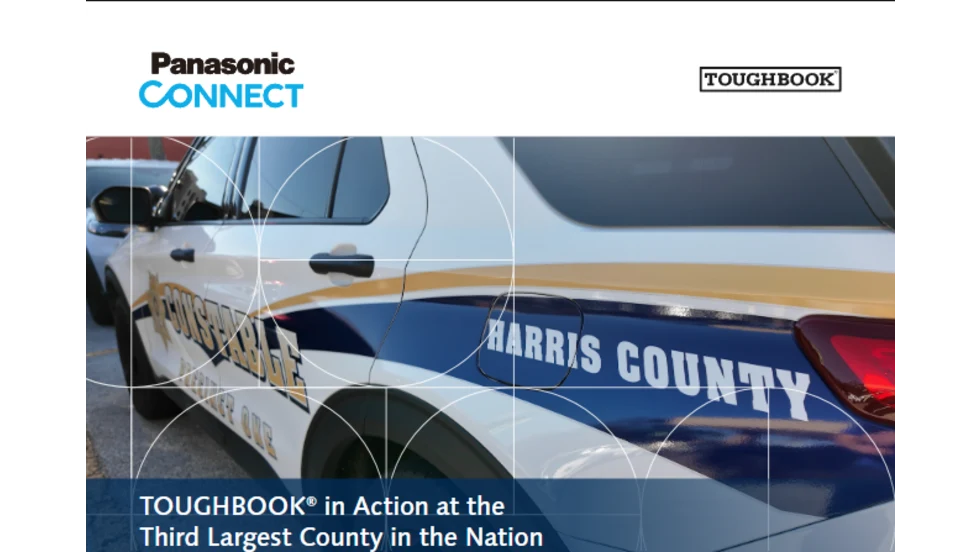
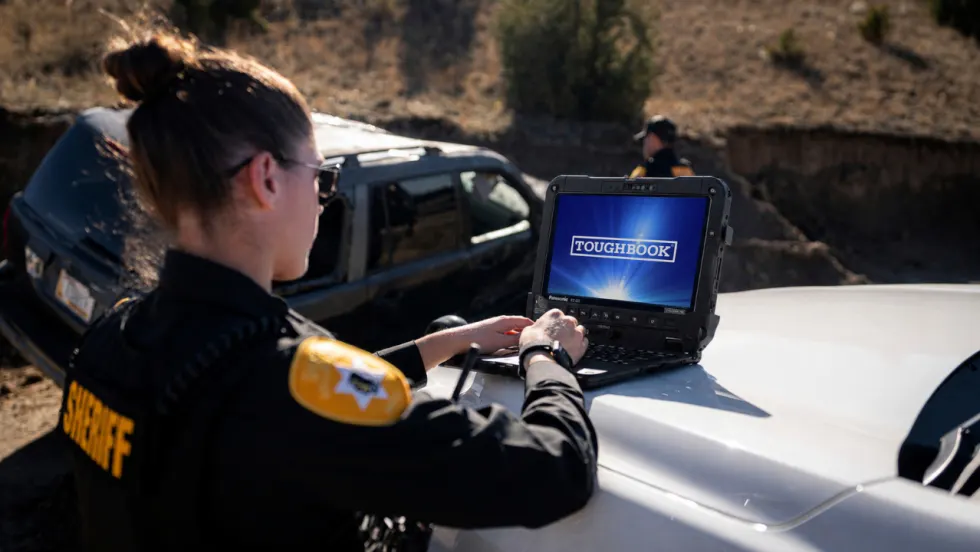
TOUGHBOOK in Action at the Third Largest County in the Nation – Harris County, TX
Learn how Harris County, one of the nation’s largest counties, modernized its law enforcement fleet with TOUGHBOOK® rugged laptops—strengthening security, productivity, and operational readiness across every unit.
Read More →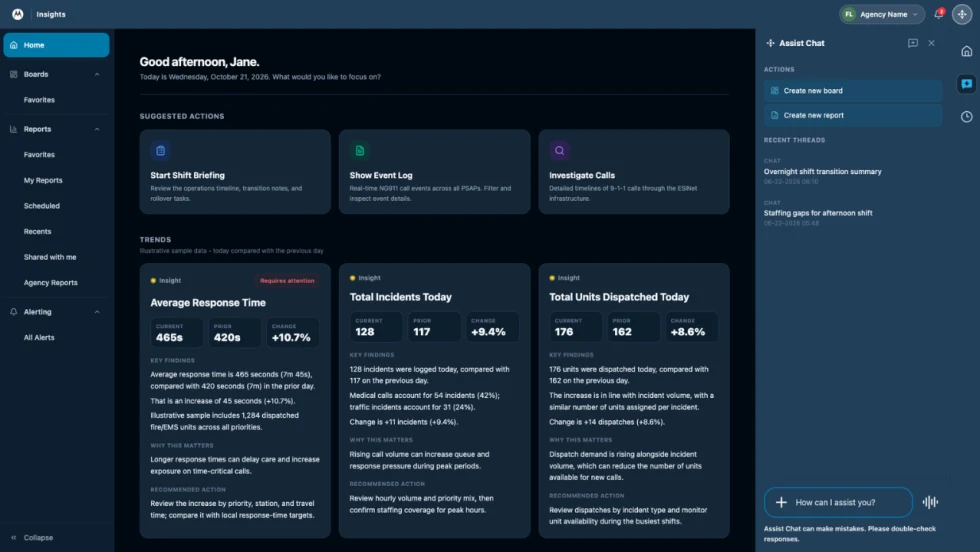
How Motorola Solutions’ New “Insights” Platform Helps Public Safety Agencies Identify Trends to Improve Their Operations
Motorola Solutions has introduced Insights, which leverages Assist, its mission-critical artificial intelligence (AI), to address these challenges and shape what’s next for public safety analytics and reporting technology.
Read More →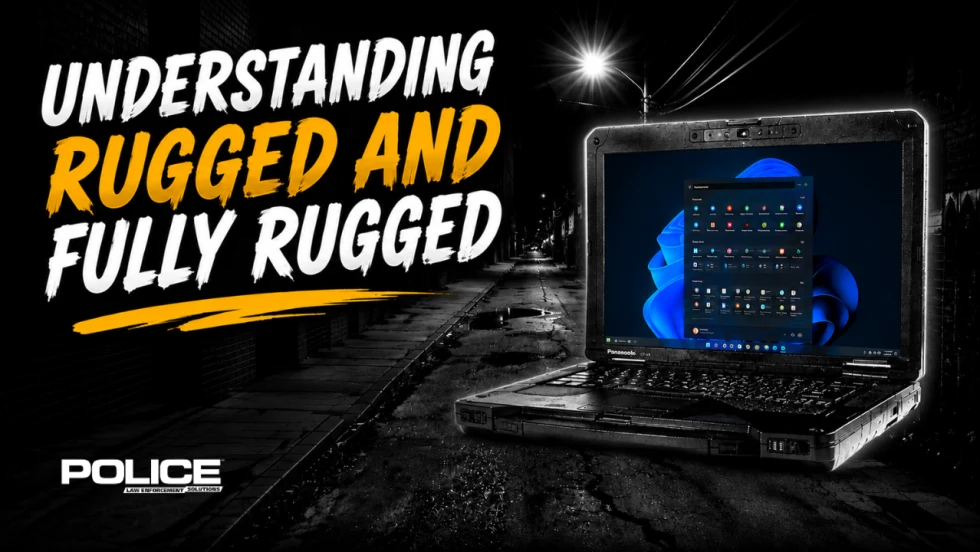
What Qualifies a Laptop as Rugged or Fully Rugged?
Police officers face a wide range of working conditions that can damage or even destroy a regular consumer laptop. Learn what qualifies a computer as rugged or fully rugged and why those devices are vital for law enforcement.
Read More →
Panasonic Connect Launches the Toughbook 34 and Toughbook G3, Fully Rugged 2-in-1 Mobile Computers
Panasonic Connect has launched the Toughbook 34 and Toughbook G3 to facilitate in-vehicle dispatch, records management, and mobile command operations from any location.
Read More →
A police agency's guide to data-driven fleet management
Costs are rising and the public expects more transparency into how their tax dollars are spent. This e-book shows how police agencies can use fleet data to take control of fleet expenses while improving officer safety and demonstrating fiscal responsibility to the communities they serve.
Read More →
AI and analytics for law enforcement: Turning data into insights
Law enforcement agencies are managing more video, sensor data and digital evidence than ever before. Discover how AI and analytics can help turn that data into actionable insights that strengthen situational awareness, accelerate investigations and support more informed decisions.
Read More →
Vasco Electronics Adds Automatic Language Detection to Vasco Translator Q1
Vasco Electronics’ software update introduces hands-free language switching and expanded offline translation across 45 language pairs, empowering law enforcement, healthcare, and front-office enterprise teams
Read More →
North Miami Police Department Deploys Mark43
The North Miami Police Department has deployed Mark43 as part of its Five-Year Strategic Plan that represents its collective vision and goals for a more proactive police department, anchored by a core commitment to leveraging modern technology to enhance efficiency and public safety.
Read More →
Cellebrite Genesis for Enterprise Now Generally Available
Made available to the public sector in June, Cellebrite Genesis is serving a growing mix of national, regional, and local agencies worldwide, including some of the largest regional and metropolitan police departments. It is now available for enterprise organizations.
Read More →
2026 Vision FirstNet Users Summit to Host Emerging Leaders Training on Grassroots Advocacy for Public Safety
“Emerging Leaders Training: Understanding the Importance of Grassroots Advocacy for Public Safety," a session during the 2026 Vision FirstNet Users Summit, will offer a roadmap for unified advocacy at the federal level.
Read More →