
Police Magazine

 MENU
MENU SEARCHMENUSEARCH
Loading data...

Circuit Court Judge Barry Williams denied a motion by Officer William Porter's attorneys to quash a subpoena for him to appear at the trial of fellow Officer Caesar Goodson trial, the second of six Baltimore police officers to face trial in the death of Freddie Gray.
Read More →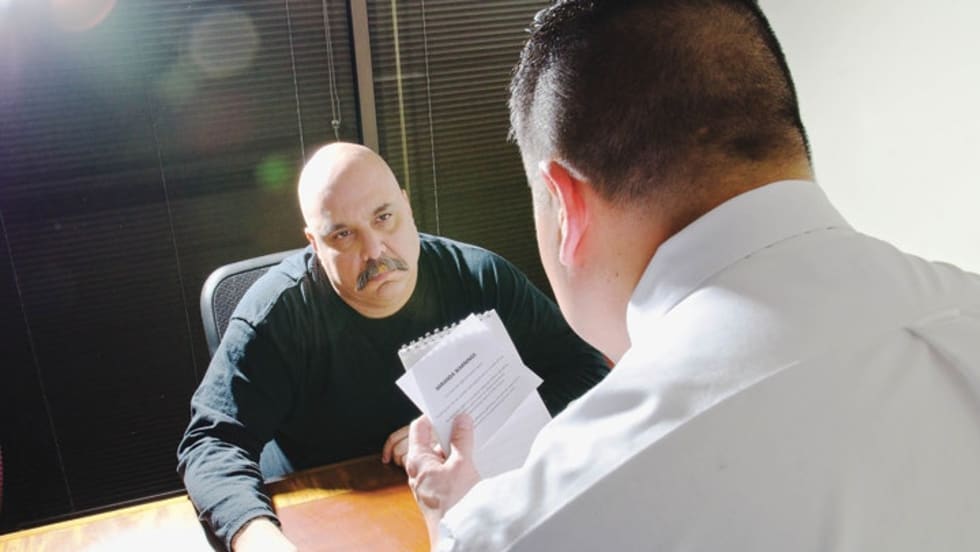
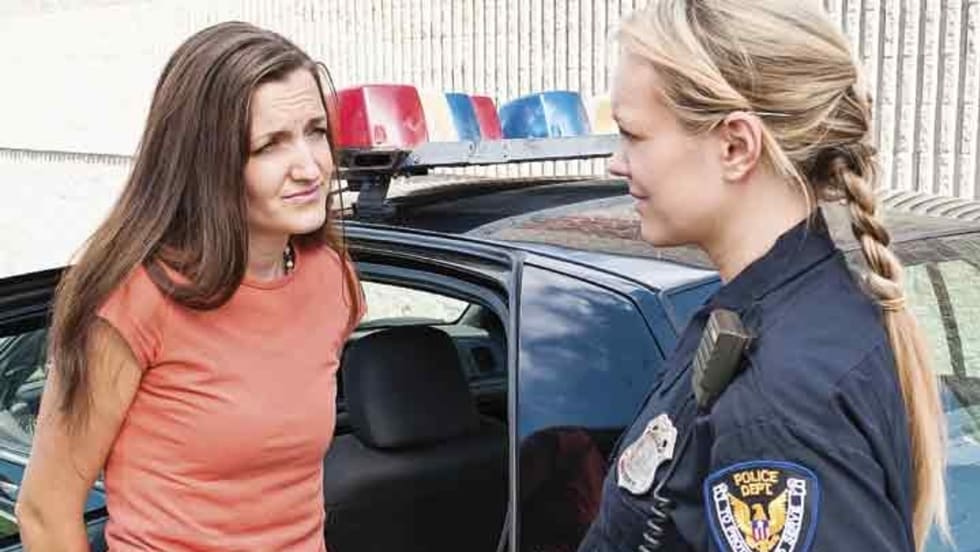
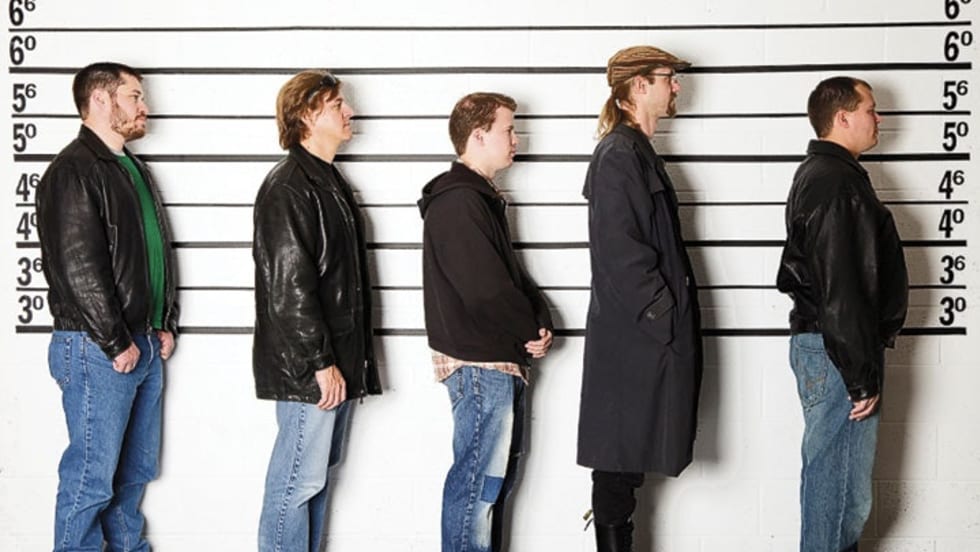

Whenever you see or hear a suspect doing or saying something an innocent person would not, your observations should go into your reports. The suspect's selective silence can sometimes indicate a consciousness of guilt.
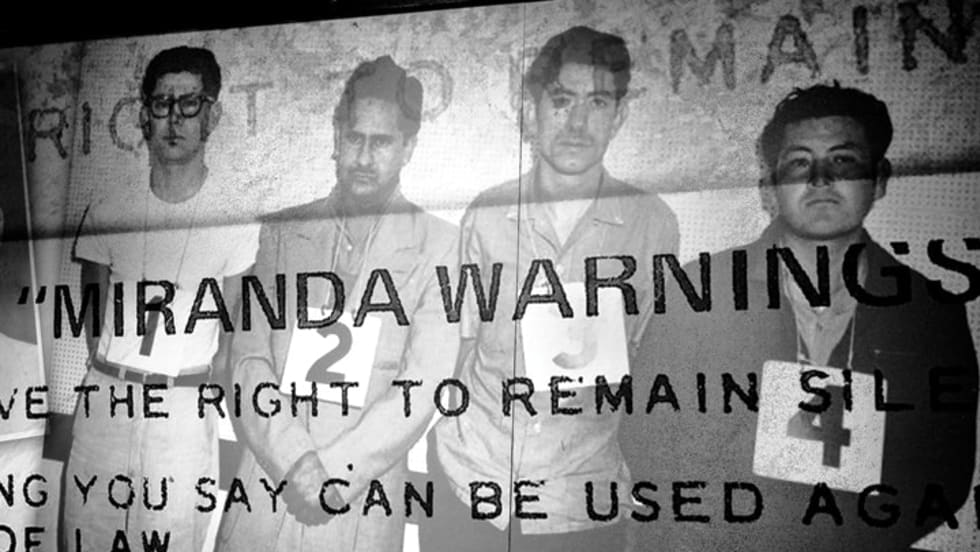
Read More →Officers on the job before 1966 knew that the right to remain silent was guaranteed by the Constitution, but no officer from that era ever thought it was his job to remind offenders of their rights. That changed with the arrest of Ernesto Miranda in March 1963 and the landmark U.S. Supreme Court decision that followed.
Read More →In March of 1963, Phoenix Police Officer Carroll Cooley arrested Ernesto Miranda. Fifty years later, Miranda warnings are as much a part of policing today as a set of handcuffs.
Read More →The U.S. Supreme Court will consider whether a Kansas man's Fifth Amendment self-incrimination rights were violated when medical testimony was used to convict him of killing a sheriff.
Read More →Once a custodial suspect has been given Miranda warnings and has acknowledged his understanding, he might waive his rights and submit to questioning, or he might invoke—either by indicating that he doesn't want to talk, or by requesting counsel.
Read More →Identifying the perpetrator and clearing innocent suspects are crucial goals of every criminal investigation, and both depend on the use of reliable evidence. The Supreme Court has applied a constitutional due process test to the admissibility of testimony about an eyewitness's pretrial ID.
Read More →Of the 55 subsequent Supreme Court opinions on Miranda issues, 14 have involved attempts to clarify the meaning of "custody," and in 12 of those 14, the Supreme Court reversed the decisions of state and federal appellate courts, which got it wrong.
Read More →Miranda warnings are triggered by a simple formula: Custody + Interrogation = The requirement for Miranda warnings. A motorist is not in "custody" for Miranda purposes when he or she is detained for an ordinary traffic stop.
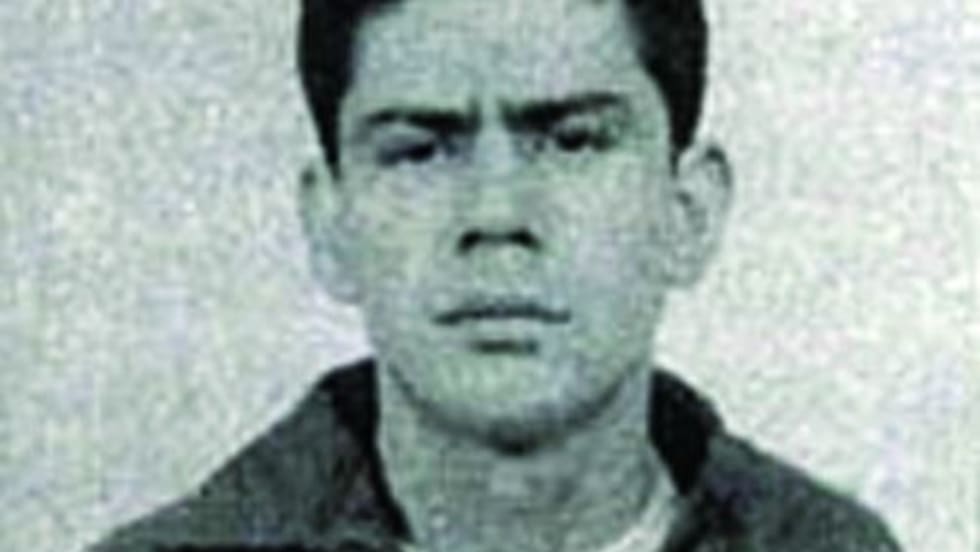
Read More →The genesis of the Miranda warnings can be traced to March 13, 1963, when Ernesto Arturo Miranda was arrested by officers of the Phoenix Police Department for stealing $4 from a bank worker and for the kidnap and rape of another woman.
Read More →