
Police Magazine

 MENU
MENU SEARCHMENUSEARCH
Loading data...

You have no choice. You draw your service weapon and fire three rounds into the dog. Two find their mark in its chest cavity, while the third rips through one of its front legs. It takes a few more paces, collapses, and dies.
Read More →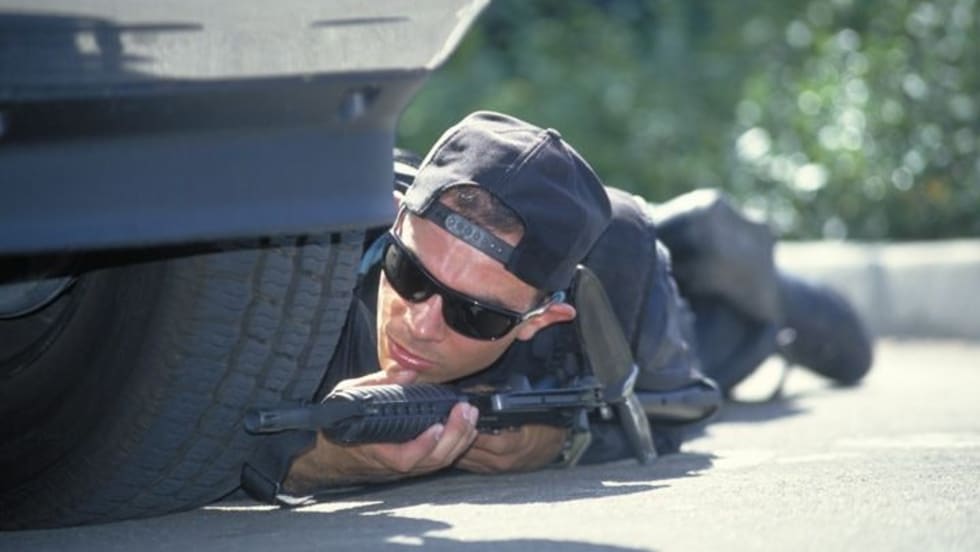
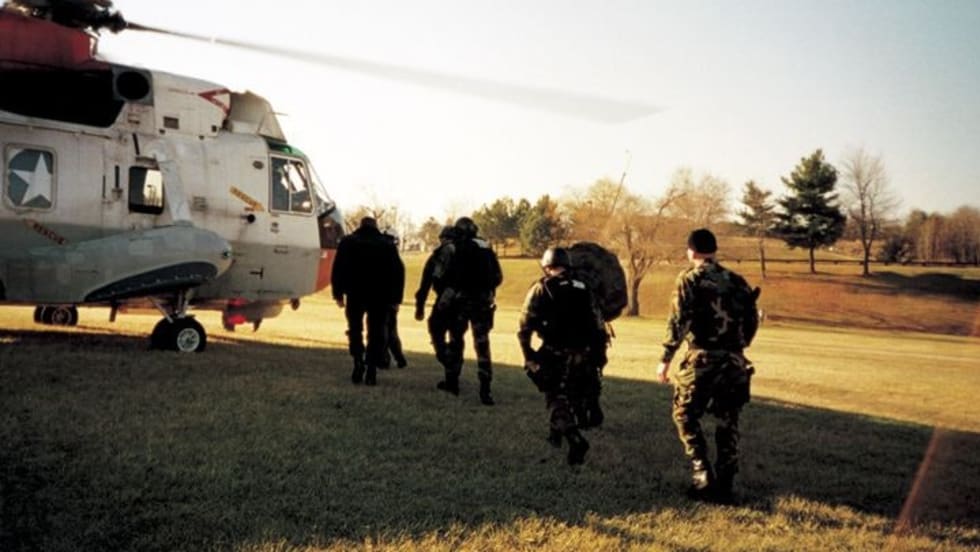


There is a tendency among all law enforcement to believe that no matter the odds, their bravery and training can save the day. It’s an instinct that a good SWAT officer must overcome. Because believe it or not, there are times when even a SWAT team may be outgunned or otherwise need help.
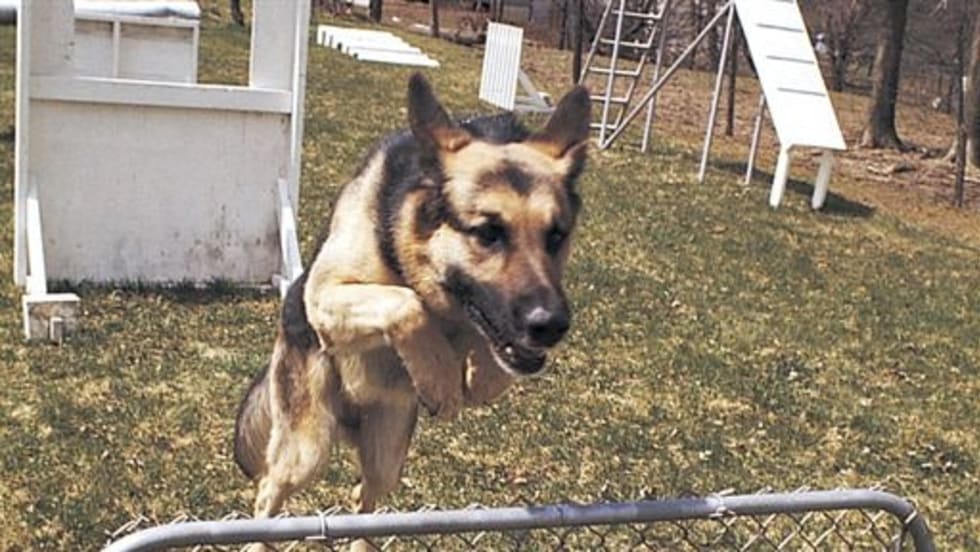
Read More →Initiating your agency’s first K-9 unit is a daunting task. If you’re willing to accept this challenge, then the first thing you need is the support of your department.
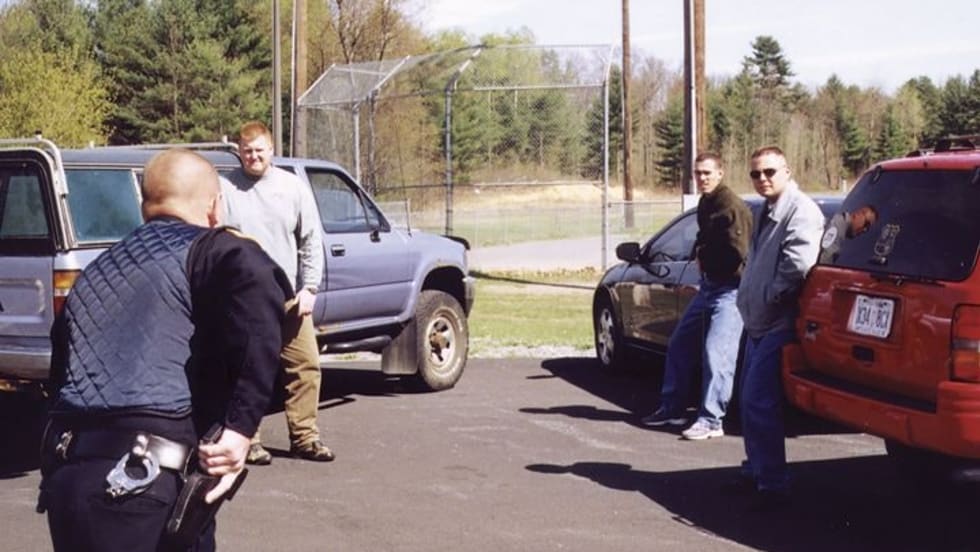
Read More →For some reason, most officers have a vision of a gunfight as being one shooter against another. The reality of such incidents is much different and even deadlier. An alarming number of police gunfights involve more than one bad guy against a single cop.
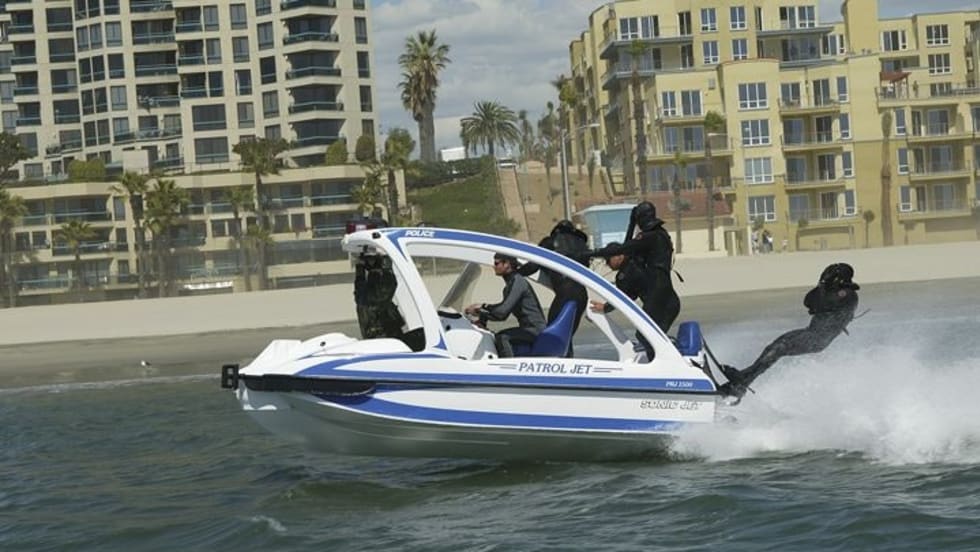
Read More →The lesson of the Baltimore exercise is quite clear: police agencies can't just arbitrarily decide that their jurisdictions end at the water's edge and assume that anything on the water will be handled by the Coast Guard, the Navy, or somebody else.
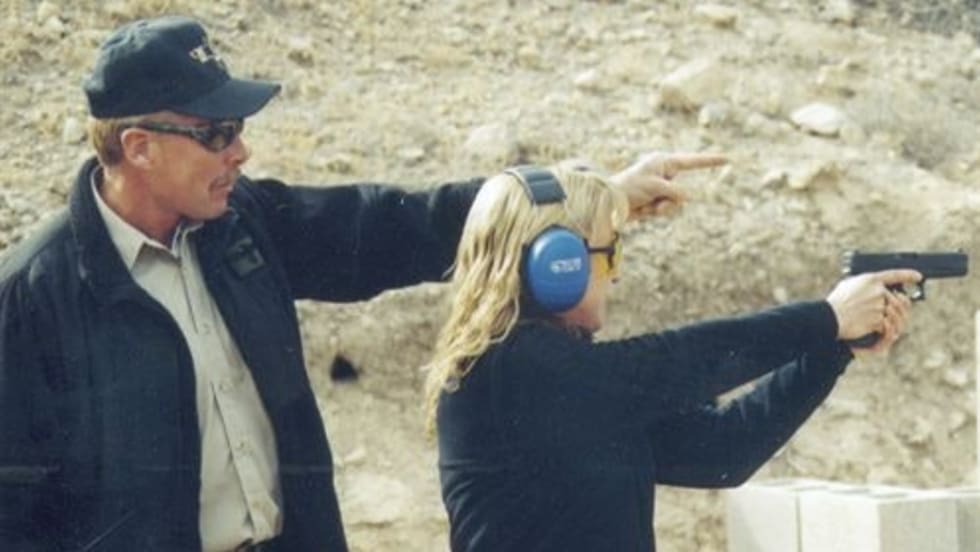
Read More →Although most agencies supply their officers with basic firearms training, there are reasons that law enforcement officers are some of the most active attendees of specialized gun training academies.
Read More →When a terrorist attack really happens, these men need to know how to work together, or people will get killed. This is not a game.
Read More →According to media accounts, nearly 100 officers who joined the force during a 1989-90 recruitment drive-when background screening and standards were all but non-existent-were later charged with criminal wrongdoing.
Read More →Simulated training devices exercise those decision-making muscles; when it comes down to it, what you learn from them just might keep you alive.
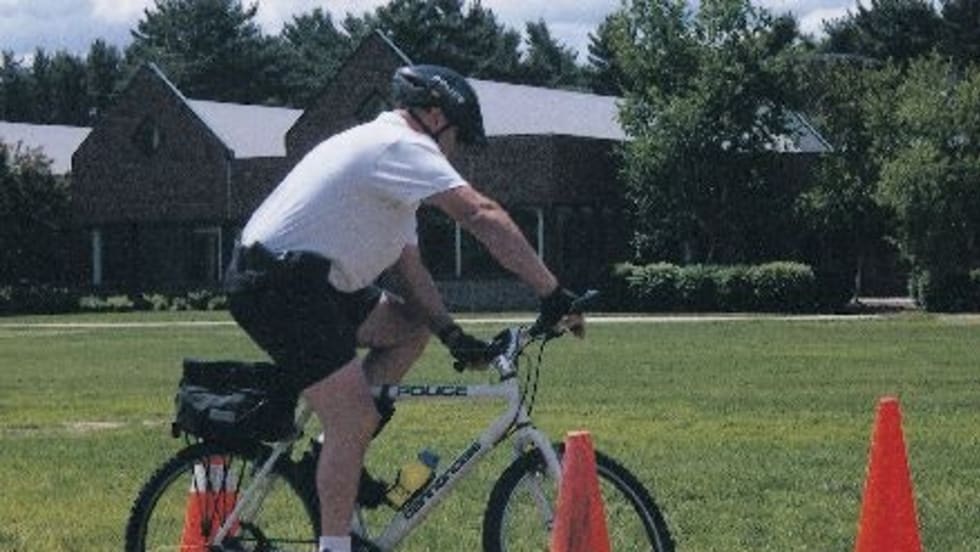
Read More →It might look easy, but you better be ready for training and lots of exercise before you trade in your cruiser for two wheels.
Read More →