



How to...Start a K-9 Unit
Initiating your agency’s first K-9 unit is a daunting task. If you’re willing to accept this challenge, then the first thing you need is the support of your department.

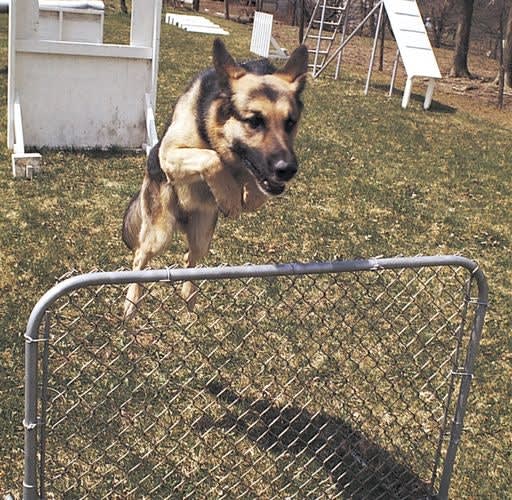
Canine duty can look fun and even glamorous compared to the routine of patrol work. As such, many an officer may be dreaming of joining his or her agency’s dog team or even starting a new one.
Initiating your agency’s first K-9 unit is a daunting task. But experts say the rewards are worth the pain.
If you’re willing to accept this challenge, then the first thing you need is the support of your department. You’re going to need some hard evidence of the benefits of dog cops to persuade your command officers to make a commitment to a K-9 unit.
Who Needs Dogs, Anyway?
Some might not think a canine unit is necessary in small departments or that calling in other K-9 officers from other departments is easier and more cost effective. But there are many reasons why having a K-9 unit within your own department can make sense, no matter the size of your agency or jurisdiction.
Most dog handlers have examples of how their unit has saved them and their department time and money—mostly in decreasing the number of man hours needed to solve crimes and catch criminals.
Sgt. Gary Duncan, K-9 training supervisor at the Metropolitan Nashville Police Department, says knowing that canines will save time and money is just common sense. “A dog could search a building in 10 minutes while it might take two or three officers an hour to do that same search. There’s a time-saving issue right there, as well as the cost.”
“A dog’s sense of smell is about 700 times greater than a human’s,” Duncan explains. “That shows you how much faster he can achieve the same goal that you’re trying to achieve.”
Your chief might say, “We use other departments’ dogs to save time on building searches, so we don’t need our own unit.” But one of the biggest problems in not having your own K-9 unit is depending on another department to have theirs available when you need it. You might not have the time to wait.
Although this might not be the top reason a department needs a K-9 unit, you shouldn’t count out the public relations benefits of having one.
Mark Ficcadenti, a dog trainer in St. Paul, Minn., feels K-9 units can help revitalize communities just with their presence. “Everybody loves a police dog,” he says. “Other police officers call you to catch the baddest of the bad, but at the same time you get to take your dog to the nursing homes, and the Boy Scout troops. You get to march your dog in the community parade on the Fourth of July. That’s great stuff.”
Coughing up the Cash
Once you’ve convinced your chief and the mayor or the city council that a K-9 unit would be beneficial to your department, you need to find a way to pay for it.
Sgt. Kevin Rofidal with the Edina (Minn.) Police Department was lucky. “A resident in town came in and wanted to donate something to the community for 9/11 and funded the program. For us, we took an existing car and this person is paying for the upkeep and the gas and all of the equipment for the car and everything else. “So we figured it out to be, I think, $29,000 for the first year and then about $7,000 for each year after that. We got funding for five years.”
Unfortunately, most police departments are not nearly so lucky. But you can find plenty of donations in your own backyard if you’re willing to seek them out.
“Surprisingly, some administrators are leery of getting the community involved,” says retired police captain and canine trainer John Haller. Such an attitude robs agencies of a major resource, he says. “I think you find that if you ask, more often than not the community is very willing to get involved.”
Civic groups might be willing to fund part or all of a K-9 program. You can also organize your own fundraisers such as dinners and raffles to generate money with help from the community.
Also ask local businesses to donate their products or services. For example, your local fence company may donate the fencing and the local concrete company may donate the pad needed for the dog’s kennel. A local veterinarian might even offer free or discounted medical care for your canine. These are just some of the ways to get the community involved.
Tools for the Job
Businesses in your community might be willing to donate money to purchase equipment, such as the resident in Edina, Minn. Equipment is essential and expensive, so it doesn’t hurt to ask.
Essential equipment for starting a K-9 unit includes a dedicated car with a kennel insert in the back seat, a temperature monitor to make sure the dog doesn’t overheat in the car, a door popper to release the dog from the car by depressing a button on the handler’s belt when necessary; leashes; tracking leads; bite sleeves and other training equipment; an outdoor kennel at the handler’s home made of chainlink on a concrete pad; and, of course, food.
“Don’t skimp on any of your equipment,” advises Sgt. Mike Perry, a trainer with the St. Louis Police Department. “You tend to get what you pay for. Cheaper buys might not hold up for as long as you need them to.”
For recommendations on where to purchase equipment, contact neighboring departments.
The Right Dog
Once you have funding, you still have to decide on the right dog to purchase. The most popular police dogs in the United States right now are German shepherds. Belgian malinois are also popular police dogs, although they are more common in Europe than here in the States. But there is more to choosing a dog than just breed.
More important is finding a dog that has the right temperament for the job, or jobs, you want him to do.
Most canine handlers and trainers suggest that first-time handlers find reliable vendors to choose the right dogs for their departments’ needs. If a dog has too much play drive, he might not attack when you need him to. If a dog has too much defense drive, he might bite someone he’s not supposed to. Remember, a police dog, contrary to popular belief, is not an attack dog. It needs to be a social animal that will get along with other officers and the public when it is not given the command to attack.
You must also consider whether you need a single-purpose dog for patrol or a dual-purpose dog for patrol and narcotics detection or patrol and explosives detection. Dogs can also be trained in other specialties. Unless you’re very familiar with testing dogs for specific characteristics, tell a professional all of the things you want your dog to be able to do and let him or her choose a dog for you.
Then there’s the question of whether to purchase a dog or accept public donations. While donated dogs might be technically free, they can be more costly in the long run if you don’t know what type of dog to look for.
Duncan says the Metropolitan Nashville PD won’t use donated dogs anymore for just this reason. “Years ago we would take dogs through public donation. But we started keeping some statistics on that, and we found out that it was cheaper for the taxpayer for us to go out and buy a dog through a vendor that will warrant the dog than it is to go through numerous dogs before we find one that’s going to meet our criteria on the training field.”
And if a donated dog doesn’t work out for whatever reason, it can be hard to find someone else to take him or her off your hands.
To avoid this problem, Edina PD bought its dog from a local vendor that offers a one-year guarantee for the dog’s health and ability to do police work. “That was important to us because with only one dog in our department we couldn’t afford to have anything but the best,” Rofidal says.[PAGEBREAK]
The Right Handler
According to Russ Hess, executive director of the United States Police Canine Association, choosing a good canine handler is paramount in starting a successful canine unit. “Everyone thinks the most critical factor in starting a unit is the dog,” says Hess, “but the biggest factor is selecting a handler who is a good police officer and who is willing to go the extra mile to make a good case.”
Haller agrees that finding the right handler is more important than finding the right dog. “I could give you the best dog that there is and you give me a bad handler and you will never accomplish anything with that dog,” he says. “I could give you a poor dog and if you give me a really good handler, they’ll be able to do things you’ll never believe.”
Haller thinks important characteristics of a good canine handler include public speaking ability, physical strength, and dedication.
Canine trainer Mark Ficcadenti also looks for dedication in a canine handler. “At many police agencies, canine handlers are prima donnas,” he says. “But the handler’s job is to get out there and support patrol and be there for them. It shouldn’t be about ego.”
Rofidal, speaking from personal experience as a canine handler and trainer, warns that a police officer should become a handler for love of the job, because it’s not an easy ride:
“A person going into this shouldn’t go into it thinking they’re going to get extra money or overtime. The department certainly doesn’t expect you to put in more than your scheduled time, but you end up doing it if you want to be successful at it.”
According to Ficcadenti, finding the right canine handler for your department is often easier than you might think.
“Typically, the person who initiates the program or investigates the starting of a K-9 unit, is the best candidate for the job,” he says. “That doesn’t guarantee them that they’ll be the handler, but usually the person that took that initiative seems to be the best candidate.”
Ficcadenti stresses that many people could be good canine handlers if they’re dedicated to the job, the dog, and the department. A large part of that dedication is continuous training for the handler and the dog.
Training
Ideally, police dog training involves the canine handler as much as the dog. Working together from the start of the handler-canine relationship builds a bond between the two and makes sure both completely understand all steps involved in the procedures necessary for working on the street.
You can buy a dog completely trained, but if the handler hasn’t gone through training with the dog, then you might run into trouble.
“Anybody can take a dog and train it, but I think it’s really important for the handler to go through it,” says Edina PD’s Rofidal. “Unless I get good at the search techniques and the detail in a room and cars, then I’m just holding the dog back if I don’t know how to do it.”
When looking for a trainer, most canine handlers prefer former police officers who have experience as handlers because they are familiar with the situations and problems K-9 officers and their handlers experience on the job.
“I like the idea of being trained by fellow or former canine handlers,” says Ficcadenti. “We don’t send our police officers to civilians to teach them how to do normal duties on the street. We use people who have been there and done that. And that’s even more important with the handling aspect of a police service dog.”
As with every other aspect of starting a K-9 unit, do your homework. Ask other departments for recommendations and then check out all references. Just because someone you talk to liked a trainer doesn’t mean you shouldn’t investigate his or her dealings with other agencies.
Joan Hess, assistant to and wife of the executive director of the USPCA, suggests, “Ask around, but don’t make a deal with one vendor or trainer just because he’s a friend of yours. Quality is more important.”
Haller suggests calling every reference number given by prospective trainers and writing down all the positive and negative comments you hear.
The amount of training offered is important, as well. You might think you can get by with less training, but that’s not a gamble you want to make, advises Ficcadenti.
“We hold a 12-week basic canine handler school that teaches canines and handlers how to conduct a building search, tracking, evidence search and recovery, criminal apprehension, and handler protection. Our school is lengthy and there is a reason ours is longer than others,” Ficcadenti says.
In his course, Ficcadenti also instructs handlers on how to create use-of-force guidelines.
“Teaching a dog criminal apprehension is very labor intensive and very difficult to do because it’s very difficult to teach a dog to bite a human being out of courage and not fear,” Ficcadenti explains.
Smaller departments often have to send their canines and handlers to another department’s training academy, which can cost a lot of money, including food and lodging for the handler. But cutting training short to save some money will not be cost-effective or as safe in the long run, Ficcadenti warns.
Training is an important component of the K-9 unit and not something to be taken lightly, says Duncan. “When a department makes the decision to have a police K-9 unit, they have committed themselves at that time to continuous training.”
If training is not maintained and closely documented, canines, handlers, and departments can all find themselves in court.
Legal Issues
Liability and overtime issues tend to be the biggest legal stumbling blocks for departments starting a canine unit.
Haller says as long as canines and handlers follow strict procedures, the fear of dogs causing liability problems for a department are largely unfounded. “The courts have been exceptionally good to the use of police dogs,” he says. “If you have the proper training, the proper documentation of that training, you keep good records, and you have a good standard operating procedure, and the handler uses good judgment in the deployment of the dog, your chances of any litigation resulting in a payout to a plaintiff are very, very slim.”
In fact, Haller argues that utilizing canines is safer for suspects because it can keep officers from having to use a gun or baton instead.
A canine officer is trained to bite a suspect once and hold on. The resulting injury can usually be treated in a few minutes with some antiseptic and left to heal on its own. The alternatives are a baton, which usually causes lacerations that require stitches—often on the head—or a bullet that could easily be lethal.
“If administrators would take the time to investigate liability issues,” Haller says of lawsuits over dog bites, “they would realize that it’s not the problem they might perceive it is.”
Liabilty is the number one killer of canine programs. Number two is issues regarding the FLSA.
The Fair Labor Standards Act, usually referred to as FLSA and pronounced “felsa,” says a canine officer belongs to the police department and the city or county by law has to pay the canine handler maintenance pay in the form of time or money to care for that dog.
“What administrators are afraid of is that canine handlers will come back with overtime issues and turn in overtime cards to the tune of $40,000. And that kills programs,” Ficcadenti explains.
That’s why starting out with a strict agreement on how to compensate canine handlers for dog care is so important. Beginning with clear procedures for every aspect of the K-9 unit and sticking to that plan will help guarantee a successful program.
The bottom line is if you do your research in the beginning and put the necessary amount of time, money, and dedication into the program, your K-9 unit will be successful and beneficial to your department, as well as others.
Necessary Equipment
for a K-9 Unit
Dedicated car
Kennel insert for back of car
Temperature monitor
Quick release door system
Kennel for handler's yard
Leashes, tracking leads, training collars, bite sleeves, other training equipment
Resources
United States Police Canine Association
www.uspcak9.com
National Police Canine Association
http://npca.net
North American Police Work Dog Association
www.napwda.com
More Patrol
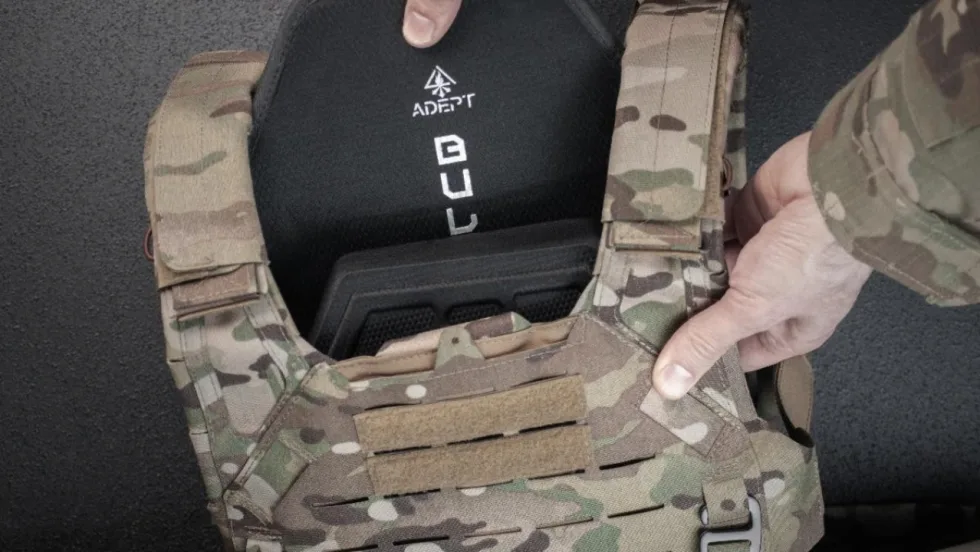
Adept Armor Introduces Two New Rifle Plates
Adept Armor has launched two new Level IV ballistic plates, the Emperor and the Archon Mark 2, which brings Adept Armor’s new Quatroid ceramic to the high-threat, performance-value center of the range at 5.2 pounds.
Read More →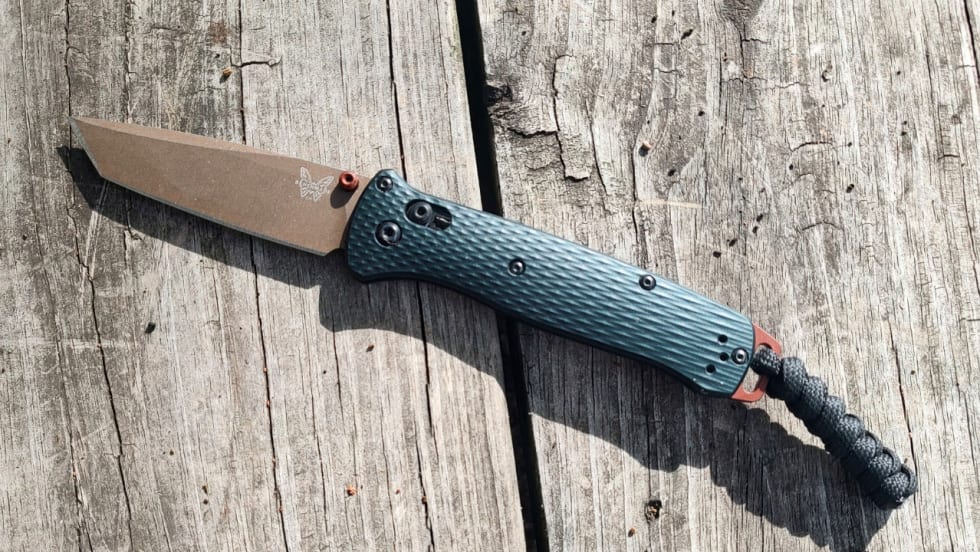
POLICE Product Test: Benchmade Bailout
The Benchmade Bailout is a slim, lightweight carry knife with a deep-ride pocket clip and comes in a variety of blade steels and scales. Here is a detailed review of the Taiga Green Bailout, released earlier this year.
Read More →
NLEOMF Announces July 2026 Officer of the Month
NLEOMF honored a Michigan deputy sheriff as the July 2026 Officer of the Month for rescuing a trapped driver from a burning vehicle following a Fourth of July crash.
Read More →
Streamlight to Showcase Newest Lighting Products at National Safety Council’s Safety Congress & Expo 2026
Streamlight will showcase its latest lights, including the Portable Scene Light III and the LiteBox 1Million, at the 2026 National Safety Council (NSC) Safety Congress & Expo.
Read More →
The 2027 World Police & Fire Games Set for Perth, Australia
The 2027 World Police & Fire Games (WPFG) will take place in Perth, Western Australia, from Friday, March 12 through Sunday, March 21, 2027.
Read More →
5.11 Partners with National Fallen Firefighters Foundation to Support #ForThe343
5.11 has joined the nationwide movement honoring the 343 New York City Fire Department firefighters lost on Sept. 11, 2001.
Read More →
Team Wendy Announces Title Sponsorship of the Jorge Pastore Foundation
Team Wendy’s 3-year partnership with the Jorge Pastore Foundation expands access to programs that strengthen those who serve.
Read More →
National Law Enforcement Memorial and Museum Hosting 9/11 25th-Year Commemoration Ceremony
The National Law Enforcement Memorial and Museum is hosting a 9/11 25th Year Commemoration Ceremony on Sept. 11 at 4 p.m.
Read More →
National Law Enforcement Officers Memorial Fund Announces June 2026 Officers of the Month
The National Law Enforcement Officers Memorial Fund (NLEOMF) named 15 officers of the Chico Police Department (California) as the Officers of the Month for June 2026 for their roles in responding to an active-shooter incident at a public library.
Read More →
Team Wendy App Creates New Digital Hub for Helmet Owners
The Team Wendy Community App provides one location for warranty registration, size-fit tools, product updates, and community connection. For helmet owners, the new app creates a simpler path to the information and tools that matter most.
Read More →